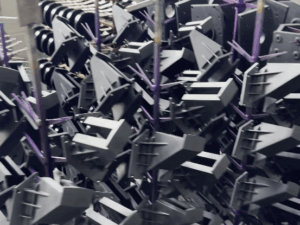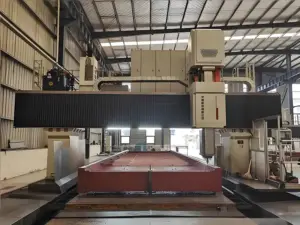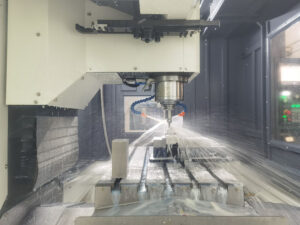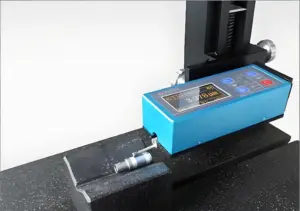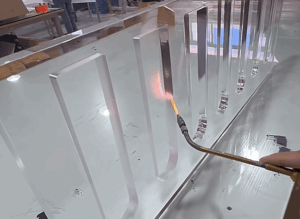

Black oxide makes metal look sharp. But good looks don’t always mean good performance.
I learned that early in my work with engineered tools. We trusted the finish too fast. Parts looked great at first,but didn’t last.
That experience pushed me to dig deeper.
Since then, I’ve reviewed finishes with production teams, tested black oxide under load, and seen what happens in the real world.
This guide gives you a clear view of what black oxide can really do. Inside, we’ll cover:
- what black oxide metal finishing is
- how it works
- when it makes sense
- and where it can cause problems
If you need a surface treatment that fits your actual build, not just the spec sheet, this article will help you get there.
So let’s get started!
1. What Is Black Oxide Finishing
Black oxide isn’t just a surface treatment, it’s a strategic choice.
When you need a finish that looks sharp, performs reliably, and doesn’t mess with part tolerances, black oxide quietly gets the job done. But don’t let its simplicity fool you. This process carries real advantages when applied the right way, and real risks if misunderstood.
I found that out the hard way when one of our team members spec’d it purely for looks. We didn’t ask how it interacted with steel. No sealing. No post-finish handling plan. A month later? Rust. Everywhere.
Don’t let that be your story.
Let’s break down exactly what black oxide is, what it’s made of, and what it looks like in the field.
Chemical Composition
At its core, black oxide is a conversion coating, not a paint, not a plating.
The process chemically transforms the top layer of a metal surface into magnetite (Fe₃O₄). This isn’t a layer that sits on top of the metal like powder coat or plating. It becomes part of the metal itself.
And that’s the key.
Because this oxide layer is integrated into the surface, it:
- Doesn’t add measurable thickness
- Won’t chip, flake, or peel
- Preserves tight tolerances (critical for mating parts)
For steel, this reaction happens in a hot alkaline salt solution. For copper or zinc alloys, the chemistry changes, but the principle stays the same: turn the surface into a hard, stable, black finish.
Visual Characteristics
If you’re looking for that clean, matte-black look, black oxide delivers. The finish is:
- Smooth
- Non-reflective
- Uniform, even on complex geometries
Depending on the post-treatment you choose (oil, wax, or lacquer), the color can range from a deep charcoal matte to a slightly glossy sheen.
But here’s the kicker: black oxide isn’t just about looks. That finish tells a story. To a trained eye, it says: “This part was finished by someone who knows what they’re doing.”
And in a business where your parts represent your brand, that matters.
2. How Black Oxide Finishing Works
You don’t need to be a chemist to understand black oxide. But if you’re signing off on parts, purchasing coatings, or designing with tolerances in mind, you do need to know what’s happening behind the scenes.
Because the way black oxide is applied? It directly affects performance, appearance, cost, and reliability.
Let’s walk through it:
The Process at a Glance
There are a few methods, but at the core, the black oxide process looks like this:
- Cleaning & Degreasing: The surface must be spotless. Any oil, dirt, or rust prevents the chemical reaction from bonding evenly. (If your supplier skips this, run.)
- Chemical Reaction in a Heated Bath: The part is immersed in a hot alkaline solution (around 270–285°F / 132–141°C for steel). This is where the surface converts to magnetite (Fe₃O₄), a dark, durable oxide layer.
- Rinsing & Sealing: After the conversion, parts are rinsed and sealed, usually with oil, wax, or lacquer. This sealing step is critical. Without it, black oxide offers almost no corrosion protection.
- Drying & Finishing: The part is dried, inspected, and ready for packaging or use. It’s a fast process, often just minutes in the bath, but the prep and post-treatment are what make or break the result.
Types of Black Oxide Processes
Depending on your volume, budget, and safety requirements, there are three main process options:
Hot Black Oxide (Most Common for Steel)
- Industry standard for durability
- Requires heated tanks and proper ventilation
- Delivers strong bonding and uniform appearance
- Ideal for industrial applications
I’ve seen this done in-house at mid-size factories, but it takes serious investment in safety and handling. Most businesses outsource it to certified shops, and for good reason.
Cold Black Oxide (Room Temperature)
- Simpler and safer to apply
- Uses a selenium-based solution
- Lower corrosion resistance unless well-sealed
- Good for low-volume, budget-conscious runs
Great for shops doing light finishing or DIY prototyping, but not for critical-use parts.
Mid-Temperature Black Oxide
- Newer, safer option between hot and cold
- Reduces risk and energy use
- Offers decent bonding and aesthetic
- Gaining popularity in small-scale operations
This hybrid process is useful when you want the benefits of hot black oxide without the same regulatory load.
3. Benefits of Black Oxide Coating
At first glance, black oxide might seem like a simple, aesthetic finish.
But when used strategically, it becomes one of the most cost-effective and performance-friendly coatings you can apply, especially if your product depends on tight tolerances, clean looks, or low-friction functionality.
I learned this firsthand when we switched a high-wear gear component from phosphate to black oxide. Not only did it perform better, but our rejection rate dropped by half. That little switch saved us thousands, without changing a thing in our design.
Let’s look at what black oxide brings to the table.
Corrosion Resistance (When Sealed)
Black oxide on its own isn’t corrosion-proof, but once it’s sealed with oil, wax, or lacquer, it holds up impressively well in dry to moderate environments.
- Helps reduce oxidation and surface rust
- Keeps parts stable during storage or shipment
- Especially valuable in tooling, fasteners, and display products
Important: this benefit only works if the sealing step is done properly. No seal? No protection.
No Dimensional Change
This is a huge win for engineers and production teams.
- The oxide layer forms within the surface structure (not on top)
- That means it won’t add measurable thickness
- Ideal for threads, mating parts, and precision tolerances
You get the finish without compromising fit or form. That’s why it’s a go-to for tooling and machined components.
Reduced Light Reflection
If you’re working with parts that need to be low-profile or non-reflective, black oxide is your friend.
- Matte or satin black look
- Ideal for optics, instruments, or defense products
- Keeps glare to a minimum in harsh lighting
It’s not just functional. It looks premium, without shouting for attention.
4. Applications and Industries
Black oxide isn’t a one-size-fits-all finish, but when it fits, it fits.
I’ve seen it used on everything from aerospace tooling to premium knives to packaging line parts. And no matter the industry, one thing is always true: the decision to use black oxide usually comes down to a mix of function, appearance, and efficiency.
Here’s where it shines.
Industrial & Manufacturing
In high-volume production, black oxide hits the sweet spot: fast, affordable, and consistent. It’s especially common in:
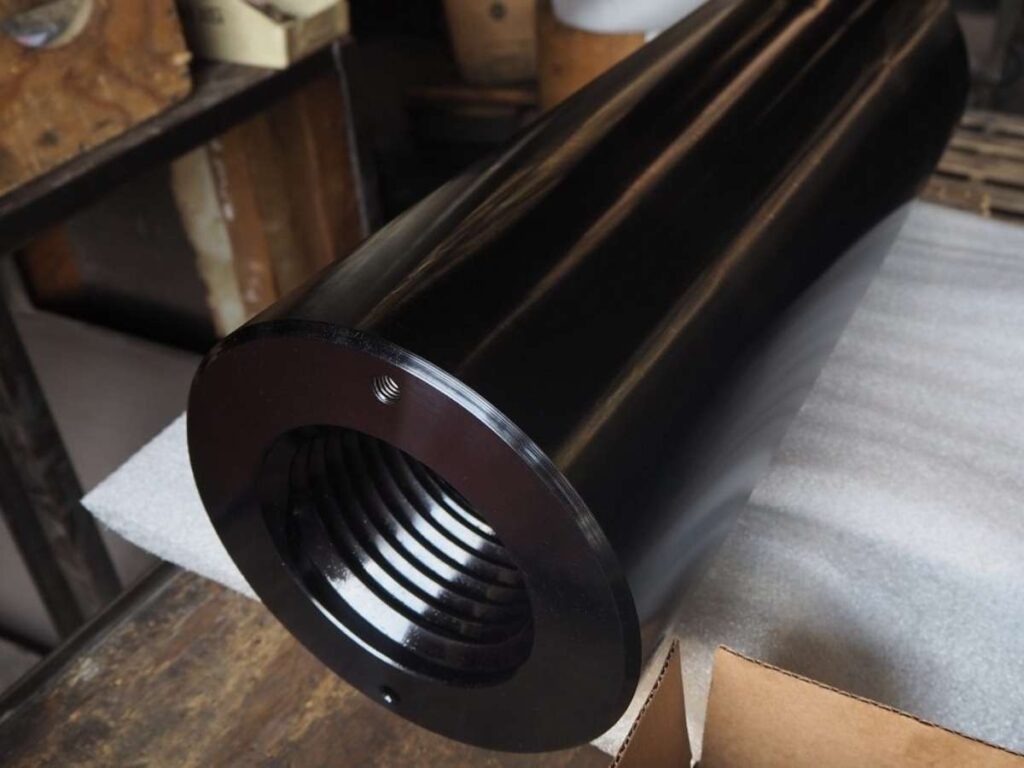
- Machined components (shafts, bushings, housings)
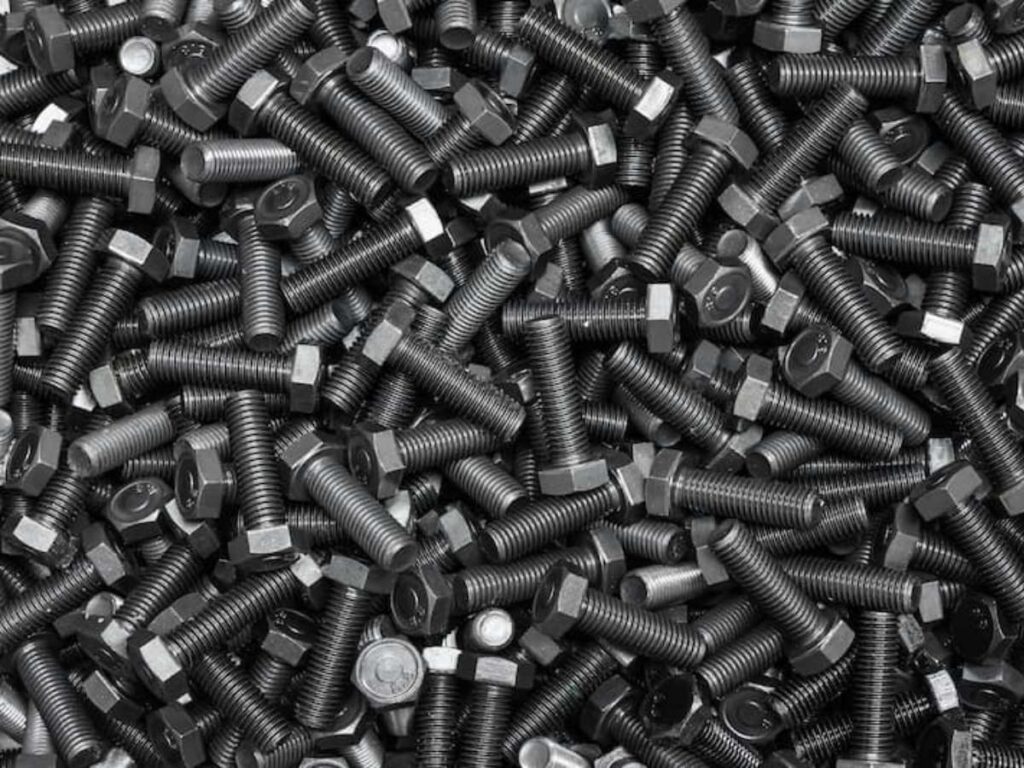
- Fasteners and hardware (bolts, screws, pins)
- Tools and dies (cutting tools, drill bits, jigs)
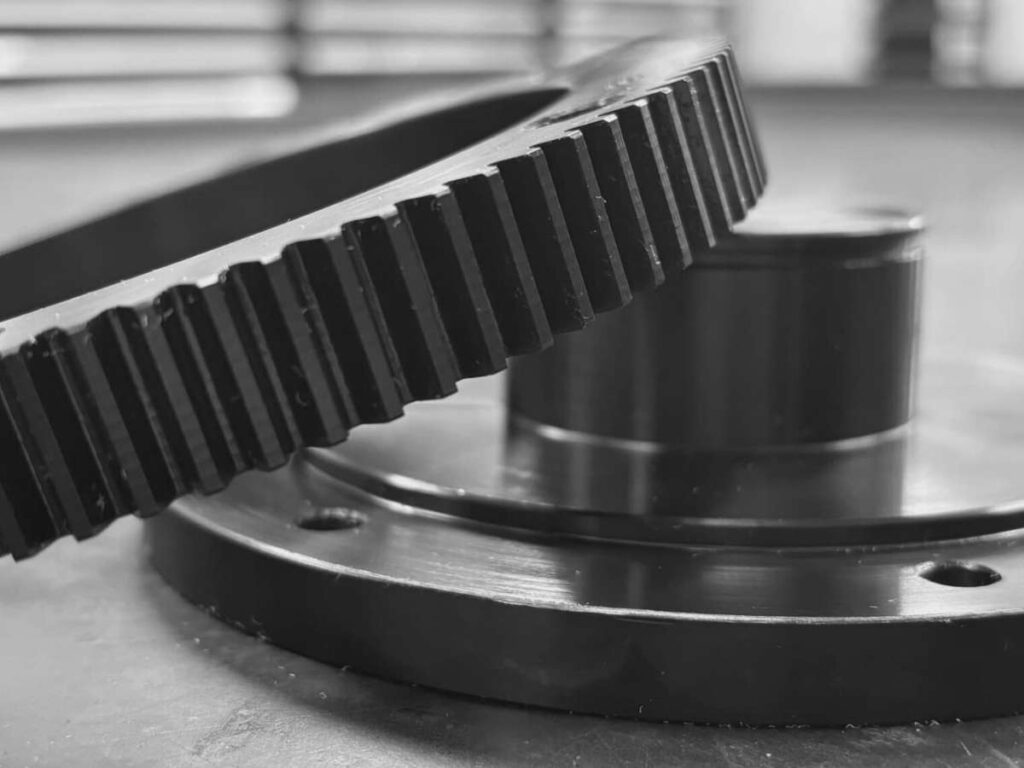
- Gears and drive systems (industrial equipment, pumps)
If you’re running a plant or managing a parts program, you’ve likely worked with black oxide already, whether you knew it or not.
It’s the quiet workhorse of industrial coatings.
Automotive & Transportation
Black oxide is used on:
- Brake components
- Engine internals
- Chassis hardware
- Seating and interior metalwork
Why? Because it looks clean, resists corrosion (when sealed), and doesn’t interfere with fit or function.
It’s especially valuable for secondary parts where thickness or paint flaking would be a liability.
Defense, Optics & Tactical Equipment
This is where low-reflectivity really matters.
Black oxide helps reduce glare and visual signatures on:
- Weapon components
- Scopes and mounts
- Surveillance gear
- Specialized tools and maintenance equipment
In this world, matte black isn’t just a design choice, it’s a performance requirement.
Medical & Lab Equipment
Instruments need to be smooth, consistent, and non-glare.
Black oxide is often used on:
- Surgical tools (non-critical items only)
- Lab jigs and fixtures
- Measurement and alignment tools
It also helps improve part longevity during cleaning and handling cycles, without interfering with precision.
5. Black Oxide vs. Other Metal Finishes
Let’s be honest, black oxide isn’t the only option on the table.
If you’re deciding on a finish, you’re likely weighing cost, corrosion resistance, tolerances, appearance, and lead times. And if you choose the wrong one, you risk performance failures, missed deadlines, or bloated costs.
I’ve gone down that road, spec’d zinc when I should’ve used black oxide. Looked great on paper. Didn’t play well with our mating parts. Had to scrap the batch.
To help you avoid that, here’s a side-by-side comparison of black oxide against the most common alternatives:
| Criteria | Black Oxide | Zinc Plating | Powder Coating | Anodizing |
| Adds Thickness? | No (zero build-up) | Yes (0.0002”–0.0005”) | Yes (2–4 mils avg.) | Yes (0.0001”–0.0008”) |
| Corrosion Resistance | Moderate (with oil seal) | Good (especially with chromate) | Very Good (sealed barrier) | Good (mainly for aluminum) |
| Surface Appearance | Matte black (uniform, non-glare) | Shiny silver or yellow iridescent | Smooth, colored, glossy or matte | Satin to glossy (varied colors) |
| Durability | Moderate | Moderate | High (chip-resistant) | High (hard anodizing) |
| Best For | Precision parts, tools, hardware | Hardware, automotive parts, fasteners | Consumer goods, enclosures, branding | Aluminum parts, consumer tech |
| Cost (per unit) | Low | Low to Medium | Medium to High | Medium |
| Environmental Sensitivity | Requires oil or wax for protection | May corrode if coating is breached | Very resistant when intact | Excellent if properly sealed |
| Suitable Metals | Steel, stainless, copper, zinc | Steel, iron | Any (after pre-treatment) | Aluminum and some magnesium alloys |
| In-House Friendly? | Yes (cold or mid-temp systems) | Usually outsourced | Usually outsourced | Usually outsourced |
Choose black oxide when you need tight tolerances, cost-efficiency, and a non-reflective finish. Choose zinc plating when you want decent corrosion resistance and don’t mind some thickness.
Choose powder coating when visual appearance and barrier protection are top priorities. Choose anodizing when you’re working with aluminum and want both color and surface hardness.
6. Limitations of Black Oxide Finishing
Every process has a tradeoff. Black oxide is no exception.
I’ve seen it work wonders on precision parts, saving us time, cost, and rework. But I’ve also seen it fail when misapplied. That usually happens when a team assumes it’s a “universal” solution.
It’s not. And if you go in blind, you could end up with returns, corrosion, or worse, downtime on the line.
Here’s what you need to know about where black oxide doesn’t hold up:
Limited Corrosion Resistance Without Sealing
This is the big one.
Unsealed black oxide offers minimal protection against rust. The coating itself is porous. It needs to be sealed, usually with oil, wax, or lacquer, to lock in protection.
In high-humidity, coastal, or corrosive environments, unsealed parts will fail fast.
We learned this when a shipment of black oxide hardware was stored in a humid warehouse without oiling. The parts looked fine on arrival. 2 weeks later? Surface rust everywhere.
Bottom line: Always confirm that your finish includes sealing, and that your storage or use environment supports it.
Wear Resistance Is Moderate at Best
Black oxide is a thin, surface-level finish. It doesn’t harden the metal underneath.
That means:
- It can wear off over time, especially on high-friction areas
- It’s not ideal for parts that see repeated mechanical contact
- It won’t protect against impact or abrasion
For moving parts with heavy loads or exposure to grit, consider pairing black oxide with surface hardening or using a harder coating entirely.
Not for Harsh Outdoor or Marine Environments
Black oxide isn’t a marine-grade finish. Even when sealed, it doesn’t hold up well to:
- Salt spray
- Continuous moisture
- Acids or harsh industrial cleaners
If you’re coating outdoor fixtures, marine hardware, or high-exposure parts, you’re better off with zinc plating, electroless nickel, or powder coating.
7. Key Factors to Consider Before Choosing Black Oxide
Black oxide can be the perfect solution, or a costly mistake. It all comes down to fit.
I’ve seen companies spec black oxide for outdoor fasteners, thinking it’s a corrosion-proof solution, only to get slammed with product failures. And I’ve also seen it completely transform the look and performance of a tool or part when used in the right context.
Before you commit, here’s what to think through:
Materials You Work With
Black oxide works best on:
- Carbon steel
- Stainless steel
- Copper alloys
- Zinc alloys
It doesn’t work on aluminum, so if you’re working with that material, anodizing is a better fit. At MachMaster, we help clients assess material compatibility up front, so you don’t waste time finishing parts that won’t perform.
Tolerance Requirements
This is one of black oxide’s biggest advantages: zero thickness. That makes it ideal for:
- Tight-tolerance mating parts
- Threads, pins, and shafts
- CNC and ground components where even microns matter
Moisture or Chemical Exposure
Black oxide needs sealing to perform. Without oil, wax, or lacquer, it will corrode in damp or humid conditions.
We’ve seen clients underestimate this, especially when storing parts long-term or shipping internationally. At MachMaster, we apply the correct post-treatment for your end-use environment and help you choose the right sealant to match.
Conclusion
That finish failed. But it taught me how to help others get it right.
You’ve now got a clear understanding of black oxide metal finishing, what, why, when, and how. You’re not guessing anymore. You’re evaluating.
At Machmaster, we work closely with builders like you to make these calls every day. We’ve seen what works, and what won’t.
Don’t wait until you’ve made the same mistake I did. Start smart, and choose what fits your build.
What’s one surface finish you’ve been unsure about?
Contact us today. Let’s figure it out together.
Explore More Helpful Resources
There’s more to explore! Check out our additional product selections to find exactly what you’re looking for:
Still haven’t found what you’re looking for? Don’t hesitate to contact us. We’re available around the clock to assist you.