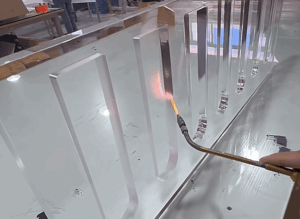

A new client once came to me after trying to anodize their aluminum parts in-house.
The colors were patchy, the coating uneven, and they couldn’t figure out what went wrong.
They needed someone who could cut through the guesswork. Someone who’s done it, fixed it, and delivered real results.
That’s where I come in.
I’ve been running aluminum anodizing lines for years, helping businesses get consistent, professional finishes without the stress. From machine shops to OEMs, they count on us because we get it right the first time.
In this article, I’ll walk you through our anodizing process, step by step.
No fluff, no theory, just what actually works on the shop floor, from degreasing to sealing.
Let’s get started!
Step #1: Surface Preparation
If there’s one step you don’t want to rush, it’s this one. Surface prep might feel routine, but it’s where great anodizing actually begins.
I’ve seen perfectly machined aluminum come out blotchy or streaked just because we skipped a simple rinse or overlooked a fine layer of smut.
Everything that follows depends on how well you start here.
Clean Every Trace of Contamination
- Degrease the Surface: Use an alkaline cleaner to remove oils, fingerprints, and dust from machining or handling. If even a light film is left behind, it can throw off the entire finish.
- Rinse With Deionized Water: After degreasing, rinse thoroughly using deionized water to prevent minerals or residues from clinging to the surface. A visually clean part isn’t enough—it needs to be chemically clean.
Create a Uniform Matte Base
- Etch the Surface: A short dip in sodium hydroxide strips the natural oxide layer and evens out fine scratches. This gives the aluminum a consistent texture that accepts anodizing more uniformly.
- Desmut the Parts: Certain alloys leave behind dark residues after etching—especially those containing copper or silicon. A quick dip in nitric acid removes that layer and leaves a bright, clean surface ready for anodizing.
- Inspect for Flaws: Use neutral lighting and check for dents, smudges, or anything that could show up later. It’s easier to correct issues now than to live with a ruined finish.
Finish the Prep With Care
- Repeat as Needed: If something still looks off—like a smudge, clouding, or tiny scratch—run it back through the prep steps. Hoping it will disappear during anodizing never works out.
- Dry With Compressed Air: Once everything checks out, use filtered compressed air to dry the parts. Towels can leave fibers or micro-scratches, which defeat the purpose of all the prep you just did.
Step #2: Racking the Aluminium
I used to think racking was just a quick setup step: attach the part, dunk it, and move on.
But after a few batches came out with uneven coatings and visible burn marks, I realized how much depends on this one part of the process.
Good racking is more than holding the part in place; it guides how well the anodizing actually takes.
Choose the Right Setup Materials
- Pick the Right Rack Material: Go with titanium or aluminum racks for their solid conductivity and chemical resistance. These materials don’t break down in the tank or contaminate the bath, which keeps your finishes consistent.
- Clamp With Firm Contact Points: A secure, electrically conductive grip is key for even current flow. Always clamp on a non-cosmetic or hidden surface—what seems minor before the process becomes permanent after anodizing.
- Avoid Interfering With Finish Areas: Make sure no clamp pressure touches visible or critical finish zones. Once the anodizing layer forms, clamp marks can’t be repaired or blended out.
Maximize Stability and Flow
- Space Parts Evenly: Leaving enough room between parts keeps the current distribution and chemical circulation balanced. Tight spacing can mess with film thickness and introduce weird discoloration.
- Check for Movement: Before committing the rack to the tank, give each part a quick tap to confirm it’s stable. If anything shifts mid-process, it can cause patchy anodizing or lead to complete rejection of the part.
3. Step #3: Electrolytic Anodizing Process
This is where the real transformation happens.
I still remember the first time I watched a dull piece of aluminum turn into something with a clean, matte finish right in the tank. It felt like magic.
But after running this process day after day, I’ve come to respect how sensitive it is to every little detail, from current levels to bath temperature.
Dial in the Chemistry and Conditions
- Prepare the Electrolyte Bath: Most setups use a sulfuric acid and water mix in precise proportions. It needs to stay clean and circulate properly so that no contaminants interfere with the finish.
- Control the Temperature Carefully: Temperature controls how the oxide layer forms. If the bath runs too warm, the coating turns soft and chalky; too cold, and it grows unevenly or too slowly.
- Set the Correct Current Density: Current must match the surface area of each part. This is what drives the uniform formation of the oxide layer and avoids burning or blotches.
Maintain Control and Consistency
- Monitor Time Closely: Anodizing can take anywhere from 20 to 60 minutes, depending on how thick the coating needs to be. Watch the clock closely—going too long or too short can throw the whole batch off.
- Use Gentle Agitation: Movement in the tank helps remove trapped hydrogen bubbles created during the reaction. Without it, tiny pits can form on the surface and ruin the evenness of the finish.
- Track All Parameters: Logging voltage, current, temperature, and time gives you something to reference for future runs. It’s also the first place to look when troubleshooting unexpected results.
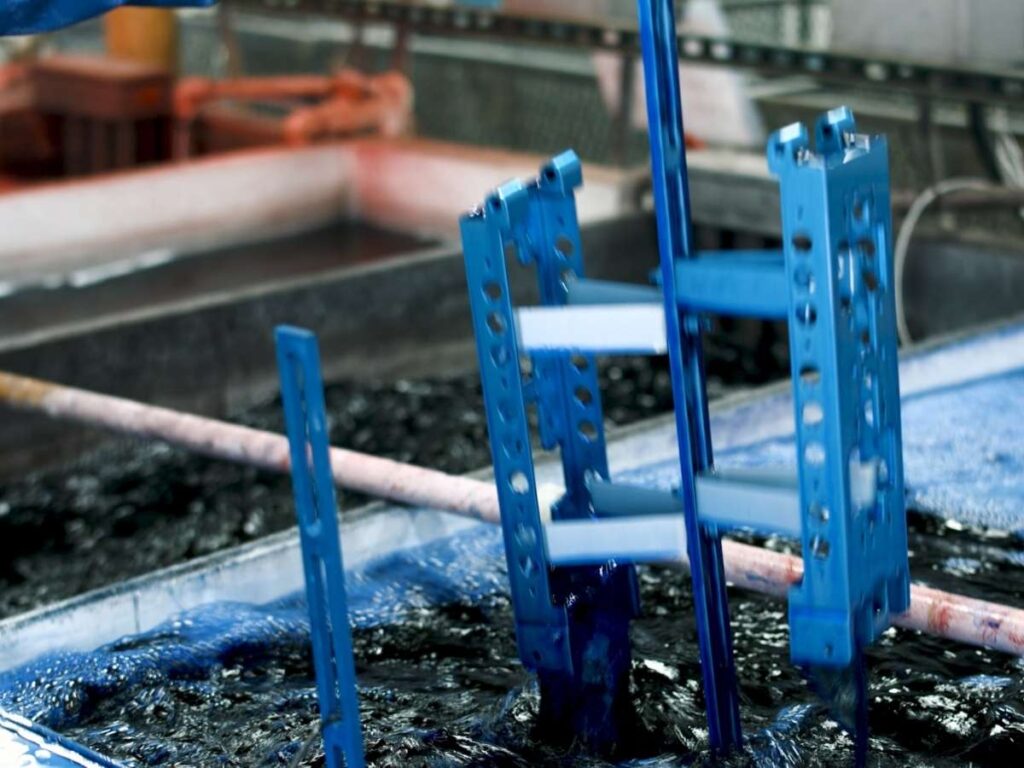
Step #4: Coloring
Adding color to anodized aluminum always feels like the fun part, until it goes wrong. I’ve had parts come out looking perfect one day and completely uneven the next, and that’s when I realized how sensitive this step really is.
When done right, it gives the product a rich, professional look that adds real value.
But coloring is a surface-level process, so it only works well if everything leading up to it was clean and consistent.
Understand Your Coloring Options
- Choose the Right Coloring Method: Organic dyeing, electrolytic coloring, and interference coloring each offer distinct benefits. At MachMaster, the method is selected based on end-use needs, whether that means achieving rich tones, maximizing UV resistance, or meeting strict cosmetic standards.
- Match Finish Expectations to the Process: Not all coloring methods give the same level of control or durability. It helps to know whether you’re prioritizing vibrant appearance, UV resistance, or a natural metallic tone.
Time the Process Just Right
- Prep the Surface Immediately After Anodizing: The pores in anodized aluminum are open and ready to receive dye—but only for a limited time. Waiting too long can lead to uneven penetration or a weak, washed-out look.
- Control Temperature and Time: Color strength depends on how long the part stays in the dye and how hot the bath is. Go too far in either direction and the results shift from rich to blotchy fast.
Keep Conditions Clean and Gentle
- Use Clean, Filtered Dye Baths: Dyes break down with heat and air exposure, which leads to cloudiness or patchy results. Filtering regularly helps maintain clarity and consistency across the batch.
- Rinse Gently After Coloring: Rinse with clean water to remove excess dye sitting on the surface. This avoids color bleeding and keeps the final tone sharp before sealing.

Step #5: Sealing the Anodized Layer
After everything that’s gone into building that anodized layer: cleaning, racking, anodizing, and maybe even coloring, you don’t want to leave it exposed.
I’ve had parts come back looking great on day one, only to show signs of wear after just a few weeks.
That’s when I realized sealing isn’t optional. It’s what gives anodized aluminum its long-term resistance and locks everything in.
Choose the Right Sealing Approach
- Pick the Right Sealing Method: The three most common methods are hot water sealing, nickel acetate sealing, and cold sealing with additives. Each one offers a different balance of durability, energy usage, and cycle time, depending on what the part is meant for.
- Match Method to Production Needs: High-volume jobs might favor cold sealing for speed, while premium finishes often benefit from nickel acetate. The right choice comes down to end-use and how much wear the part will see.
Maintain Stable Bath Conditions
- Use Clean, Controlled Baths: Contaminated sealing tanks or unstable temperatures can cause hazy finishes, streaking, or poor dye retention. A clean, well-managed bath is just as important here as in any other step.
- Keep the Temperature Consistent: Hot water sealing typically requires temperatures near boiling. If it drops even a little during the cycle, the seal can come out soft or incomplete, especially on thicker coatings.
- Monitor Time in the Tank: Time matters—too short and the seal is weak, too long and it can cause overhydration or finish dulling. Stick with the range that fits your chosen method and layer thickness.
Handle Parts With Care and Inspect Early
- Avoid Splashing or Sudden Cooling: Drastic temperature changes or rough handling straight out of the bath can cause staining or stress lines. A calm transfer and gradual drying lead to a cleaner, more even seal.
- Inspect Immediately After Sealing: Check for surface smoothness, even coloring, and any signs of blotching or haze. Finding a problem now gives you a chance to fix it before it becomes a customer complaint.
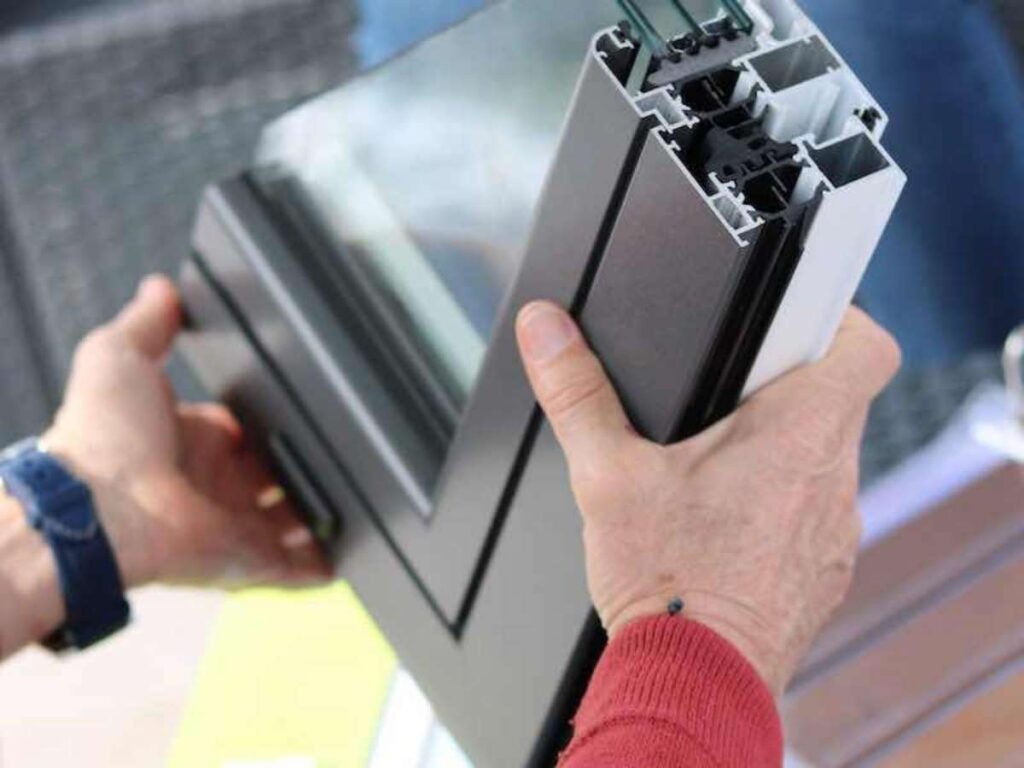
Step #6: Drying and Quality Control
I’ve seen anodized parts that looked perfect right out of the seal bath, only to develop spots or streaks during drying.
That’s when I realized drying isn’t just the last step before packing—it’s part of the quality finish.
If moisture sticks around or quality checks are skipped, problems tend to show up when it’s too late to fix. This step might be short, but it’s still one of the most important moments in the whole process.
Dry With Intention, Not Just Speed
- Use Clean, Filtered Air for Drying: Blow parts off with filtered compressed air to remove moisture without pushing debris into the surface. It keeps things lint-free, reduces spotting, and avoids contamination from towels or cloths.
- Allow Time for Air Cooling: Let parts cool fully in a clean, dry space before stacking or packing. Warm surfaces still holding moisture are more likely to trap cloudiness or develop surface defects after the fact.
Catch Issues Before They Ship
- Inspect the Surface Finish Closely: Watch for water spots, discoloration, or trapped liquid in corners or recessed areas. Even minor flaws often reveal themselves during drying, not during sealing.
- Check for Coating Uniformity: Hold the part under consistent lighting and shift it slightly to catch any thin or uneven spots. At MachMaster, this quick visual check is a standard part of final inspection—especially when coating thickness affects how the part fits, wears, or performs in the field.
- Test for Seal Integrity When Needed: For higher-spec parts, some teams perform abrasion or dye tests to confirm sealing is complete. It’s not necessary every time—but when it is, it gives peace of mind before the part goes out the door.
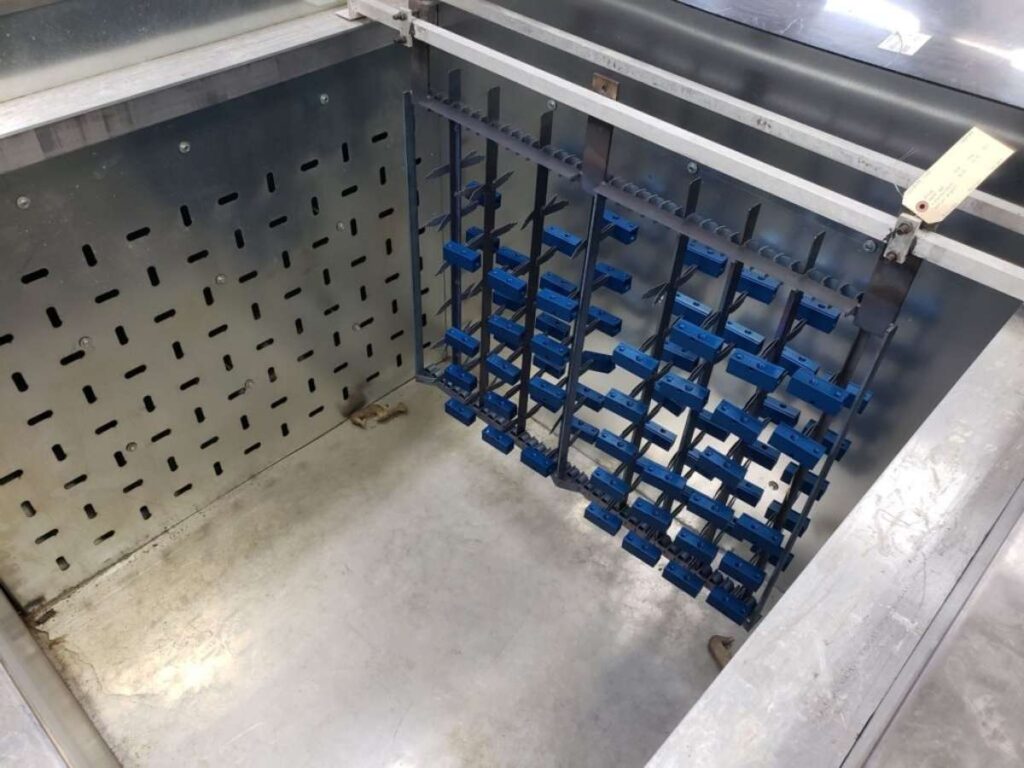
Step #7: Post-Treatment or Finishing
I’ve always believed the final impression of any anodized part is made right here. You can prep it perfectly, anodize it just right, and seal it properly.
But if you skip post-treatment or rush the finishing touches, the whole part can feel incomplete.
Over the years, I’ve picked up some habits that make a big difference, especially when the part is going straight to a customer.
Protect the Surface and Extend Shelf Life
- Apply Protective Coatings If Needed: A light coat of oil, wax, or anti-corrosion spray can help protect parts that are going into storage or shipping conditions that aren’t ideal. It’s a simple step that can prevent early wear or tarnish.
- Remove or Mask Off Contact Marks: If the racking left visible clamp spots, some shops use touch-up paint or localized sealing to help blend those areas. It’s not a perfect fix, but it makes a difference when appearance matters.
Finish for Function and Aesthetics
- Polish or Buff When the Finish Calls for It: Some dyed finishes really come to life with a light polish or buff, especially if they look a little flat after sealing. It also helps soften the chalkiness that can come from thicker coatings.
- Apply Labels, Markings, or Serial Numbers: If your part needs identification, this is the time to laser etch or mark it. Doing this after anodizing keeps the markings clean, sharp, and durable.
Final Touches Before It Leaves the Shop
- Organize and Pack With Care: Use soft dividers, foam, or paper to prevent parts from scratching each other in transit. All the work put into surface quality can be undone quickly without proper packing.
- Document the Final Specs: Record color, finish type, batch number, and any important inspection notes. This makes reordering or troubleshooting much easier down the line.
- Do a Final Hands-On Check: Pick up the part, feel the surface, and give it one last visual check. Sometimes your hands will catch a smudge, dent, or blemish that your eyes missed.
Conclusion
That first rough batch of aluminum?
Now it comes out clean, even, and ready for showtime.
You’ve just walked through every step of the anodizing process, from prep to post-treatment.
So what’s holding you back? Your next breakthrough may be one polished part away.
Contact MachMaster today to get precision anodized parts, built to spec, every time.
More Guides and Tips to Explore
Looking for more diverse service options? Browse through our handpicked selections:
Still haven’t found what you’re looking for? Don’t hesitate to contact us. We’re available around the clock to assist you.