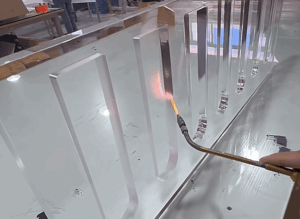

Some finishes look great—right up until they fail.
I’ve been there. What seemed perfect during prototyping didn’t survive six months of real use.
That’s how I learned the difference between anodizing and plating the hard way.
If you’re asking yourself which one is better for your part, your product, your environment—you’re in the right place.
This article will guide you through both finishes in plain, simple terms.
We’ll talk about:
- What anodizing and plating actually do
- How they’re applied
- Where they perform well—and where they don’t
I’ve worked in custom manufacturing for years. I’ve talked with engineers, watched test failures, and helped businesses recover from poor finishing decisions.
So let’s start!
Quick Summary Table
Need a fast answer?
You don’t always have time to read the full breakdown—and that’s okay.
This table gives you a side-by-side look at the key differences between anodizing and plating. It’s based on real use cases, shop-floor experience, and what’s worked (or failed) on actual parts I’ve handled.
Think of this as your shortcut. If you already know your material, this chart might help you decide right here.
| Attribute | Anodizing | Plating |
| Base Metals Supported | Aluminum only | Steel, brass, copper, aluminum (extra prep) |
| Durability | ✓ Strong for aluminum parts | ✓ Varies by coating type |
| Cost | ✓ Cost-effective for aluminum | Higher with precious metals or small runs |
| Appearance | Matte, dyeable | Shiny, bright, more polished |
| Electrical Conductivity | Non-conductive | ✓ Conductive (nickel, gold, copper) |
| Ideal Use Cases | Outdoor gear, aerospace, enclosures | Electronics, jewelry, tools, fasteners |
1. What Is Anodizing?
I used to think anodizing was just a fancy way to make metal look cool.
Turns out, it’s a lot more than that.
If you’re working with aluminum and want a finish that holds up over time, anodizing might be what you need. It’s not paint. It’s not a coating that sits on top. It’s something that becomes part of the metal.
Let’s break it down.
How It Works
Anodizing is an electrochemical process. That means it uses electricity and chemicals to change the surface of a metal.
It’s mainly used on aluminum. Here’s what happens:
- The part is cleaned and dipped into an acid bath
- An electric current is passed through the bath
- This causes the surface of the aluminum to oxidize
Oxidizing just means it forms a layer of aluminum oxide. Normally, metal oxide is something you try to avoid. But in this case, it’s the goal.
This oxide layer gets thicker through anodizing. That’s where the protection comes from.
It’s like giving the metal a tougher skin.
Key Characteristics
So what does that tougher skin actually do?
- It adds hardness
- It helps protect against corrosion
- It doesn’t flake or peel off like paint
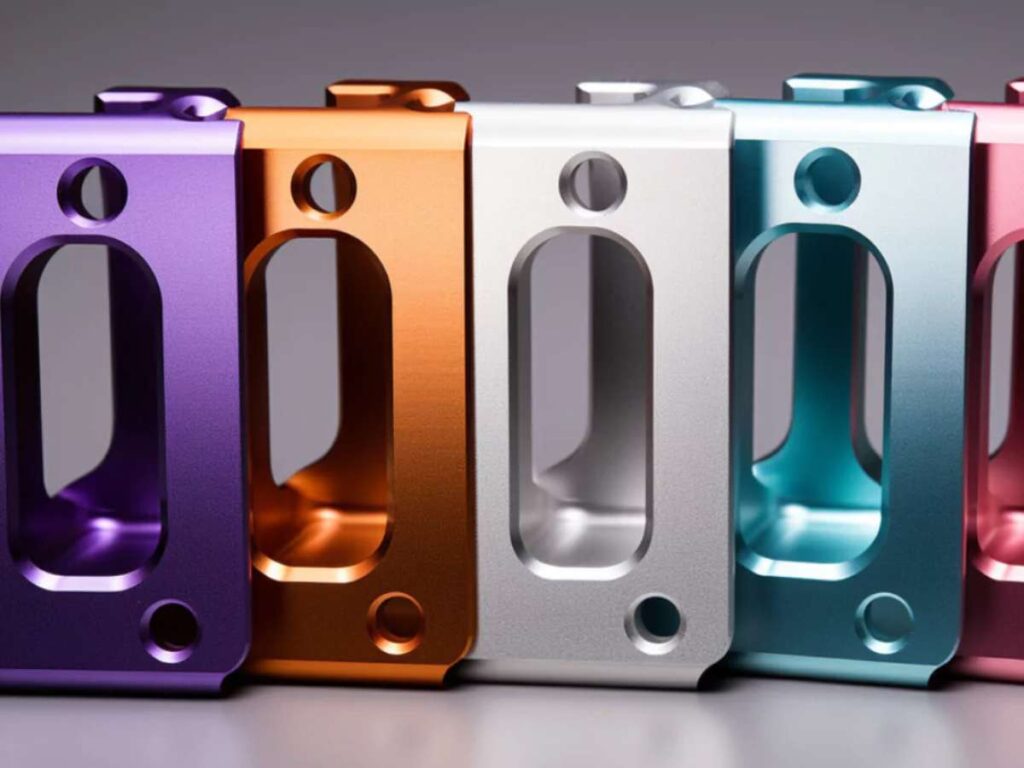
- It’s semi-transparent, so you can add dyes and color it
- It’s non-conductive (won’t carry electricity)
Ever seen colored aluminum phone cases or bike parts? That’s often anodized aluminum.
What surprised me most: how clean the finish looks and how well it holds up under wear.
Anodizing doesn’t just look nice. It helps your parts last longer.
Thinking about a finish that won’t chip or wear away easily? This one might be worth a closer look.
2. What Is Plating?
The first time I used plating on a part, I picked it because it looked good. Chrome finish. Bright. Smooth. I thought that was enough.
But a few months later, I saw something I hadn’t expected: the surface had started to flake. That’s when I realized plating isn’t just about looks—it’s about the right use.
Let’s talk about what plating really is.
How It Works
Plating means coating one metal with another.
You take base metal, like steel or copper, and cover it with something like zinc, nickel, chrome, or even gold.
There are two common ways to do this:
- Chemical plating: No electricity involved. Just a chemical reaction that bonds metal to the surface.
- Electroplating: This uses electricity and a metal-rich solution to coat the part.
Both methods build a thin layer of another metal on top. It doesn’t become part of the base metal—it sticks to it.
Ever see gold-plated jewelry? That’s a thin layer of gold on top of something cheaper inside.
Key Characteristics
Plating works on many materials. That’s one reason it’s so common. You can plate:
- Steel
- Brass
- Copper
- And others
Here’s what it can do:
- Add electrical conductivity (especially with metals like gold or silver)
- Protect from corrosion (zinc plating is good for this)
- Change the look—shiny, matte, dark, light, colored
- But: It can wear off or flake if the part takes a lot of stress
I’ve seen plating fail on outdoor parts exposed to rain. But it held up just fine indoors.
So ask yourself: How will your part be used? Will it be touched, moved, or exposed to weather?
That makes all the difference when picking a finish.
3. Performance Differences
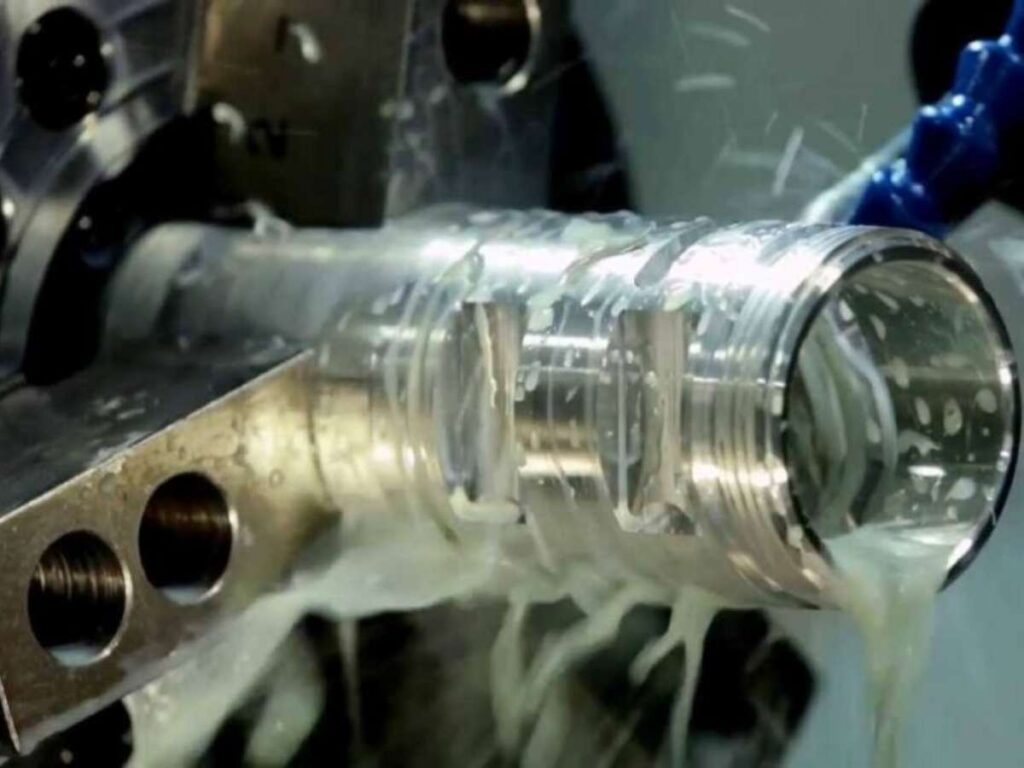
So how do anodizing and plating actually hold up in the real world?
That’s the question I ask every time I need to choose a finish. Looks are one thing. But performance? That’s what really matters—especially if your parts need to survive heat, pressure, or moisture.
Let’s break it down by category.
Corrosion Resistance
If you’re working with aluminum, anodizing is a strong option.
It builds a protective oxide layer that resists rust and weather. That’s why it’s used so often in aerospace. Airplane parts need to handle rain, cold, and altitude—and anodizing helps them last.
Plating works differently. It depends on the metal you use:
- Zinc: great for steel. It sacrifices itself first, slowing down rust.
- Nickel and chrome: mainly for looks, but they offer mild protection too. Think bathroom fixtures and auto trim.
If your part is going outside, this matters. One rainy season can ruin the wrong finish.
Wear Resistance
Hard anodizing can really toughen up a surface.
I’ve used it on parts that needed to slide or rub without breaking down—like hinges or tool frames. It holds up surprisingly well.
Plated parts can be strong too. Chrome and nickel help protect tools, fasteners, and hardware. You’ve probably held a chrome-plated wrench or seen shiny tool handles. That’s not just for show—it adds durability.
Electrical Conductivity
Anodized surfaces won’t carry electricity. That layer is insulating.
Good for things like heat sinks or electronic housings, where you don’t want current going the wrong way.
Plating is the opposite:
- Gold, copper, nickel: all conduct electricity
- That’s why you see plating on circuit boards and electrical connectors
Thermal Conductivity
Anodizing can slow down heat transfer a little. Not always a problem, but worth noting if you’re dealing with heat.
Plating doesn’t change heat flow much—unless you add a thick layer.
So, what matters most to you: rust, wear, electricity, or heat?
That answer can point you to the right finish.
4. Appearance & Aesthetics
Sometimes, performance isn’t the only thing that matters.
Sometimes, you just want the part to look good.
Whether you’re building a product that sits on a shelf or one that gets handled every day, the finish plays a big role. It affects how the part feels, how it reflects light, and how it holds up over time.
Let’s look at how anodizing and plating compare in looks.
Finish Options
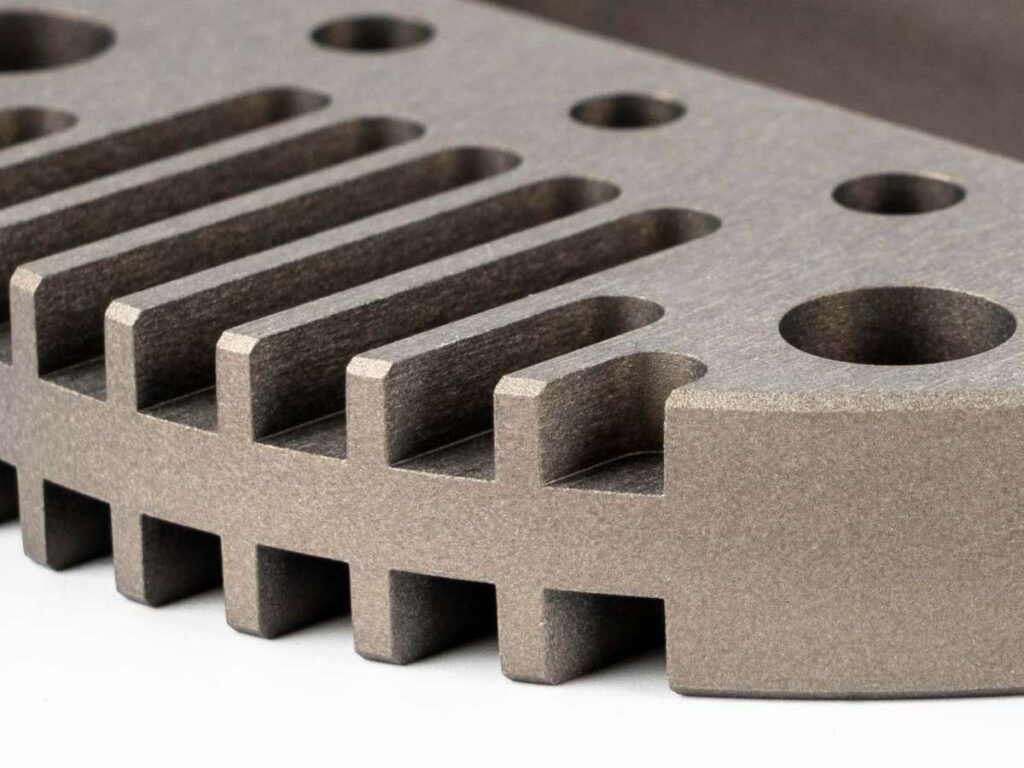
Anodizing gives aluminum a soft, matte or satin look.
It’s subtle. Clean. You’ll often see this kind of finish on camera gear, bike parts, or phone casings.
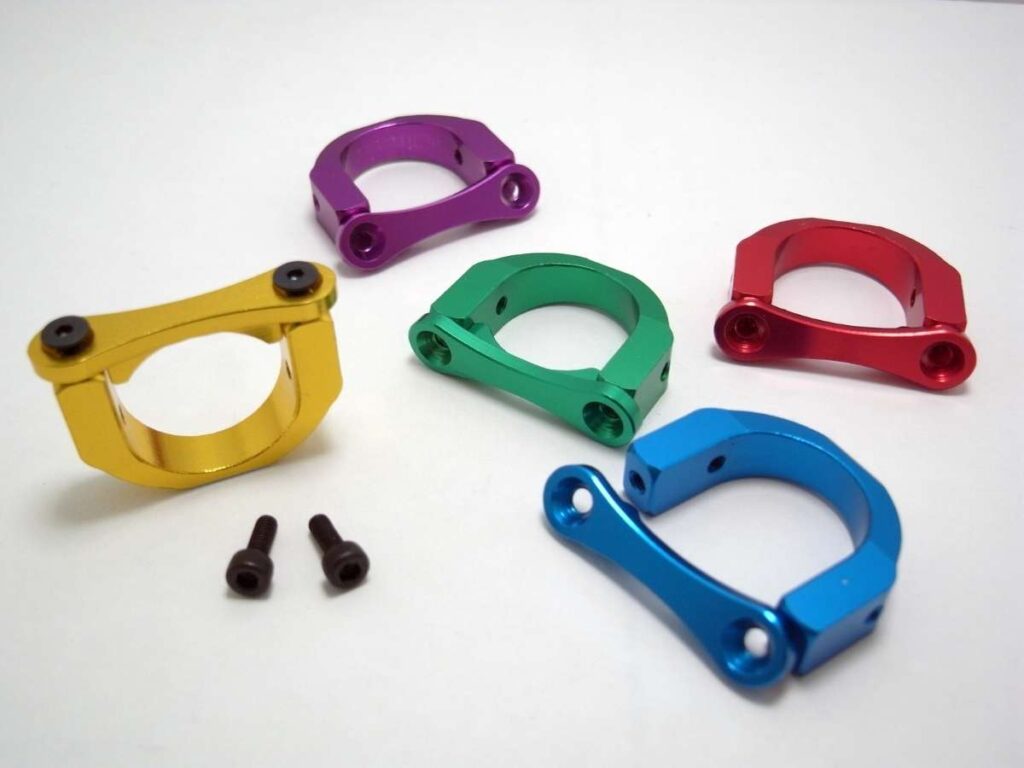
And it can take on color, too. The anodized surface is semi-porous before it’s sealed. That means it can absorb dyes. You’ll find options in:
- Black
- Red
- Blue
- Bronze
- Gray
But here’s the catch: anodizing only works on aluminum. If your part is made from steel or brass, this option is off the table.
Plating, on the other hand, gives you a shinier, more reflective finish. It can look like:
- Chrome
- Silver
- Gold
- Brass
It’s smoother. More mirror-like. A lot of consumer electronics use plating for this reason—it catches the eye.
I’ve used chrome plating on hand tools. The shine makes them look new, even after heavy use.
Color Stability & Fading
Now, how long do those finishes last?
Anodized colors can fade if they’re out in the sun too long.
I had a red anodized part turn pink after months on a rooftop install.
Plated finishes can chip or wear off—especially if the layer is thin. I’ve seen this on door handles and furniture hardware.
So ask yourself:
Will the part be outdoors? Will it be touched often? Does the look need to stay perfect?
Those answers will guide you.
And if you’re a visual thinker, comparing finish samples side by side can make the choice even clearer.
5. Material Compatibility
Before you choose a finish, ask yourself one important question: What material is your part made of?
It sounds basic, but I’ve seen people skip this step and waste time and money on finishes that don’t even stick to the material. I’ve done it myself.
Different finishes work with different metals. Let’s look at how anodizing and plating match up.
Anodizing
Anodizing is specific.
It works only on aluminum and aluminum alloys. That’s it.
Tried it on steel? Won’t work.
Tried it on copper or brass? Same story.
The reason is the chemical process. Anodizing depends on aluminum’s natural ability to form an oxide layer. Other metals don’t react the same way in the acid bath.
If you’re using aluminum, anodizing is a great option. But if you’re not? You’ll need to look elsewhere.
Plating
Plating is more flexible. It can be used on a wider range of base metals.
Here’s what it works on:
- Steel
- Brass
- Copper
- Aluminum (but it needs extra prep steps like zincate treatment)
That makes plating a good choice if you’re working with mixed materials or something besides aluminum.
I once had a batch of brass parts that needed a silver finish. Anodizing wasn’t even a consideration—plating was the only option. It worked well and looked sharp.
But plating aluminum can be tricky. If your part is aluminum and you still want plating, talk to your supplier about extra prep. Skipping it can lead to peeling or bubbling.
So before you choose a finish, double-check your material.
That one detail can save you a lot of headaches later on.
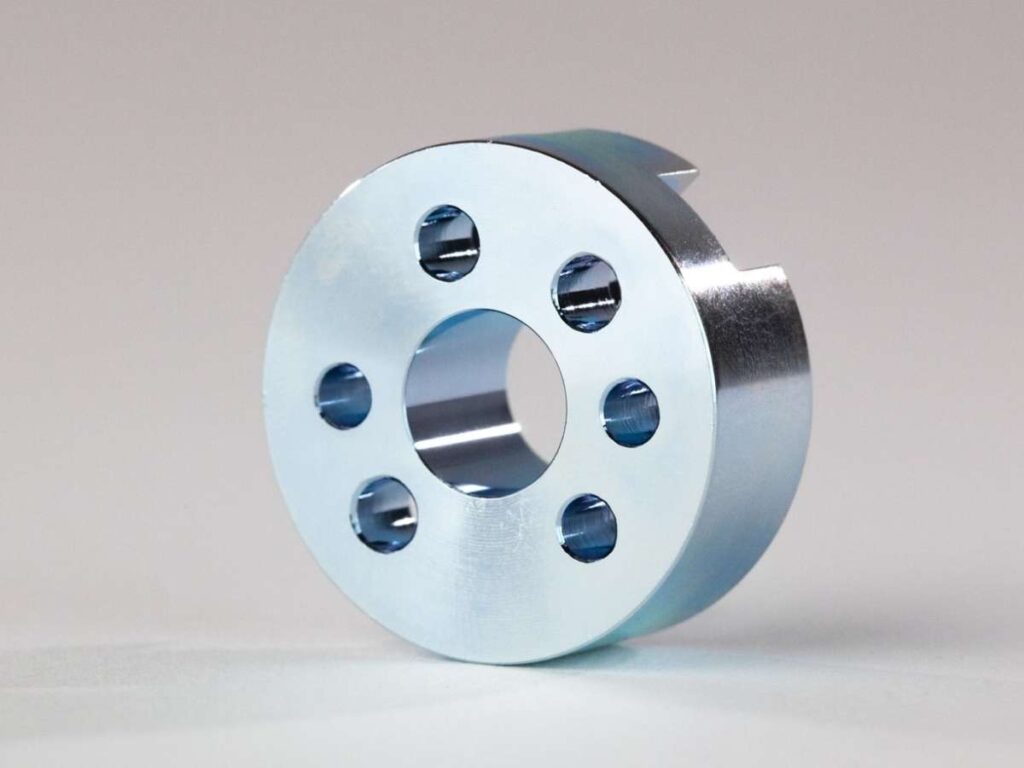
If you’re not sure how your part will react to plating, MachMaster can help you sort it out. We’ve worked with a range of metals and finishing processes, and we’ll guide you through it.
6. Cost Comparison
Let’s be honest: cost matters.
You might love how a finish looks or performs, but if it blows your budget, it’s a problem. I’ve been there—looking at two great options, only to realize one doubles my part cost.
So let’s look at what anodizing and plating actually cost, both up front and in the long run.
Per-Part and Setup Costs
If you’re working with aluminum and making a lot of parts, anodizing is usually more cost-effective.
- Setup is simple
- The process is quick
- Great for batches and production runs
That’s why a lot of aluminum enclosures, brackets, and hardware are anodized—especially in industries like electronics or aerospace.
Plating is a bit more complex.
- Precious metals like gold or silver drive up cost
- Thicker coatings also add to the price
- Small runs? You’ll probably pay more per piece
I once quoted a small batch of nickel-plated steel housings. The per-part cost was almost double compared to anodized aluminum. The customer was shocked and had to rethink their design.
Hidden Costs to Watch
The price on paper isn’t always the full story.
Here are a few extras that can sneak in:
- Masking: If you need certain areas protected from the finish, masking takes time and money
- Racking: Parts must be held carefully during processing—especially for plating
- Rework: Bad adhesion means rejected parts
- Environmental fees: Plating involves hazardous chemicals, which means more rules and potential disposal costs
Low-volume runs usually feel these costs the most. With higher volumes, the cost per part goes down, but only if the process is smooth.
So, what kind of run are you planning? Small batches? High-volume orders? The answer might tip the scale.
Cost isn’t just about dollars. It’s about risk, waste, and long-term value too.
If you want fewer surprises and better results, MachMaster helps manage these hidden costs upfront. Our in-house finishing and quality checks catch problems early, so your parts stay on track.
7. Application Suitability
So, where does each finish actually work best?
I’ve learned this the hard way—choosing a finish based on looks or price, only to find out it wasn’t made for the job. That’s why it helps to match the finish with the real-world use.
Let’s break down where anodizing and plating each shine.
Anodizing: Best For Aluminum Parts
If you’re working with aluminum, anodizing is a solid choice for parts that need:
- Corrosion resistance
- A matte or colored finish
- Lightweight durability
It’s common in:
- Aerospace components
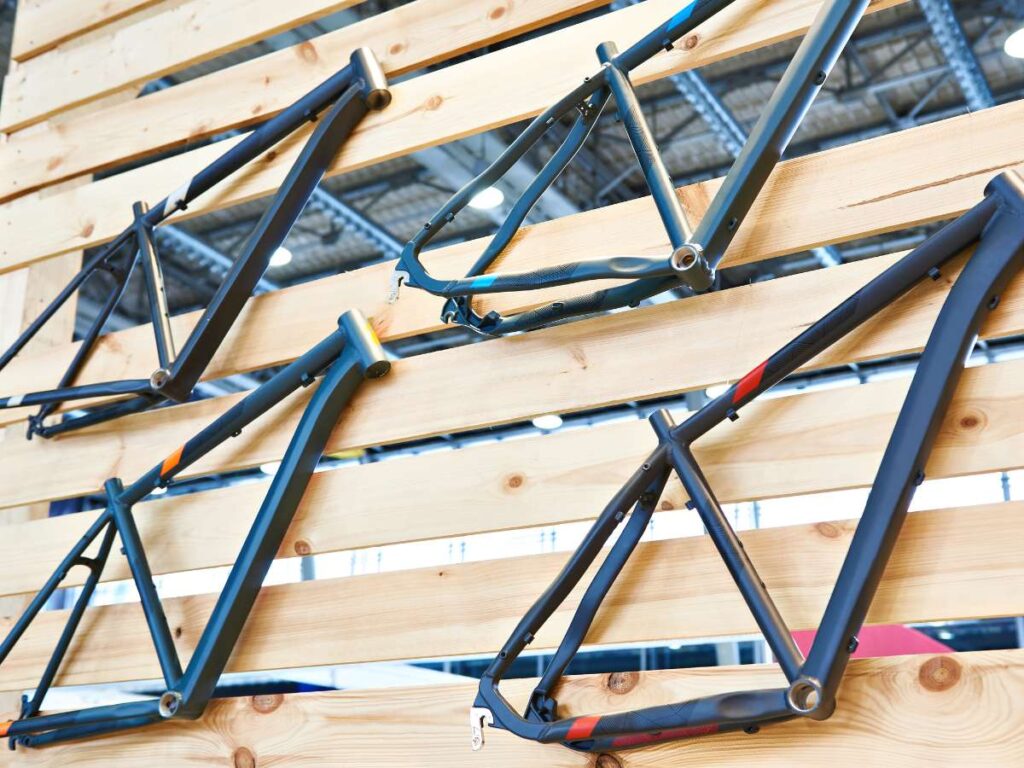
- Bicycle frames and parts
- Phone and laptop housings
- Outdoor gear
I once worked with a bike brand that anodized all its aluminum components. The colors looked great, and the finish held up on trails and rainy rides. For applications like that—where weight and durability both matter—anodizing fits.
Just remember: it’s only for aluminum. If your part is steel or brass, you’ll need a different option.
Plating: Best For Mixed Metals and Aesthetics
Plating gives you more flexibility in materials. It works on:
- Steel
- Copper
- Brass
- Aluminum (with some prep)
It’s often used in:
- Jewelry
- Consumer electronics
- Automotive trim
- Electrical connectors
- Tools and hardware
I’ve used chrome plating on steel fasteners that needed to look polished and resist wear. I’ve also seen gold plating used in electronics where conductivity mattered more than anything else.
So think about what your part will go through. Will it be outside? Will it be touched a lot? Does it need to look shiny and new—or just hold up under stress?
The right finish depends on what your part needs to do and where it needs to last.
8. Environmental & Safety Considerations
Cost and looks matter—but so does impact.
Have you thought about how these processes affect the environment? Or what kind of safety rules come with them?
I didn’t at first. I was focused on price, finish, and delivery time. But then a supplier hit me with extra fees for hazardous waste handling. That was a wake-up call.
Let’s look at what goes on behind the scenes.
Anodizing: Cleaner but Still Chemical
Anodizing is often seen as the cleaner option.
It uses an acid bath and electricity to form the oxide layer of aluminum. There are chemicals involved, but they’re usually less toxic than those used in plating.
Waste from anodizing can include:
- Sulfuric acid
- Rinse water
- Metal sludge
With proper systems in place, this waste can be treated and reused or safely disposed of. Some facilities even recycle the rinse water. But still—there are safety measures and permits involved.
If you’re using a local finisher, it’s worth asking how they handle disposal.
Plating: Higher Risk, Tighter Rules
Plating often involves heavy metals and hazardous chemicals. That’s especially true with:
- Chrome
- Nickel
- Cyanide-based gold or silver plating
These substances can be harmful if not handled carefully. I’ve toured shops that had to follow strict safety protocols—ventilation systems, protective gear, and frequent inspections.
Plating waste may include:
- Toxic rinse water
- Sludge with heavy metals
- Airborne fumes
Disposal can get expensive. And in some areas, it’s heavily regulated. If you’re managing the finishing yourself, you’ll need to follow all the local rules. If you’re outsourcing, make sure the supplier is handling it right.
So, are you working on a product that needs to meet green standards? Or maybe you’re just trying to avoid long-term risk?
Either way, it’s smart to look beyond the finish and into the process behind it.
9. Which One Should You Choose Between Anodizing and Plating?
Still feeling torn?
That’s normal. I’ve been there—looking at two decent options and wondering which one actually fits the job.
The truth is, both anodizing and plating have their place. But they do different things. So the best choice depends on what matters most for your part.
Here’s a way to break it down.
Choose Anodizing if you need:
- A finish for aluminum parts
- Long-lasting corrosion resistance
- A clean, matte or colored look
- A surface that won’t conduct electricity
- A cost-effective option for bulk aluminum production
I’ve used anodizing for outdoor gear parts and lightweight brackets. It’s been reliable every time—especially when looks and strength both mattered.
Choose Plating if you need:
- A shiny or polished finish
- To match a specific look like chrome or gold
- Electrical conductivity
- A finish for steel, copper, or brass
- A coating that works across different materials
Plating helped me solve problems in electronic enclosures where conductivity mattered. I’ve also used it to hit certain design specs like getting a silver look on a brass base.
Ask yourself:
- What material am I working with?
- Will this be touched, handled, or exposed to weather?
- Do I need it to look a certain way or just hold up under pressure?
These answers will point you in the right direction.
There’s no one-size-fits-all finish. But when you look at how your part will be used—and what it needs to survive—you’ll make the right call.
Conclusion
At first, anodizing vs plating seems confusing.
But now you know:
- What each process does
- Where each one works best
- How to weigh cost, looks, and performance
You’ve got everything you need to decide.
The question is: What’s your part made of?
And what’s it up against—weather, wear, heat, or time?
Answer that, and your decision becomes simple.
You’re closer than you think.
Need help choosing? Don’t wait.
Contact us today and let’s walk through it together.