
Aerospace cnc machining is something I’ve spent a lot of time on. Not long ago, I had an aerospace client racing to meet a tight deadline.
One night, they called us in a panic. Their part didn’t pass final checks. It was off by just 0.002 mm. Sounds tiny, right? But in aerospace, that’s enough to stop an entire shipment.
We’ve seen this before. In this industry, even the smallest mistake can lead to huge delays. That’s why we take our work so seriously.
We’ve been in cnc machining for years, helping aerospace companies deal with strict standards, fast timelines, and tough inspections.
If you’re new to aerospace machining, or just want a quick refresher, you’re in the right place.
This guide will walk you through the basics — what machines are used, how accurate parts need to be, which materials matter most, and what certifications to look for.
By the end, you’ll know how to ask smarter questions, spot problems early, and pick the right partner for your work.
Let’s get into it!
1. What is CNC Machining for Aerospace?
Have you ever wondered how airplane parts are made so precise? Or why even a small mistake—just 0.001 mm—can ground an entire jet?
That’s where CNC machining comes in.
CNC stands for Computer Numerical Control. It’s a process that uses pre-programmed software and code to control the movement of tools that cut and shape raw materials. In simple terms, it’s like giving a robot a set of instructions to carve out parts with exact measurements.
For aerospace, CNC machining is used to create parts that are:
- Lightweight
- Strong
- Complex in shape
- Made to exact specifications
In aerospace, precision isn’t a luxury. It’s the standard.
Planes and spacecraft operate under extreme stress—high speed, temperature swings, vibration. If one part fails, the results can be tragic. That’s why every piece must meet very tight tolerances (small margins of error).
CNC machines are great at this because they:
- Repeat the same shape or cut over and over
- Produce clean, smooth finishes
- Work with tough metals like titanium or Inconel
- Cut complex shapes that are impossible to make by hand
When I first worked with a 5-axis CNC machine cutting an impeller for a jet engine, the way the tool moved from angle to angle felt like watching a choreographed dance. Every motion mattered. Each pass of the cutter was part of a bigger plan.
2. Benefits of CNC Machining for Aerospace Applications
Why do so many aerospace companies use CNC machining? What makes it different from other methods like casting or forging?
Let me walk you through what we’ve seen on the shop floor—and what matters most in real-world projects.
Promotes Unmatched Precision
In aerospace, small errors aren’t small.
We once worked on a component where the flatness had to stay within 0.005 mm across a 200 mm part. Manual processes couldn’t hit that. But with our 5-axis CNC machine and careful toolpath planning, we got it right.
CNC machining can hold tolerances as tight as ±0.001 mm depending on the material and setup.
That level of precision is key when you’re making:
- Engine parts
- Structural brackets
- Turbine blades
- Housing for electronics
Consistency in Mass Production
Aerospace doesn’t forgive inconsistency. One housing out of spec can delay an entire build. I still remember a job where we produced 300 matching sensor mounts. The quality inspector ran a spot-check batch and walked back in saying, “I can’t tell which one came first.” That’s what CNC offers—repeatable, predictable parts without second-guessing. It’s the kind of thing that turns first-time customers into long-term partners.
Works With High-Performance Materials
Aerospace demands strong, heat-resistant materials. That includes:
- Titanium: Strong and light, but tough to machine
- Inconel: Resists heat and corrosion
- Aluminum alloys: Good for light structural parts
- Stainless steel: Used in high-load areas
CNC machining can handle all of these with the right setup. We’ve had to adjust feeds, speeds, and coolant strategies many times, especially with Inconel. It’s tricky, but manageable with experience.
Faster Prototyping and Iteration
Speed matters. A few months ago, we turned around a prototype bracket in 3 days—something that would have taken 2+ weeks with other methods.
CNC allows:
- Quick changes to digital designs
- Faster tooling setup compared to casting or stamping
- Short lead times from design to finished part
This is ideal if you’re testing new designs or working under tight delivery schedules.
From rapid prototyping to mission-critical production, CNC machining gives aerospace teams the precision, repeatability, and speed they need—when failure isn’t an option.
3. Materials Used in Aerospace CNC Machining
Material choice in aerospace is serious. I’ve worked on parts that ended up in orbit, others that landed in high-performance jets. These parts don’t get second chances. If a material fails, everything fails with it.
Common Metals in Aerospace CNC Machining
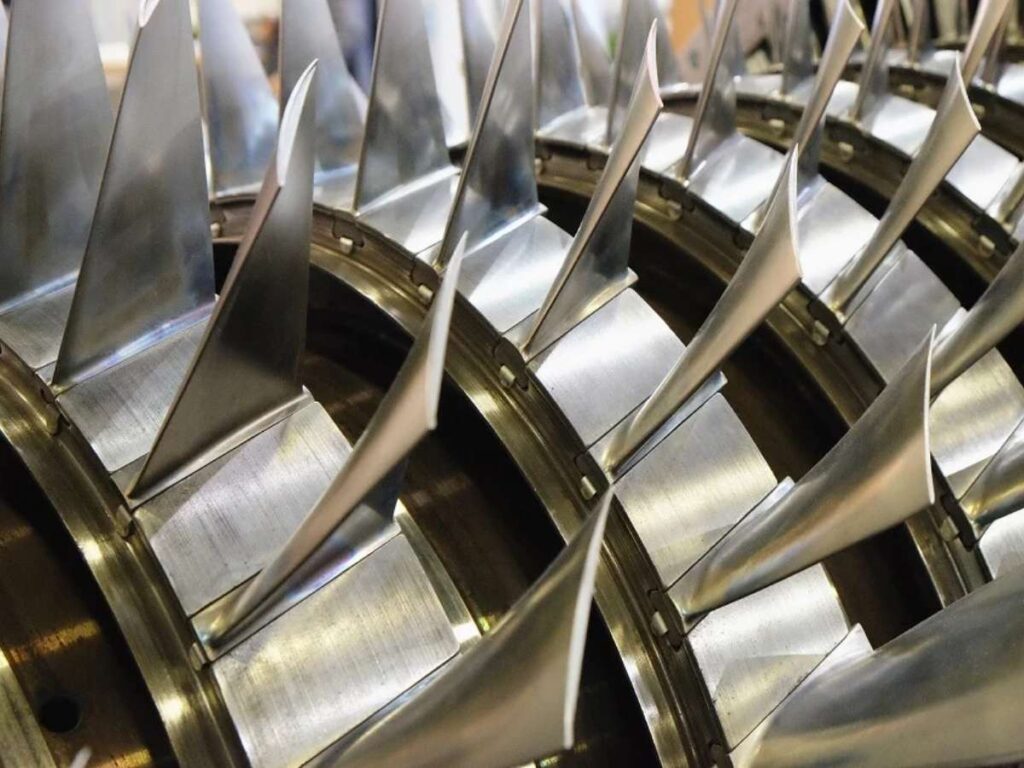
- Aluminum: Lightweight and easy to machine. I’ve cut hundreds of aluminum brackets and panels. It’s forgiving and fast, and still holds precision when the job calls for it.
- Titanium: Strong, heat-tolerant, and resistant to corrosion. The first time I cut titanium, the tool wore out halfway through the job. But the part held perfect form under pressure. It’s worth the challenge when the design demands durability and low weight.
- Stainless Steel: Durable and corrosion-resistant. I’ve used stainless for everything from fittings to support components. It’s heavier than aluminum, so I tend to use it only when strength can’t be compromised. It machines slower, but it delivers where it counts.
- Inconel: A high-performance nickel alloy that keeps its strength under extreme heat. The heat buildup was intense, but it was the only material that could survive the temperatures the client needed.
Plastics and Composites in Aerospace CNC Machining
Some people don’t expect plastic in aerospace, but I’ve machined parts from high-performance polymers that held up better than metal in the right conditions.
- PEEK (Polyetheretherketone): Great for electrical insulation and chemical resistance. It machined clean, didn’t warp, and held up under heat during testing.
- Ultem (Polyetherimide): Strong, stable, and reliable at high temperatures. It handled the pressure better than I expected. Lightweight, but solid where it mattered.
Every material tells a story once it’s on the machine. Some are easy to work with. Others test patience. I’ve had to adjust my feed rates, switch tools mid-run, and rethink toolpaths more than a few times.
- Titanium: needs slower speeds and sharper tools
- Inconel: builds heat fast, coolant is a must
- PEEK: chips nicely, but can melt if rushed
It’s not just cutting—it’s problem-solving. And when that final part fits, looks clean, and passes inspection, it’s always worth the effort.
4. Aerospace Parts Made with CNC Machining
When I walk through the shop and see a new aerospace drawing, I immediately start thinking about how the part will behave in real-world conditions—vibration, heat, pressure, weight.
Below are some of the most common types of aerospace parts made with CNC machining—along with a few notes from my experience on what makes them challenging or interesting.
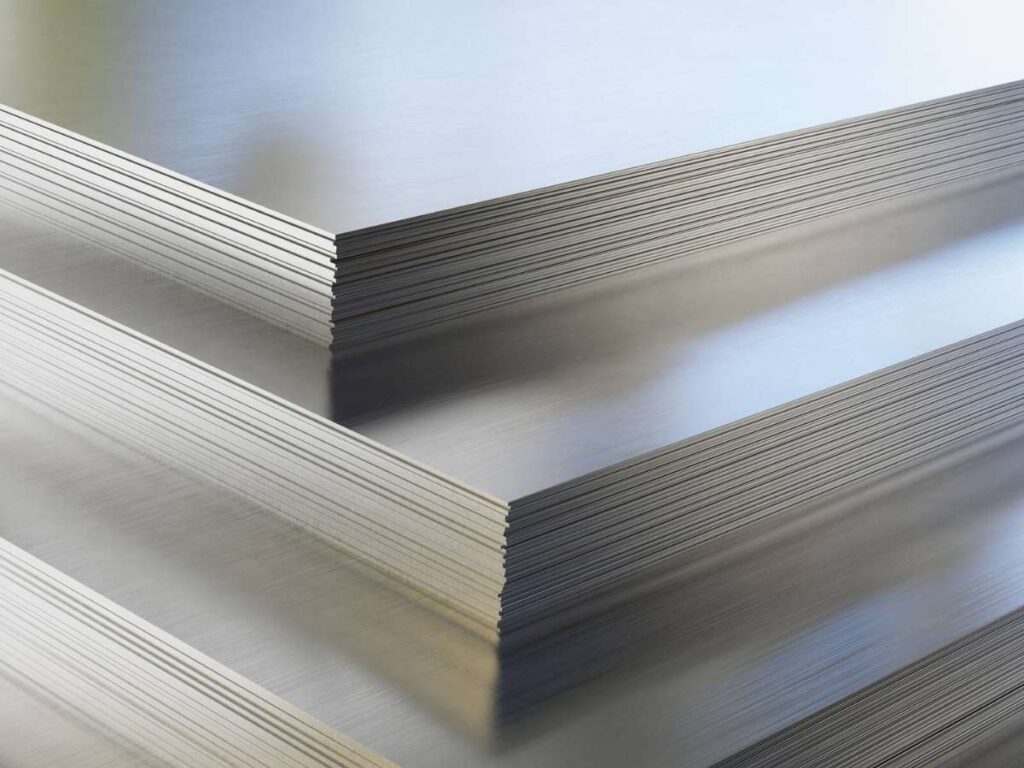
Engine Components
These include housings, mounts, compressor cases, and heat shields. I once machined an engine mounting bracket from titanium that had 5-axis features and threaded inserts. The material was rough on tools, but the part passed inspection in one go. In engines, the stakes are high—everything has to be strong, light, and exact.
Landing Gear Parts
Covers axles, bushings, supports, and linkages. These components require high-strength materials and precise machining to handle load impact and structural stress during landing.
Structural Elements
Includes ribs, braces, brackets, and joints. These components are typically machined from lightweight metals such as aluminum and contribute to the aircraft’s frame and load-bearing integrity.
Cockpit and Control System Parts
Consists of control panels, housing brackets, switch covers, and mechanical linkages. These parts must be dimensionally accurate and compatible with electronic systems and user interfaces.
Satellite and Spacecraft Components
Includes thermal housings, mounting frames, and antenna brackets. These components must be lightweight, highly stable, and able to withstand vibration and temperature extremes.
Interior and Cabin Parts
From tray tables to seat frame brackets, some interior parts are CNC machined for strength, consistency, and safety. I’ve done seat support arms from aluminum that had to be smooth enough for assembly, yet tough enough to pass safety standards. It’s always satisfying to know your work ends up in places people use every day.
Whether it’s deep inside an engine or right under a passenger’s seat, CNC-machined aerospace parts are built to perform where precision, safety, and reliability are non-negotiable.

5. Quality Standards and Certifications in Aerospace CNC Work
Certifications in aerospace CNC machining aren’t just checkboxes—they’re commitments. They show that a shop has systems in place to do things right, every time.
Here are some standards and certifications to check:
AS9100
AS9100 is the gold standard for aerospace manufacturers. It’s built on ISO 9001 but goes deeper into areas like traceability, risk management, and process control. For CNC shops, this means having strict documentation on how every part is made—from raw material selection to final inspection.
ISO 9001
ISO 9001 is a general quality management system, but still highly relevant in aerospace. It defines how companies handle everything from customer feedback to quality audits. Even though it doesn’t go as deep as AS9100, it’s often the first step a machine shop takes toward building a structured and reliable workflow.
ITAR (International Traffic in Arms Regulations)
ITAR is a U.S. regulation that controls how defense-related parts and technical data are handled. Any supplier working on military or space projects must register with ITAR and follow strict rules on who can access certain files, drawings, or parts. It’s about protecting national security.
NADCAP (National Aerospace and Defense Contractors Accreditation Program)
NADCAP focuses on special aerospace processes like heat treating, chemical finishing, and non-destructive testing. It’s often required for subcontractors doing these specific tasks, even if the main CNC shop doesn’t hold it directly. Many aerospace suppliers work closely with NADCAP-accredited partners for certified secondary operations. It’s a mark of process quality and adds another layer of reliability to the final part.
In aerospace CNC machining, certifications aren’t extras—they’re proof that the shop can deliver precision, accountability, and trust at every stage of production.
6. Challenges and Limitations of CNC Machining for Aerospace
Even with high-precision tools and well-trained teams, CNC machining in aerospace presents specific challenges. Below is a breakdown of common limitations—and what can be done to overcome them.
| Challenge | Explanation | Solution |
| Difficult Materials | Aerospace parts often use tough metals like titanium, Inconel, or stainless steel. These generate heat, wear tools fast, and require slower speeds. | Use high-quality carbide or coated tools. Apply proper cooling methods. Set conservative speeds and feeds based on real machining tests. |
| Tight Tolerances and Setup Time | Tolerances as tight as ±0.0005” demand careful setups and custom fixturing. Getting one part right can take hours. | Allow time for fixturing and probing. Use precision workholding, CMMs, and dry runs to check alignment before machining begins. |
| Complex Geometry | Aerospace designs often include undercuts, thin walls, and curved surfaces that can’t be machined in one pass. | Use multi-axis machines, simulation software, and toolpath planning. Choose tools designed for access and stability in hard-to-reach features. |
| Cost and Efficiency Trade-Offs | Precision machining increases cycle time, inspection needs, and tool changes—all of which raise costs. | Use real-time job tracking and process optimization to reduce waste. Plan tool changes and inspection stages into the schedule. |
| Inspection and Documentation Requirements | Aerospace requires strict traceability, part reports, and quality records. Missed documentation can delay or void production. | Implement digital part tracking and integrate QA with production. Train staff to complete documentation as they go—not after. |
| Tool Life Management | Hard materials and long run times lead to frequent tool wear. Unexpected tool failure can damage parts or delay production. | Monitor tool wear in real time using sensors or tool life tracking software. Build in planned tool changes during programming. |
| Thermal Expansion and Distortion | Aerospace parts with tight tolerances can shift from heat buildup during cutting—especially on long or thin parts. | Use proper coolant strategies. Control machining environment temperature. Break up long passes to reduce heat buildup. |
| Machine Availability and Scheduling | Aerospace jobs take longer due to setup and inspection, which can create backlog on busy machines and delay delivery. | Use detailed scheduling software. Reserve machine time for critical jobs in advance. Keep backup capacity where possible for high-priority aerospace projects. |
By understanding these challenges early—before programming or production begins, it can avoid costly mistakes and deliver aerospace parts that meet both spec and schedule.
7. How To Choose the Right CNC Partner for Aerospace Work
Finding a CNC service provider is easy. Finding one that understands aerospace? That’s the hard part.
Aerospace work isn’t about making parts quickly—it’s about making them right the first time, with full traceability and zero surprises. Here are key points to consider when evaluating a CNC partner for aerospace parts:
Aerospace Experience Matters
Not all precision parts are aerospace parts. Cutting a bracket for a drone isn’t the same as machining a component that has to survive launch vibration.
I remember the first time we machined an Inconel flange for a jet engine test rig. We ran simulations, dry fits, even logged ambient temperature in the shop. It took longer—but it passed inspection with zero revisions. The right partner knows those details matter.
Material and Machine Capability
Not all service providers are equipped to handle aerospace materials like titanium, Inconel, or PEEK. The right partner should have the tools, skills, and equipment needed to machine high-performance alloys and plastics.
Also look for multi-axis machining, part simulation software, and inspection equipment like CMMs.
In-Process Inspection and Documentation
A good CNC partner doesn’t leave inspection until the end. In-process checks, first article inspections (FAI), and clear documentation should be built into the workflow.
If a provider struggles with traceability or can’t generate inspection reports or certs, it may delay approval and final delivery.
Communication and Responsiveness
In aerospace work, poor communication creates delays. The right partner keeps things clear—updates, timelines, and any changes in scope. Early alerts help avoid surprises, and realistic lead times support planning. A responsive partner builds confidence and keeps projects on schedule.
At MachMaster, they may not serve the aerospace sector, but that same level of clear, timely communication is at the core of how they work.
Conclusion
Remember that call we got about the 0.002 mm error? In aerospace, small mistakes cause big problems.
Now you know what machines, materials, precision, and certifications matter. That’s the edge you need.
Now it’s your move.
What’s one change you’ll make to improve your next CNC order?
MachMaster builds with the same care—even if it’s not about flying.
More Guides and Tips to Explore
Not quite what you’re looking for? Explore our wider product range for more choices:
Still haven’t found what you’re looking for? Don’t hesitate to contact us. We’re available around the clock to assist you.