
As a shop owner in the metal trade, I’ve had clients ask for everything, from car parts to machine brackets to tech frames. Over the past few years, one item started coming up more often: keyboard housings made with CNC.
That shift got me thinking. Why are more businesses and buyers willing to pay extra for these cases?
I’ve cut, handled, and tested these parts myself. I’ve seen what works and what wears out. This review is based on real use, not guesses or marketing.
Here’s what you’ll get from this article:
- A breakdown of what CNC manufacturing means for keyboard cases
- How they compare to cheaper alternatives
- Clear signs to help you decide if the cost fits your goals
Let’s take a closer look!
1. What Is a CNC Keyboard Case
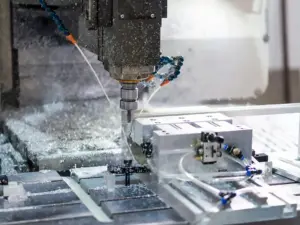
CNC stands for Computer Numerical Control. It’s a manufacturing method that uses computer-guided machines to shape solid materials. In keyboard production, this means turning a solid block—usually aluminum—into a finished case.
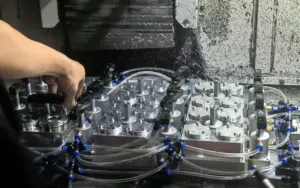
The machine follows a digital design file. Every cut, hole, and edge is shaped with high accuracy. Nothing is pressed or molded. The case is built by removing material, layer by layer, until the form is complete.
At MachMaster, we use CNC machining to build keyboard cases from solid metal blocks. Each case is:
- Shaped to match exact keyboard layouts
- Consistent in size, thickness, and finish
- Strong enough to handle long-term use
- Clean in appearance, with no seams or thin areas
Why It’s Different
This process stands apart from other methods like plastic molding or casting. Those use pre-made forms. CNC doesn’t. With CNC, you get:
- A single-piece frame
- No weak points or joints
- Smooth edges and clean surfaces
- Higher tolerance for daily wear and pressure

2. Why CNC Keyboard Cases Are Worth It
Choosing a CNC keyboard case isn’t just about looks—it’s about performance, value, and long-term use.
If you’re responsible for product sourcing or production decisions, you know what poor-quality materials can cost your business. CNC cases help reduce that risk by offering more consistency, better structure, and fewer quality issues.
Built for Long-Term Use
CNC cases are milled from solid blocks of metal. That gives them:
- Stronger walls and corners
- A tighter hold on internal parts
- Better resistance to cracking or bending
Unlike plastic or cast options, these won’t wear out as quickly under repeated pressure or heat. You get a keyboard housing that holds up in real work environments—factory floors, office desks, design labs.
Higher Fit Accuracy
When you’re dealing with hundreds or thousands of units, alignment matters. Poor fits cost time, money, and reputation.
With CNC, every screw hole, mount, and edge follows the same file. That means:
- Less adjustment during assembly
- Fewer returns or complaints
- Smooth compatibility with PCBs, plates, and stabilizers
Clean Surface Quality
If appearance matters in your product line or brand image, CNC machining gives you the kind of finish that speaks for itself.
Machined surfaces:
- Feel smooth to the touch
- Look uniform across batches
- Can be polished, anodized, or bead-blasted based on your design
You’re not dealing with dips, sink marks, or surface flaws like you do in molded parts.
A Better Typing Feel
This often gets overlooked, but it matters—especially if your customers care about user experience.
Heavier CNC cases:
- Stay planted on the desk
- Don’t shift during use
- Help absorb vibrations and typing noise
This leads to a more stable feel, whether you’re building for speed or comfort.

3. CNC Keyboard Case Benefits
If you’re deciding whether CNC keyboard cases fit into your product line or sourcing strategy, it helps to see the core benefits laid out clearly. These aren’t just features—they’re business advantages that affect cost, performance, and user satisfaction.
Here’s what CNC machining brings to the table:
Strength and Lifespan
CNC cases are made from solid metal. This gives them:
- More strength at stress points
- Resistance to cracking, bending, or warping
- A longer life span, especially in rough or high-use settings
If your keyboard ends up in factories, design labs, or busy offices, this makes a difference.
Clean, Consistent Fit
Each CNC case is shaped by machine, using the same digital design every time.
This gives you:
- Fewer alignment problems
- Consistent mounting positions for internal parts
- Faster, more accurate assembly
That means less time fixing mistakes—and fewer support calls down the line.
Surface Quality
The outer finish of a CNC case feels smooth and clean. That matters when your product is meant to reflect quality.
CNC gives you:
- Brushed, polished, or matte options
- Even surfaces with no injection marks
- A professional, finished look
Whether you’re building a brand or delivering custom builds, this adds to the final product.
Better Weight Balance
Heavier builds don’t just feel nice—they work better.
With CNC:
- The case stays planted during use
- There’s less movement or shifting
- It absorbs sound and typing shock
This leads to a quieter, more stable experience. Good for personal builds. Even better for commercial environments.

4. Common Materials Used in CNC Keyboard Cases
When it comes to CNC keyboard cases, the material you choose affects cost, weight, surface feel, and long-term use.
At MachMaster, we work with a range of materials—each, each one chosen based on what the end user or product line needs. Whether you’re sourcing for large runs or building a limited edition, it’s important to match the material to the use case.
Here’s a breakdown of the most common ones:
Aluminum (6063, 5052)
- Lightweight but strong
- Easy to finish (anodized, polished, bead-blasted)
- Resistant to corrosion
- Cost-effective for both large and small batches
Stainless Steel
- More resistant to dents and scratches
- Adds serious weight and stability
- Higher cost
- Slower to machine
Brass
- Very heavy
- Warm tone, both in look and sound
- Tarnishes naturally over time (can be polished)
- Adds a distinct typing feel
Titanium (less common)
- Very high material and machining cost
- Difficult to process
- Used only in small-batch or experimental cases
Polycarbonate (CNC-cut version)
- Softer and lighter
- Can show machining marks
- Not as strong as metal, but offers a different look and feel
Choosing the right material depends on your goals. Aluminum works for most standard and custom builds. Steel and brass offer more weight and presence. For specialized runs, polycarbonate or titanium may have a place—but come with tradeoffs.
5. CNC vs. Molded Keyboard Cases
If you’re choosing between CNC and molded keyboard cases, it’s important to see how they perform side by side.
Both have their place, but they offer different results in terms of strength, precision, and overall value.
Here’s a clear comparison to help you decide which one fits your needs best:
| Category | CNC Keyboard Cases | Molded Keyboard Cases |
| Manufacturing Method | Machined from solid metal using computer-controlled tools | Made by injecting plastic or molten metal into a mold |
| Material Options | Aluminum, steel, brass, titanium, polycarbonate | Mostly plastic or low-grade metal alloys |
| Surface Finish | Smooth, clean, consistent finish; supports polishing, anodizing | May have seam lines, sink marks, or surface defects |
| Precision | High tolerance and tight alignment | Lower accuracy; variation possible between batches |
| Strength | Rigid and durable; strong under daily use | May flex, crack, or wear down faster |
| Weight | Heavier, more stable on desk | Lighter; may shift during use |
| Design Flexibility | Easy to support custom or complex layouts | Tooling limits layout changes; expensive to retool |
| Upfront Cost | Higher due to material and machine time | Lower for large-volume production |
| Unit Cost (High Volume) | Moderate to high depending on material | Very low for large batches |
| Production Time | Slower per unit; suitable for short or mid-size runs | Fast once the mold is made |
| Best Use Case | Premium products, industrial or brand-focused builds | Entry-level products, high-volume consumer runs |
6. Tips for Choosing the Right CNC Case Supplier
Choosing the right CNC supplier doesn’t just affect the finish of your keyboard case—it affects your lead times, margins, and customer satisfaction.
A reliable supplier helps you avoid delays, product defects, and hidden costs. If you’re sourcing for a business or managing production, these tips can help you find the right fit the first time.
Ask About Their Process
Start with how they work.
- Do they use in-house machining or outsource?
- What equipment do they use? (Older machines can affect finish and accuracy.)
- Do they have experience with keyboard parts or similar high-detail products?
A supplier who understands keyboard layouts will catch issues earlier and produce better results.
Check Sample Quality
Before placing a full order, ask for samples. Examine:
- Surface finish
- Mounting accuracy
- Threaded holes and edge sharpness
- Fit with your PCB and plate
If possible, test a full build. Poor sample quality often gets worse in production.
Review Their Material Options
Different builds need different materials. Make sure your supplier can work with:
- Aluminum (most common)
- Brass or stainless steel (if needed)
- Other custom requests (polycarbonate, titanium)
Suppliers that offer clear choices and explain each one usually know what they’re doing.
Discuss Tolerances and QC
Precision matters in keyboard builds. Make sure they:
- Follow specific tolerance ranges (typically ±0.1 mm or better)
- Use a clear quality control checklist
- Handle visual checks before packing
Even small alignment errors can cause assembly issues. A strong QC process helps avoid this.

Conclusion
That first CNC case I made? It’s still in use, 5 years later. No cracks. No rattles. Just solid performance.
In this article, you’ve seen what CNC keyboard cases are, how they’re made, and why they stand out. You’ve compared them with molded cases, learned about materials, and picked up supplier tips.
If you’re building serious products, CNC is worth looking into. It holds up, looks clean, and supports long-term use.
So, what’s your next step?
Contact MachMaster today. We’ll help you build something that lasts.