
Ever stood in a factory and stared at a giant CNC machine, wondering, “Who needs something this big?”
I remember the first time I did. I was in a shop full of huge metal parts, feeling a little lost and honestly a bit embarrassed to ask.
Over the years, I’ve talked with factory owners, engineers, and even students working on school projects. I’ve seen how knowing which industries use these machines helps people avoid costly mistakes and plan better.
You’re probably here because you want a clear, simple look at who really uses large CNC machining, no fancy talk, just straight answers.
In this article, I’ll walk you through 8 industries that count on these machines to keep their work moving.
By the end, you’ll have the basics down, so you can feel more confident making decisions for your business, designs, buys, or even your next big idea.
Let’s dive in!
Quick Guide
Here’s a quick snapshot before we dive deeper. This guide gives you a glimpse of how each industry uses large CNC machining at scale.
| Industry | Why CNC Machining is Needed | Common Large Parts Involved |
| Aerospace | Demands high precision, tight tolerances, and lightweight strength | Wing spars, engine casings, landing gear components |
| Automotive | Needs consistent, repeatable machining for moving parts | Engine blocks, chassis frames, transmission housings |
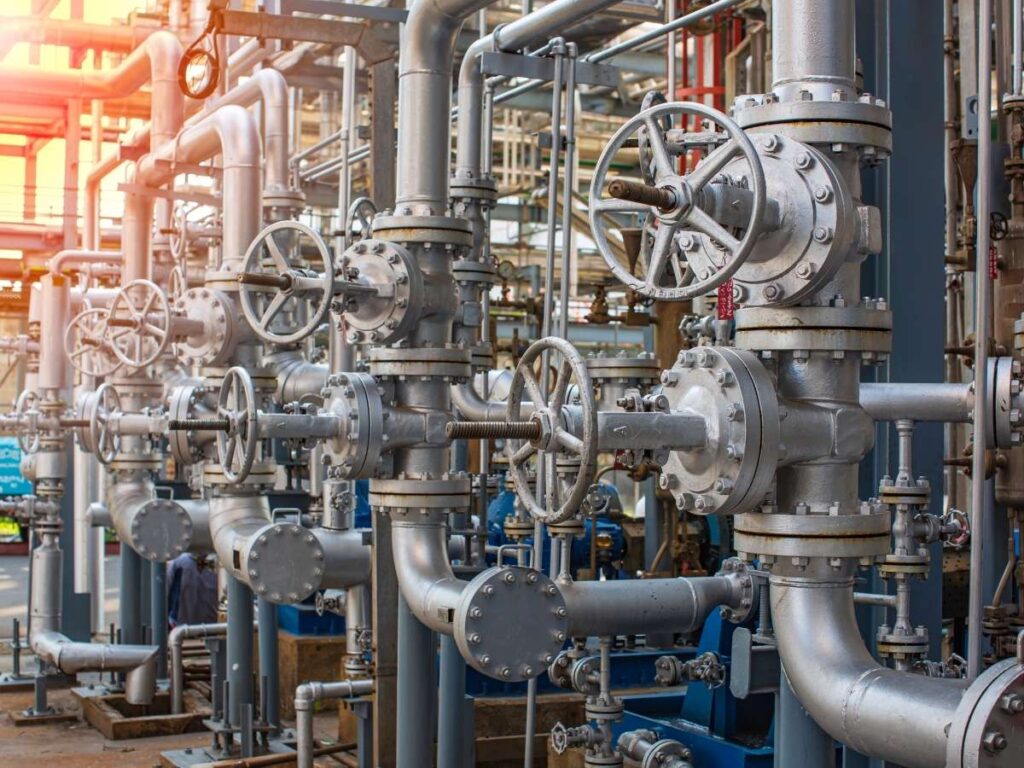
| Oil and Gas | Handles high pressure, corrosion, and heavy part sizes | Valve bodies, pump housings, drill heads |
| Agriculture | Requires heavy-duty, field-ready components for harsh outdoor use | Axle supports, hydraulic housings, gearbox mounts |
| Defense & Military | Operates under strict standards and mission-critical requirements | Armor panels, radar mounts, weapon system brackets |
| Marine | Faces saltwater corrosion and heavy mechanical stress | Propeller shafts, rudder stocks, engine mounts |
| Railway | Needs structural stability, precision alignment, and long-term durability | Bogies, couplers, brake discs, axle housings |
| Mining | Involves high-impact, abrasive environments and oversized components | Crusher frames, drill rig bases, excavator mounts |
Now that you’ve seen the big picture, let’s break down each industry one by one in the next sections.
1. Aerospace Industry
In aerospace, you deal with parts that are big, complex, and built to survive extreme conditions. Whether it’s for an aircraft, helicopter, or spacecraft, you need components that can handle heavy loads, high speeds, and wild temperature shifts all at once.
That’s where large CNC machining comes in. It gives you tight tolerances, repeatable accuracy, and stable quality, even when you’re cutting tough materials like titanium or Inconel.
Why Aerospace Needs Large CNC Machining
When you’re working in aerospace, failure isn’t an option. Here’s why large CNC machining is essential for your operations:
- Handle High Stress and Vibration: Parts face constant vibration, engine thrust, and aerodynamic pressure. You need machining that creates components built to survive long flights without cracking.
- Resist Extreme Temperatures: Jet engines can exceed 1,300°C, while outer surfaces might face freezing air. Your parts must hold their shape no matter the heat or cold.
- Maintain Precision Over Time: Even a small shift in a bracket can cause flight issues. CNC machining keeps tolerances tight, reducing long-term risks.
- Support Lightweight Designs: You’re always trying to save weight. CNC lets you remove excess material from aluminum, carbon steel, or titanium without giving up strength.
- Meet Aerospace Standards Like AS9100: Large CNC machines make it easier for you to pass audits, trace parts, and meet high-quality specs with clean, repeatable output.
Common Large Parts Involved
Some parts in aerospace are just too large or complex for basic machines. Here are the kinds of parts you’ll likely machine using large-format CNC systems:
- Wing Spars and Fuselage Panels: These are long, structural parts that carry load across the aircraft. You’ll often need multi-axis machining for their curves and edges.
- Engine Casings and Mounting Brackets: These keep jet engines in place and protect moving systems. You need high heat resistance and an exact fit.
- Landing Gear Components: These parts take the full load during landing. Precision machining keeps the gear aligned and working under stress.
- Satellite Frames and Bulkheads: In space applications, you need parts that are light but rigid. You’ll often start with aluminum blocks and machine them down to exact specs.
When you use large CNC machining in aerospace, you get parts that meet safety demands, hold up in flight, and keep your production moving, all without sacrificing accuracy.
2. Automotive Industry
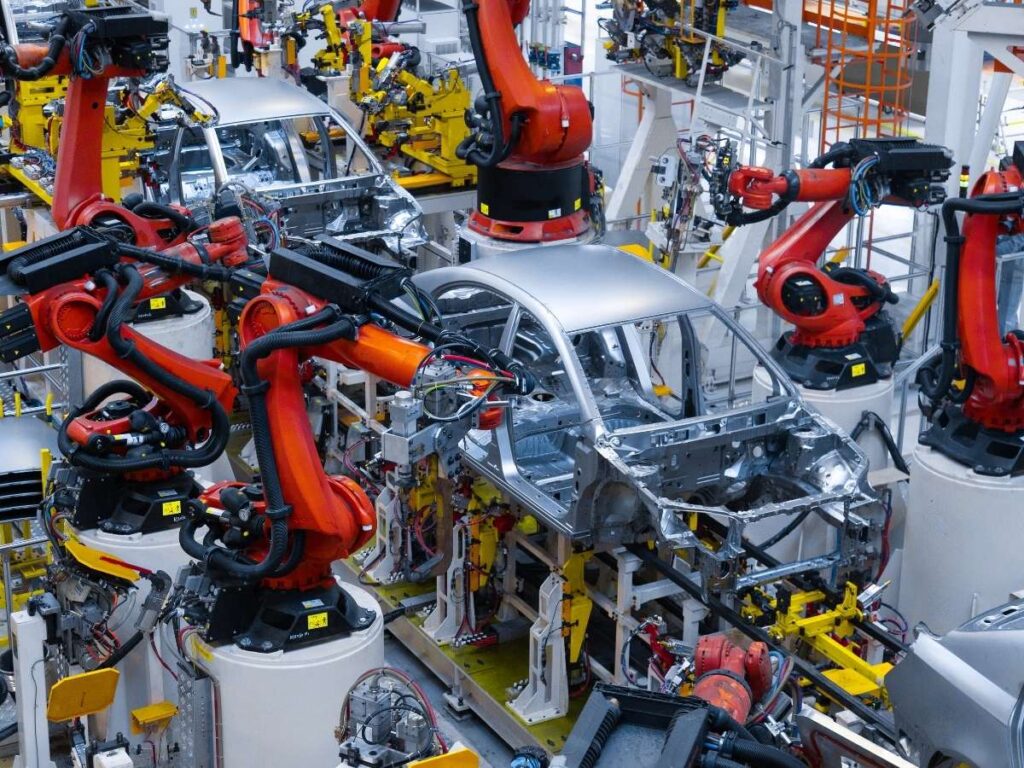
When I first walked through an automotive plant, I was struck by how fast everything moved, robots welding, parts rolling in, engines being built. But behind all that speed was one thing: accuracy.
It gives manufacturers the control they need to machine complex, heavy parts with precisionagain and again. Whether you’re working on a prototype for a new EV or building parts for diesel trucks, this process helps you move faster without losing accuracy.
Machmaster specializes in delivering that level of precision at scale. From one-off builds to full production runs, we’re here to help you stay ahead.
Why Automotive Needs Large CNC Machining
Automotive parts must perform under real stress while keeping up with tight production demands. Here’s how large CNC machining helps you meet both:
- Build Strong Structural Parts: You need subframes and suspension components that hold up under daily driving stress. Large CNC machines deliver the strength and accuracy your designs require.
- Meet Tight Tolerances for Moving Parts: Gear housings and engine cases need to fit exactly. A small miss can lead to vibration, wear, or outright failure.
- Support High-Volume Repeatability: Once your design is validated, production consistency is key. CNC lets you repeat high-precision parts across thousands of units with minimal variation.
- Speed Up Prototyping and Testing: Your timelines are tight. CNC machining helps you turn CAD models into real parts fast, supporting rapid validation and adjustments.
- Work with Hard and Lightweight Materials: Whether you’re machining hardened steel or aluminum, large CNC machines give you precision across materials without compromise.
Common Large Parts Involved
In automotive, you’re not just machining small engine parts. Here are some of the larger components commonly made using CNC:
- Chassis Frames and Subframes: These structural foundations need perfect alignment for safe handling. CNC accuracy ensures each section supports the suspension and drivetrain correctly.
- Engine Blocks and Cylinder Heads: These high-stress parts need to manage heat and internal movement. CNC provides smooth sealing surfaces and critical internal geometry.
- Transmission Housings: These parts protect precision gears. Misalignment here can mean immediate gear damage or long-term power loss.
- Custom Fixtures and Dies: Whether you’re pressing, welding, or assembling, your jigs and dies must be accurate. CNC helps you build production tooling that holds up under repeat use.
Large CNC machining has helped me and many others to avoid costly delays and part failures. If you’re planning a new part or scaling production, this process gives you the control to get it right.
3. Oil and Gas Industry
I worked with somene who needed a part for a drilling platform, fast. It was a massive steel flange, over 2 meters wide. Most shops turned it down. Not because it was too complex, but because it was too big.
That’s when it hit me: the oil and gas industry runs on big, heavy, high-risk parts and very few machining services are truly ready for that scale.
Large CNC machining makes this possible. It brings the precision and strength needed for extreme pressure, rough terrain, and nonstop use.
Common Large Parts Involved
The oil and gas sector operates in harsh environments and often works with bulky metal components. Here’s how large CNC machining supports that:
- Handle High Pressure Systems: Components in drilling and pumping systems often face intense internal pressure. CNC machining helps build thick, heavy parts that hold pressure without failure.
- Resist Corrosion and Harsh Conditions: Many parts operate offshore or underground. Materials like stainless steel and Inconel must be machined precisely to survive saltwater, chemicals, and mud.
- Fit Long Pipe Systems with Tight Tolerances: Even pipelines several kilometers long require exact connector alignment. Poor fit can cause leaks or breakdowns.
- Support Custom, One-Off Builds: Many jobs need special parts not found in catalogs. CNC machining allows fast production of custom flanges, housings, and valve bodies.
- Reduce Downtime During Repairs: When a rig goes offline, every hour costs money. CNC shops that can produce large parts fast are essential during emergencies.
Common Large Oil and Gas Parts Machined
Oil and gas projects often require oversized components that need high precision and durability. These are the typical parts machined:
- Valve Bodies and Flanges: These control flow and connect major systems. They need perfect sealing surfaces and bolt-hole alignment.
- Pump and Compressor Housings: Large, thick-walled housings must handle high load and vibration. Any error can cause early failure.
- Drill Heads and Tool Joints: These parts face extreme wear and pressure. CNC machining gives them the exact shape and strength needed.
- Pipe Clamps and Connectors: Supporting long pipeline systems, these parts must align perfectly with custom lengths and shapes.
Over the years, I’ve seen how one well-machined part can prevent weeks of downtime. In oil and gas, large CNC machining isn’t just a convenience, it’s a lifeline.
4. Agriculture Industry
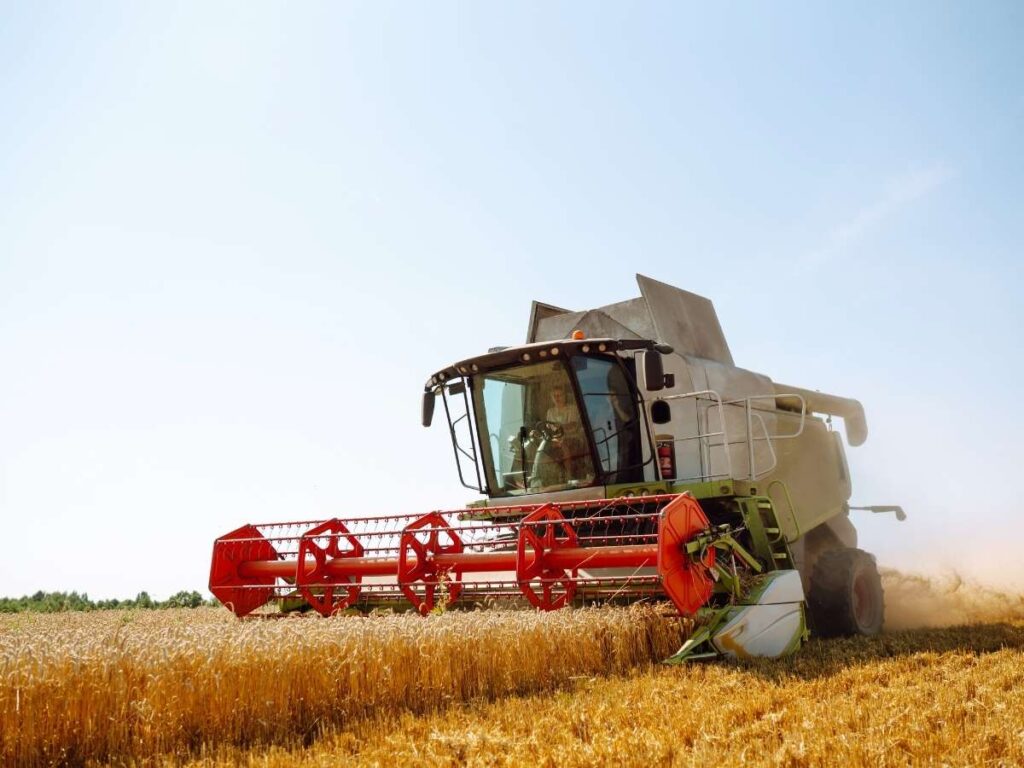
Agriculture runs on heavy, hardworking machines. Tractors, harvesters, tillers all face rough terrain, long hours, and unpredictable weather. Many parts are large, built from thick steel, and need exact alignment to avoid breakdowns.
That’s where large CNC machining comes in. It helps farmers, OEMs, and repair shops produce strong parts that last and fit right the first time.
Why Agriculture Needs Large CNC Machining
Agricultural equipment must survive outdoor work, carry heavy loads, and run for years. Here’s how large CNC machining supports those needs:
- Build Large, Durable Parts: Farm equipment includes big parts like axle housings and structural frames. These must hold up under stress from heavy loads and rugged use.
- Maintain Precise Fit for Moving Parts: Precision is key for bearings, shafts, and hydraulic cylinders. A bad fit causes faster wear and machine failure.
- Support Repairs and Replacement Parts: Older machines often need one-off parts no longer made by the manufacturer. CNC machining helps recreate these with proper fit and finish.
- Process Thick Steel and Cast Iron: Many ag parts are made from tough materials that require powerful machines to cut, drill, and mill accurately.
- Handle Low-Volume Production: Farm equipment builders don’t always work in large batches. CNC machining allows flexible, low-volume runs without sacrificing quality.
Common Large Parts Involved
Whether you’re repairing a machine or building new ones, large CNC machining helps you create parts that are accurate and strong. These are some of the most common examples:
- Chassis Frames and Axle Supports: These are the structural foundation of your machines. Perfect alignment helps them carry loads and stay stable in motion.
- Hydraulic Cylinder Housings: These control the movement in your loaders, arms, and tillers. Precision keeps them sealed and pressure-tight.
- Gearbox Casings and Mounts: These guard your transmission systems. Machining them right prevents future cracking or noisy vibrations.
- Tool Attachments and Mounting Plates: Whether you’re mounting a plow or a spreader, accurate placement means better, safer performance in the field.
I’ve seen how much downtime costs on a farm especially in planting or harvest season. With large CNC machining, you get strong, ready-to-use parts that keep your equipment rolling without delays.
If you’re in the agriculture industry and looking for a reliable machining partner, I guess MachMaster can help. They understand your timelines and challenges. They are also built to support you when it matters most.
5. Defense and Military Industry
One of the most intense projects I ever worked on was a military radar base component. The part was massive, over two meters wide, and needed tight tolerances and specific materials. The specs were strict, and the paperwork? Even stricter.
That project reminded me how serious the defense industry is. There’s no guessing. No shortcuts. Every part must work exactly as intended under pressure, in the field, and for years.
Large CNC machining helps make that possible. It produces strong, high-precision components used in defense vehicles, weapons systems, and field equipment.
Why Defense and Military Industry Needs Large CNC Machining
You know your equipment must operate under extreme conditions with no room for failure. Here’s how large CNC machining supports those demands:
- Produce High-Strength Structural Parts: Whether it’s for armored vehicle frames, turret rings, or weapon mounts, you need components that survive impact, vibration, and battlefield stress. CNC machining gives you both strength and precision.
- Meet Tight Security and Quality Standards: Your projects often require full documentation, traceability, and compliance with ITAR, MIL-SPEC, or similar standards. CNC machining gives you repeatable control and dependable quality.
- Handle Specialized Materials: You often work with high-grade steel, titanium, or ballistic alloys. These materials demand powerful CNC machines and experienced hands to machine them right.
- Support Prototyping and Rapid Development: If you’re in early development stages for new gear or weapons, CNC machining helps you produce accurate prototypes fast for testing, feedback, and iteration.
- Deliver Accuracy for Complex Geometries: Systems like radar bases, missile components, and launch platforms often require 5-axis machining to hit the exact angles and alignment you need.
Common Large Parts Involved
Defense applications often require custom, high-load components that function under stress. These are common examples:
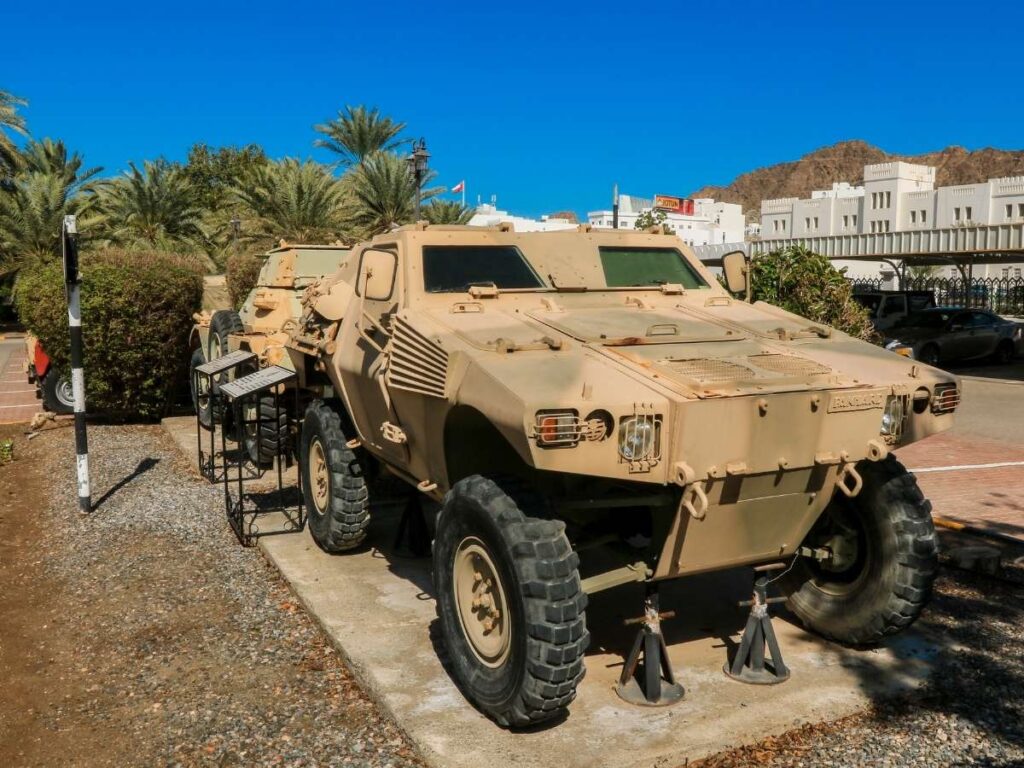
- Armor Panels and Vehicle Frames: These protect military vehicles like tanks or personnel carriers. They must be machined to fit perfectly and withstand impact.
- Radar Bases and Mounting Plates: These support large communication or detection systems. Stability and precision are critical for long-term operation.
- Weapon Mounts and Turret Assemblies: These control heavy, moving parts. Proper machining keeps the motion smooth and targeting accurate.
- Support Structures for Missile Systems: These need to absorb energy and stay aligned under launch conditions. Strong, stable machining is key.
In defense, precision can be the difference between success and failure. Large CNC machining gives you the control and consistency required to build reliable equipment, for training, for missions, and for safety.
6. Marine Industry
When I saw machined a part for a ship’s propulsion system, I was surprised by how big and heavy everything was. The part barely fit on our CNC table, and the material was dense stainless steel built to survive years in saltwater.
That job taught me something important: marine parts aren’t just big they’re built to last in the harshest conditions.
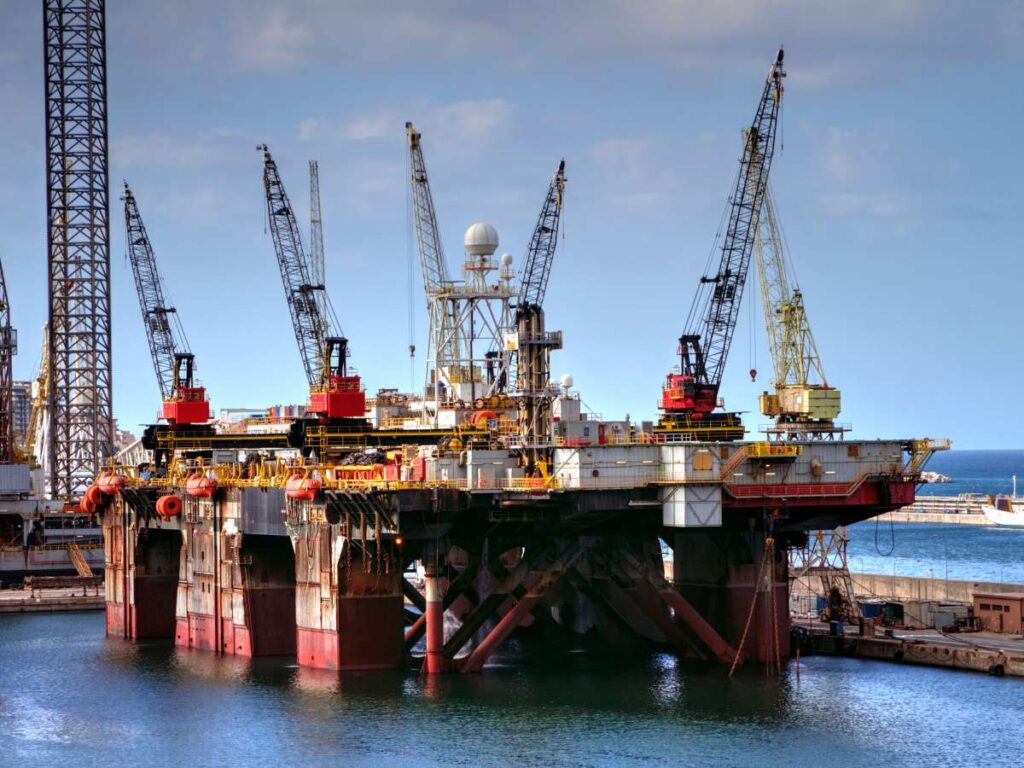
Large CNC machining plays a key role in building and maintaining marine vessels. Whether you’re working on commercial ships, offshore platforms, or submarines, this process helps you create accurate, corrosion-resistant parts at scale.
Why Marine Needs Large CNC Machining
Marine equipment faces saltwater, heavy loads, and nonstop use. Here’s how large CNC machining supports the industry:
- Withstand Corrosive Environments: Saltwater causes fast corrosion. Marine parts must be machined from stainless steel, bronze, or coated alloys, all of which require precision cutting.
- Support Heavy Load-Bearing Parts: Hull supports, propeller shafts, and deck equipment carry extreme loads. Machining ensures strength and tight fit over long-term use.
- Maintain Proper Alignment for Moving Systems: From rudder posts to propulsion shafts, alignment matters. Even small errors can cause drag or mechanical failure.
- Produce Custom, Low-Volume Parts: Many vessels need custom or low-run parts. CNC machining helps fabricate large, one-off components quickly and accurately.
- Enable Long-Term Durability: Once installed, many marine parts are hard to access. They need to be right the first time, no second chances offshore.
Common Large Parts Involved
Marine systems involve a mix of structural and mechanical components, all needing durability and accuracy. Here are common examples:
- Propeller Shafts and Housings: These rotate at high speed under water. Machining helps create perfect balance and surface finish for smooth motion.
- Rudder Stocks and Steering Arms: These control ship direction. They require strong, well-aligned machining to resist bending and friction.
- Engine Mounts and Frames: These support heavy marine engines. Tight tolerances are needed to reduce vibration and prevent structural damage.
- Deck Equipment and Winch Drums: Found on fishing, cargo, and naval vessels, these must withstand load cycles, salt, and motion.
Precision matters more when repair options are limited. Large CNC machining gives you the confidence to deliver parts that are ready for the sea and ready to last.
7. Railway Industry
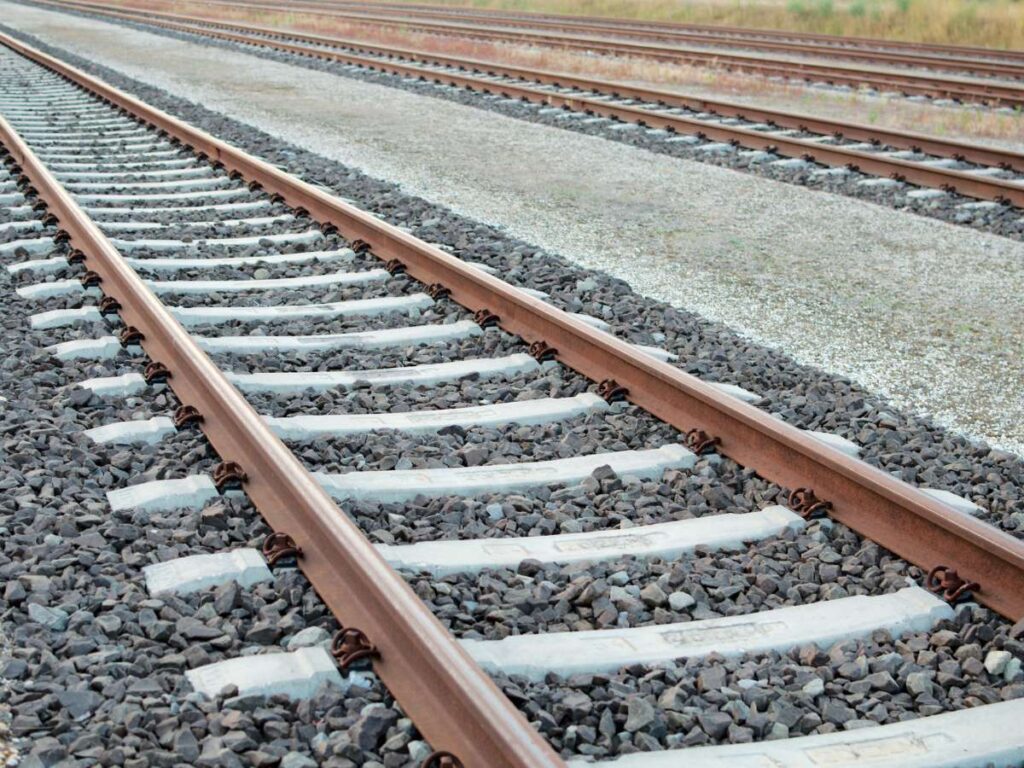
Large CNC machining plays a major role in building, maintaining, and upgrading railway systems from train cars to tracks to the machinery that keeps them moving. Whether it’s for high-speed rail or freight, precision at scale is a must.
If you’re in railway manufacturing or maintenance, this process supports your work with repeatable, high-strength parts you can count on.
Why Railway Needs Large CNC Machining
Rail systems are heavy, complex, and always in motion. Here’s how large CNC machining supports the railway industry:
- Build High-Load Structural Parts: Train components, undercarriages, and suspension frames carry tons of weight. CNC machining makes strong parts with solid alignment.
- Maintain Precision Across Long Assemblies: Track alignment and car joints must stay accurate over long distances. Machining helps reduce vibration and track wear.
- Withstand Constant Motion and Weather Exposure: Railway parts operate outdoors and over thousands of kilometers. CNC machining provides surface finish and fit that hold up to time and travel.
- Support Refurbishment and Retrofits: Older rail systems often need custom-fit replacement parts. CNC allows one-off and short-run jobs with perfect compatibility.
- Machine Specialized Components for Safety Systems: Brake parts, coupling units, and crash-protection elements must follow strict specs. CNC machining delivers the detail needed for safety and compliance.
Common Large Parts Involved
Rail equipment includes many large components that require both weight-bearing capacity and precision. Here are some examples:
- Bogies and Undercarriage Frames: These structures hold wheels and suspension systems. Tight machining keeps them aligned for smooth movement.
- Rail Couplers and Buffers: These connect train cars and absorb impact. They must fit perfectly and survive repeated force.
- Brake Discs and Mounting Plates: These play a critical role in stopping trains. Surface quality and exact sizing are essential.
- Wheel Hubs and Axle Supports: These components rotate under load. CNC machining prevents imbalance and helps extend lifespan.
In rail, precision affects safety, ride quality, and system life. Large CNC machining helps deliver the reliability needed to keep everything and everyone on track.
8. Mining Industry
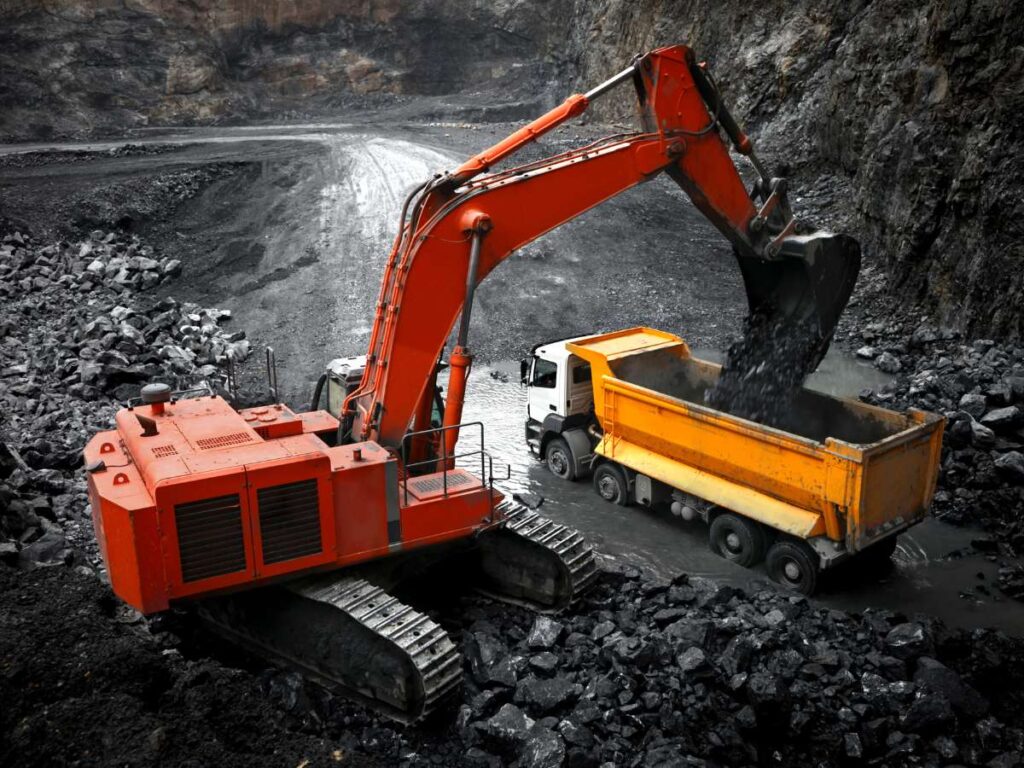
I remember standing next to a mining excavator bucket during a site visit . The thing was taller than me. The wear and tear on that equipment was intense. Every part was scratched, dented, and caked in red dust.
That visit stuck with me. It reminded me just how rough mining conditions are and how strong the parts have to be to survive them.
Mining machines don’t just operate in tough environments, they live there. Between constant impact, dirt, heavy loads, and weather, there’s zero room for weak components.
Why Mining Needs Large CNC Machining
Mining operations need reliable parts that can withstand impact, abrasion, and heavy use. Here’s how large CNC machining supports that:
- Survive High-Impact Loads: Equipment like crushers, buckets, and drills face direct force from rocks and debris. Machined parts must be thick, strong, and stable under pressure.
- Resist Abrasive Wear: Dust, sand, and crushed rock wear down surfaces fast. CNC machining helps create smooth, hard-wearing components from abrasion-resistant materials.
- Handle Large Part Sizes: Many mining parts like housing covers and support arms are massive. Large machines are needed to handle the weight and cut them accurately.
- Keep Downtime Low: Equipment failure in mining costs thousands per hour. Machining supports fast turnarounds on replacement or retrofit parts.
- Support Harsh Outdoor Use: Parts often face rain, heat, and freezing conditions. CNC machining helps build tight fits that hold up across tough environments.
Common Large Parts Involved
Mining machines are built to be big, and so are the parts that keep them running. These are common components made with large CNC machines:
- Excavator Arms and Boom Mounts: These absorb heavy loads and movement. Precise machining helps maintain structural strength and pivot control.
- Crusher Frames and Jaw Plates: These see direct rock impact. Machining supports proper alignment and wear surface accuracy.
- Drill Rigs and Base Plates: Mounted to uneven ground, these parts need flat, reliable surfaces to function properly.
- Gearboxes and Bearing Housings: Used in conveyors and haulers, these require tight tolerances to handle continuous rotation under load.
Mining is tough on machines, and even tougher on parts. Large CNC machining gives you the power to build components that won’t crack under pressure no matter how deep or remote the job site is.
Conclusion
Now you’ve got a clear view of the top 8 industries using large CNC machining.
From aerospace to mining, each section of this article explained what’s needed, why it matters, and how large CNC machining fits.
If you skipped around, it’s worth scrolling back up. Each industry shows you a different angle and you might spot one that matches your next job.
Need help figuring out where your part fits in?
Contact MachMaster today and we’ll guide you through it!