
I once approved a batch of aluminum parts without checking the alloy. They looked fine. Specs seemed close. But weeks later, cracks started showing up under pressure.
We used 6063 instead of 6061. At first, I didn’t think it mattered. It did.
That mistake costs us time, money, and trust.
If you’ve ever been unsure about aluminum grades, you’re not alone. I’ve made that mistake and learned from it.
In this guide, I’ll show you the difference between 6061 and 6063 aluminum. You’ll see how they compare in strength, workability, and finish.
By the end, you’ll have a clear answer. And the confidence to pick the right material the first time.
So let’s begin!
1. What Is 6061 Aluminum?
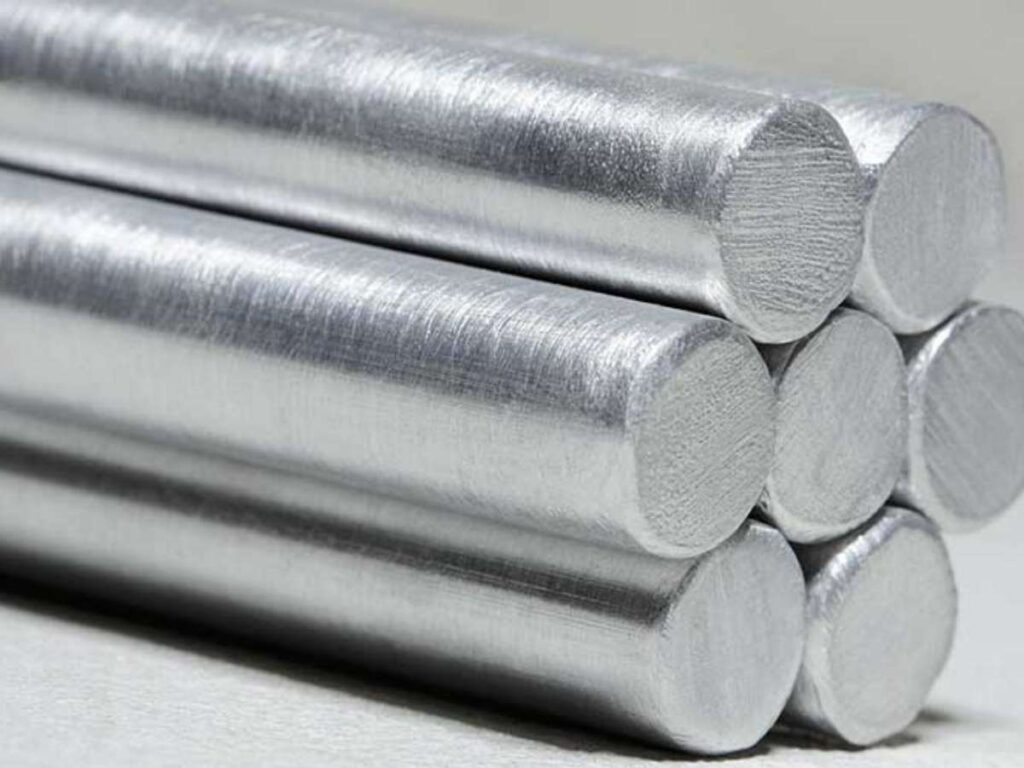
6061 aluminum is one of the most common aluminum alloys out there. It’s used in everything from bike frames to aircraft parts. Why? Because it’s strong, versatile, and easy to work with.
This alloy is part of the 6000 series, which means it contains magnesium and silicon. These 2 elements give it better strength and corrosion resistance than many other types.
I first came across 6061 when helping a customer design a CNC-machined bracket for an automation project. The part needed to be strong but still lightweight. 6061 did the job perfectly. No warping. No cracking. It held up under stress.
Here’s what makes 6061 popular:
- Good strength for structural use
- Great for machining
- Welds well
- Resists corrosion
If you’re working on parts that need to handle stress like joints, brackets, or frames 6061 is a safe bet. It’s tough without being too hard to cut or shape.
Have you ever needed strength and machinability in one material? Then you’ve probably looked at 6061 without even realizing it.
2. What Is 6063 Aluminum?
6063 aluminum is known for its smooth surface and clean finish. You’ll often see it in windows, doors, and trim. It’s softer than 6061, but easier to shape and polish.
This alloy also belongs to the 6000 series. Like 6061, it contains magnesium and silicon. But in smaller amounts. That gives it less strength but better formability and surface quality.
I once used 6063 for a batch of custom display frames. We didn’t need high strength. We needed a clean look and easy extrusion. 6063 worked like a charm. The parts came out with smooth edges, and polishing was quick.
Common uses for 6063 include:
- Architectural trim
- Tubes and angles
- Furniture frames
- Decorative parts
If your project needs a clean finish over heavy strength, 6063 might be what you’re looking for.
Have you ever worked with aluminum that looked great but didn’t need to carry much load? That’s where 6063 shines.
3. Mechanical Properties: Strength & Hardness
If you’re building something that needs to hold weight or take stress, strength matters. A lot.
I learned this early on when I used 6063 for a light frame. It looked great but bent under load. That project taught me the hard way: not all aluminum is built the same.
| Property | 6061-T6 Aluminum | 6063-T5 Aluminum |
| Tensile Strength | ~45,000 psi | ~27,000 psi |
| Yield Strength | ~40,000 psi | ~21,000 psi |
| Brinell Hardness | ~95 | ~60 |
| Wear Resistance | High | Moderate to Low |
| Overall Strength | Strong, stiff, holds shape well | Softer, bends more easily |
| Best For | Frames, supports, structural parts | Trim, enclosures, display use |
4. Weldability and Machinability
I’ve seen firsthand how aluminum alloys behave differently when you start cutting or welding them. The wrong choice can lead to extra work, or worse, weak parts.
Let’s break it down clearly so you can avoid those headaches.
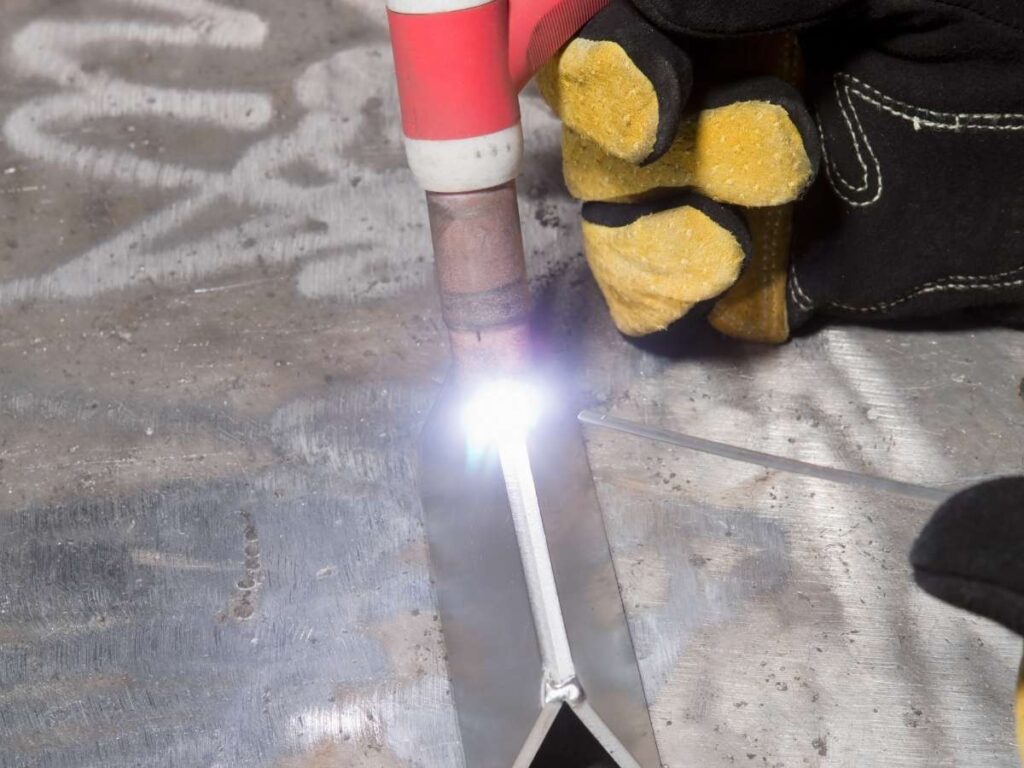
Welding Performance
6061 Aluminum
- Prone to Cracking: Can crack from heat during welding (this is called hot cracking).
- Needs Post-Weld Treatment: You’ll often need heat treatment afterward to bring back its strength.
- Weakened Weld Zones: If untreated, the welded area may not hold up under load.
- Better for Strength: Great when strength matters more than looks.
- Extra Rework Needed: I’ve had to redo 6061 welds before it’s doable, just plan for it.
6063 Aluminum
- Smooth Welding Experience: Easier to weld with fewer cracking issues.
- No Treatment Needed: Most of the time, no heat treatment is required.
- Clean Surface Finish: Looks better after welding less sanding or grinding.
- Great for Visible Parts: Works well for trim, frames, and anything that shows.
- Less Rework: I usually pick 6063 when I want clean welds without extra cleanup.
Machinability
6061 Aluminum
- Great for Precision Work: Machines well, even at high speeds.
- Holds Tolerances: Good for CNC parts like brackets or housings.
- Clean Cutting: Less tool chatter, cleaner edges.
6063 Aluminum
- Softer to Cut: More flexible, which can cause slight smearing.
- Needs Gentle Handling: Best with lighter feed rates and sharp tools.
- For Simpler Jobs: I’ve used it on enclosures and covers nothing structural.
Choosing the right aluminum for welding and machining saves time, cuts rework, and gives better results. I’ve worked with both just match the alloy to the job.
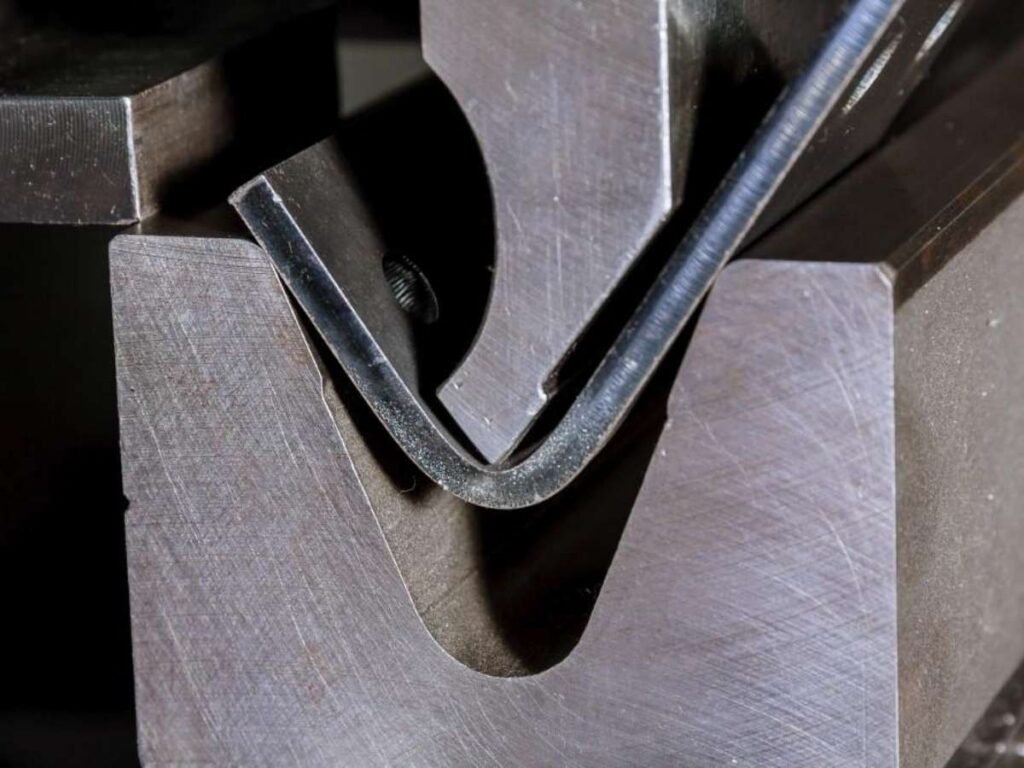
5. Formability and Extrusion
If you’re shaping aluminum into long, detailed profiles, this part is worth your attention. I’ve worked on both simple and complex parts—and how the alloy behaves during extrusion can either save your project or make it harder than it needs to be.
Ease of Forming and Shaping
Extrusion is a method where aluminum is pushed through a shaped die to create long, uniform pieces. Think of tubes, channels, or frames. If your design has curves, hollows, or thin walls, the alloy’s flow matters.
6063 Aluminum
- Softer and More Flexible: Pushes through the die with less force.
- Great for Thin or Complex Profiles: Handles fine details better.
- Smoother Flow: Reduces problems during production.
6061 Aluminum
- Stronger but Harder to Shape: Needs more pressure to form.
- Tougher with Detailed Designs: Struggles with tight curves or thin features.
- Best for Simple or Strong Shapes: Works well when strength matters more than shape.
When we needed to make trim pieces or curved frames, 6063 was the winner. It gave us clean shapes without stressing the dies. But when strength came first like with support bars we used 6061, even though it took more effort.
Surface Finish
This is something you’ll notice right away. 6063 produces a cleaner surface after extrusion.
6063 Aluminum
- Ideal for Anodizing: Takes on color and smooth finishes well.
- Great for Cosmetic Parts: Looks good in railings, trim, or covers.
- Better for Appearance-Based Projects: Finish quality is consistent.
6061 Aluminum
- Can Be Anodized: But may show grain or surface flaws.
- Rougher Finish: Not ideal when looks matter most.
- More for Function Over Form: Fine for parts where appearance isn’t critical.
If the appearance of your part matters as much as strength, 6063 will likely give you fewer headaches.
6. Industry Applications
Different jobs call for different aluminum alloys.
Sometimes you need strength. Other times, it’s all about finish and form.
Over the years, I’ve learned that choosing the right alloy often depends on where the part will end up—and how it needs to perform.
6061 Aluminum Applications
6061 is the go-to when performance comes first. It handles stress, wear, and movement better than softer alloys.
Here’s where it shows up most:
- Structural components
- CNC machined parts
- Aerospace fittings
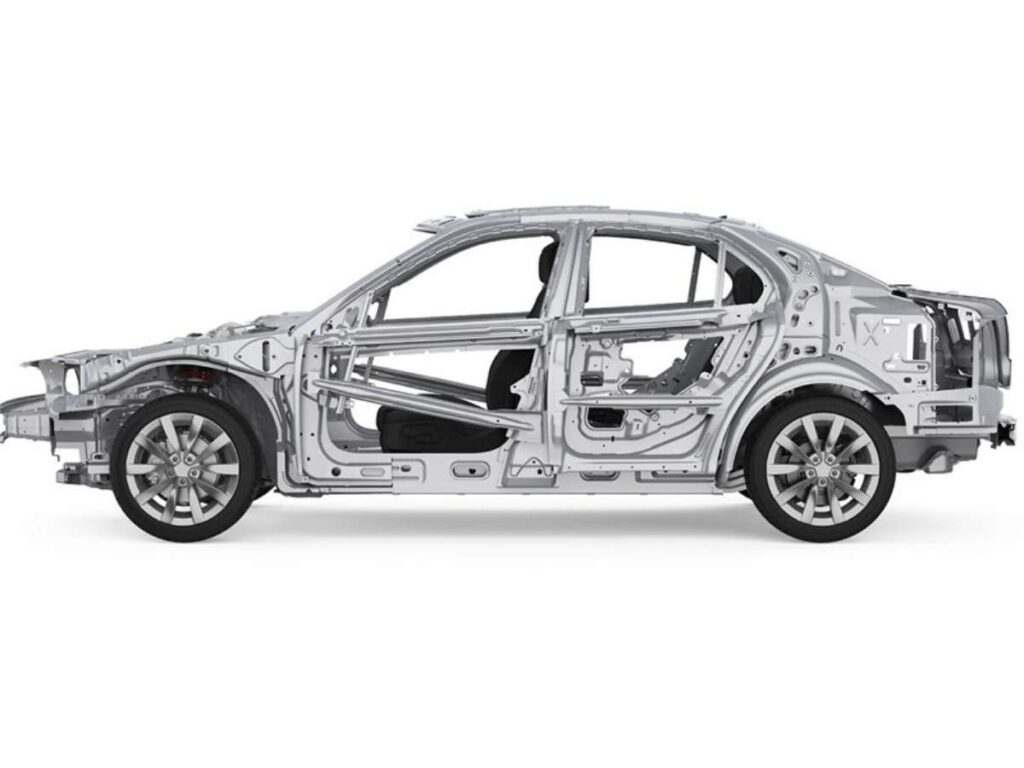
- Marine and automotive frames
- High-strength welded parts
6063 Aluminum Applications
6063 doesn’t compete on strength, but it’s great where appearance matters. It forms clean shapes and takes surface finishes well.
Common uses include:
- Architectural trim and frames
- Handrails and piping
- LED housing
- Furniture and decorative parts
- Consumer electronics casings
Both alloys have a place it just depends on what your part needs to do. At MachMaster, we’ve delivered precision-machined parts using both 6061 and 6063 for industries like electronics, automation, and medical devices.
Whether you need decorative 6063 profiles or structural 6061 components, our one-stop platform can handle your production from prototype to mass run.
7. How to Choose Between 6061 and 6063 Aluminum
If you’ve read this far, you already know that 6061 and 6063 are different in small but important ways. Choosing the right one can save you from expensive mistakes.
I’ve learned that the hard way.
It’s not just about picking the strongest metal or the nicest finish.
You need to think about what matters most about your project.
Ask yourself: will this part need to hold weight? Or does it just need to look clean and polished?
I’ve worked on parts that failed because the wrong alloy was picked. And I’ve seen projects come together beautifully just because someone took the time to choose the right one.
Let’s make that easier for you.
Decision-Making Checklist
Ask yourself these four simple questions:
- Do You Need Strength or Appearance?: If strength matters more, 6061 is your friend. If looks are the priority, 6063 might be better.
- Is Surface Finish Critical?: Will this part be visible to customers? Does it need to take anodizing well?
- Are You Machining or Extruding?: Machining? Go with 6061. Extruding detailed shapes? You’ll probably want 6063.
- What’s the Budget?: 6063 is usually cheaper. That can make a big difference if you’re producing in bulk.
Best Fit by Use Case
Use 6061 Aluminum if:
- Structural strength matters
- Machining is required
- Weld joints need to hold load
Use 6063 Aluminum if:
- Appearance is critical
- Complex extrusion is needed
- The budget is tight
You don’t need to guess. Just match the material to the job.
Conclusion
You started with a question: 6061 or 6063?
Now, you’ve got a clear answer.
We looked at strength, surface finish, machining, and how each alloy performs in real projects. You know what to pick based on what your part actually needs.
I’ve made the wrong choice before. You don’t have to.
At MachMaster, we work with both 6061 and 6063 aluminum every day.
We’ve helped businesses, designers, and engineers choose the right material and avoid costly mistakes.
If you’re ready to move forward, contact us today. We can help you get the right aluminum for your job.