

I remember my first time at the Consumer Electronics Show.
I landed in Las Vegas with big hopes—and no plan.
Everywhere I turned, there were flashing lights, giant screens, crowds, and lines. I didn’t know where to go first. Or what to focus on. I ended up walking ten miles and still felt like I missed everything important.
If you’re feeling a little lost right now, you’re not alone.
This guide is here to help you. I’ve been through the confusion, made the rookie mistakes, and now I want to help you skip them. Whether you’re here to find new suppliers, check out fresh designs, or just get inspired—you’re in the right place.
You’ll learn what to do before you go, how to navigate CES once you’re there, and what to do after it’s over. Step by step. Simple. Clear. Useful.
So let’s get down to it!
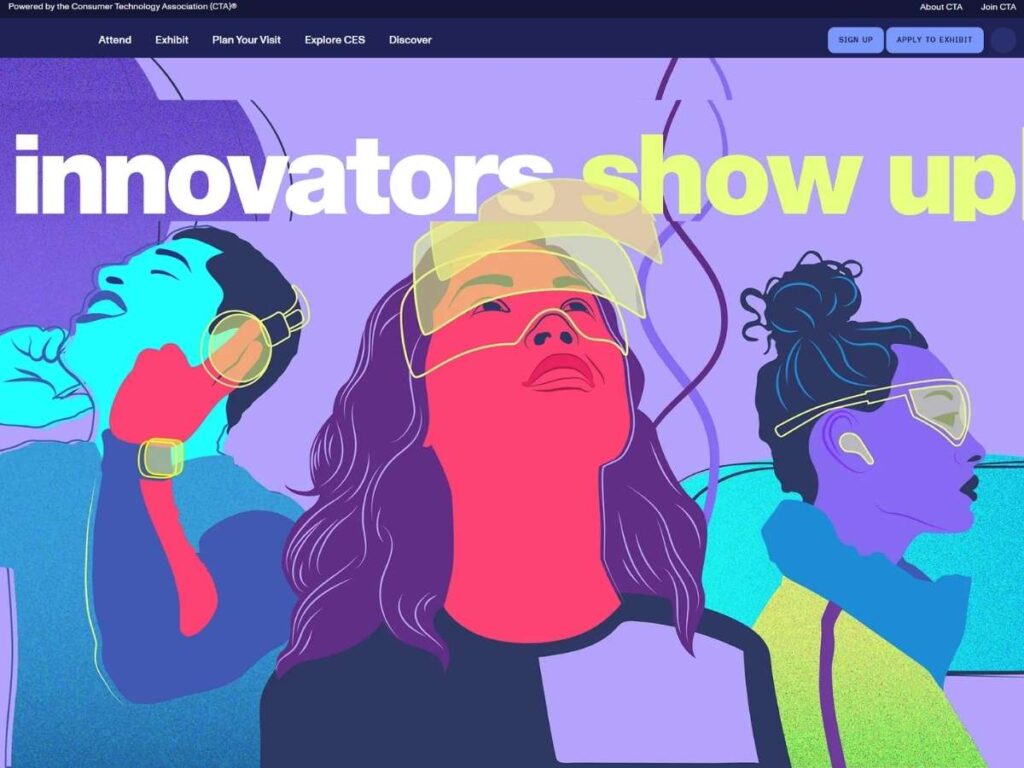
1. Register Smart
Let me be honest—I almost didn’t get into my first CES. I thought registering would be as easy as buying a conference pass the week before. It wasn’t. By the time I checked the site, the badge I needed was sold out, and I had to scramble for last-minute approvals and pay a premium. Lesson learned.
If this is your first time, don’t wing it. Registration is where your CES experience starts or stalls.
Choose the Right Badge
CES isn’t open to the general public. You’ll need to prove you’re in the tech or related industries, and you’ll also need the right badge type.
Visit the official CES website at https://www.ces.tech/ and start with the badge categories:
- Industry Attendee: Ideal for business owners, execs, product leads, and supply chain managers.
- Exhibitor: For teams who have a booth or product on display.
- Media: If you’re approved to cover CES professionally.
- Government / Policy: For public sector representatives.
- Startup: If you’re in the CES Eureka Park startup zone.
Each badge comes with different access levels. Some let you into private sessions or networking lounges. Others are strictly floor access. Know what you want to accomplish, then choose the badge that matches.
Respect the Deadlines
Pricing goes up in tiers—early bird, standard, late. If you wait too long, you’re not just paying more. You’re also competing for hotel space, side event access, and limited seating keynotes.
For CES 2025 (January 7–10), registration is already open. Early registration usually begins in September and gets more expensive each month. Mark your calendar now. Don’t wait until December—it’s chaos.
If You’re Traveling Internationally
There’s one more layer if you’re coming in from abroad: visa prep.
- Start your application early, embassy wait times vary.
- CES can provide an official invitation letter, but you’ll need to request it during the registration process.
- Bring documents showing your business ties (company site, client list, product catalog).
- And always check current U.S. travel policies for business visitors.
You’re not just visiting a trade show. You’re entering a high-security, globally watched innovation zone. The paperwork matters.
2. Book Early
Here’s the truth no one told me before my first CES: Las Vegas gets booked solid months in advance. I thought I was ahead of the game when I started searching for hotels in November. Turns out, I was already late.
Prices had doubled, and I ended up in a casino hotel 40 minutes away, with no shuttle access and zero business travelers in sight. Don’t let that happen to you.
Flights and Hotels Fill Fast
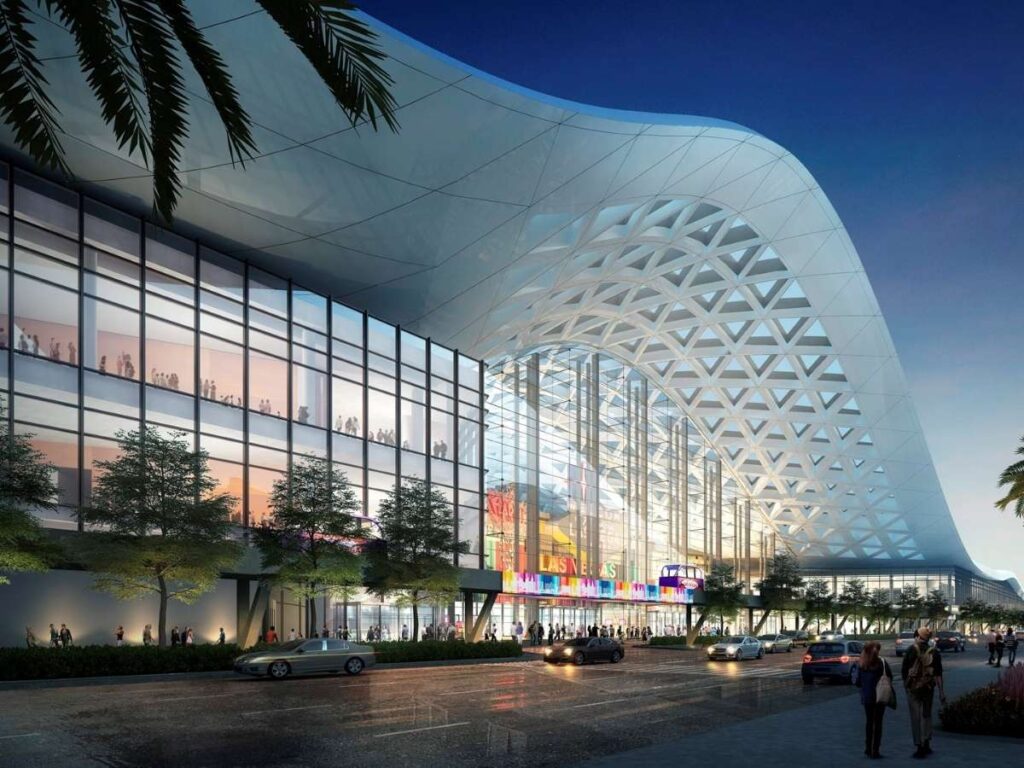
CES takes place in Las Vegas, Nevada, and for CES 2025, the dates are January 7–10. But attendees start arriving as early as the 5th, and the city starts filling up months before that.
Flights get scarce and expensive. Hotel blocks go fast. And if you’re planning to travel with a team, forget about last-minute availability.
Book your hotel and flights at least 3–6 months in advance. Early October is pushing it. August or September is better.
The closer you get to the convention dates, the more you’ll pay—and the further you’ll end up from the action.
Location Matters
Your hotel doesn’t need to be fancy. It needs to be functional. That means:
- Proximity to CES Shuttle Stops: Most official CES partner hotels offer free shuttles to the main venues.
- Access to the Las Vegas Monorail: It runs along the Strip and stops near all the major exhibit halls, including the Las Vegas Convention Center (LVCC).
- Walking Distance to After-Hours Events: Some of your best conversations will happen over drinks or coffee after the expo closes. You don’t want to Uber 30 minutes every night.
Book with purpose. A smart location will save you hours in transit, get you to meetings on time, and keep you in the energy of the event.
3. Make a CES Schedule
Let me tell you—CES is not the kind of event you “figure out as you go.” I learned that the hard way. My first time, I showed up with a mental checklist and good intentions.
By noon, I had already missed a product reveal, walked six miles in circles, and double-booked a supplier meeting. I walked into Day 2 exhausted and behind.
CES moves fast. If you don’t plan your time, the show will plan it for you—and not in your favor.
Know What You Want to See
Before you even land in Vegas, map out the why behind your visit. Are you sourcing new suppliers? Looking for inspiration? Meeting investors or design partners? Start with your goals, and let those shape your schedule.
Then identify the right formats:
- Keynotes: These are often high-level, future-looking, and led by global CEOs. Great for trend spotting and thought leadership.
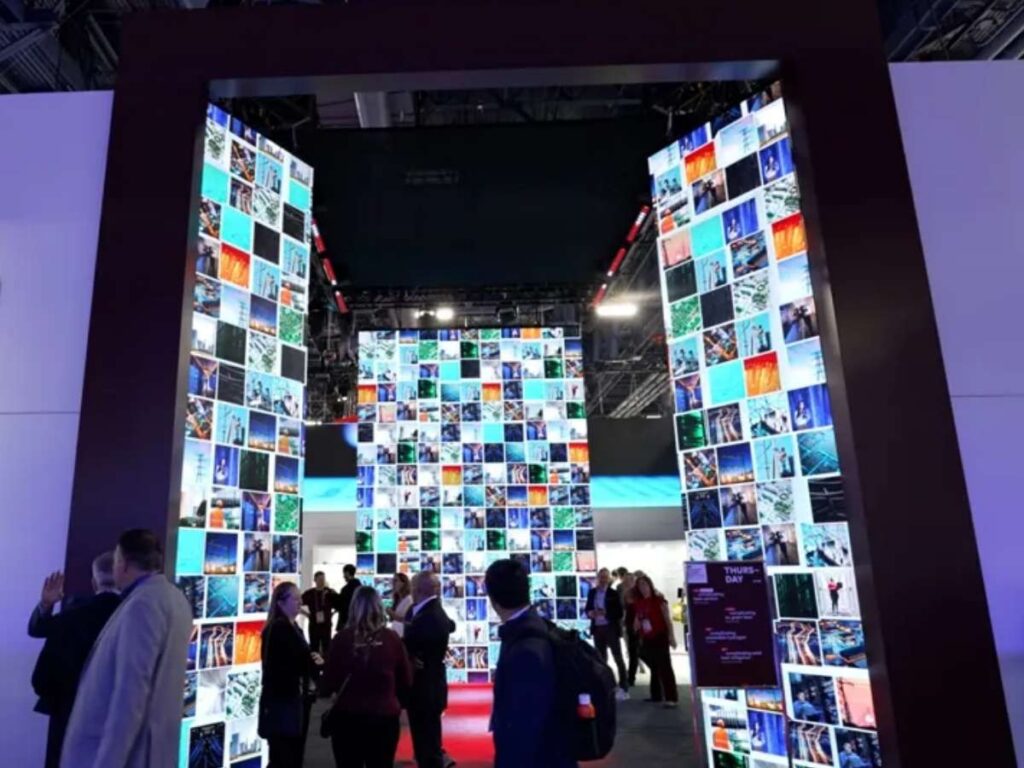
- Exhibit halls: Where you’ll demo products, meet reps, and explore innovation by category (health tech, robotics, AI, automotive, etc.).
- Breakout sessions and panels: More niche-focused. Good for tactical learning and connecting with specialists.
- Private meetings: Crucial if you’re serious about deals. These must be scheduled well in advance—some companies’ calendars fill up weeks before CES.
Use the Official CES App
This tool will save your week. The CES app lets you:
- Search and filter exhibitors by category.
- Save your favorites and create a daily itinerary.
- Set reminders for sessions and keynotes.
- Navigate between halls (and trust me, you’ll need help).
It’s your GPS, agenda, and command center all in one. Download it early and get comfortable with it before you arrive.
Be Realistic With Time Blocks
A 20-minute meeting across the convention center is a 45-minute trip when you factor in crowds and confusion. CES is sprawling—leave buffer time between everything.
Here’s a rule that’s worked for me:
- 1 major session or keynote per half day
- 2–3 scheduled meetings per day, max
- Leave 1–2 hours open daily for discovery or overflow
CES is part conference, part scavenger hunt. The best finds often come from spontaneous booth visits or bumping into the right person at the right time, so build in flexibility.
4. What to Bring and Wear
I showed up to my first CES in stiff dress shoes and a leather satchel. By midday, my feet were wrecked, my shoulder was burning, and I was carrying five pounds of brochures I didn’t even ask for.
I learned two things fast: gear matters, and comfort is strategy.
This isn’t your average business event. CES is part tech showcase, part endurance test.
Pack Like You Mean It
Here’s what goes in my CES bag—every time:
- Comfortable, Broken-In Shoes: You’ll walk 10,000–20,000 steps a day. No exaggeration.
- Portable Charger or Power Bank: Outlets are rare. Your phone is your lifeline for maps, meetings, and photos.
- Lightweight Backpack or Crossbody Bag: Needs to hold devices, snacks, and collateral without wrecking your posture.
- Refillable Water Bottle: You’ll thank yourself by hour three.
- Notebook or Notes App: For jotting down product insights, names, or booth numbers. Don’t rely on memory—it won’t last past lunch.
- Business Cards or NFC Card (Like Popl or Linq): Many pros still prefer a quick, tangible exchange.
- Snacks: Protein bars, almonds, or anything small and clean. You may not see a meal until 4 p.m.
Dress for Utility, Not Flash
You’re not here to impress with fashion. You’re here to move, talk, listen, and close deals. Stick to:
- Business Casual: Clean, presentable, but easy to move in. Button-ups, polos, slacks, chinos.
- Company-Branded Gear: Subtle logos on shirts or jackets help with visibility and open up conversations.
- Layered Clothing: Vegas in January can swing from cold mornings to warm afternoons. Convention halls vary in temperature—some feel like freezers.
This isn’t about looking slick—it’s about staying sharp. If you’re uncomfortable, distracted, or sweating through your blazer, you’re not doing your job.

5. Navigating the Show Floor
The first time I walked into CES, I made a classic mistake: I started wandering. No plan, no route, just vibes. By the end of Day 1, I had seen plenty of glowing screens but missed the one robotics supplier I came for. I learned quickly: CES isn’t a walk-through event, it’s a mission.
With over 2 million square feet of exhibit space spread across multiple venues in Las Vegas, you need to know where you’re going and why.
Understand the Layout
CES isn’t held in one building. It’s spread across the city, and each area serves a different purpose:
- Tech East (Las Vegas Convention Center – LVCC): Core innovation zones, big-name brands, automotive tech, and consumer electronics leaders.
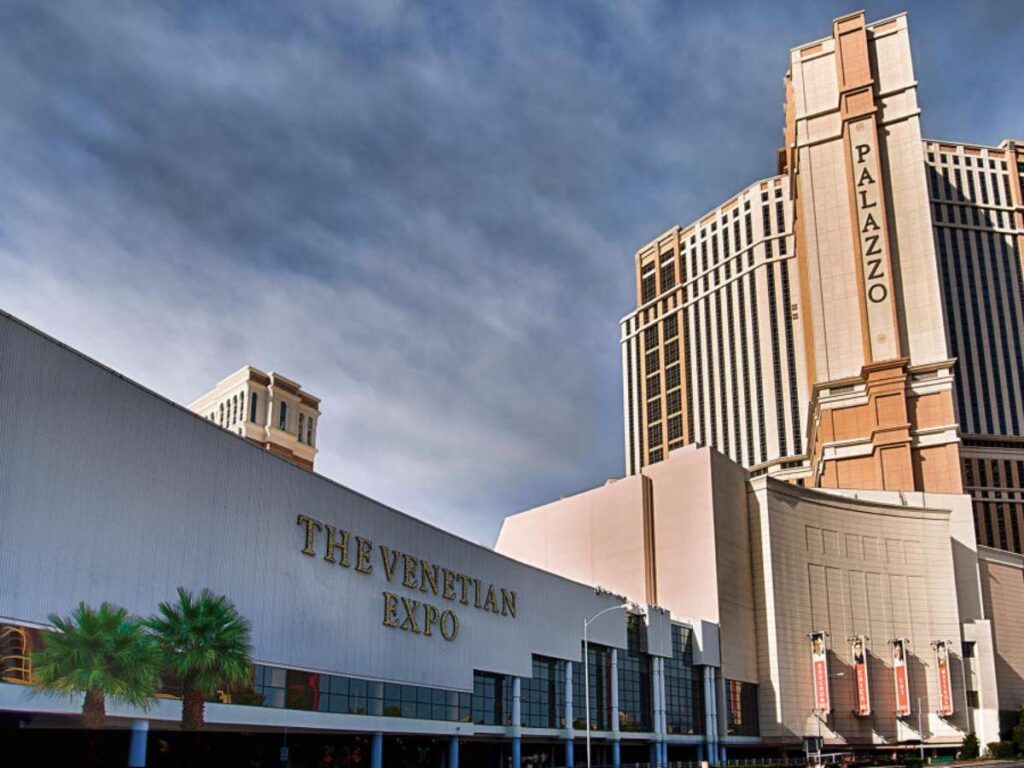
- Tech West (The Venetian Expo & Sands): Health tech, wearables, smart homes, startups (including Eureka Park).
- Tech South (ARIA, Cosmopolitan, Vdara): Thought leadership sessions, executive networking, and presentations.
Even with the CES app, you’ll still lose time moving between venues, especially when traffic hits. That’s why grouping your meetings and visits by location is key.
Prioritize, Then Triage
Create 2 lists:
- A-List: Must-meet vendors, product demos, booths tied directly to your goals.
- B-List: Nice-to-have stops or booths you’ll visit if time allows.
I block my A-list for morning hours when energy is highest and floors are less crowded. B-list is for late afternoons when I have more flexibility or need to walk and decompress.
Minimize Time Burn
Time doesn’t work the same at CES. A five-minute walk on a map often takes 20 with crowds. Here’s what helps:
- Use the CES App Map: Pin your stops by hall and zone.
- Wear a Watch or Keep Time Visible: It’s easy to lose track when you’re mid-demo.
- Build 15-Minute Buffers: Between every meeting or must-see. Don’t run your day tight.
- Locate the Lounges Early: Quiet spaces are rare. Knowing where to regroup saves time and sanity.
Don’t Skip Small Booths
Some of my best finds came from 10’x10’ booths with no buzz. Startups, component innovators, and niche tech often get buried near the edges. If you’re in product development, those small booths can hold massive value—they just don’t have million-dollar signage.
6. Make the Right Connections
I used to think networking at CES meant collecting business cards and shaking a few hands between demos. But that’s surface-level. The real wins happen when you walk on purpose, knowing who you want to meet, why they matter, and how to follow through.
Whether you’re there to meet suppliers, investors, design partners, or future clients, relationships are where CES delivers long-term ROI.
Start With Your Short List
Before the event, identify:
- Key People You Want to Meet: Think partners, manufacturers, tech leads, or decision-makers.
- Companies That Matter to You: Suppliers you’re vetting, brands you want to work with, or tech firms aligned with your product roadmap.
- Events or Panels They Might Attend: Many execs speak on panels or visit specific tracks—those are your best in-person entry points.
Use LinkedIn, exhibitor directories, and your own CRM to create a hit list. Then start reaching out 2–3 weeks before CES. You don’t need a pitch—just a short, clear message with intent.
Be Ready With a Tight Introduction
CES is loud. Fast. No one has time for long-winded intros. When you meet someone, you need a 30-second opener that gets to the point:
- Who you are
- What you do
- Why are you here at CES
- How you might collaborate or help them
Practice it. Refine it. And have a variation ready depending on who you’re talking to (supplier vs investor vs peer).
Don’t Skip the Side Events
Some of the most valuable conversations happen after hours, not in the booths. Here’s where to look:
- After-Hours Mixers and Dinners: Hosted by major brands, accelerators, and investors.
- Private Product Demos or Hotel Suite Showcases: Often RSVP-only, but worth seeking out.
- Meetups and Offsite Panels: Find these on Eventbrite, LinkedIn, or CES community forums.
If someone invites you to something off the floor, go. These settings are quieter, more personal, and where deals often begin.
Follow Up Like a Pro
The meeting isn’t the win. The follow-up is. After CES:
- Send a short thank-you email or LinkedIn message within 48 hours.
- Mention something specific from your conversation.
- Propose a next step—or simply keep the door open.
And don’t send a generic mass blast. It gets ignored.

7. Insider Advice from CES Veterans
Every year, I meet someone at CES who says, “I wish someone told me that before I came.” So I started collecting those moments—quick lessons from founders, buyers, designers, and supply chain leads who’ve been through the chaos and came out smarter.
Here’s what they say when the cameras are off and the expo lights go down.
Top Mistakes to Avoid
- Trying to See It All: You can’t. Don’t even try. Spread yourself too thin, and you’ll remember nothing and meet no one.
- Skipping Hall Maps and Zones: Wandering = wasted time. Be intentional with your movement.
- Overpacking Your Day: Back-to-back meetings with no breaks will crush your energy by Day 2.
- Ignoring Small Exhibitors: Not every breakthrough comes from a 40×40 booth. Some of the best tech I’ve seen came from unknown startups in the corner.
- Not Following Up Promptly: Waiting a week to follow up? You’re already forgotten.
What the Pros Always Do
- Arrive a Day Early: Use that time to get your bearings, grab your badge early, and walk the layout.
- Plan Flex Time: Leave 1–2 hours per day for unexpected conversations or discoveries.
- Pre-Schedule Meetings: Don’t wait to “run into” someone. Lock meetings in early, even if it’s just a 15-minute coffee.
- Use the Monorail: It’s faster than traffic and drops you right at the LVCC. Huge time-saver.
- Stay Near the Action: Pick a hotel near the shuttle or monorail lines. The extra cost pays off in energy and time.
Conclusion
That first CES? I wandered. You don’t have to.
Now, you’ve got the map I wish I had—what to do before, during, and after. Where to start. What to skip. How to leave feeling like it was all worth it.
You’re not just visiting a trade show. You’re building something. Whether it’s a product, a connection, or a bigger idea—this is your shot.
Start now. Make a plan. You’ve got this.
And when you’re ready—who do you want to meet first at CES?
Contact us today if you want help getting there with clarity and purpose.
More Guides and Tips to Explore
We’ve got more for you! These articles provide more tips and guidance to keep you on track:
Still haven’t found what you’re looking for? Don’t hesitate to contact us. We’re available around the clock to assist you.