
When we first switched to CNC machining, I expected fewer mistakes and faster output, and I got both. What I didn’t expect were the setup headaches and steep learning curve.
That’s when I realized the tech is powerful, but it’s not always plug-and-play.
I’ve been in the trenches with CNC for years now, from quoting jobs to troubleshooting tools. I know what’s worth it, what’s not, and where businesses lose time or money without knowing.
This article walks through the real pros and cons of CNC machining, from cost savings and precision to maintenance and limitations.
If you’re trying to decide if CNC makes sense for your shop or product line, you’ll find honest answers here.
CNC isn’t a one-size-fits-all solution, and that’s exactly why you need to understand both sides.
So, let’s dive in!
1. What is CNC Machining?
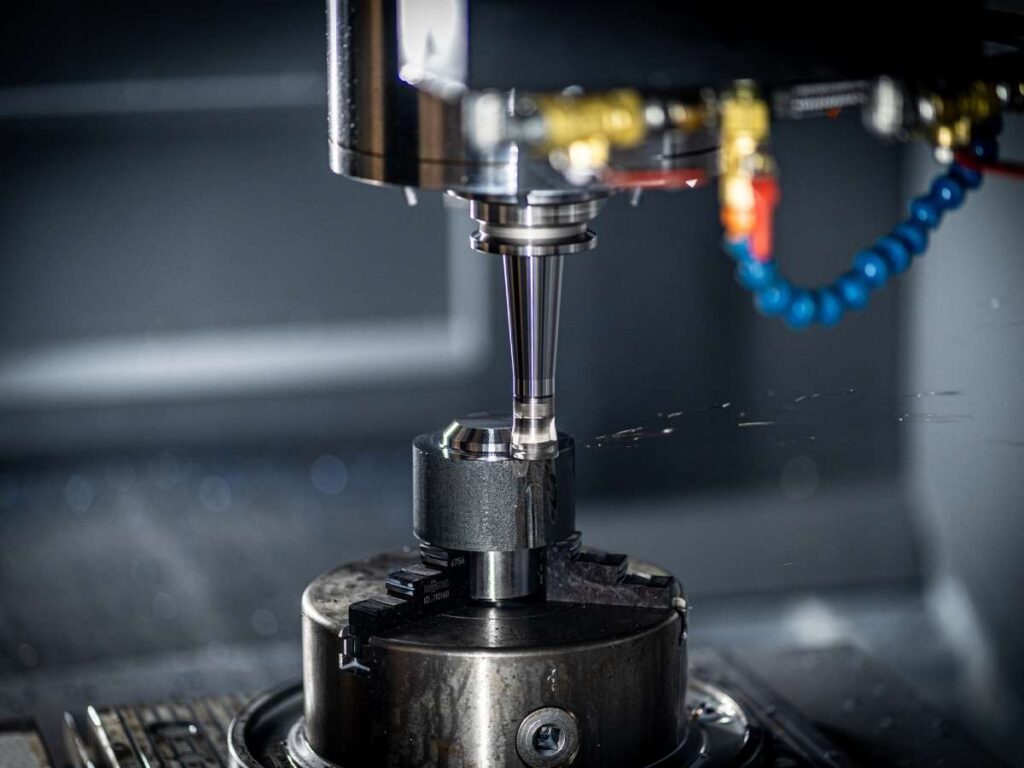
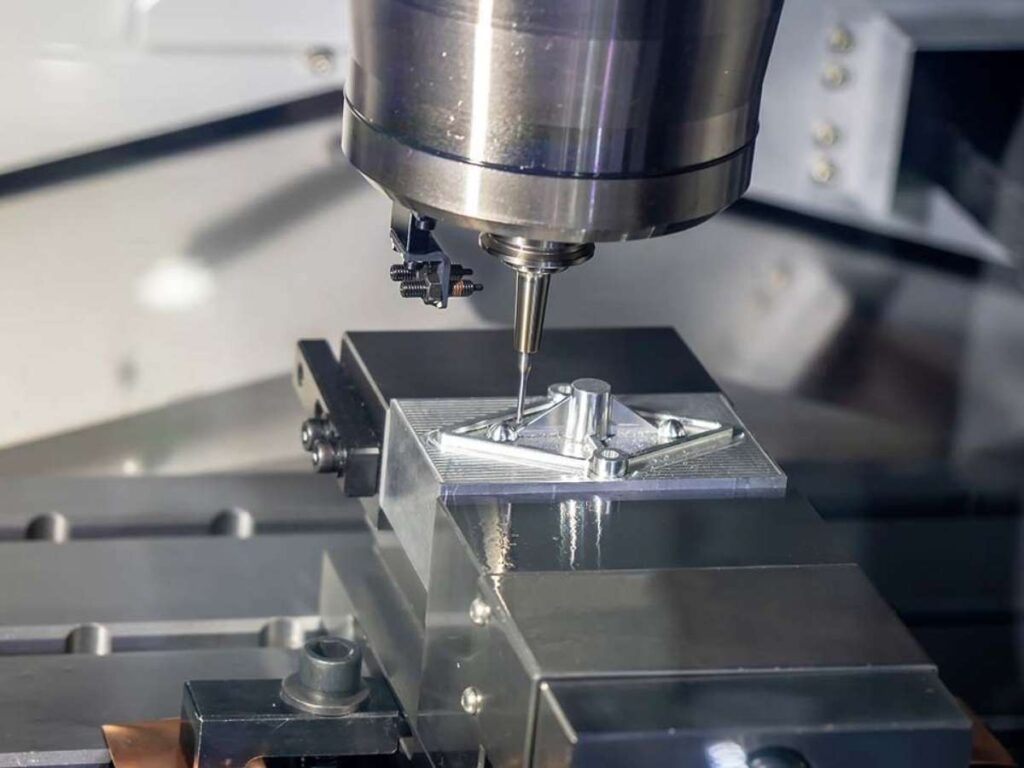
Let’s start simple. CNC stands for Computer Numerical Control, and CNC machining is the process of using pre-programmed software to control the movement of factory tools and machinery.
Think of it as putting a computer in charge of tasks that used to rely heavily on manual precision like cutting, drilling, milling, and turning.
CNC machining allows businesses to automate and streamline production. Instead of a machinist manually turning a crank or adjusting a feed rate, the CNC system runs exact commands down to the thousandth of an inch.
You feed in the design, the machine does the rest, consistently.
In a world that demands precision, repeatability, and scale, CNC has become a go-to for manufacturers of all sizes. Whether you’re creating prototypes or full-on mass production, CNC gives you tight control over dimensions, shapes, and quality.
2. The Pros of CNC Machining
I’ve been on both sides of the production floor. One side is full of guesswork, long hours, and inconsistent results. The other runs smoother because CNC machining handles the heavy lifting with precision and consistency.
If you’ve ever wondered whether the shift to CNC is worth it, here’s what I’ve found to be its biggest strengths.
Precision and Repeatability You Can Count On
CNC machining takes the uncertainty out of the process.
Once a part is programmed correctly, you can make that same part over and over again without any surprises. It’s one of the main reasons shops see fewer defects and happier customers.
That level of precision really comes in handy when you’re dealing with tight tolerances or regulated industries.
Speed That Keeps Up With Demands
After the initial setup, CNC machines run fast and efficiently, which means you can hit production goals without always playing catch-up.
It’s a noticeable upgrade when you’re used to manual operations that require constant supervision and adjustment. The beauty of it is how well the system holds up under pressure, even during long runs.
It helps your team stay on schedule, especially when deadlines get tight.
Lower Labor Burden Over Time
One of the biggest surprises for me was how much smoother things got once our CNC machines were fully up and running. A single operator could oversee multiple machines, freeing up others to focus on more valuable tasks. You don’t need as many people on the floor for repetitive work, and that shift makes your team more agile. Over time, this setup becomes more cost-effective and easier to scale.
Flexibility in Design and Customization
What I love about CNC is how it opens up the playing field when it comes to part complexity. Intricate cuts, curves, slots, and threading that used to be a nightmare are now just a matter of smart programming. This makes it easier to say yes to custom work or enter new industries with different specs. It gives your business more range without reinventing the wheel.
Works With a Wide Range of Materials
CNC machines are not just limited to metals. With the right tooling, you can cut plastics, composites, and even exotic alloys without missing a beat. That kind of material flexibility means your machines stay busy with all kinds of jobs instead of sitting idle between orders. It also makes it easier to expand your services without needing separate setups for every new material.
3. The Cons of CNC Machining
I remember thinking CNC would solve everything once we brought our first machine in. And in many ways, it did improve how we worked. But like any powerful tool, CNC comes with trade-offs that are important to understand before jumping in.
High Initial Investment
Getting started with CNC is not cheap. The machines themselves are expensive, and you’ll also need to budget for software, tooling, and skilled labor. For a smaller business, that upfront cost can feel like a huge hurdle. It takes time before the investment starts to pay off, which means it’s not always a quick win.
Longer Setup and Programming Time
Before a single part is made, a lot of time goes into programming, simulation, and testing. This setup phase is necessary to get accuracy later, but it can slow down production in the early stages. For small runs or one-off jobs, you might find that traditional methods are quicker. CNC really shines with volume, not with projects that change often.
Not Ideal for Constantly Changing Jobs
If you’re in a business that handles frequent revisions or client requests on the fly, CNC might feel too rigid. Every design tweak means reprogramming, adjusting the setup, and running new simulations. That kind of back-and-forth can eat into time and frustrate your team. Manual machining still has an edge when flexibility and speed are more important than precision.
Requires Skilled Talent to Operate and Maintain
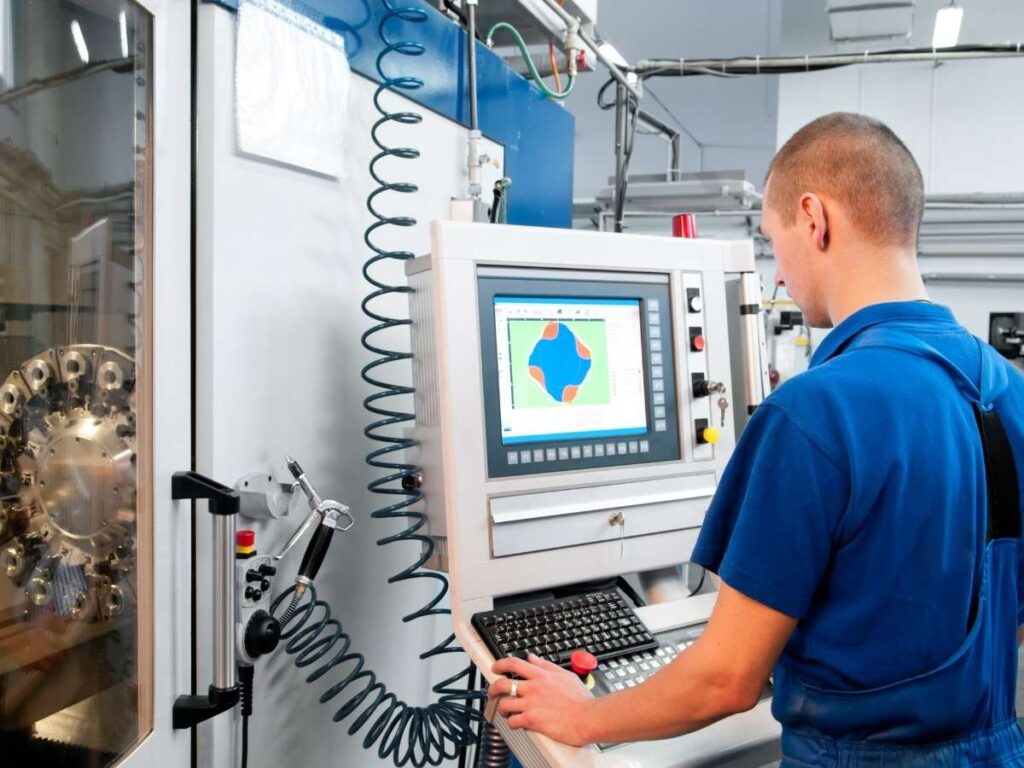
CNC machines might be automated, but they don’t run themselves. You still need experienced operators, programmers, and maintenance staff to keep everything working right. Finding people with those skills can be tough, especially in smaller markets. Without the right team in place, even the best machine won’t reach its full potential.
4. When CNC Machining is the Right Choice
There was a moment when I knew CNC was the right path for our team. We had just landed a large order with tight tolerances and short turnaround times, and our manual processes couldn’t keep up. CNC gave us the consistency and scale we needed to deliver without cutting corners. If you’re wondering whether CNC is a smart move for your operation, these are the signs it’s probably time.
- Your Products Demand Tight Tolerances: If your parts need to hit the same exact dimensions every time, CNC gives you that level of control. It’s built for high-precision manufacturing where accuracy is non-negotiable.
- You’re Taking on Larger or Repeat Orders: When your workload grows, CNC helps you keep pace without adding a lot of overhead. Once the program is ready, you can produce hundreds or thousands of identical parts with ease.
- Design Complexity Is Increasing: If your designs involve curves, pockets, or intricate geometry, manual machining just can’t keep up. CNC makes these advanced features achievable with far less hassle.
- You’re Losing Time to Manual Rework; When errors and inconsistencies are eating into your production time, CNC helps eliminate those problems. The repeatability means fewer mistakes and faster delivery.
- Skilled Labor Is Hard to Find: If you’re struggling to hire or train experienced machinists, CNC helps ease that pressure. One trained operator can oversee multiple machines and get more done with less hands-on effort.
- You Want to Streamline Prototyping: CNC is great for quickly turning digital designs into physical parts. It lets your team test, refine, and repeat without long delays between iterations.
- You’re Expanding Into Regulated Industries: Industries like aerospace or medical manufacturing require high standards and repeatable quality. CNC helps meet those strict requirements while keeping your operation compliant.
5. When to Consider Alternatives
I’m a big believer in CNC machining, but I’ve also learned it’s not always the best solution. There were times when we overcomplicated a job by forcing it into a CNC workflow that didn’t fit. Looking back, some projects could have been faster or cheaper using more traditional methods. If you’re weighing your options, here are a few times when going with something other than CNC might actually be smarter.
Short Runs With Simple Parts
If you’re only making a handful of parts and the design is basic, CNC might add unnecessary setup time and cost. Manual machining or even basic fabrication tools could get the job done quicker and with less hassle. CNC is most efficient when it’s running long or repeatable jobs where the prep work pays off. For quick, low-volume tasks, old-school methods are sometimes the better choice.
Projects That Need Frequent On-the-Fly Changes
In fast-paced environments where designs shift often, CNC can slow you down. Every change requires reprogramming, testing, and sometimes retooling, which adds layers of delay. Manual machining gives you more flexibility to adapt in real time without stopping production. If your team needs that kind of agility, a manual approach might save more than it costs.
Budgets That Can’t Support the Full Setup
CNC machining isn’t just about the machine itself. You’ll need software, tooling, training, and ongoing maintenance, which can stretch a lean budget. If your cash flow is tight or you’re just starting out, it might make more sense to outsource your CNC work or stick with manual tools until volume justifies the cost. Being realistic about where your business is financially can help avoid regret later.
6. Tips for Maximizing CNC Machining Benefits
After getting past the initial learning curve, I realized that the true value of CNC machining doesn’t come from just owning the equipment. It comes from how well you use it, maintain it, and train your team around it. If you want to get the most out of your CNC setup, here’s what I’d recommend based on real-world experience.
Invest in Proper Training From the Start
A CNC machine is only as good as the person programming and running it. Don’t assume your team can pick it up as they go. Invest in training on CAD, CAM software, machine operation, and troubleshooting before bad habits form. It may feel like a delay at first, but it will save you time, scrap, and stress down the road.
Standardize Your Processes and Documentation
When every job is approached differently, you waste time and increase the chance for mistakes. Creating clear setup sheets, tool libraries, and part programs keeps everyone on the same page. It also makes it easier to hand off tasks or train new staff without starting from scratch each time. Consistency in your workflow leads to more consistent parts.
Keep Up With Maintenance and Calibration
It’s easy to get busy and push machine maintenance to the back burner. But even small calibration issues can lead to poor part quality or wasted materials. Stick to a regular maintenance schedule, and make sure your tools are always sharp and aligned. Treating your equipment with care pays off in longer machine life and better daily performance.
Track Your Job Data and Learn From It
If you’re not reviewing cycle times, scrap rates, and tooling costs, you’re leaving money on the table. Data helps you spot where time or materials are being wasted. Over time, you can adjust your setups, feeds, and workflows to improve efficiency and profitability. The more you learn from each job, the stronger your CNC process becomes.
Conclusion
CNC machining isn’t perfect, but it’s powerful. When it fits, it transforms your production from stressful to seamless.
We covered what CNC is, when to use it, and where it might trip you up.
You learned what matters most when the stakes are high.
I saw the shift firsthand. And now it’s your turn.
Contact MachMaster today and let us help you build what’s next.
Explore More Helpful Resources
There’s more to explore! Check out our additional product selections to find exactly what you’re looking for:
Still haven’t found what you’re looking for? Don’t hesitate to contact us. We’re available around the clock to assist you.