
Here’s something no one told me early on. Some industries default to injection molding. It’s built into how they make things from toothbrushes to car parts.
But unless you’ve worked inside those industries, you might never know that.
I learned this while helping a client who wanted to redesign a casing for a small medical device.
She didn’t mention molding, I had to bring it up. And it made all the difference.
If you’re trying to figure out whether injection molding fits your product, this guide will walk you through it.
You’ll learn what industries rely on it, what types of parts they mold, and what you can learn from them. By the end, you’ll know whether injection molding makes sense for your own product, volume, and supply chain.
Let’s start!
Overview
To help you see the big picture, here’s a quick breakdown of how different industries use injection molding. This table sums up the key products, materials, and reasons they rely on it.
| Industry | Common Products | Key Materials | Why It Works | Suggested Subheading Title |
| 1. Automotive | Dashboards, bumpers, clips, panels | ABS, Polypropylene, Nylon, Polycarbonate | Cost-effective for large volumes, durable, reduces weight | How the Automotive Industry Drives Efficiency |
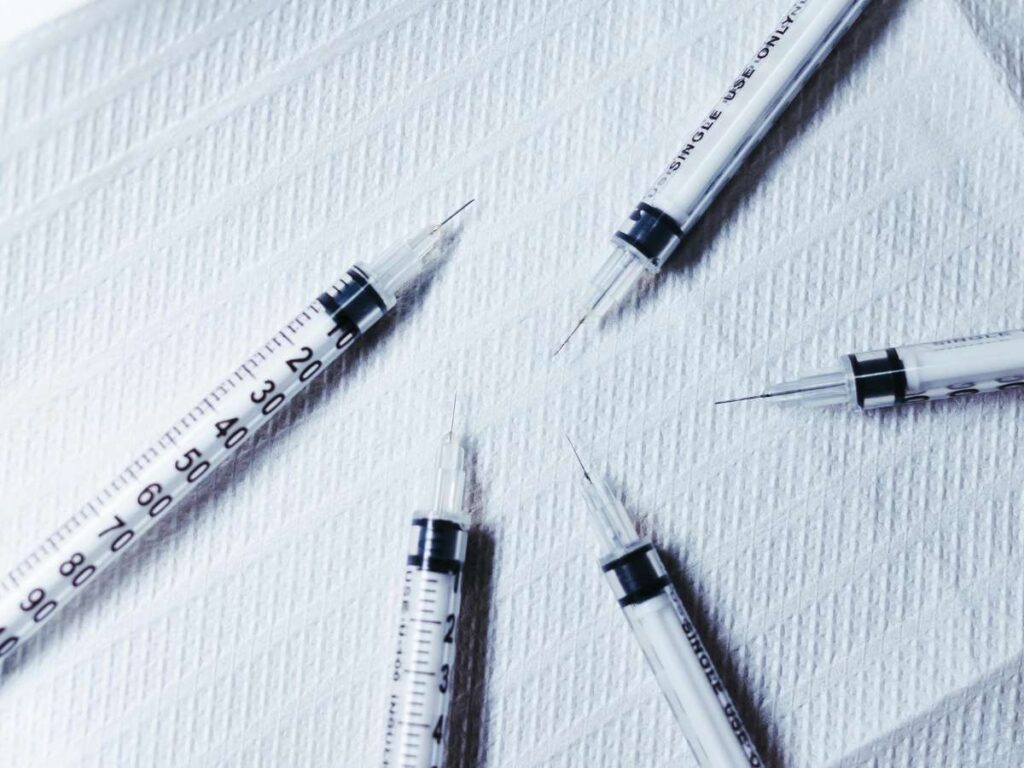
| 2. Medical and Healthcare | Syringes, IV parts, pill containers, diagnostic casings | Polypropylene, PE, PVC, PEEK | High-volume needs, sterile, single-use items | Why Medical Devices Depend on Injection Molding |
| 3. Consumer Electronics | Phone cases, remotes, laptop shells, adapters | ABS, Polycarbonate, TPU, Nylon | Tight tolerances, sleek design, precision parts | Injection Molding in Consumer Tech Products |
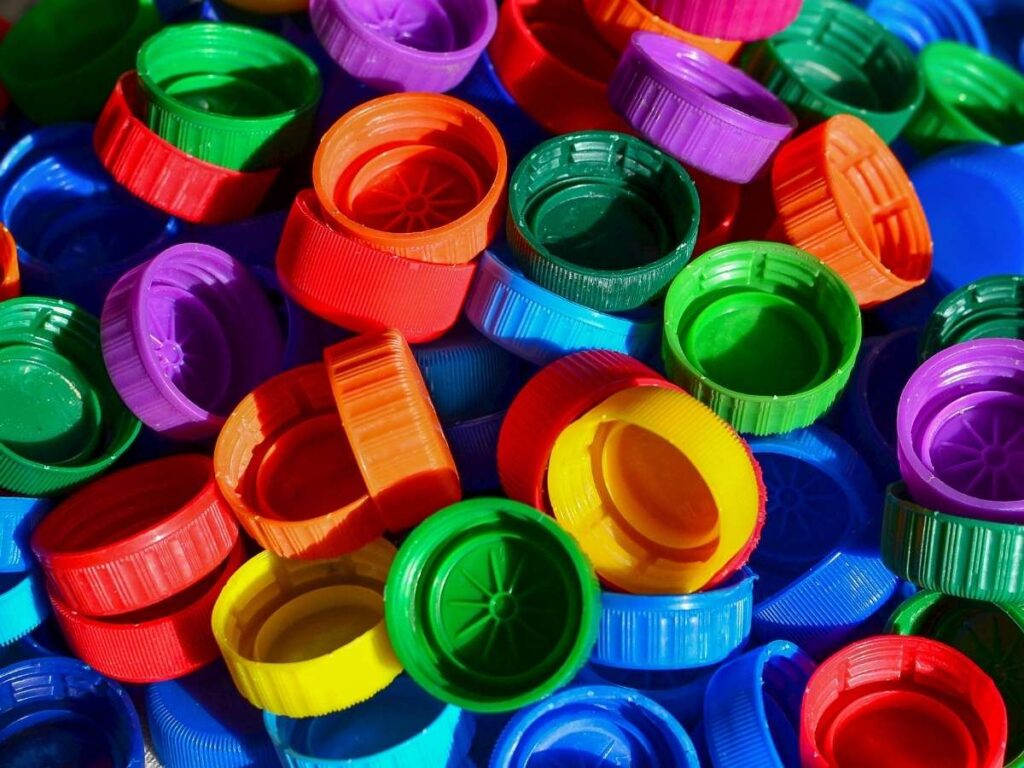
| 4. Packaging | Bottle caps, food tubs, cream jars | Polypropylene, PE, PS, HDPE | Fast production, low cost per part, food-safe materials | Packaging that Performs: Molding in Everyday Use |
| 5. Consumer Products | Kitchenware, toys, bins, hangers | ABS, PP, PS, TPR | Affordable, repeatable, simple shapes | Everyday Items You Didn’t Know Were Molded |
| 6. Appliances & Home Equipment | Vacuum shells, knobs, fans, blender parts | ABS, Polycarbonate, Nylon, PP | Durable and consistent components for mass production | Injection Molding Behind Your Home Appliances |
| 7. Construction Materials | Electrical boxes, spacers, pipe fittings | PVC, Nylon, PP, PC | Strength, weather resistance, precision for fitting | Building Materials That Snap into Place |
| 8. Agriculture | Sprayer parts, seed trays, tool handles | PP, HDPE, Nylon, TPU | Withstands moisture, sun, and rough use | Growing with Plastic: Molding in Agriculture |
| 9. Aerospace (Non-structural) | Cabin parts, vents, tray components, bin handles | PEEK, ABS, PC, UULTEM | Lightweight, flame-resistant, detailed small parts | Lightweight Solutions for Aerospace Interiors |
| 10. Sports & Recreation | Helmets, bottle caps, grips, goggles | PC, ABS, TPR, Nylon | Impact resistance, ergonomics, smooth surface finish | Playing Hard: Injection Molding in Sports Gear |
This gives you a starting point to compare your own product needs to real examples. See anything that lines up with your project?
1. Automotive Industry
I used to think cars were mostly metal. Steel frames, aluminum panels, heavy-duty bolts. But once I visited a plastic parts supplier for an auto brand, that idea flipped fast.
Turns out, plastic is everywhere in vehicles. And most of it? Injection molded.
What They Use It For
Think about the inside of your car:
- Dashboards
- Door panels
- Air vents
- Switch housings
- Seat belt components
- Even cup holders
Outside the car, you’ll find molded plastic in bumpers, mirror housings, and trim parts.
These parts aren’t just for looks. They need to hold up to heat, pressure, vibration, and sometimes sunlight.
Why Injection Molding Works Here
So why use plastic?
Simple: It saves time, money, and weight.
Once a mold is made, parts can be produced quickly. The cost per part drops as the volume goes up. And plastic helps reduce weight, critical for meeting fuel efficiency goals.
That speed and repeatability make injection molding a smart choice for auto production lines.
Typical Materials Used
Not every plastic is the same. Auto makers use specific ones depending on what the part needs to do.
- ABS: used for dashboards and interior panels
- Polypropylene: great for bumpers and trim
- Nylon: strong under the hood
- Polycarbonate: clear and tough for light covers
Each one offers a mix of strength, heat resistance, and flexibility.
What This Means for You
So, are you building parts that need to be tough, light, and repeatable?
Working on housings, panels, or anything that clicks together?
If your product faces vibration, weather, or tight tolerances, the same logic applies.
You don’t need to be in the car industry to learn from it.
Seeing how the automotive industry uses injection molding helps you ask the right questions and maybe avoid a costly wrong turn.
2. Medical and Healthcare Industry
A few years ago, I toured a facility that made plastic parts for hospitals. What surprised me wasn’t how clean the place was, it was how precise everything had to be.
One of the engineers held up a tiny syringe cap. “This,” he said, “is injection molded.”
That stuck with me.
What They Use It For
Injection molding is used in hospitals, labs, and clinics every day.
Here are some common products:
- Syringes
- IV connectors
- Surgical tool handles
- Diagnostic casings
- Test tube racks
- Pill containers
These parts may look simple but in this industry, consistency is everything.
Why Injection Molding Works Here
Let’s think about why it fits so well.
Medical parts often need to be made in high volumes. And they need to be clean, lightweight, and affordable.
Injection molding checks all those boxes. Once a mold is ready, parts can be made fast. The cost stays low—even for millions of pieces.
Plus, many medical parts are single-use. So, fast and repeatable production matters a lot.
Typical Materials Used
The plastics used in this industry must be safe and stable.
Here are a few common ones:
- Polypropylene: used for pill bottles and syringes
- Polyethylene: flexible and chemical resistant
- PVC (Polyvinyl Chloride): used in tubing and connectors
- PEEK (Polyetheretherketone): high strength for surgical tools
These materials often meet strict health and safety standards.
What This Means for You
Are you working on a product for healthcare or wellness?
Something that touches the body or gets used in a clean setting?
Even if it’s not hospital-grade, you can still learn from this.
Medical products show how injection molding delivers speed, precision, and safety.
If your project needs those three things, this process could be the right fit.
3. Consumer Electronics Industry
I still remember cracking open my old TV remote as a kid. I wanted to see what was inside. What I found was a shell that looked simple but every curve and screw hole was shaped perfectly.
That shell? Injection molded.
What They Use It For
Consumer electronics rely heavily on molded parts.
You’ll find them in:
- Phone cases
- Remote controls
- Computer mice
- Laptop shells
- Headphones
- Power adapters
These parts hold delicate electronics. They also need to feel smooth in your hand, stay cool during use, and survive daily wear.
Why Injection Molding Works Here
Let’s think about what this industry needs: precision, speed, and volume.
Electronics often have small, detailed housings. Injection molding helps make those shapes with consistency. And once production ramps up, it cuts cost per part.
It’s also ideal for complex designs with snap fits, clips, or internal guides. That’s hard to do with other methods.
Typical Materials Used
The plastics used here need to be heat-stable and durable.
Some common ones are:
- ABS: sturdy, impact-resistant, and smooth to the touch
- Polycarbonate: clear and strong, often used for screens or covers
- TPU (Thermoplastic Polyurethane): flexible, used for buttons and grips
- Nylon: great for wear-resistant parts
Each material matches the needs of both function and design.
What This Means for You
Are you developing a tech product?
Designing a case, grip, or shell? Maybe a small part that clicks into something else?
Then look closely at how consumer electronics companies use injection molding.
It’s a solid way to get clean, repeatable shapes that look good and work well.
If you’re looking for a manufacturing partner who understands the demands of electronics—tight fits, complex shapes, and fast turnaround, MachMaster can help.
We serve over 500 global customers with ISO 9001-certified, precision injection molding built for modern product development.

4. Packaging Industry
I once worked with a small food startup that spent weeks picking the right lid. It had to seal tightly, be food-safe, and feel good in the hand. Eventually, they landed on an injection molded design—and never looked back.
What They Use It For
Packaging is everywhere. And molding makes it fast.
You’ll find injection molded parts like:
- Bottle caps
- Food containers
- Cream jars
- Measuring scoops
- Lids for tubs and buckets
Many of these parts are small. But they get made by the millions.
Why Injection Molding Works Here
Packaging needs to be cheap, clean, and made fast.
Injection molding offers quick production with low per-part cost. Plus, molds can create exact threads, seals, and textures.
It also allows you to use food-grade plastics, which is a must in this space.
Typical Materials Used
Here are some plastics often used in packaging:
- Polypropylene: lightweight and food-safe
- Polyethylene: strong and flexible
- Polystyrene: used for clear containers
- HDPE (High-Density Polyethylene): good for strength and barrier properties
Each material serves a slightly different purpose, depending on what’s being stored.
What This Means for You
Are you launching a product that needs packaging? Need a cap, jar, or custom-fit container?
You might not think of packaging as high-tech. But choosing the right method can affect cost, function, and user experience.
Injection molding is often the right call when you need clean finishes, high volumes, and food-safe options.
5. Consumer Products and Household Goods
Look around your home right now. Chances are, you’ll spot at least five things made with injection molding. I just glanced around my desk and counted seven.
What They Use It For
This category is wide. Really wide.
You’ll find molded plastic in:
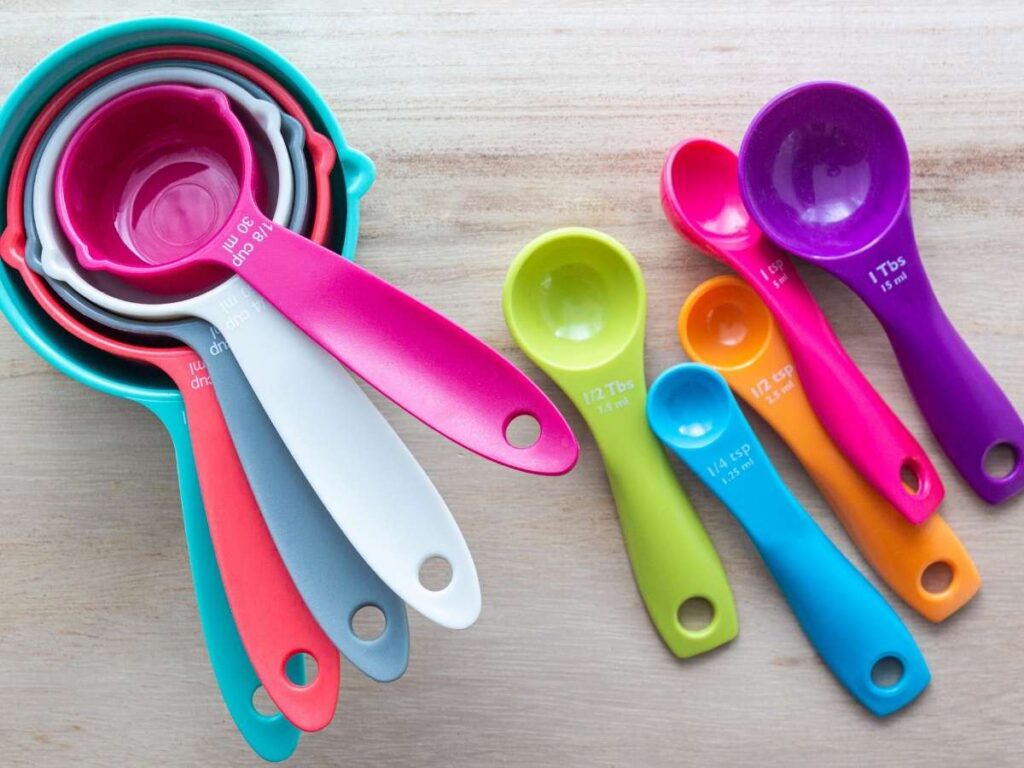
- Kitchenware (measuring cups, spatulas, storage bins)
- Toys
- Toothbrush handles
- Soap dispensers
- Hangers
- Laundry baskets
Everyday things but made at massive volumes.
Why Injection Molding Works Here
People expect household items to be cheap, strong, and easy to replace.
Molding helps with all three.
It allows companies to create shapes quickly and repeat them without error. That keeps prices low while making large orders possible.
Plus, the surface finish can be smooth, textured, or detailed right out of the mold.
Typical Materials Used
You’ll see some familiar plastics here:
- Polypropylene: used for storage bins and kitchen tools
- ABS: strong and good-looking
- Polystyrene: often used in toys or containers
- TPR (Thermoplastic Rubber): soft and flexible for grips or kid-safe items
The material depends on feel, function, and how much wear the part will take.
What This Means for You
Are you working on a household product? Or something that needs to be both affordable and repeatable?
Then you’re in good company. So many common products are molded because the process just makes sense.
It’s one of the best ways to turn a great idea into something practical and repeatable—something people can actually use every day.
6. Appliances and Home Equipment
I helped a friend repair their old vacuum cleaner last year. We opened it up expecting metal and wires. Instead, we found plastic clips, shells, and vents, shaped perfectly to hold everything in place.
That’s when I realized just how much of our home gear is molded.
What They Use It For
In this category, injection molding shows up in a lot of places:
- Washing machine knobs
- Vacuum housings
- Blender parts
- Refrigerator trays
- Air purifier shells
- Fan blades
These parts may not look flashy, but they serve important roles, supporting, covering, or controlling.
Why Injection Molding Works Here
Let’s think about what these items need.
They often include curved surfaces, tight fits, or moving parts. Injection molding handles that well. It also allows appliance makers to build both small pieces and large covers with a clean, consistent finish.
And since many appliances are mass-produced, speed and cost matter too.
Typical Materials Used
Common plastics here include:
- ABS: used for knobs and casings
- Polycarbonate: clear, tough, and heat-resistant
- Polypropylene: strong but lightweight
- Nylon: used for gears or internal supports
Each material is picked to match the product’s stress, heat, or shape needs.
What This Means for You
Working on a kitchen tool? A home gadget? Something with both form and function?
If your product needs structure, durability, and a clean appearance, this is worth thinking about.
You don’t have to be an appliance company to use what they use. If your product faces similar stress, injection molding might be your best option.

7. Construction and Building Materials
One summer, I helped a contractor friend on a job site. I was in charge of organizing supplies. That’s where I noticed how many boxes were full of molded plastic.
Electrical boxes, pipe joints, spacers, they were everywhere.
What They Use It For
In construction, injection molding is used for:
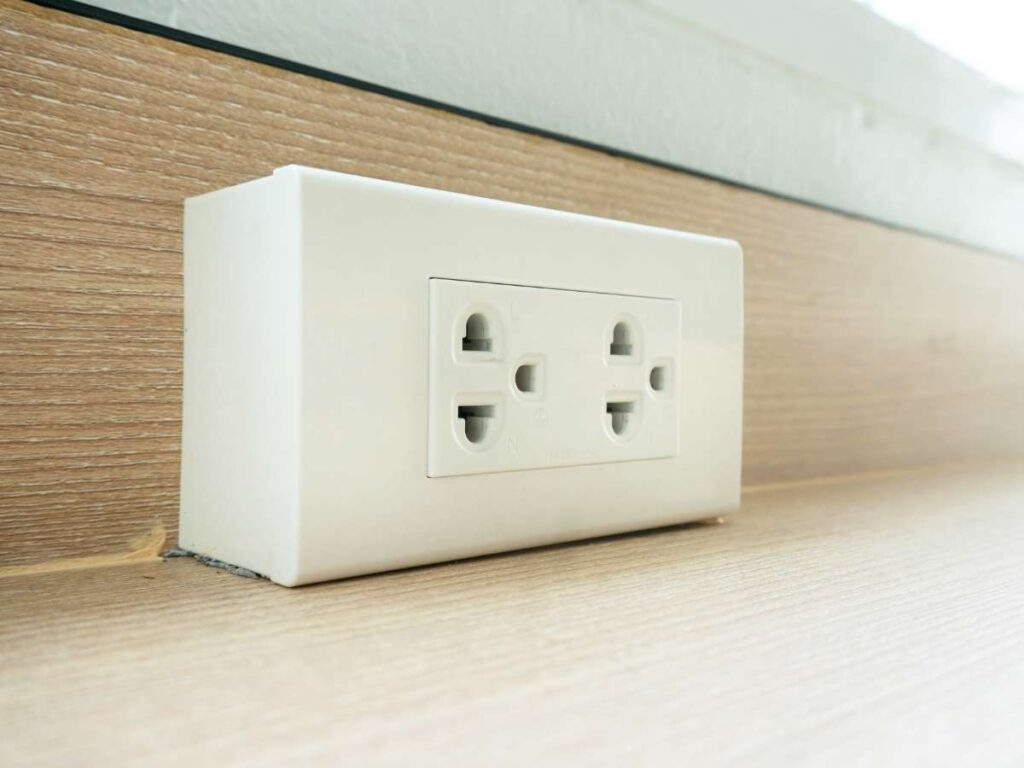
- Electrical outlet boxes
- Pipe fittings
- Fasteners and spacers
- Insulation anchors
- Safety covers
These are parts you’ll find behind walls, under floors, or in utility rooms.
Why Injection Molding Works Here
These parts must hold up to pressure, weather, and years of use.
Injection molding works here because it creates strong, consistent parts with exact fits. That means fewer delays on site and faster installs.
Also, parts like fittings or spacers don’t need fancy finishes. That helps keep costs low—especially in bulk.
Typical Materials Used
Here are a few common plastics used in construction:
- PVC: used for pipe fittings and electrical boxes
- Nylon: durable and heat resistant
- Polypropylene: strong and affordable
- Polycarbonate: used where extra strength is needed
These materials are often chosen for weather resistance and strength.
What This Means for You
Are you building a part that needs to last? Something that needs to fit cleanly into another piece?
If your product is used outdoors or in a rough setting, this example applies to you.
Injection molding might offer the strength and volume you need—without the high price tag.
8. Agricultural Equipment and Tools
I once helped a small farm business redesign a seed spreader. Their old model used metal brackets that rusted too fast. So they tried plastic.
They switched to molded parts and never looked back.
What They Use It For
In agriculture, molded plastic shows up in:
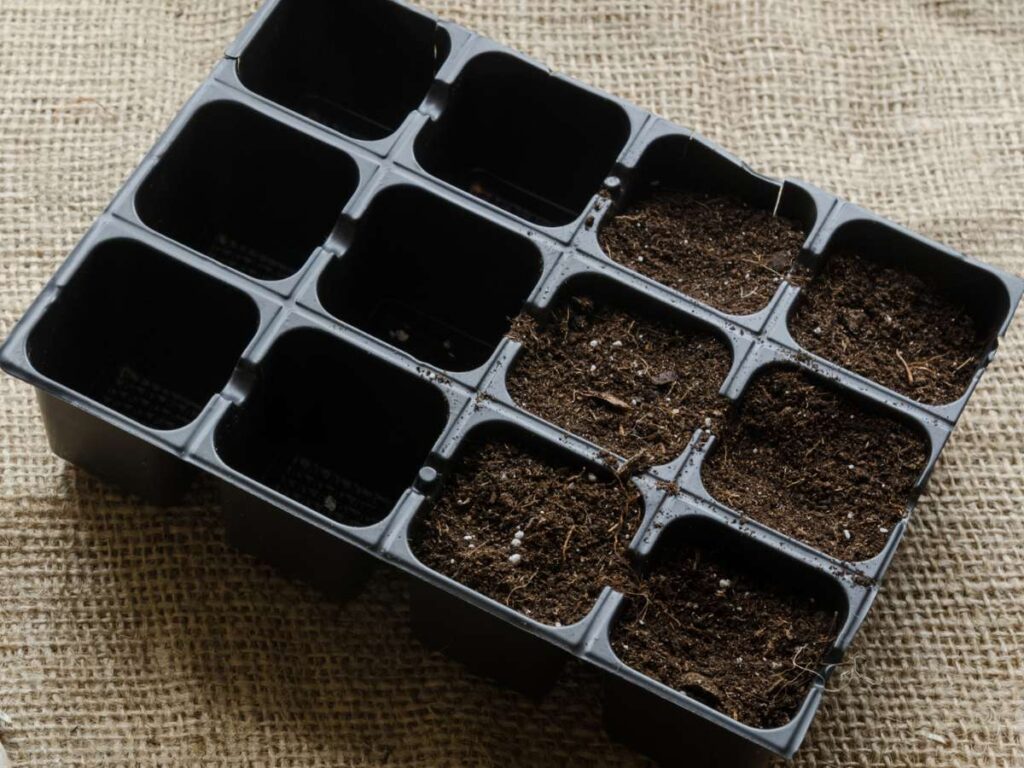
- Seed trays
- Tool handles
- Clips and latches
- Protective covers
- Nozzles and sprayer parts
These parts may seem small, but they deal with tough work.
Why Injection Molding Works Here
Out in the field, things get rough. Heat, water, chemicals, and dirt are all part of the job.
Injection molding helps because it makes strong, lightweight parts fast. And with the right plastic, the part can hold up to weather, use, and cleaning.
It also lets farmers replace worn pieces easily without full tool replacement.
Typical Materials Used
Common plastics in this industry include:
- Polypropylene: water-resistant and tough
- HDPE: great for containers and outdoor use
- Nylon: good for structural parts
- TPU: flexible, used for grips and covers
These choices help the parts last longer under field conditions.
What This Means for You
Are you building something that gets used outside? Or maybe something that needs to survive wear and weather? If your product faces the same challenges as farm tools—heat, moisture, impact—then this example can guide your process.
Injection molding might give you durability without the weight or rust of metal.
9. Aerospace (Non-Structural Components)
A few years ago, I met an engineer who worked on cabin interiors for aircraft. He showed me a vent piece about the size of my hand.
I assumed it was aluminum. It wasn’t. It was molded plastic.
What They Use It For
In aerospace, injection molding is used for non-structural parts like:
- Vent covers
- Light housings
- Seat tray components
- Overhead bin handles
- Internal panel clips
These parts don’t hold up the plane but they matter to comfort and safety.
Why Injection Molding Works Here
Weight matters more than anything in aerospace. The lighter the plane, the better the fuel use.
Plastic is perfect for this. Injection molding allows for lightweight, accurate parts that meet exact shapes and tight spaces.
And since aircraft parts go through wear, molding helps keep replacements easy and affordable.
Typical Materials Used
This industry often uses advanced plastics like:
- PEEK: strong, heat-resistant, and meets aerospace standards
- Polycarbonate: used for lenses and light covers
- ABS: common for cabin interiors
- UULTEM: used in high-performance parts
These materials are chosen based on fire resistance, strength, and weight.
What This Means for You
Even if you’re not building airplane parts, think about your product. Is weight important? Do you need tight fits or flame resistance? Will your part be touched or seen by users?
The way aerospace companies use molding shows how far plastic can go. You might be able to apply the same thinking to your product.

10. Sports and Recreation
I once bought a pair of sports goggles that felt light but nearly indestructible. After dropping them more times than I want to admit, they still held up.
Turns out, the frame was injection molded.
What They Use It For
In sports and outdoor gear, you’ll find molded parts in:
- Helmet shells
- Water bottle caps
- Goggles and frames
- Bike components
- Fitness equipment grips
- Game pieces and gear handles
These parts need to be strong, safe, and often lightweight.
Why Injection Molding Works Here
Whether it’s a helmet or a water bottle, these products need to handle impact and movement.
Injection molding helps because it makes repeatable, smooth shapes that can take a hit. It also gives flexibility in design, so brands can shape parts for grip, style, or safety.
And with the right plastic, these parts last a long time.
Typical Materials Used
You’ll see these materials a lot:
- Polycarbonate: great for goggles and impact gear
- ABS: strong and used for shells
- TPR: soft and grippy
- Nylon: used in gear with moving parts
Each one is chosen to match the part’s stress level and user contact.
What This Means for You
Are you making something that moves? Something that’s held, dropped, or used outside? If so, take notes from this industry.
Injection molding lets you create tough, light, and user-friendly parts at scale. Whether you’re making gear or accessories, this method might check all your boxes.

Conclusion
You’ve just walked through 10 industries that rely on injection molding, and hopefully, you’re beginning to see a pattern.
It’s not just about mass production. It’s about making parts that fit well, function properly, and can be repeated over and over again without losing quality.
From healthcare tools to electronics, sports gear to packaging, the same principles apply: tight tolerances, strong materials, and smart design choices.
If you’re wondering whether your product should follow the same path, now’s the time to explore it.
Need a second opinion? Or just a starting point?
Contact us today and take the first step toward smarter production.
More Guides and Tips to Explore
We’ve got more for you! These articles provide more tips and guidance to keep you on track:
Injection Molding Basics:
- What Is Injection Molding?
- Injection Molding Process: Step by Step Guide
- 9 Different Types of Injection Molding
- How Long Does Injection Molding Take?
- Top 8 Benefits of Injection Molding
Design & Defects:
- Your Quick Guide to Injection Mold Design
- 9 Tips on How to Prevent Injection Mold Flash
- Injection Molding Sink Marks: Causes & Fixes
- Different Types of Gates in Injection Molding
- Common Injection Molding Defects and Fixes
Specialized Processes & Applications:
- Rubber Injection Molding Process: Step by Step Guide
- Rubber Moulding Process: Step by Step Guide
- What is Automotive Injection Molding?
- Injection Molding vs Blow Molding: What’s the Difference?
Still haven’t found what you’re looking for? Don’t hesitate to contact us. We’re available around the clock to assist you.