
The order was urgent.
But the wires kept snapping.
A long-time client called us frustrated. They’d sourced a batch of precision wires, only to find they weren’t drawn to spec. Tolerances were off. The surface finish was rough. And the supplier blamed the design.
I’ve seen this too many times. Wire drawing is simple, until it isn’t.
I’ve helped dozens of factories avoid costly errors by breaking down what wire drawing can do, and when it’s the best method to get consistent, high-strength wire.
This article will show you:
- What wire drawing really is
- How it works, step by step
- What makes it ideal for certain parts and materials
- When to use it (and when not to)
If you’re here to figure out whether wire drawing fits your production, you’re in the right place.
Let’s jump in!
1. What Is Wire Drawing
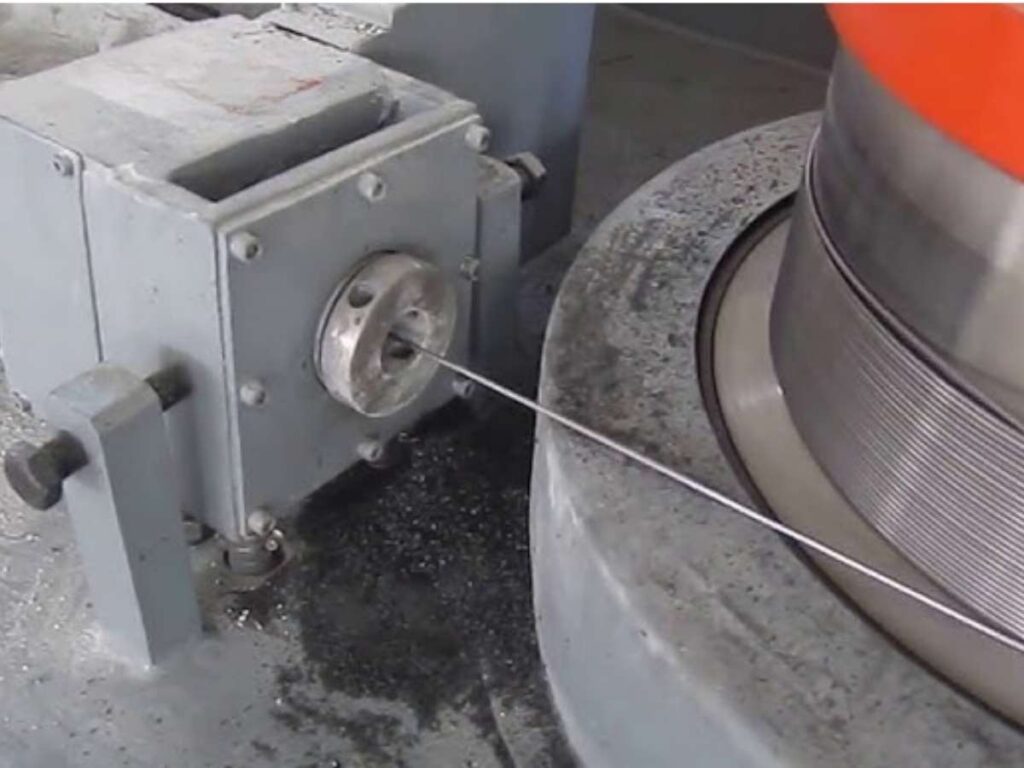
Wire drawing is the process of pulling metal through a series of dies to make it thinner, longer, and stronger.
It doesn’t involve melting or reshaping with heat. Instead, the metal is cold-drawn, which means it’s pulled at room temperature through precision-sized dies that gradually reduce the diameter.
As the wire is drawn, something powerful happens: the diameter shrinks, the length increases, and the metal gets stronger through a process called work hardening.
That’s how a thick steel rod becomes a fine wire coil, ready for use in everything from electric motors to structural mesh.
You don’t lose any material in the process. No shavings, no cutoffs, no scrap. The metal is reshaped without waste. That’s not just efficient, it’s smart business. Especially when working with high-cost alloys or bulk orders.
The tools that make all this happen?
- Dies: Hardened molds that shape the wire to exact specs
- Capstans: Rotating drums that pull the wire through the dies
- Drawing machines: The heart of the operation, synchronizing speed, tension, and die sequence
These tools work together to give you tight tolerances, smooth surface finishes, and consistent results batch after batch.
2. Benefits of Wire Drawing
If you’re evaluating wire drawing as part of your production process, or sourcing from vendors who use it, you need to know exactly what value it brings to your business. And the truth is, it’s more than just shaping metal.
This process delivers tangible, bottom-line benefits that directly impact product performance, manufacturing efficiency, and supply chain reliability.
Let’s break it down:
Improved Tensile Strength Through Cold Working
When metal is pulled through dies without being heated, its internal grain structure changes. This cold forming process increases the tensile strength of the wire.
What does that mean to you?
- You get a stronger final product without changing materials.
- Your wires can withstand more tension, bending, or mechanical stress, critical for everything from springs to structural reinforcements.
- In some cases, you can reduce material thickness (and cost) without compromising performance.
I learned this during a project involving tension springs. The vendor recommended cold-drawn wire, and the final product held up better than our previous run, with zero redesign needed.
Precise Diameter Control for High-Spec Applications
Wire drawing offers incredible dimensional accuracy, often within microns.
That kind of precision is crucial when you’re working on:
- Electrical components that need uniform conductivity
- Medical devices that require micro-scale tolerances
- Fasteners and fittings that must meet strict compliance standards
With wire drawing, you don’t have to worry about inconsistent gauges or out-of-spec parts. You get control, and your designs actually match your production reality.
Smooth Surface Finishes Reduce Friction and Wear in Downstream Use
As the wire is drawn through polished dies, the surface gets compressed and smoothed out.
The result?
- Less surface friction in applications involving movement or contact
- Reduced wear and tear on forming tools, stamping dies, or electrical insulation
- Fewer defects in coating, plating, or welding processes
This pays off in durability, product life span, and easier handling across the line.
Material Versatility (Copper, Steel, Aluminum, Etc.)
One of the biggest reasons wire drawing is used across industries? It works with a wide range of metals, including:
- Copper – Excellent for electrical conductivity
- Steel – For strength, structure, and springs
- Aluminum – Lightweight, corrosion-resistant, great for aerospace and electrical
- Brass, titanium, stainless steel, and more
This flexibility gives you options, especially when you’re prototyping, balancing cost vs. performance, or switching suppliers.
When you look at the full picture, wire drawing isn’t just a way to shape metal, it’s a high-precision, high-impact process that adds value at every stage of production.
If you’re serious about quality, efficiency, and long-term performance, this process deserves a place in your playbook.
3. Types of Wire Drawing
Not all wire drawing is created equal. Depending on your material, final specs, and industry application, the type of drawing process you use can make or break your results.
At MachMaster, we guide our clients through selecting the right method, not just for quality, but for cost-efficiency and performance.
Let’s walk through the main types you should know.
Dry Drawing
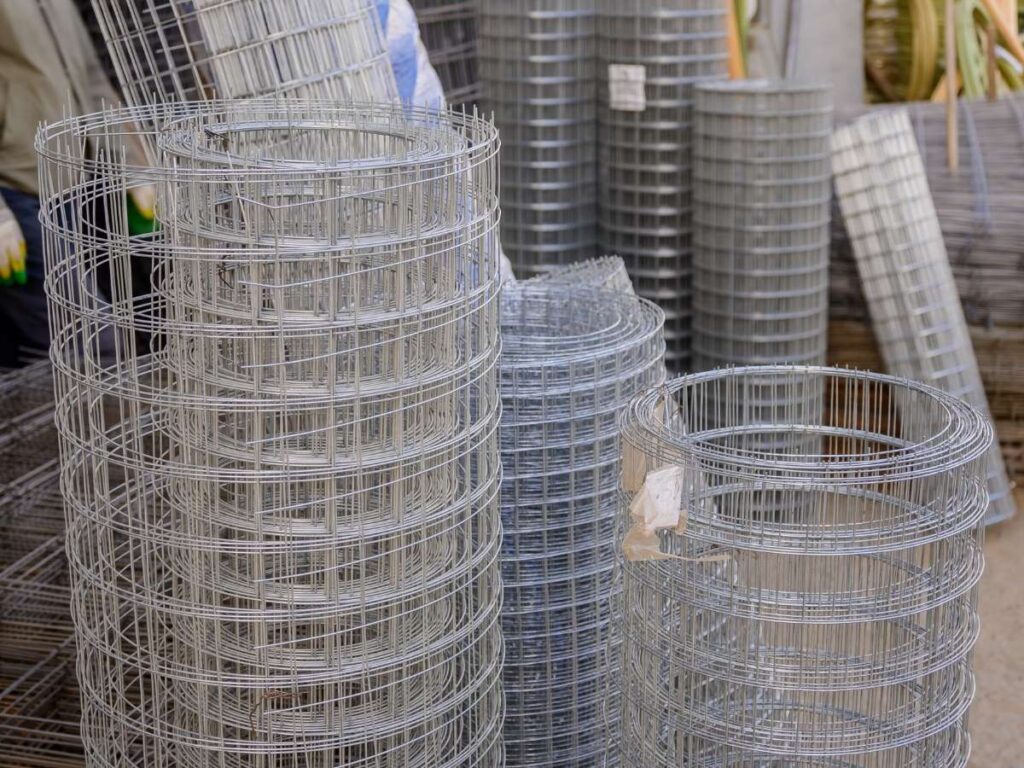
This is one of the most common and cost-effective methods, especially for harder metals like carbon steel or stainless steel.
In dry drawing, the wire is pulled through dies that are coated in a dry lubricant, usually powdered soap or lime. The lack of a liquid bath keeps the process clean and relatively simple.
Best For:
- Structural applications
- Fencing and mesh
- Automotive components (springs, fasteners)
- Medium to high-volume runs with tough metals
Why It Works:
- Lower equipment and maintenance costs
- Longer die life for harder materials
- Excellent strength improvement due to cold working
If you’re working in construction or heavy equipment manufacturing, dry drawing could be your go-to.
Wet Drawing
Wet drawing involves pulling the wire through dies submerged in a lubricant solution, usually oil- or water-based. This setup minimizes friction and reduces heat buildup during drawing, which results in an exceptionally smooth surface finish.
Best For:
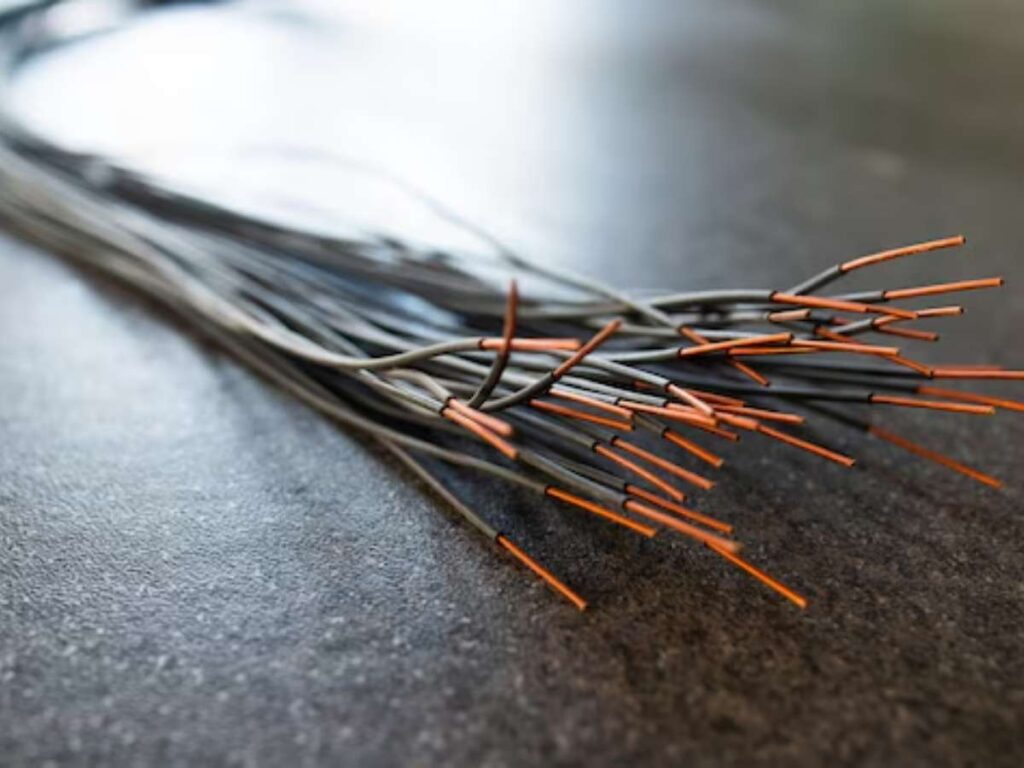
- Fine wires (used in electronics, medical devices, or instrumentation)
- Applications where surface finish and precision are critical
- High-speed production lines
Why It Works:
- Superior dimensional accuracy
- Less risk of surface cracking or tearing
- Cleaner wire finish with minimal oxidation
If your product requires tight tolerances and high conductivity, like in microelectronics or medical-grade wire, wet drawing is the preferred route.
Hot Drawing
Hot drawing is less common but still critical for certain applications. In this method, the metal is heated before being drawn through the die. While this softens the wire and makes it easier to shape, it also changes the metallurgical properties, making it suitable for specific high-load uses.
Best For:
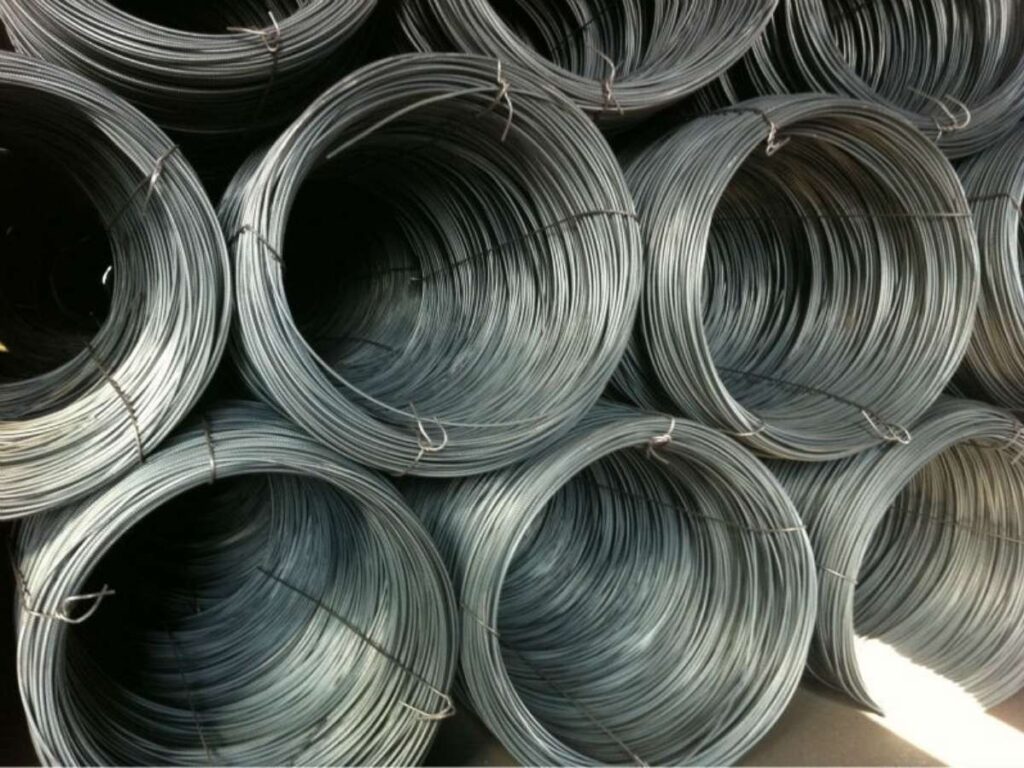
- Large-diameter wire or rods
- Very hard alloys (e.g., titanium, certain tool steels)
- Pre-processing before cold drawing
Why It Works:
- Reduces risk of cracking in brittle materials
- Easier to form difficult alloys
- Can serve as an intermediate step in multi-stage production
Use hot drawing when you’re dealing with materials or shapes that cold drawing simply can’t handle on its own.
Single-Pass vs. Multi-Pass Drawing
Another important distinction: how many stages the wire goes through.
- Single-pass Drawing: The wire goes through one die to achieve a minor diameter reduction. Best for custom, low-volume jobs or when only minimal reshaping is needed.
- Multi-pass Drawing: The wire is drawn through several dies in a sequence, with each pass slightly reducing the diameter. This method is ideal for large reductions in size while maintaining surface integrity.
Which Method Is Right for You
Here’s a quick guide to help you match process to application:
| Process Type | Best For | Key Benefit |
| Dry Drawing | Hard metals, structural parts | Cost-effective, high strength |
| Wet Drawing | Fine wire, smooth finish needs | High precision, reduced friction |
| Hot Drawing | Thick wire, tough alloys | Easier shaping, reduced cracking |
| Single-Pass | Small tweaks, custom jobs | Simple setup, quick results |
| Multi-Pass | Tight tolerances, large volumes | High consistency, scalability |
Choosing the right method isn’t about guessing, it’s about matching your end-use requirements to the right process. And when done right, wire drawing becomes more than a step in production.
It becomes a strategic advantage.
4. Wire Drawing Process: Step by Step
Understanding the wire drawing process isn’t just for engineers in lab coats. If you’re sourcing materials, managing production, or designing products, knowing how the wire gets made gives you better control over cost, quality, and performance.
Here’s a clear walkthrough of the 5 key stages in the wire drawing process, from raw metal to finished product.
Step#1 Material Selection
It all starts with choosing the right metal. Not every material draws the same way, and your choice directly affects everything from tool wear to final wire performance.
Common materials include:
- Copper – Excellent conductivity; ideal for electrical applications
- Aluminum – Lightweight and corrosion-resistant; common in automotive and aerospace
- Steel (carbon, stainless) – Strong and durable; widely used in structural, automotive, and fastener industries
- Brass, titanium, nickel alloys – For specialized applications needing conductivity, corrosion resistance, or heat tolerance
Why does this matter to you?
Because selecting the wrong material, or using a grade that’s too hard, too brittle, or not thermally stable, can lead to wire breaks, die failure, or poor downstream performance.
Step#2 Wire Preparation
Before drawing begins, the wire rod needs to be clean and smooth.
If the surface has mill scale, rust, or oil, it can damage the dies or cause defects in the finished wire. That’s why we start with surface prep.
This step includes:
- Descaling – Removes oxides or rust with acid pickling, mechanical brushing, or shot blasting
- Cleaning – Degreasing or washing to remove oils and dirt
- Lubrication – Applies dry or wet lubricants to reduce friction during the draw
Skipping or rushing this step is a recipe for poor quality. Clean wire flows better, draws smoother, and protects your investment in tooling.
Step#3 Die Selection
The heart of wire drawing is the die, the tool that shapes the wire.
Dies are precision-engineered with a tapered hole that controls the wire’s diameter as it’s pulled through. Each die must be carefully selected based on material hardness, wire size, and finish quality.
Die materials include:
- Tungsten carbide – Tough and affordable; good for most steel and copper
- Polycrystalline diamond (PCD) – Superior wear resistance; used for ultra-fine wires or when extreme precision is required
- Natural diamond – Used rarely, mainly for specialty micro wires
Most wire isn’t drawn in a single pass. It goes through multiple dies in sequence, with each one slightly reducing the diameter. That ensures gradual shaping without breaking or overstressing the wire.
Step#4 Drawing Operation
Now comes the actual draw.
The wire is pulled (not pushed) through the dies using powered capstans or drawing blocks. The key is balancing speed, tension, and cooling so the metal reshapes without snapping or overheating.
Key controls during this step:
- Speed – Too fast and you risk breaks; too slow and you lose efficiency
- Tension – Needs to be just right to stretch the wire without overloading it
- Cooling – Wet drawing uses lubricants as a coolant; dry drawing may use airflow or pause cycles
If you’ve ever had a vendor deliver inconsistent wire tension or diameter, it’s likely because of poor control during this phase.
Step#5 Post-Drawing Treatments
Once drawing is complete, the wire may need post-processing to meet your exact specs or make it easier to use.
Here’s what typically happens next:
- Annealing – Heat treatment to soften the wire or restore ductility (especially after multi-pass drawing)
- Coiling – Wire is wound into spools, coils, or drums depending on delivery format
- Cutting – For fixed-length segments (e.g., rods, fasteners, wire forms)
- Surface coating – Optional plating (zinc, tin, etc.) for corrosion resistance or conductivity
- Packaging – Wire is labeled, bundled, or boxed according to your order requirements
If you’re working with a supplier, this is where you confirm delivery specs: coil sizes, spool types, custom lengths, or special finishing.
5. Applications of Wire Drawing
Wire drawing isn’t a behind-the-scenes process, it’s a foundational step that fuels dozens of industries and touches nearly every product that depends on precision wire.
Whether you’re manufacturing, sourcing, or designing, it’s likely wire drawing plays a direct or indirect role in your operation.
I didn’t fully appreciate this until I walked through one of our supplier’s facilities years ago. Seeing how many product lines relied on drawn wire, from automotive clips to medical leads, was a wake-up call. The scale and versatility were staggering.
Let’s look at how different industries depend on drawn wire every single day.
Automotive Industry
Drawn wire is everywhere in automotive. It’s used for both functional and structural components that must perform under stress, heat, and vibration.
Key applications include:
- Suspension springs and retaining clips
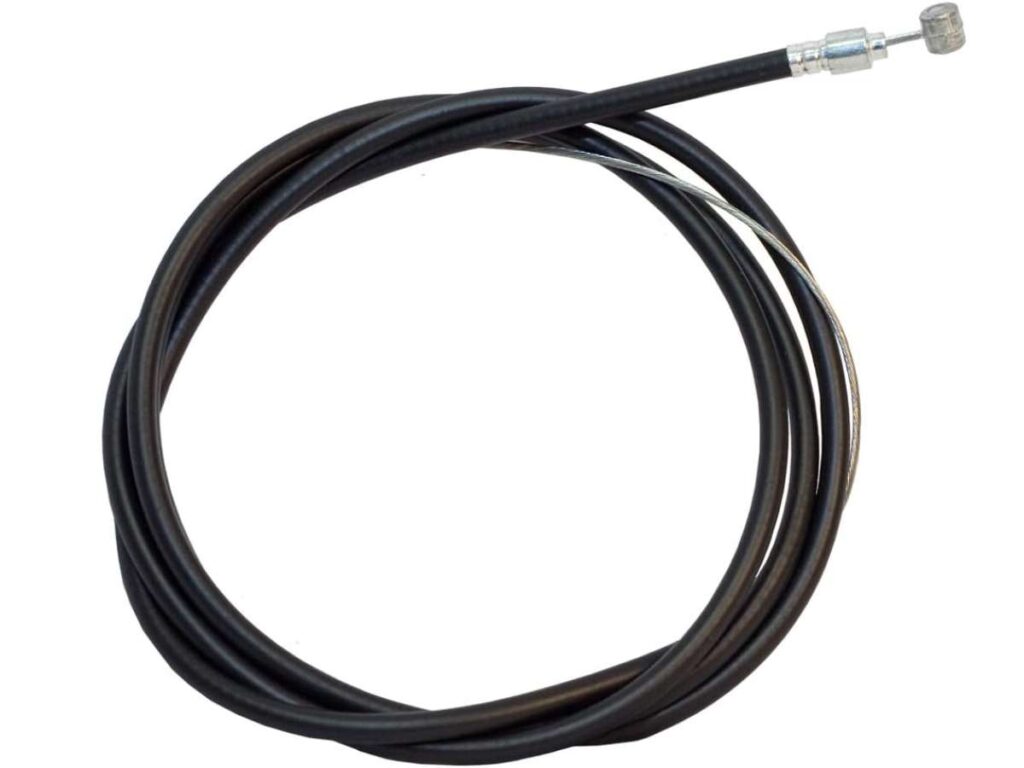
- Brake cables and clutch wires
- Fasteners and cold-headed bolts
- Wire harnesses and electrical connectors
High-strength steel wire, often drawn to exact diameters, is vital to safety and reliability on the road. This makes precision in the drawing process absolutely non-negotiable.
Construction and Infrastructure
In construction, durability and load-bearing performance are everything. Wire drawing supports these needs with consistent, scalable production.
Common uses:
- Reinforcement wire for concrete (pre-stressed and post-tensioned)
- Structural mesh and welded wire fabric
- Nails, screws, and tie wire
- Guy wires, fencing, and barrier systems
Because many construction applications use high-carbon or galvanized wire, the drawing process must ensure both strength and corrosion resistance.
Electrical and Electronics
This is where wire drawing truly shines, literally and functionally. Fine, conductive wires are drawn from materials like copper and aluminum for tight tolerances and high performance.
Applications include:
- Power transmission cables and wiring
- Circuit board connections
- Data cables and coaxial assemblies
- Transformer windings and motor coils
In this sector, surface finish, diameter precision, and flexibility are critical. Even microscopic variations in wire quality can impact performance or safety.
Medical Devices and Equipment
The medical world demands nothing short of perfection. Wire used in these applications must be ultra-precise, biocompatible, and resistant to stress and corrosion.
Examples include:
- Surgical guide wires
- Catheters and stents
- Orthodontic and prosthetic components
- Micro-coils and sensors
Materials like stainless steel, titanium, and nitinol are common, and each requires specialized wire drawing expertise to meet FDA and international standards.
6. Limitations and Challenges in Wire Drawing Process
As powerful and versatile as wire drawing is, it’s not without its challenges. And as someone responsible for procurement, production, or design, you need to know where things can go wrong, before they actually do.
I’ve personally been in situations where we had to scrap an entire batch because of overlooked die wear or miscommunication on material specs.
The lesson? Knowing the limits of the process is just as important as understanding its strengths.
Here are the most common issues manufacturers and buyers face in wire drawing, and how you can stay ahead of them.
Die Wear and Maintenance
The dies used in wire drawing, especially carbide or diamond, are engineered for precision. But over time, they wear down due to constant friction and pressure.
What this means to you:
- Gradual loss of diameter accuracy
- Deteriorating surface finish
- More frequent rejects due to inconsistency
This is a silent killer for long production runs. If your supplier doesn’t track die wear or recalibrate frequently, you’re at risk for off-spec shipments that can stall production or fail QC.
Pro tip: Ask your vendor how often they inspect or rotate their dies. If they can’t answer confidently, that’s a red flag.
Wire Breakage During Drawing
One of the most frustrating (and costly) problems is wire breakage mid-process. This often happens when the tensile force exceeds the material’s limit, or if there’s a hidden defect in the input rod.
Common causes:
- Drawing speed set too high
- Poor lubrication or incorrect die angle
- Surface flaws on the raw material
- Overworking the wire in a single pass instead of using multiple dies
Besides material waste, breaks cause machine downtime, labor delays, and expensive rework.
What to do: Ensure your vendor uses proper tension control, pre-draw inspection, and multi-pass setups for large diameter reductions.
Heat Buildup and Friction
Even though wire drawing is a cold working process, it still generates heat, especially at high speeds. Without proper lubrication and cooling, friction can lead to tool damage and wire deformation.
Problems you might see:
- Burn marks or discoloration on the wire
- Cracks, blisters, or distortion due to localized heating
- Accelerated die erosion or failure
This is particularly risky in wet drawing, where the cooling system must be tuned perfectly for the wire size and speed.
Tip: Ask whether your supplier uses real-time temperature monitoring or adaptive cooling systems in high-speed applications.
Material-Specific Challenges
Not all metals behave the same in drawing. Some are prone to cracking, while others might work harden too quickly, making further shaping difficult.
Examples:
- High-carbon steel: Strong but brittle if overworked
- Titanium: Requires special dies and slow speeds
- Aluminum: Can tear if the lubrication fails or the dies aren’t polished correctly
Each metal has its quirks. That’s why wire drawing should never be treated as a one-size-fits-all process.
If you’re using specialty metals or alloys, make sure your wire drawing partner has experience with that specific material.
7. Tips to Consider When Choosing Wire Drawing Services
Choosing the right wire drawing partner isn’t just about price per spool, it’s about reliability, technical expertise, and how well they align with your product and production goals.
I’ve worked with vendors that looked good on paper but couldn’t meet tolerance targets or didn’t understand our material specs. That mismatch caused delays, costly rework, and a lot of frustration on the floor.
Here are 7 critical tips to help you avoid those same mistakes, and set your project up for success from day one.
Define Your Wire Specifications Clearly
Before you start getting quotes or samples, nail down your wire specs. This is the foundation of everything.
- Target diameter and tolerance
- Required tensile strength and elongation
- Surface finish (e.g., bare, plated, polished)
- Coil or spool requirements
- Post-processing needs like annealing, cutting, or coating
If you’re not sure what specs are realistic, a good vendor will guide you through what’s achievable.
Match the Material to the Application
Not all vendors handle every metal equally. Make sure the service you choose has experience with your specific material.
For example:
- Copper for conductivity
- Stainless steel for medical or food-safe components
- Aluminum for lightweight assemblies
- Titanium or specialty alloys for aerospace or high-temp environments
Ask for past project examples or material certifications to confirm they’re a fit.
Evaluate Die Capabilities and Drawing Methods
Your wire quality heavily depends on the dies and machines used. Confirm the vendor’s tooling is set up for your required:
- Wire diameter range
- Surface finish requirements
- Drawing method (dry, wet, hot)
- Pass configuration (single or multi-pass)
This is especially important for fine wires or tight-tolerance jobs. If you’re ordering across multiple SKUs, consistency between runs becomes even more critical.
Ask About Quality Control Systems
A trustworthy wire drawing provider should have strong QC built into their process.
Look for:
- In-line measurement systems to catch diameter drift
- Regular tensile and elongation testing
- Surface defect checks and finish inspections
- Material traceability and documentation
If they can’t show you how they maintain consistency, it’s likely they don’t.
Conclusion
Now you know what wire drawing is, how it works, and why it matters.
You’ve seen how this process shapes more than just metal; it shapes your outcomes, too. I’ve made mistakes so you don’t have to.
Machmaster is here to help you make the next move, fast, accurate, and hassle-free.
We’ve seen the risks of using the wrong wire. Don’t let that happen to you.
Contact MachMaster today to get expert advice and precision-made wire for your next job.
Explore Related Resources
Want to see more? We’ve gathered additional product choices to give you even more variety:
Machining & Molding Services:
Finishing & EDM Processes
Still haven’t found what you’re looking for? Don’t hesitate to contact us. We’re available around the clock to assist you.