
The first sheet I bent by hand ended up looking like a crushed soda can. I had the force, just not the method.
That embarrassing start pushed me to understand bending from the ground up.
You’re getting a straight-shooting breakdown of 10 essential sheet metal bending types. I’ve kept it simple, clean, and useful. Everything I wish I had on day one.
This isn’t just a glossary. You’ll learn how each method works, what tools it needs, and when to pick one over the other. By the end, you’ll know which bends match your jobs best.
Because in metalworking, shortcuts don’t bend, they break.
So, let’s get started!
Quick Comparison Chart
Here’s a comprehensive comparison chart that summarizes the 10 different types of sheet metal bending covered in your blog. This chart helps you see the key differences at a glance, making it easier to choose the right method for your manufacturing needs.
| Bending Type | Force Required | Precision | Springback Risk | Tooling Complexity | Best For |
| Air Bending | Low | Moderate | Medium | Low | Custom jobs, variable angles |
| Bottom Bending | Moderate-High | High | Low | Moderate | High-volume runs, consistent materials |
| Coining | Very High | Very High | None | High | Thin sheets, high-precision parts |
| V-Bending | Moderate | Moderate | Medium | Low | General fabrication, training |
| Roll Bending | Low-Moderate | Low-Moderate | Minimal | High | Large curves, cylindrical parts |
| U & Channel Bending | High | Moderate | Low | Moderate-High | Channels, enclosures, structural parts |
| Rotary Bending | Low | High | Low | Moderate | Finished surfaces, clean bends |
| Wipe Bending | Moderate | Low-Moderate | Medium | Moderate | Edge flanges, fast production |
| Folding | Low-Moderate | High | Low | Moderate | Large panels, visual finish importance |
| Hemming & Seaming | Moderate | High | None | High | Reinforced edges, aesthetics, safety |
1. Air Bending
Air bending was the first bending method that actually made me pause and take a closer look. It felt almost effortless compared to other techniques, but there’s a lot happening behind the scenes that makes it so effective.
- Tooling Flexibility: One set of tools can produce a range of angles by simply adjusting the depth of the punch. This saves time and reduces how often you need to swap out tooling.
- Lower Tonnage Requirement: Since the punch doesn’t push the sheet all the way down, it uses less force. That helps protect your press brake and lets you work with thicker sheets on smaller machines.
- Great for Custom Jobs: If you’re handling different materials or bend angles in one run, air bending is easier to adjust on the fly. It’s a practical choice for shops that do a lot of one-off or short production jobs.
- Risk of Springback: The material tends to return slightly toward its original shape after bending. You’ll need to account for that if you’re aiming for precision.
- Angle Control Needs Experience: It takes a bit of skill and familiarity with your materials to consistently hit the right angles. Trial runs and angle corrections are pretty common early on.
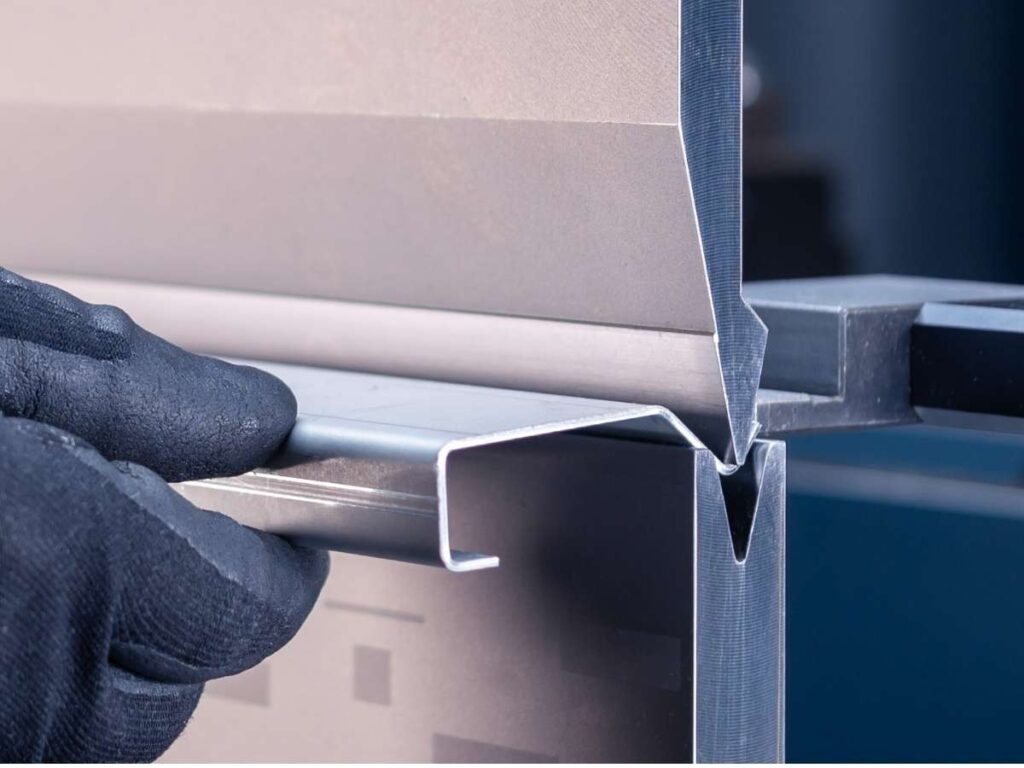
2. Bottom Bending (Bottoming)
The first time I saw bottom bending in action, it felt like the opposite of air bending. It was strong, deliberate, and clearly made for jobs where precision outweighs flexibility.
- Precise Angle Formation: The punch pushes the sheet metal all the way to the bottom of the die. This gives you consistent angles with tighter tolerances.
- Less Springback: Because the metal is fully pressed into the die, it holds its shape with minimal rebound. That means fewer adjustments after bending.
- Higher Tonnage Needed: You’ll need more force to complete the bend, which puts added stress on your machine. It’s something to factor in if you’re working with thick or strong materials.
- Specific Tooling Required: Each angle and material combination usually needs a dedicated punch and die set. That can slow things down if you’re running short or mixed batches.
- Good for High-Volume Runs: Once your setup is locked in, this method is great for producing the same part over and over. It delivers repeatable, reliable results in production environments.
- Not as Forgiving: Small changes in material thickness or hardness can affect the bend. This method works best when everything is kept consistent from start to finish.
3. Coining
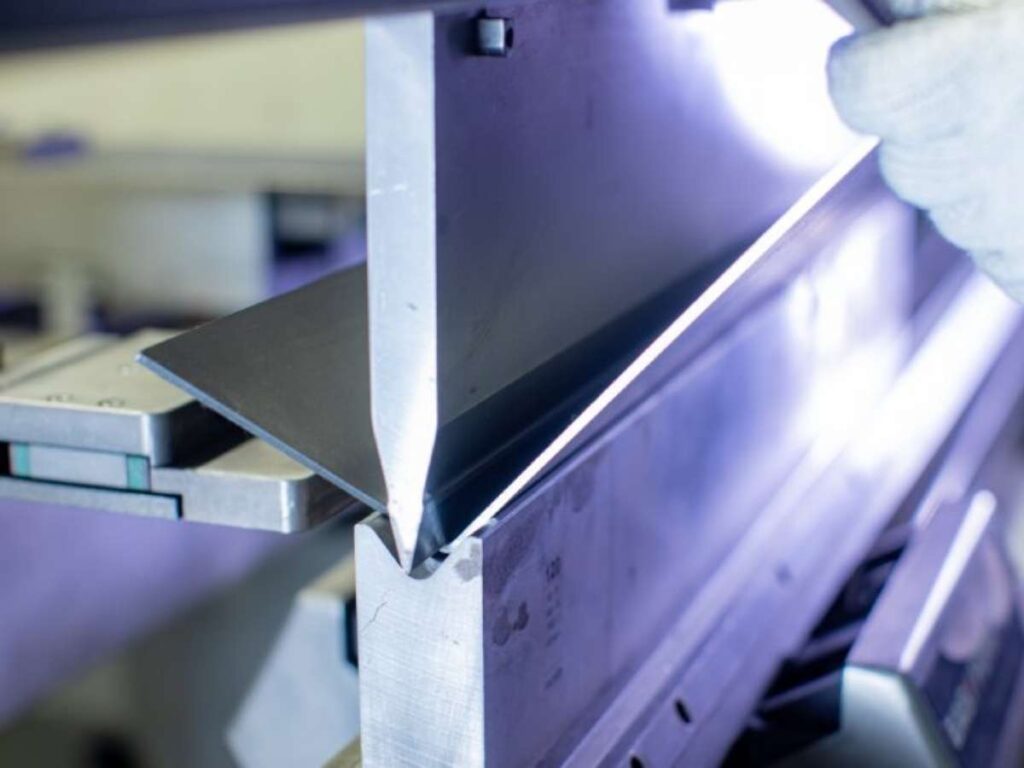
I’ll never forget how loud and sharp the press sounded the first time I saw coining up close. It looked like overkill at first, but the finished bend was flawless. If you need ultra-precise results without the hassle of springback, coining is hard to beat.
- Maximum Accuracy: Coining uses extreme force to press the punch completely into the material. This permanently reshapes the metal and delivers a clean, consistent angle every time.
- No Springback: The pressure fully deforms the material so it doesn’t bounce back at all. You can rely on each bend to match your specs exactly.
- Requires High Tonnage: You’ll need a powerful press brake and a setup that can handle serious force. That also means more wear and higher energy costs.
- Great for Thin Metals: Coining works best with thinner sheets where precision is critical. It’s common in aerospace, electronics, and other high-spec industries.
4. V-Bending
V-bending was probably the first technique I ever saw in a training manual, and for good reason. It’s simple, widely used, and easy to visualize, even for someone just getting started. The name comes straight from the V-shaped die used in the process, and it’s as straightforward as bending gets.
- Most Common Bending Method: V-bending is used in nearly every shop because it’s simple and effective. It’s often the go-to method for prototyping and general fabrication.
- Wide Range of Angles: You can produce different angles by adjusting how far the punch descends. That makes it flexible for various part designs without needing specialized dies.
- Moderate Force Requirement: It uses more force than air bending but less than bottoming or coining. This balance makes it practical for many press brake setups.
- Easy Tool Access: V-shaped dies and punches are widely available and relatively affordable. That means quick replacements and less downtime.
- Good for Training and Setup: Because it’s easy to understand and control, many teams use V-bending to train new operators. It’s a solid foundation before moving into more advanced techniques.

5. Roll Bending
The first time I watched a sheet feed through a three-roll machine, I was amazed at how smooth the curve turned out. It wasn’t bent all at once but gradually shaped as it passed between the rollers. If you’re working with large-radius curves or cylindrical parts, roll bending is the go-to method.
- Ideal for Curved Shapes: Roll bending is perfect when you need smooth arcs or full circles. It’s often used to make pipes, tubes, or curved panels.
- Uses Multiple Rollers: A set of three rollers slowly forms the sheet into the desired curve. The distance between the rollers controls how tight or shallow the curve is.
- Handles Large Parts Well: Roll bending is great for long or wide sheets that wouldn’t fit standard press brake setups. It allows for shaping large-scale parts with consistent curves.
- Requires Multiple Passes: You won’t get the final curve in one shot. Several passes through the rollers may be needed to achieve the correct radius.
- Flexible Material Options: It works with steel, aluminum, and even softer metals. As long as the sheet is ductile, roll bending can usually handle it.
- More Art Than Science: Achieving an exact curve often relies on operator experience. Adjustments are made on the fly, especially when working with varying material thicknesses.

6. U-Bending and Channel Bending
I used to think U-bends were just oversized V-bends, but the process and setup are a bit more involved. Getting those clean parallel walls and a flat base requires a deeper die and tighter angle control. If your projects involve channels, brackets, or enclosures, this method is a must-know.
- Forms Deep U-Shapes: These bends create a channel or trough-like shape with two vertical sides and a flat bottom. It’s commonly used in structural parts, brackets, or metal framing.
- Needs Special Tooling: Standard V-dies won’t cut it here. You’ll need channel dies designed to keep the bend uniform along both sides.
- Watch for Material Stretch: The base of the U can stretch more than the sides. If the material isn’t managed carefully, it can lead to thinning or distortion.
- Harder to Remove the Part: Because of the deep shape, sometimes parts get stuck in the die. Proper clearance and die design help avoid slowdowns.
- More Force Required: Forming deeper channels usually needs more pressure. It’s important to check your press brake specs to avoid overloading.
7. Rotary Bending
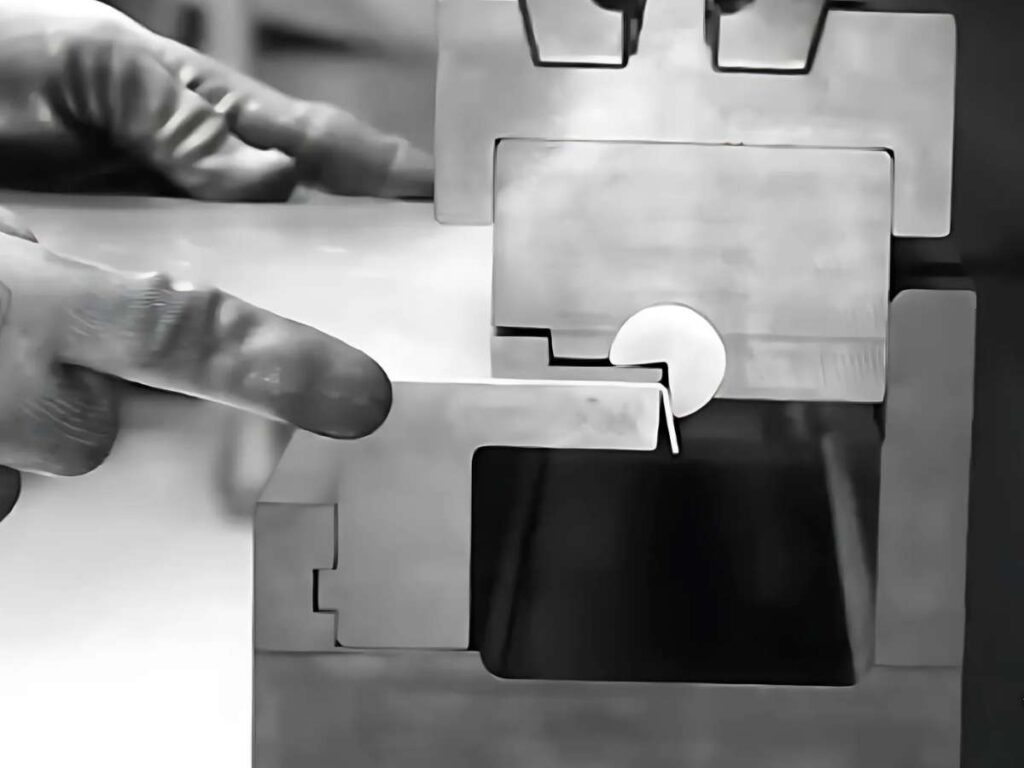
The first time I saw rotary bending, I didn’t fully understand what I was looking at. It looked almost too smooth, like the machine was gliding through the bend. Once I learned how it worked, I realized it’s one of the best options when you need a clean bend without leaving marks on the part.
- Uses Rotating Dies: Instead of forcing the metal into a static die, rotary bending rolls the material around a rotating die surface. This reduces friction and gives you a smoother bend.
- No Tool Marks: Because the metal doesn’t get dragged across a sharp edge, it won’t leave scratches or gouges. That’s a huge plus for decorative or finished surfaces.
- Can Go Past 90 Degrees: Rotary bending makes it easier to go slightly beyond a right angle. This is helpful when you need overbent angles for springback compensation.
- Gentle on the Material: It’s a great choice when working with coated or polished metals. The process reduces the risk of damaging the surface during bending.
8. Wipe Bending (Edge Bending)
Wipe bending caught my attention the first time I saw how quickly it formed a sharp edge. It looked simple, but getting it right takes a bit more care than you’d expect. If you’re working on parts with tight edge flanges or quick production runs, this method can be a real time-saver.
- Edge-Forming Technique: A punch pushes the sheet against a straight edge on the die, wiping it into position. This forms a sharp corner or flange along one edge of the part.
- Fast Production Speed: Wipe bending is one of the quicker methods. That makes it ideal for high-volume jobs where speed matters more than extreme precision.
- Good for Flanges: It’s especially useful for creating short, consistent flanges on the edges of panels. That’s why it’s common in HVAC and enclosure fabrication.
- Risk of Surface Marks: Since the punch wipes across the material, it can leave scratches or marks. Using softer dies or protective films can help reduce this.
- Material Limits Apply: This method works best on ductile metals. Thicker or harder materials may not bend cleanly and could result in cracking or uneven edges.
9. Folding
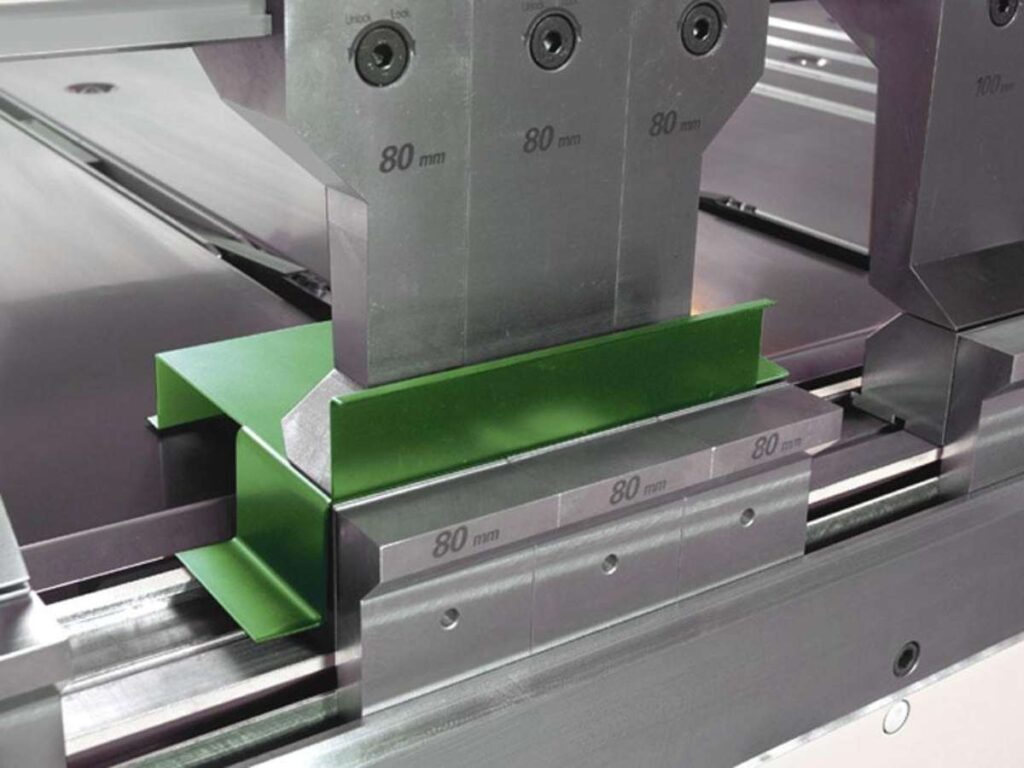
The first time I watched a folding machine work, I was surprised by how different it looked from a press brake. Instead of forcing the metal into a die, the machine gently flipped the edge upward. It felt more like origami than metalwork, but the results were strong and precise.
- Clamping and Swinging Motion: Folding holds the sheet flat with a clamp, then swings a beam to create the bend. This allows for uniform, clean bends without deforming the surface.
- Perfect for Large Panels: It’s great when you’re working with wide or oversized sheets. Folding machines make it easy to control long edges without warping the part.
- No Die Marks: Since the material isn’t pressed into a die, you don’t get imprint lines or surface scratches. That’s helpful when appearance or coating integrity matters.
- Operator-Friendly Setup: The material stays stationary during the bend. That makes it easier to handle large parts and reduces the chance of error or injury.

10. Hemming and Seaming
I remember the first time I saw a hemmed edge and thought, “That’s way cleaner than I expected.” Hemming gives parts a finished look, but it also strengthens the edges and improves safety. If your parts need extra durability or a professional finish, this method is one to consider.
- Folds the Edge Over Itself: Hemming involves bending the edge of the sheet back onto itself. This creates a double-thickness edge that looks clean and feels solid.
- Common in Automotive and Appliances: You’ll find this method used in car doors, panels, and household equipment. It’s all about combining form and function.
- Improves Edge Strength: Hemmed edges are stronger and less likely to warp or crack. That makes them ideal for parts that will see frequent handling or movement.
- Eliminates Sharp Edges: Folding the metal over itself removes exposed corners. This reduces the risk of cuts and makes the product safer to use or assemble.
- Often Requires Two Steps: Hemming usually starts with a pre-bend before the final fold. This ensures a tight, flat hem without damaging the material.
- Can Be Combined with Seaming: In some designs, hemming is paired with seaming to join two parts together. That adds both structure and aesthetic value to the final product.

Conclusion
You now know what, how, and why each bend matters.
From air bending to hemming, this guide gives you the edge to bend smarter, not harder. We covered fast methods, clean finishes, and high-precision setups.
Start small. Start smart. Start now.
Let MachMaster handle the hard part—custom production made easy.
More Guides and Tips to Explore
We’ve got more for you! These articles provide more tips and guidance to keep you on track:
Still haven’t found what you’re looking for? Don’t hesitate to contact us. We’re available around the clock to assist you.