
A project manager once came to me in a panic. Their mold was deforming under pressure, and they didn’t know why.
It wasn’t the material. It was the setup.
I’ve seen that mistake more than once. But it’s preventable.
As someone who’s helped business teams improve metalworking systems, I’ve learned how to simplify molding aluminum into a step-by-step process.
And that’s what you’ll get here.
You’ll learn how aluminum reacts in different molding methods, what tools work best, and how to avoid downtime from setup errors. Whether you’re scaling or prototyping, this guide will make it clear.
Let’s dive in!
Step#1 Choose Your Aluminum Alloy
When starting a new casting project, I like to begin with the alloy. It’s a simple step, but getting it right saves a lot of trouble later on.
One team once skipped this step, and ended up redoing the entire mold after finding out their alloy couldn’t take the heat.
Start with the Basics
- List Out the Job Requirements First: Write down what the part will be used for and what it needs to handle, like heat, pressure, weight, or exposure. It’s way easier to match an alloy to the job when you know exactly what the part has to deal with.
- Stick to Alloys Made for Casting: Go with casting-grade aluminum like A356 or 319, not the stuff meant for rolling or forging. These flow better, fill the mold evenly, and give fewer problems later.
- Check What’s Readily Available in Your Area: Call your supplier or check your usual source to see what alloys they actually stock. No point in picking something fancy if it’s always on backorder or way overpriced.
Match Alloy to the Process
- Match the Alloy to Your Mold Type: If you’re using sand molds, pick an alloy that can handle slower cooling. For metal molds, something with a tighter grain structure works better to avoid shrinkage issues.
- Pick One That Works With Your Finish Plan: If you need to polish or machine the final part, choose an alloy that cleans up well without crumbling or pitting. Some alloys don’t take well to surface finishing, no matter how careful the prep is.
- Go With What You Can Rely On: If you’re just starting out or scaling up production, stick with an alloy that’s known to be predictable. It’s not the time to experiment when consistency is what your customer expects.
Step#2 Select the Right Molding Process
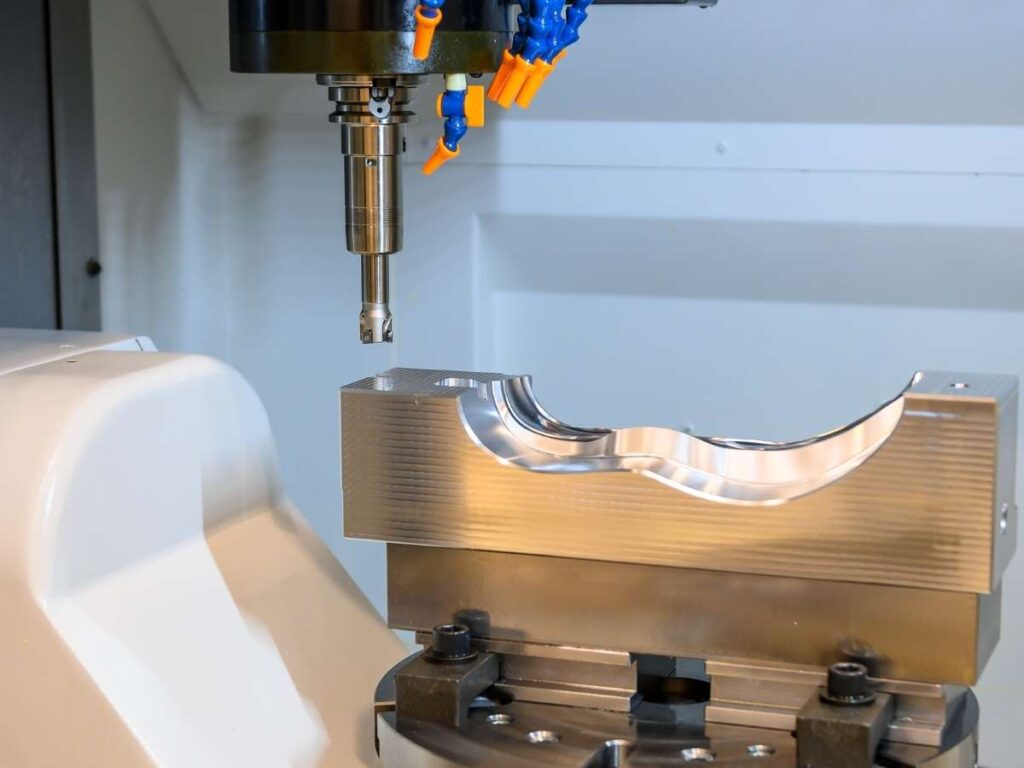
Once you’ve locked in the right alloy, the next step is choosing the molding method. This decision shapes everything that follows—from how the metal flows to the final surface finish.
It’s easy to jump in too fast and pick a method that doesn’t suit the part, only to find yourself rebuilding the mold from scratch.
Focus on Production Needs
- Define the Volume of Parts Needed: Decide how many castings are being made, whether it’s a one-off prototype or a full production run. This helps rule out processes that won’t match the scale or pace of the job.
- Measure the Detail and Tolerance Requirements: Check if the part needs crisp edges, smooth finishes, or tight tolerances. If high precision is a must, lean toward investment casting or die casting to hit those specs.
- Match the Process to the Mold Budget and Timeline: Look at how much time and money can go into building the mold itself. If there’s not much room in the budget or schedule, sand casting is a solid place to start.
Fit the Method to the Part Design
- Pick the Method That Fits the Part Size and Shape: Review the geometry of the part—some shapes won’t pour well in certain molds. For large or irregular pieces, sand molds usually handle the flow better than permanent ones.
Step#3 Design or Prepare the Mold
Once you’ve chosen the molding process, it’s time to focus on the mold itself. This is where precision really counts.
A solid mold design keeps the metal flowing correctly and helps avoid things like air pockets, rough surfaces, or weak spots.
Skipping one small detail, like draft angles or vent placement, can be enough to ruin an otherwise perfect pour.
Get the Basics in Place
- Sketch the Part and Add Draft Angles: Draw out the part with enough detail and build in slight tapers to help with release. Without draft angles, the casting can stick or break during removal.
- Decide on a Single-Use or Reusable Mold: Choose whether the mold will be thrown out after one use or reused for multiple pours. For short runs, sand molds work fine, but metal molds save time in volume jobs.
- Build or Source the Mold Base: Cut, print, carve, or order the actual mold form based on your design. Use wood, foam, metal, or a 3D print depending on the process and material choice.
Dial in the Details
- Add Vents, Runners, and Gates: Create clear flow paths so the molten aluminum can fill the mold evenly and release trapped air. A well-placed vent system prevents bubbles and missed sections.
- Double-Check for Alignment and Seal Gaps: Assemble the mold and make sure all parts line up cleanly with no loose edges. Gaps or misalignments at this stage will show up in the finished casting every time.
Step#4 Set Up the Melting Equipment
Before you melt anything, make sure your setup is dialed in. It’s not just about getting things hot—it’s about controlling the environment so the aluminum melts cleanly, safely, and consistently every time.
Even a small slip here, like placing tools too far away, can throw off your timing when the metal hits pouring temp.
Prep the Equipment and Work Area
- Choose a Furnace That Matches Your Capacity: Pick between gas-fired, electric resistance, or induction furnaces based on how much metal needs to be melted. Make sure the furnace can hold your typical batch size without running at its limit.
- Place the Furnace in a Well-Ventilated Area: Set up the furnace where air can move freely and heat buildup won’t become a problem. This keeps things safer and helps prevent overheating nearby equipment.
- Position the Crucible Inside the Furnace Chamber: Fit the crucible snugly into the center of the furnace so the heat distributes evenly. Make sure it’s rated for aluminum and isn’t cracked or worn down.
- Set Up a Heat-Resistant Work Zone: Place firebricks, safety mats, or steel sheets under and around the furnace area. This protects the floor and keeps spills or splashes from turning into a bigger hazard.
Get Tools and Controls in Place
- Prepare Tools for Handling Molten Metal: Lay out tongs, skimmers, and ladles within arm’s reach of the furnace. Having them ready ahead of time makes the pour smoother and limits how long the metal sits exposed.
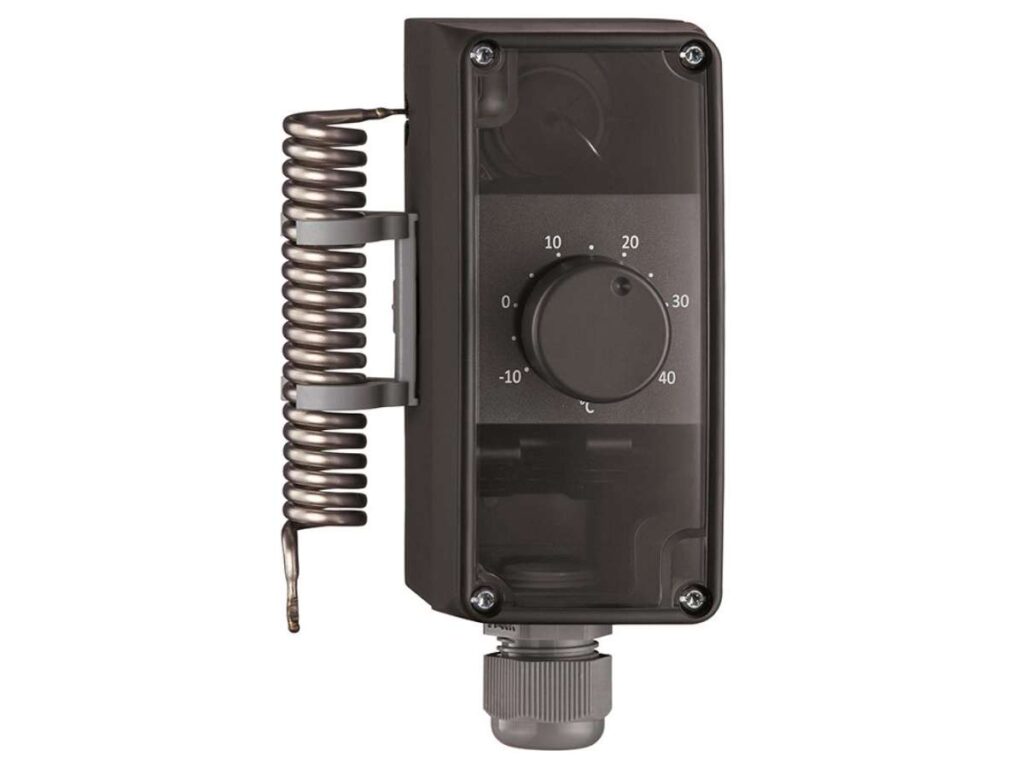
- Test the Temperature Control System: Fire up the furnace and check that the thermostat or pyrometer reads accurately. A few degrees off now can cause problems later when you’re ready to pour.
Step#5 Melt the Aluminum Safely
Melting aluminum might seem simple on the surface, but you should treat it with extra care every single time. The metal doesn’t just need to get hot.
It needs to melt clean, stay protected, and reach the right temperature without rushing things.
Even a small shortcut like skipping flux can lead to trapped gas, weak spots, and rejected parts.
Control the Setup and Materials
- Preheat the Crucible Before Adding Metal: Warm up the crucible slowly so it doesn’t crack when the aluminum hits it. This also helps the metal start melting faster and more evenly once added.
- Load Clean Aluminum Into the Crucible: Drop in ingots or scrap that’s free from dirt, oil, and paint. MachMaster emphasizes this step as essential for reducing impurities and maintaining alloy consistency in production runs.
- Add Flux to Reduce Oxidation and Draw Out Impurities: Sprinkle a layer of aluminum-safe flux on top as the metal begins to liquefy. This helps pull out trapped gas and unwanted particles from the melt.
Manage the Melt and Clean It Up
- Use a Pyrometer to Monitor the Temperature: Keep a close eye on the melt using a reliable thermometer or digital pyrometer. The goal is to hit around 1220°F to 1300°F depending on the alloy, without overshooting.
- Skim Off the Dross Before Pouring: Use a skimmer or flat metal rod to remove the gray, ashy layer that forms on top. Getting that out gives you cleaner pours and stronger, smoother castings.
Step#6 Pour the Molten Aluminum Into the Mold
Once the aluminum hits the right temperature, you shouldn’t waste time getting it into the mold. Timing and control matter here. This part can either make the casting or ruin it completely.
If you hesitate or rush, the flow can break or spill and lead to trapped air or uneven fills.
Control the Setup Before Pouring
- Position the Mold on a Stable, Level Surface: Set the mold on something solid so it won’t shift or tilt during the pour. Even a small movement can cause uneven fill or spill hot metal.
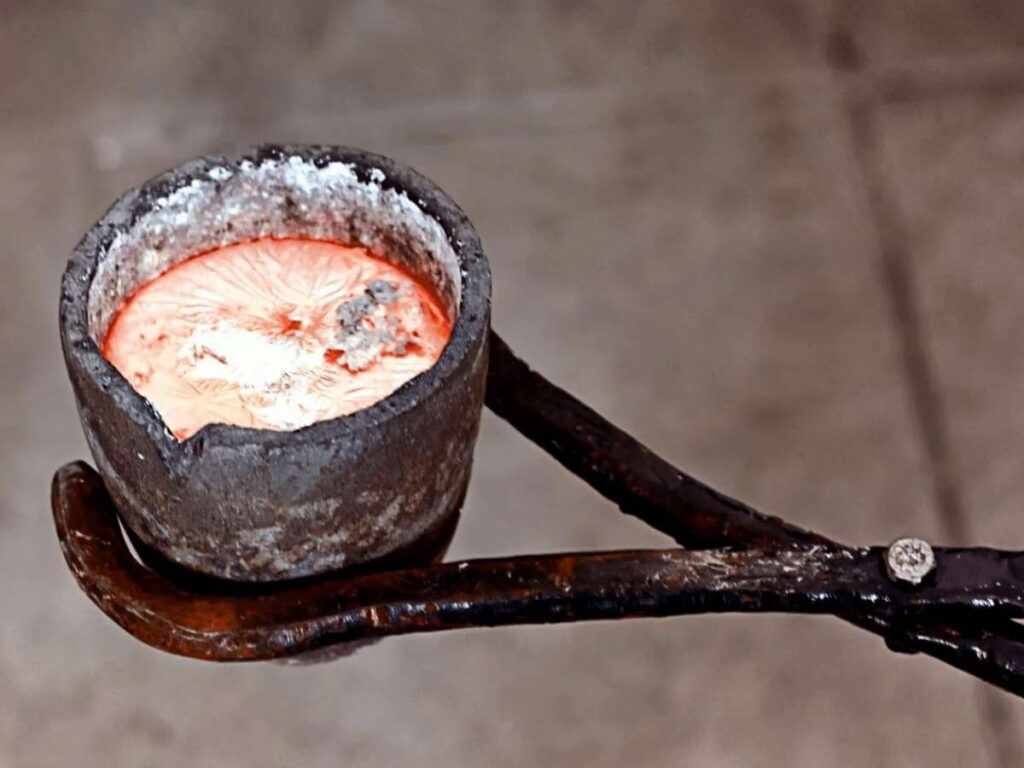
- Lift and Pour With a Steady, Controlled Motion: Hold the crucible with tongs or a pouring shank and aim for the main gate. Pour slowly enough to avoid splashing but fast enough to keep the flow continuous.
Manage the Fill as It Happens
- Watch for Overflow and Stop at the Fill Line: Keep an eye on the metal as it rises toward the top of the mold cavity. Stop just before it spills over to reduce cleanup and avoid weak edges.
- Let Extra Aluminum Fill the Riser or Reservoir: Allow a little extra metal to flow into a riser if the mold has one. This helps feed the part as it shrinks during cooling, preventing surface voids.
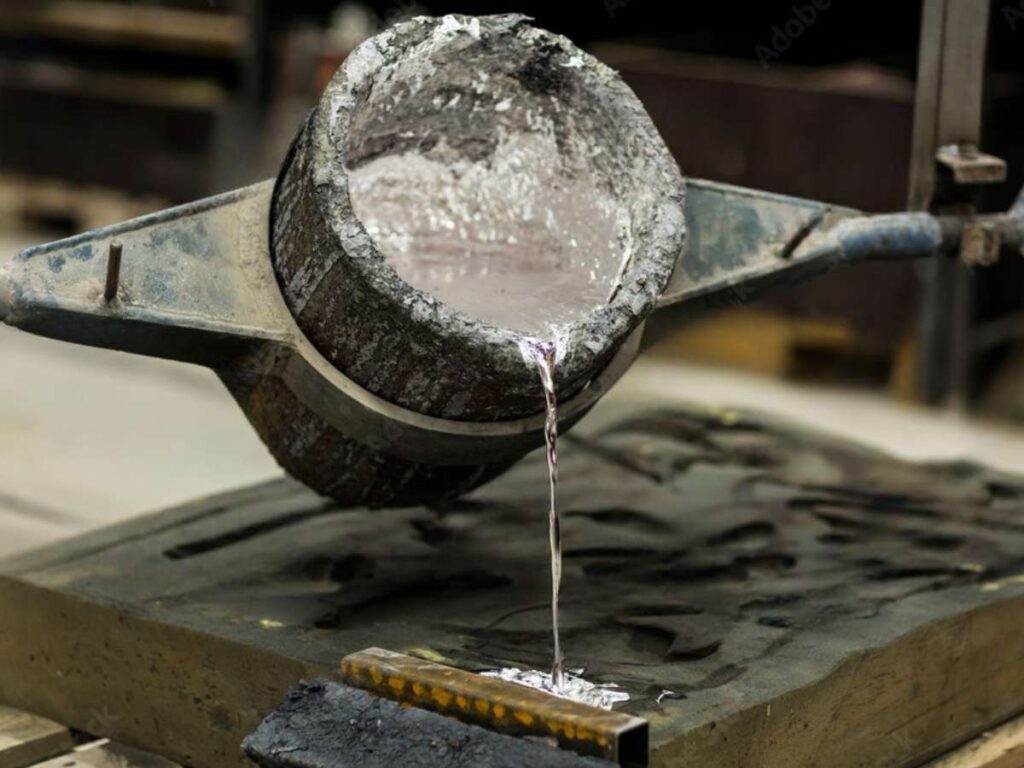
Step#7 Allow the Aluminum to Cool and Solidify
After pouring, you should take a step back and give the metal time to settle. Rushing this part leads to cracks, sink marks, or internal defects that don’t show up until it’s too late.
Cooling might look passive, but there’s still plenty to manage.
It’s tempting to peek or reposition the mold too soon, but even a small shift can ruin the final part.
Let the Casting Set Naturally
- Keep the Mold in Place Without Disturbing It: Let the mold sit exactly where it is until the metal starts to set. Moving it too soon can shift the structure and mess up the final shape.
- Watch the Surface for Color and Texture Changes: Look for the aluminum to dull and go from shiny to matte. MachMaster recommends this as a key visual checkpoint during the cooling stage to avoid premature mold handling.
- Use a Timer Based on Part Size and Mold Type: Set a rough cooling time depending on how big the part is and what kind of mold was used. Small castings in metal molds cool fast, while large ones in sand take much longer.
Monitor the Final Stages of Cooling
- Allow the Riser or Reservoir to Shrink First: If there’s a riser, make sure it pulls down slightly before touching the part itself. That’s a sign the metal inside the mold is drawing from it properly as it contracts.
- Avoid Forced Cooling Unless Necessary: Don’t use fans or water to cool things quicker unless the part or process specifically calls for it. Forced cooling can create stress and lead to cracking later on.
- Check the Mold Temperature Before Removal: Feel around the outside of the mold (with gloves) or use a temp gun to confirm it’s cooled evenly. If it’s still hot in spots, give it more time before moving on.
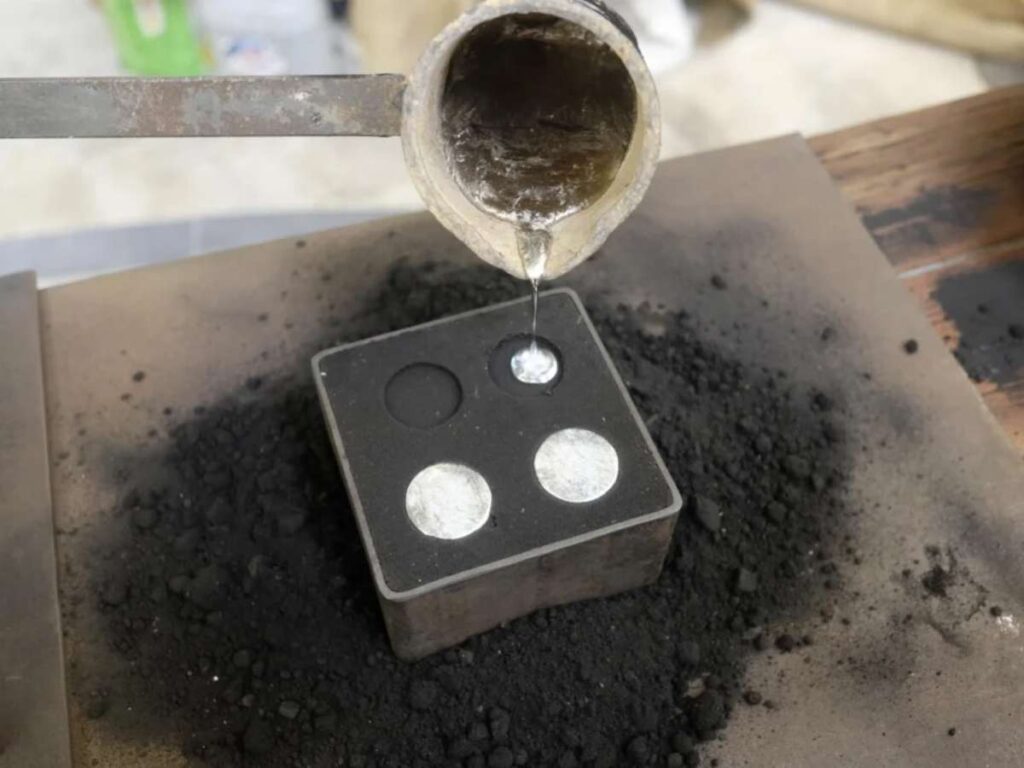
Step#8 Remove the Casting from the Mold
Once everything has cooled, it’s time to break the part free. You’ll want to move carefully here. A good casting can still be ruined if it’s pulled out the wrong way or rushed too soon.
Trying to speed this up or grab it from the wrong angle often leads to cracks or bent sections that can’t be fixed.
Take the Mold Apart with Control
- Disassemble or Break Open the Mold Carefully: Take the mold apart using clamps, levers, or by tapping gently with a rubber mallet. For sand molds, break the sand away slowly without forcing it.
Handle and Inspect the Casting
- Lift the Casting Out With Proper Support: Grip the part at solid, stable points and avoid pulling from thin or delicate sections. Supporting the base during removal helps prevent warping or cracking.
- Inspect the Casting While It’s Still Warm: Look over the part for visible issues like cracks, short pours, or flashing. Catching problems early can help decide if it’s worth cleaning up or needs to be re-cast.
Step#9 Clean and Finish the Casting
This is one of the most satisfying parts of the process. Watching a rough casting transform into a clean, usable piece makes the effort feel worthwhile. It’s also where you catch small flaws before they become big problems later on.
Skipping this step or rushing through it can leave defects that cost more to fix down the line.
Remove the Excess and Smooth the Surface
- Cut Off the Sprues, Risers, and Gates: Use a bandsaw, cutoff wheel, or hand tools to remove the extra channels where metal flowed in. Make sure the cuts are clean and leave room for sanding or grinding.
- Grind Down Sharp Edges and Leftover Flash: Smooth out rough seams, parting lines, or overflow areas with a grinder or deburring tool. This keeps the part safe to handle and improves its appearance.
- Brush or Blast the Surface to Remove Residue: Use a wire brush, shot blaster, or sandblaster to clear off sand, oxidation, or flux residue. This helps expose the clean metal underneath and prepares it for any coating or machining.
Inspect and Finalize the Part
- Check for Cracks or Internal Voids: Tap the casting gently or use dye penetrant if needed to catch hidden cracks. It’s better to catch defects now than after finishing or assembly.
- Polish or Machine the Final Surfaces: If the part needs a smooth look or tight fit, run it through a buffer, lathe, or mill. Finishing touches like this bring the casting up to spec and make it ready for use.
Conclusion
Melting metal sounds like a big job. But step by step, it becomes manageable. Even enjoyable.
You’ve now got a full walkthrough: from selecting your aluminum alloy to pouring it into the mold and cleaning the final casting.
This process belongs in your hands. Not just on paper.
So, what’s stopping you?
Contact MachMaster today. We bring tech, precision, and people together, to turn your ideas into products that last.
Explore More of Our Resources
If you’re searching for more choices, explore our full collection of products. We’ve picked out some great options for you:
- Anodizing Service
- Cnc Milling Service
- Cnc Turning Service
- Injection Molding Service
- Cnc Machining Service
Want to learn more? Here are some articles filled with valuable tips and information to guide you further:
Still haven’t found what you’re looking for? Don’t hesitate to contact us. We’re available around the clock to assist you.