
The first time I used raw aluminum in a building, I was focused on speed and cost.
It looked clean, modern, and I could get it done quickly.
I didn’t give much thought to surface finish. Anodizing seemed optional—maybe even overkill.
Then the problems started.
Scratches showed up fast. The color changed. What looked great at first didn’t last.
That experience stuck with me. It showed me that the finish isn’t just about looks—it affects how the material holds up over time.
Since then, I’ve worked on a wide range of projects and handled both anodized and non-anodized parts firsthand. Some held up. Some didn’t. The difference often came down to one simple choice.
If you’re here trying to figure out the difference between anodized and non-anodized aluminum, this guide will help.
I’ll show you how each option performs, what it’s best suited for, and what tradeoffs to expect.
By the end, you’ll have a clear, simple way to choose the right finish for whatever you’re working on—without guesswork.
So let’s begin!
Quick Comparison Chart
Before we dive deeper, here’s a quick side-by-side comparison of anodized vs non-anodized finishes. This table gives you a snapshot of how they stack up in performance, cost, and appearance.
| Feature | Anodized | Non-Anodized |
| Surface Process | Electrolytic passivation (acid + current) | No added surface treatment |
| Color Options | Wide range (matte, satin, gloss finishes) | Natural silver, inconsistent appearance |
| Corrosion Resistance | High (good for outdoor use) | Low (can oxidize or stain) |
| Scratch & Wear Resistance | Strong surface, Type III = ceramic-like | Soft surface, scratches easily |
| UV Stability | Resists fading in sunlight | May discolor or spot in sunlight |
| Electrical Conductivity | Low (insulating layer) | High (good for grounding) |
| Paint/Adhesion Strength | Strong bond due to porous surface | May need surface prep |
| Chemical Resistance | Strong (resists cleaners and solvents) | Weak (can pit with harsh chemicals) |
| Ideal Use Cases | Outdoor, high-wear, visible parts | Prototypes, budget items, low-volume |
| Cost Per Unit | Higher due to extra processing | Lower up front |
| Lead Time | Longer (adds 1–5 days) | Shorter |
| Lifecycle Cost | Lower in the long term | Higher due to rework or failures |
Now that you’ve seen the side-by-side view, let’s look at each finish in more detail.
1. What Is Anodized?
When I first started working with aluminum parts, I didn’t think much about finishes. Raw metal looked fine to me—until I saw what a few months of handling, weather, and wear could do.
That’s when I learned how powerful anodizing can be.
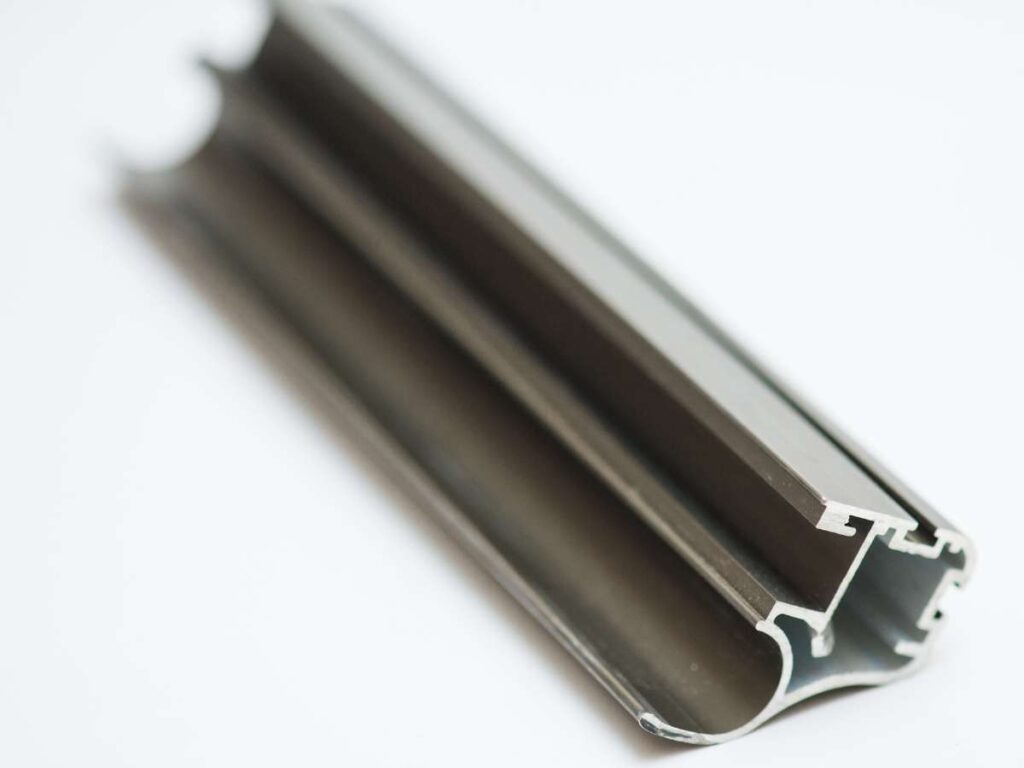
Anodizing is a surface treatment. It strengthens metal by thickening its natural oxide layer. That oxide layer forms aluminum naturally, but anodizing makes it thicker and tougher.
The process uses something called electrolytic passivation. Here’s how it works:
- Step 1: The metal part is cleaned
- Step 2: It’s dipped into an acid bath (often sulfuric acid)
- Step 3: An electric current is passed through the acid
- Step 4: The surface reacts and forms a thicker oxide layer
There’s nothing added to the surface. It’s not paint or plating. The layer grows from the metal itself. This process works best on aluminum, but it’s also used on titanium and magnesium in some industries.
At MachMaster, we use anodizing regularly for aluminum parts that need outdoor durability, especially in electronics and industrial equipment. Our ISO 9001-certified process gives a consistent finish, even across large batch runs.
I’ve used both anodized and non-anodized parts. And trust me—if your product is going to see any real use, anodizing makes a difference.
Here’s what it offers:
- Corrosion resistance: Helps the metal last longer, especially in outdoor or humid environments
- Wear resistance: Reduces surface damage from friction and handling
- Improved adhesion: Paint and primers stick better to anodized surfaces
- Decorative finish: Choose from different colors, levels of shine, or matte textures
- Harder surface: Type III (hard anodizing) gives a very strong outer layer, ideal for high-wear parts
In one case, we had a batch of control knobs that kept wearing out. After switching to anodized versions, the problem stopped completely.
2. What Is Non-Anodized?
I remember the first time I handled a non-anodized part. It looked clean—shiny, even. But after just a few weeks, it was scratched up and spotted with tiny marks. That’s when I realized something: raw metal doesn’t stay pretty for long.
If you’re wondering what non-anodized really means, you’re not alone. Let’s break it down in simple terms.
Non-anodized metal is exactly what it sounds like: metal that hasn’t gone through the anodizing process.
In most cases, it refers to raw aluminum. This is aluminum in its natural state, without any added surface treatment.
It may have a very thin natural oxide layer—this forms on its own when the metal touches air. But it’s weak and offers little protection. It’s not the same as the thicker, controlled coating you get with anodizing.
You’ll sometimes see non-anodized aluminum with other finishes:
- Polished: Gives a shiny look but scratches easily
- Brushed: Adds a grain-like texture
- Painted: Adds color but can chip or peel over time
These finishes can improve appearance, but they don’t change the surface the way anodizing does.
So if you skip anodizing, you’re working with metal that’s more vulnerable to damage.
That doesn’t mean non-anodized parts are always a bad choice. In fact, there are plenty of times when raw aluminum works just fine.
Here are some typical uses:
- Indoor parts: If the part won’t face moisture or rough handling
- Low-cost items: Products where price matters more than durability
- Prototype parts: Short-term testing or early samples
- Temporary components: Fixtures, mock-ups, or tools that won’t be used long-term
I’ve used non-anodized parts for quick mockups. No need for added cost when you’re just checking fit or design. But for anything that needs to last—or look good doing it—you’ll want to think twice.
Choosing between anodized and non-anodized isn’t always simple. But knowing what each one offers helps you make the right call.
3. Performance and Durability Differences
I’ve worked with both anodized and non-anodized parts over the years. Sometimes, I chose raw aluminum to save time. Other times, I went with anodizing because I knew the part had to last.
If you’re deciding between the two, it helps to look at how they perform under real-world conditions—not just in the shop.
Corrosion Resistance
This is where anodizing really stands out.
- Anodized parts: They hold up well against moisture, salt spray, and outdoor exposure. That oxide layer formed during anodizing protects the metal from rust and stains.
- Non-anodized parts: These can oxidize, stain, or even corrode over time—especially outside or in humid places.
Let me give you an example. I once made a batch of outdoor signs using non-anodized aluminum. After one rainy season, the edges started to discolor. On the next job, we anodized the signs. Years later, they still looked new.
While anodizing adds cost and time upfront, it can reduce post-processing steps and minimize returns due to corrosion. At MachMaster, we help clients evaluate this trade-off during quoting, and in many cases, anodizing ends up reducing total lifecycle costs.
Scratch and Wear Resistance
This is another area where anodizing makes a difference you can see and feel.
- Anodized surfaces, especially Type III (hard coat), are much harder. In fact, they can be as hard as ceramics. They’re less likely to scratch, dent, or wear down with use.
- Non-anodized aluminum: It’s soft. Easy to scratch. I’ve seen parts get scuffed just from being handled a few times.
If your product is going to be touched, moved, or used often, anodizing can help it stay looking clean and smooth.
Longevity in Harsh Conditions
- Anodized parts: These often last decades. They don’t need much maintenance. And they don’t need to be repainted or coated later on.
- Non-anodized parts: These usually have a shorter lifespan. You might end up painting or replacing them more often. That adds cost and time down the road.
So if you’re building something that needs to hold up over time—whether it’s gear for the outdoors, medical tools, or machine parts—anodizing gives you peace of mind.
4. Visual and Aesthetic Considerations
Looks matter. Whether you’re building a product for customers or testing a prototype in your shop, how the surface looks can affect how people feel about it.
I’ve seen great designs lose impact just because the surface looked dull or uneven. That’s where finish comes in.
Appearance and Color Choices
Anodizing gives you options. Lots of them.
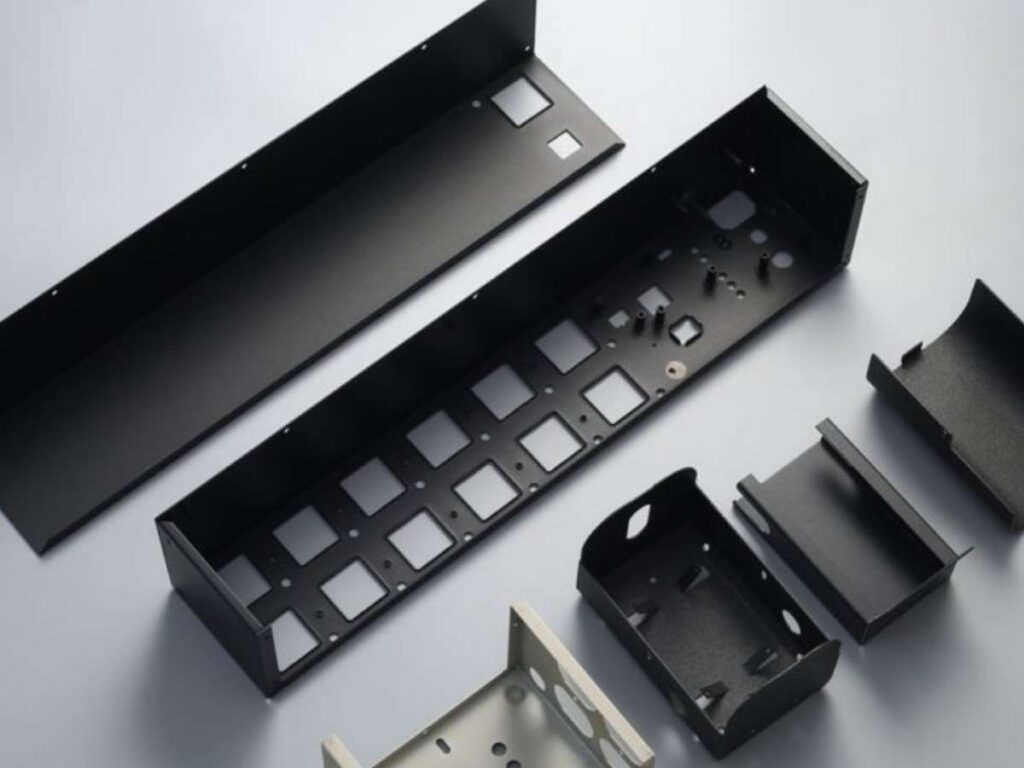
You can dye the anodized layer in many colors. The most common finishes include:
Anodized Aluminum:
- Matte black: often used on electronics or high-touch parts
- Satin silver: clean, subtle, and modern
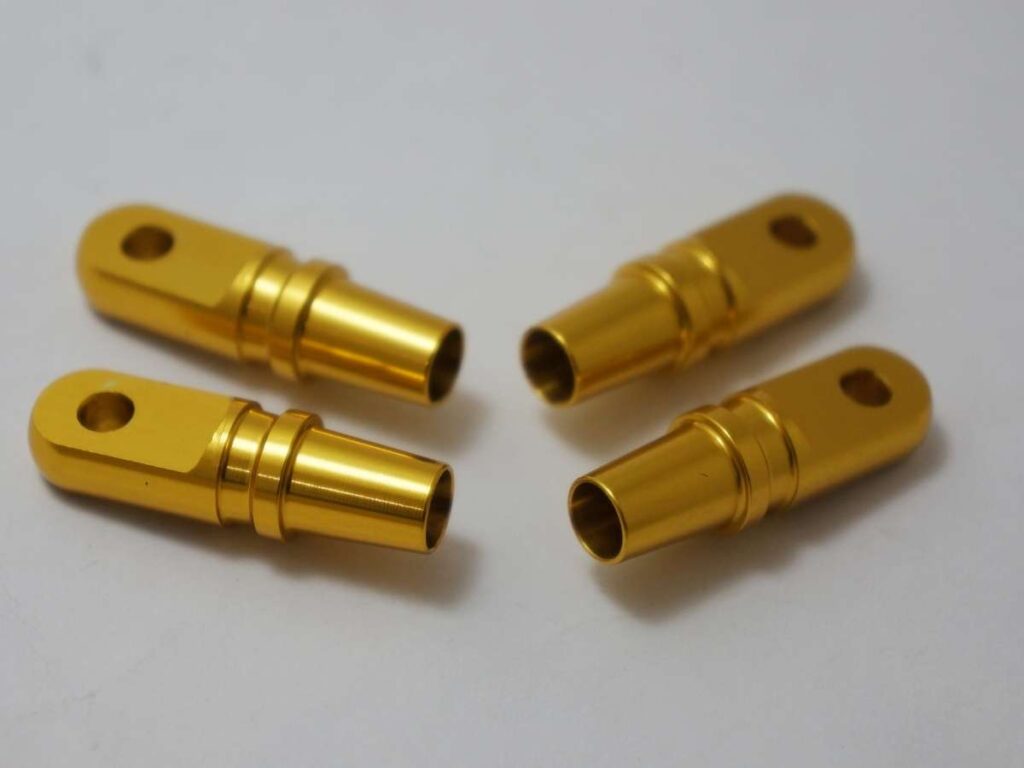
- Glossy red or blue: great for visible components like knobs, levers, or bike parts
These colors don’t flake or chip. They’re bonded into the surface.
Non-Anodized Aluminum:
Raw aluminum doesn’t give you that.
It usually comes in one basic tone:
- Natural silver: may appear shiny or dull
- Surface quality: can vary between batches
- Color control: harder to manage without surface treatment
I once ordered raw aluminum parts for a small project.
Some looked polished. Others came back cloudy. It didn’t ruin the function—but it didn’t look consistent either.
That mattered more than I expected.
Surface Texture and Consistency
This is where anodizing really shows its value.
- Anodized parts: Smooth, uniform, and clean. You get a professional look, even on complex shapes.
- Non-anodized parts: These often show machining marks. The surface can look rough, especially after cutting or drilling.
If you’re showing the part to a client or customer, that visual polish makes a difference.
Fading and UV Stability
Here’s something I learned the hard way.
- Anodized finishes hold up in sunlight. They don’t fade or change color easily.
- Non-anodized aluminum can oxidize when exposed to sun and rain. It turns dull and sometimes shows uneven spots.
If your product is used outdoors—even part-time—anodizing can keep it looking better, longer.
5. Cost and Lead Time Differences
Price matters. I got it. When you’re comparing anodized and non-anodized parts, the quote can be the first thing you look at.
But here’s what I’ve learned: the cheapest option up front isn’t always the cheapest in the long run.
Unit Cost Comparison
Anodizing does add to the cost. You’re paying for extra steps—cleaning, dipping, electric treatment, and sometimes coloring.
So:
- Anodized parts: Higher per-part cost due to added processing
- Non-anodized parts: Lower up front since they skip the extra treatment
If you’re working on a tight budget or a short-term prototype, non-anodized may seem like the better deal.
But keep reading.
Lead Time Considerations
Anodized Aluminum:
Anodizing adds time to your production flow.
- Extra processing time: Usually adds 1 to 5 days
- Lead time impact: Depends on batch size
- Outsourcing risk: Delays happen if finishing is done by a third party
Even when the machine is fast, anodizing can slow things down.
Non-Anodized Aluminum:
This option is faster—no. No surface treatment means fewer steps.
- Turnaround time: Often quicker since there’s no post-processing
- Workflow: Parts can ship right after machining
- Best use: Useful for prototypes or when deadlines are tight
If speed matters more than surface protection, this route might make sense.
But think about the long-term tradeoffs.
Hidden Costs to Watch For
This is where the real difference shows up.
I’ve had non-anodized parts come back scratched—just from normal handling. We had to sand, polish, or even remake them.
Other times, we had to paint or seal the raw metal to protect it from corrosion. That added labor, material cost, and time.
Things to consider:
- Non-anodized: May need extra care, sealing, or paint
- Scratches: rework
- Corrosion: returns or failures later
So while non-anodized looks cheaper up front, you could pay more over time.
If your part needs to last, be handled often, or look good in front of customers—anodizing may save money in the end.
6. Functionality: Electrical, Mechanical, and Chemical
Sometimes, it’s not just about how a part looks. The surface finish can actually change how it performs.
I’ve worked on projects where the wrong finish caused signal problems, glue failures, or even chemical damage. So if your part has a job to do—not just sit there—this section matters.
Electrical Conductivity
This one surprises people.
- Anodized metal: It’s a poor conductor. That oxide layer acts like an insulator.
- Non-anodized metal: It conducts electricity much better.
If you’re making electronic housings, connectors, or anything that needs grounding, non-anodized may be the better fit.
I once saw a team anodize a part that was supposed to carry current. It didn’t work. We had to strip the finish and redo it.
So if your part needs to carry or block signals, keep this in mind.
Adhesion for Paint or Glue
This one’s a big win for anodizing.
- Anodized parts: The surface is porous, which helps paint, primer, and glue stick better.
- Non-anodized parts: You might need to etch, sand, or treat the surface just to get proper bonding.
We once made brackets that needed to be painted bright red. The painted anodized parts came out clean and consistent. The raw ones are chipped and peeled. That’s a lesson I won’t forget.
So if you’re planning to coat or glue your part, anodizing gives you a stronger base.
Chemical Resistance
This matters more than you think.
- Anodized metal: Stands up better to cleaners, solvents, and even mild acids.
- Non-anodized metal: More likely to pit, stain, or weaken when exposed to harsh chemicals.
In one job, the parts had to be cleaned regularly. The non-anodized ones wore down fast. Anodized replacements held up for months without issue.
If your part faces cleaning agents, industrial fluids, or anything corrosive, anodizing adds a layer of protection.
7. How to Choose Between Anodized and Non Anodized
I’ve had clients stuck at this point more times than I can count.
They’ve got the design. They’ve picked the material. But then they hit the finish question—and freeze.
If you’re not sure which way to go, you’re not alone. The choice between anodized and non-anodized depends on what your part needs to do and how long it needs to last.
Use-Case Scenarios
Every part has a job. Think about what yours needs to handle.
- Outdoor or high-wear products: Go with anodized. It protects against scratches, corrosion, and fading. Perfect for gear, tools, or parts exposed to sun or rain.
- Temporary prototypes or budget parts: Stick with non-anodized. It’s quicker, cheaper, and fine for testing shapes or fit.
- Customer-facing designs: Choose anodized for a clean, consistent finish. It looks sharp and professional.
- Conductive surfaces or low-volume use: Use non-anodized if you need current to pass through or don’t need long-term protection.
I’ve done short production runs where raw aluminum made sense. But when the part needed to last—or be seen—anodizing was the clear winner.
Key Questions to Ask Before Choosing
Still not sure? Ask yourself these:
- Will the part face moisture, sunlight, or wear? If yes, anodizing helps it last longer.
- Does appearance matter? If it’s going to be seen or touched, anodizing gives you a better look and feel.
- Do you need electrical conductivity? Then non-anodized is the better pick. Anodizing blocks current.
- Are you focused on low prices or long-term value? Raw aluminum saves money now. Anodizing saves problems later.
There’s no one right answer for everyone. But once you know your priorities—looks, function, cost, or durability—you’ll know which finish fits your project.
It’s not about picking the “best” option. It’s about picking the one that works best for you.
Conclusion
Now you know the difference—how anodizing impacts looks, life span, cost, and function.
If your part will be touched, seen, or exposed to the elements…, you know what to do.
Think long-term. Think performance.
So what’s your next step? Are you choosing what’s easy—or what will actually last?
Contact us today. Let’s figure out the right finish for your next project.
More Guides and Tips to Explore
We’ve got more for you! These articles provide more tips and guidance to keep you on track:
Still haven’t found what you’re looking for? Don’t hesitate to contact us. We’re available around the clock to assist you.