
A while ago, I helped a friend with a new product he was building.
We made a sleek part out of brushed aluminum. Smooth lines. Sharp design. He wanted it anodized black to give it that strong, clean finish. So we sent it out.
But when the parts came back, they looked bad. The color was patchy. Some areas were shiny, others dull. It didn’t look like what we planned at all.
That’s when it hit me: if you don’t really understand how anodizing works, things can go wrong fast — even if your design is great.
Maybe you’ve been there too. Whether you’re building something for your business, designing a new part, managing a supplier, or working on a personal project, you want to know how anodizing is done. For real. Step by step. No guessing. No confusing terms.
I’ve worked in product design and development for years. I’ve had to learn this process the hard way. I’ve also worked with teams who need clear answers, not chemistry class.
In this article, I’ll walk you through the whole anodizing process — from the first clean to the final seal. You’ll get a simple, clear, and accurate breakdown of what really happens at each step — so your project turns out the way you planned.
So, let’s break it down!
Step#1 Cleaning and Degreasing
Before anything else, you’ve got to start clean. And I mean truly clean—not just surface-level tidy.
I learned this the hard way after a batch of parts came back with splotchy, uneven coatings. Turns out, we skipped one key check in the cleaning line. That mistake? It cost us a full production day and flagged us during QA. Never again.
If there’s dirt, oil, or even a whisper of oxide left on the surface, the anodizing layer won’t bond properly. It’ll flake. It’ll blotch. It’ll fail. And that means rework, scrap, or worse—customer complaints.
Objective
Strip off everything that doesn’t belong on the metal. That means:
- Shop oils
- Fingerprints
- Microscopic oxidation
All of it has to go before you move forward.
Common Methods
- Alkaline Cleaning: Usually a sodium hydroxide-based solution. It breaks down oils and soft films fast.
- Ultrasonic Cleaning: Ideal for precision parts with tight geometries. The vibrations shake off stubborn grime.
- Deionized (DI) Water Rinse: Standard after every chemical bath. DI water prevents spotting or unwanted reactions.
Instruction
Make sure parts are fully submerged, no exceptions. Half-dipped means half-failed.
Once they’re clean, don’t touch them—not even with gloves that have touched something else. A single smudge can ruin everything the process is supposed to protect.
Treat this stage like your foundation. If it’s weak, everything else above it will crumble.
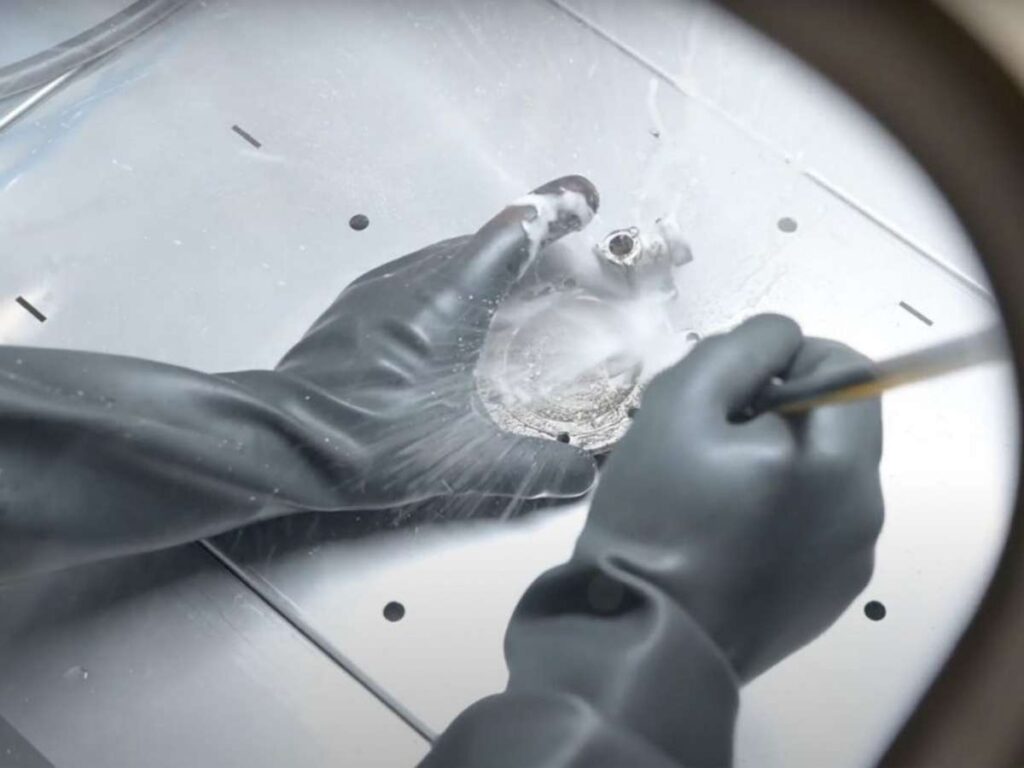
Step#2 Etching (Optional but Common)
Some people skip this step. I used to.
Until I had a batch of anodized parts come out looking like a patchwork of dull and shiny zones—no consistency, no visual appeal. The finish looked cheap, even though everything else was done right. That’s when I realized: etching isn’t just optional—it’s strategic.
If you care about how your parts look and feel, etching is your chance to shape that outcome before the anodizing even begins.
Purpose
This step smooths out minor surface flaws and makes the final finish more even. It also helps hide machining lines and prepares the surface for a consistent oxide layer.
Types of Etching
- Alkaline Etching: Produces a matte, non-reflective finish. Good for industrial or utilitarian aesthetics.
- Acid Etching: Enhances gloss and removes fine burrs. Often used when a premium, polished look is required.
Instruction
Choose your etching type based on the visual and tactile result you want.
Once selected, you need to control the bath time and temperature precisely. Too short? The surface stays rough. Too long? You’ll lose part dimensions or alter tolerances.
Etching may be optional, but skipping it without purpose? That’s just leaving your finish to chance.
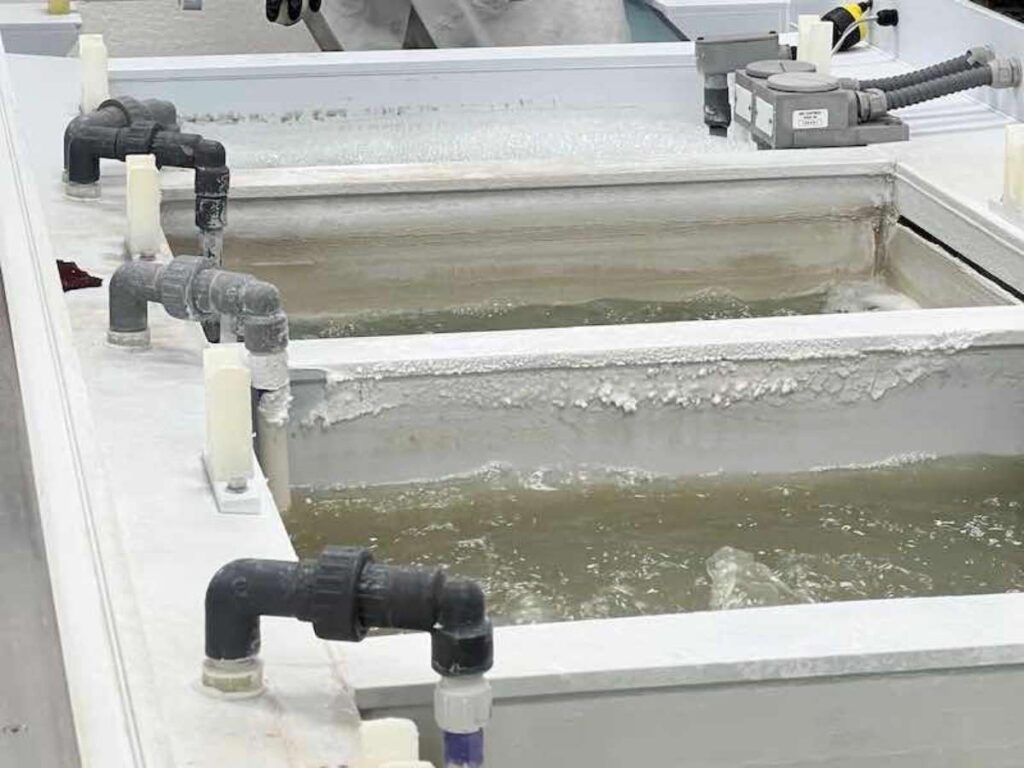
Step#3 Desmutting
This is the step that many overlook—until it bites them.
I remember watching a beautifully etched batch come out of anodizing with dark blotches and a rough, uneven finish. We double-checked the cleaning. Etching was solid. The problem? We skipped demutting. That mistake traced back to copper residues from a 6061 aluminum alloy. Lesson learned.
If you’re working with aluminum alloys (especially 6xxx series), you’re dealing with trace metals like copper, magnesium, and silicon. Etching brings those impurities to the surface. Desmutting clears them away.
Purpose
To remove metallic smut and residues left behind after the etching step. These residues interfere with the anodizing reaction and cause visual and structural defects in the final finish.
Common Chemicals
- Nitric Acid: Widely used for general-purpose desmutting—effective on most alloys.
- Nitric/Hydrofluoric Acid Blend: More aggressive. Used when standard nitric acid doesn’t fully remove the embedded residues, especially for high-silicon or high-copper alloys.
Instruction
Always match the desmut solution to the alloy. For example:
- 6xxx series? You’ll likely need the HF blend.
- Pure aluminum? Standard nitric may be enough.
And let’s be clear—this is not a casual step. These are highly hazardous acids. Use proper fume control, chemical PPE, and bath monitoring. Even slight mishandling here can turn into a safety or compliance issue fast.
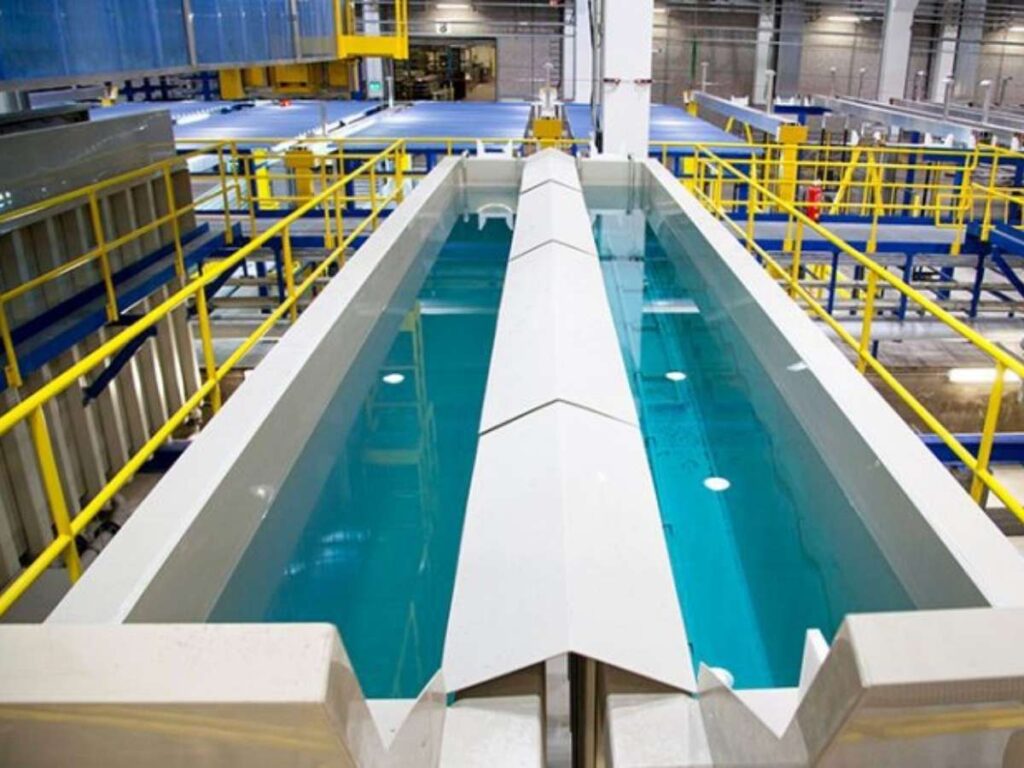
Step#4 Anodizing (Electrolytic Oxidation)
This is where the real transformation happens.
Once the surface is cleaned, etched, and desmutted, it’s time to do what cleaning alone could never achieve—build a hardened, functional oxide layer directly into the metal.
I remember standing by the tank during my first production run and watching that soft, silver aluminum part slowly develop its signature matte finish. That was the moment I truly appreciated how controlled—and unforgiving—this step is.
Core Process
Anodizing is done inside an electrolytic cell, where:
- The aluminum part becomes the anode
- A cathode (usually lead or stainless steel) completes the circuit
- The electrolyte is typically sulfuric acid—the industry standard for Type II anodizing
When direct current (DC) is applied, oxygen is released to the surface of the aluminum. This triggers the controlled growth of an oxide layer that is hard, porous, and tightly bonded to the metal beneath.
It’s not just a coating—it becomes part of the part.
Controllable Parameters
Every decision here shapes the final result. You or your supplier must dial in:
- Current Density: Impacts the rate of oxide formation and consistency
- Voltage: Must stay within a narrow range to avoid burning or undercoating
- Temperature of Bath: Affects pore structure and thickness growth. Needs continuous monitoring.
- Time in Tank: The longer the exposure, the thicker the oxide. Industry norms range from 5 to 25 microns, depending on the application.
Instruction
You’ll want to monitor current and timing closely to get the right balance between durability and surface quality.
Agitating the bath is also essential. It keeps the temperature stable and ensures uniform oxide formation across every surface, especially critical for complex geometries or tightly-toleranced parts.
At MachMaster, this is where our expertise kicks in. We run tightly controlled Type II anodizing operations with precise automation on current and temperature, ensuring our customers get consistent, durable finishes—batch after batch.
If your products depend on quality anodizing, this is not the step to gamble on. You need a partner who respects the science behind the shine.
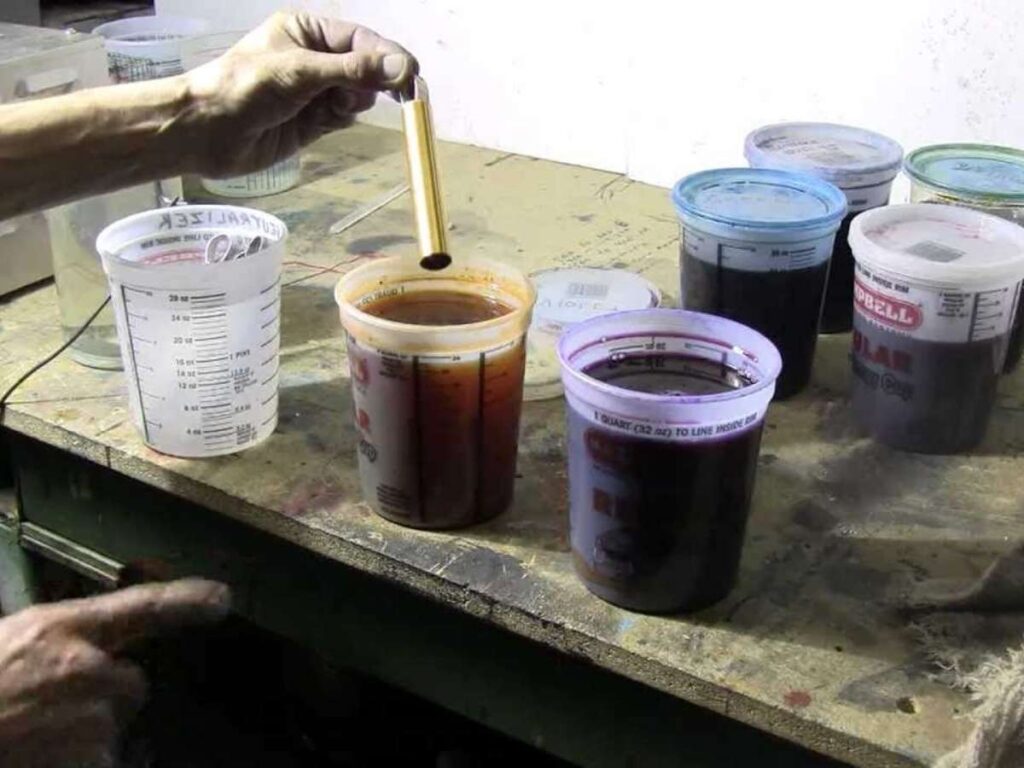
Step#5 Dyeing (Optional)
This is where function meets aesthetics.
If you’re adding anodizing strictly for corrosion protection or wear resistance, you can skip this step. But if color matters, for branding, product differentiation, or just a polished look, dyeing is essential.
I once had a client ask why their black anodized parts turned purple under sunlight. They used the cheapest dye on the market. That’s when I realized: dyeing isn’t just about looks—it’s about longevity.
When This Step Is Used
Only when a specific color or finish is required. Think about:
- Branded colors for product lines
- Cosmetic finishes for consumer-facing components
- Color coding for industrial parts
No dye? The part stays natural—typically a silver, gray, or champagne tone.
Types of Dyes
- Organic Dyes: Offers a wide color range, blues, reds, purples, and vibrant blacks. Downside: Less UV resistance over time. Best for indoor or low-exposure parts.
- Inorganic Dyes: Fewer shades (mostly earth tones and grays), but very durable under the sun and heat. Ideal for outdoor applications or harsh environments.
Instruction
Dye immediately after anodizing. The aluminum pores are still open and receptive. Wait too long, and those pores begin closing, reducing absorption and causing patchy color.
Agitate the dye bath constantly. This prevents settling and ensures even penetration across every surface. Uneven dyeing not only looks bad, it can also weaken brand credibility and lead to rejections.
Step#6 Sealing
This is the step that makes it all permanent.
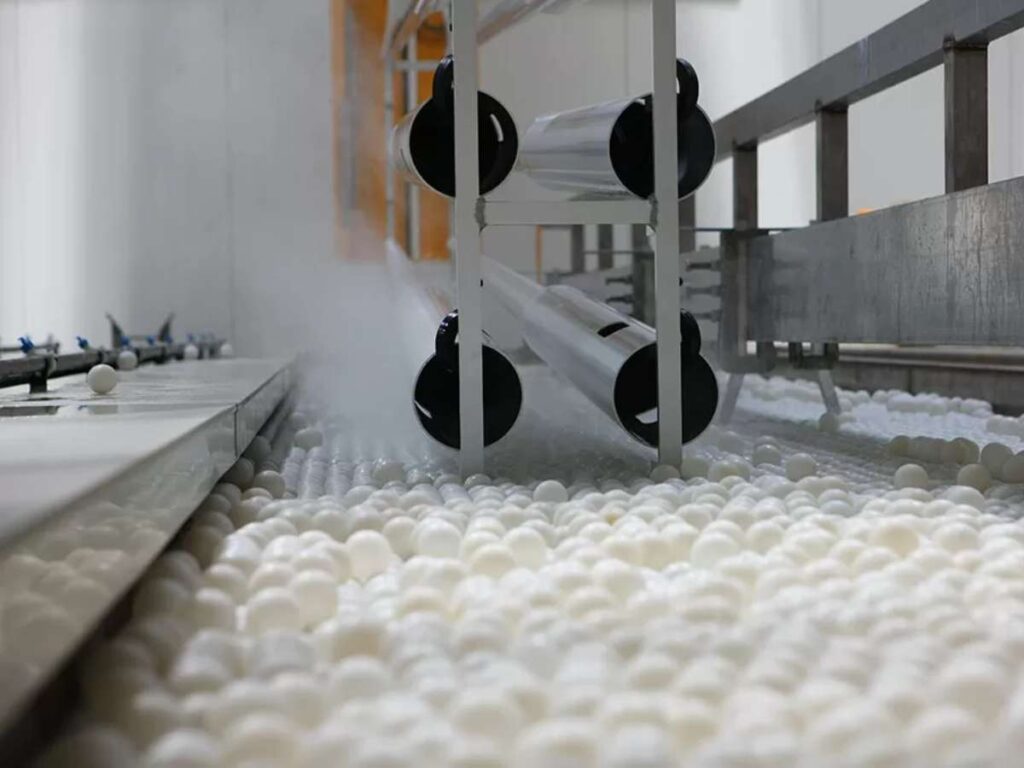
After anodizing, and especially after dyeing, your aluminum part is covered in microscopic pores. Those pores are what allow dye to seep in, but they’re also entry points for moisture, dirt, and corrosion. If you don’t seal them properly? All that work can start breaking down the moment the part hits the field.
I learned that the hard way when a shipment of parts came back six months later looking faded and blotchy. The seal had failed, and so did customer confidence.
Why Seal?
- Closes the pores created during anodizing to protect the finish.
- Locks in dye so the color doesn’t fade, bleed, or wash out.
- Boosts corrosion resistance dramatically, especially in marine or outdoor environments.
Methods
- Hot Deionized Water Sealing: The most traditional method. Hot water causes aluminum oxide to swell, closing the pores naturally. Simple, effective, but energy-intensive.
- Nickel Acetate Sealing: A chemical sealant often used for dyed parts. Helps maintain color brilliance and improves lightfastness.
- Cold Sealing: Done at lower temperatures, making it more energy-efficient. Requires special additives to achieve proper pore closure and often needs tighter process control.
Instruction
Time and temperature are everything here.
Go too fast, and the pores won’t fully close. Go too long or too hot, and you risk damaging the dye or distorting thin-walled parts.
After sealing, always rinse thoroughly. Residual sealants or unreacted chemicals can leave streaks, stains, or even surface degradation over time.
Step#7 Final Rinse and Drying
This step might seem simple, even skippable. It’s not.
I’ve seen gorgeous, perfectly sealed parts come out of the drying area with water spots, haze, or fingerprints—all because someone rushed or used the wrong rinse. At this point in the process, even the smallest mistake shows.
After all the chemical steps, this final rinse and dry locks in the appearance and gives your product its finished, professional look.
Purpose
- Remove all residual chemicals from the sealing bath.
- Prevent spotting or surface defects caused by impurities in rinse water or improper drying.
Any trace left behind can dull the finish, reduce corrosion protection, or interfere with downstream packaging or assembly.
Methods
- Deionized Water Rinse: Ensures that no minerals or contaminants remain on the surface. Standard practice after sealing is to keep the finish pure.
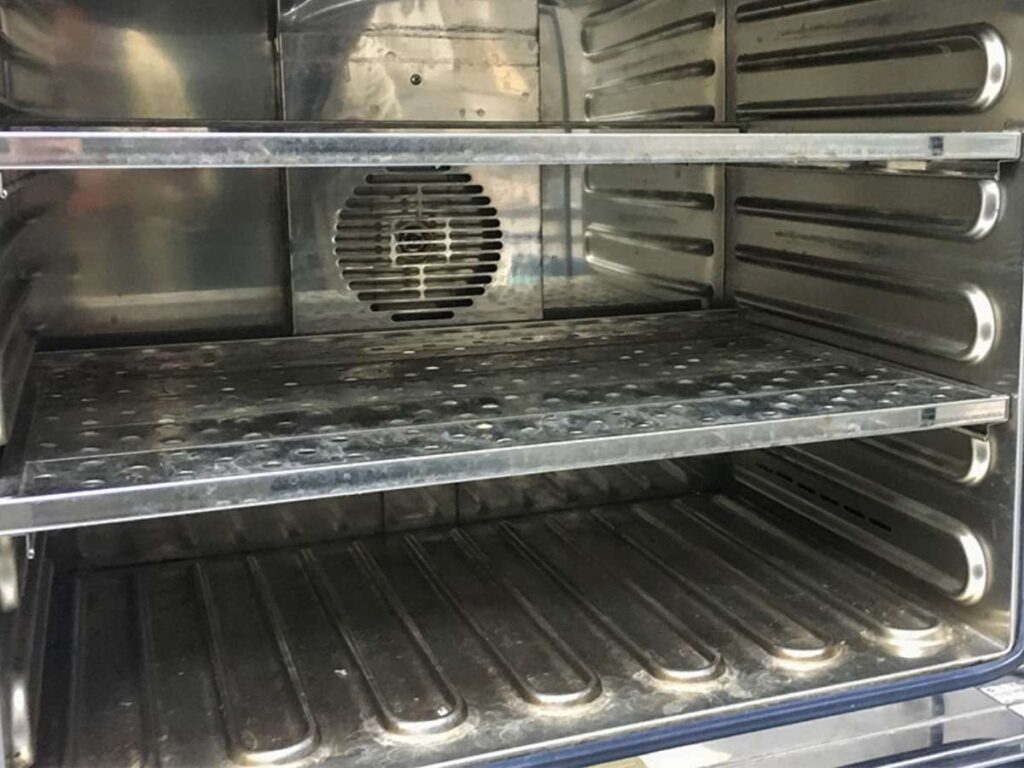
- Forced Air or Oven Drying: Quickly removes moisture to prevent water spotting. Controlled drying prevents surface damage and speeds up production flow.
Instruction
Use lint-free racks or hangers, anything that touches the part now could leave marks, indentations, or debris.
Avoid all direct contact during drying. No gloves, no handling, no shortcuts. Let the part dry in a controlled environment to protect the surface finish you’ve worked so hard to build.
Step#8 Quality Inspection
You can follow every step of the anodizing process to the letter, but if you skip this one, you’re flying blind.
I’ve seen production teams put all their trust in the tanks and chemistry, only to have critical defects slip through because nobody double-checked. When a high-value client spots a blotch or inconsistent coating, they don’t care how good your process is, they care about results.
That’s why quality inspection isn’t optional—it’s the final gatekeeper.
Tests Performed
- Coating Thickness (Micron Gauge): Confirms the oxide layer meets the required spec—usually 5–25 microns depending on function. Thin coating? Reduced corrosion protection. Too thick? Potential dimensional issues.
- Adhesion Tests: Ensures the oxide layer is integrated and stable, not flaking or separating from the substrate. Especially important for parts going into high-wear or mechanical stress environments.
- Sealing Integrity Tests: Verifies that pores are properly closed. Common methods include dye spot testing or contact angle measurement.
- Visual Inspection: Final hands-on check for:
- Streaks
- Burns
- Color variation
- Uneven gloss or texture
- Mechanical handling damage
At MachMaster, our quality team inspects every anodized part using both digital and manual methods. We calibrate for precision and consistency, because we know that even a flawless process can break down without verification.
If your customers rely on finish quality for function or visual appeal, this is where you earn their trust.
Conclusion
You came here for clarity.
Now you know each part of the anodizing process.
We covered what to do. When to do it. And why it matters.
You can use this for your next product, order, or experiment.
That frustrating moment with my friend’s part? We never let that happen again. You don’t have to either.
Don’t wait. Take what you learned and move forward with confidence.
Have a question? Curious about the right setup?
Let’s talk about it. Contact us today! I’ve helped teams like yours figure it out.
Discover More Options
There’s so much more to discover! Check out our other products and find what fits your needs:
Still haven’t found what you’re looking for? Don’t hesitate to contact us. We’re available around the clock to assist you.