
When I launched my first product, I didn’t anodize the aluminum.
I thought, “It’s just for looks, right?”
I was wrong.
A few months later, I started getting messages from customers.
Their parts were scratched. Some even looked like they were rusting.
That’s when I realized anodizing isn’t just about appearance. It protects the metal. It makes a real difference.
If you’re here, you’re probably asking the same question I once did: What does anodizing really do to aluminum?
Maybe you’re building a product. Or buying parts for your team. Or working on a school project and want to get it right.
Whatever your role, you’re smart to ask this now, not later.
In this article, I’ll explain what anodizing is, how it works, and why it matters. No fluff. Just what you need to know to make a smart choice.
So, let’s get into it!
1. What is Anodizing
Anodizing is an electrochemical process that strengthens and protects the surface of aluminum by thickening its natural oxide layer.
In simple terms:
Your raw aluminum already forms a super thin “skin” of oxide when it’s exposed to air. That’s what gives it some basic corrosion resistance. But that layer? It’s weak. It flakes. It’s inconsistent.
Anodizing takes that basic skin and turns it into a durable armor.
It does this by:
- Submerging the aluminum in an acid bath
- Running an electrical current through it
- Creating a controlled, thicker oxide layer that’s now part of the metal—not something sprayed on top
This layer is porous at first, which is ideal for adding color or sealants, and then it’s locked in to resist wear, UV exposure, and corrosion.
Anodizing doesn’t coat or cover the metal. It converts the surface. That means no chipping, no peeling, and minimal dimensional change—critical if you’re dealing with tight tolerances or mass production.
2. What Does Anodizing Do to Aluminum
Let’s get right to it, anodizing doesn’t just “treat” aluminum. It transforms it.
If you’re in charge of performance, appearance, durability, or cost. You need to know exactly how that transformation plays out. Because this isn’t just a process—this is an upgrade.
When aluminum gets anodized, it goes through a chemical change at the surface level. But the results? They show up everywhere: in product longevity, in visual quality, in technical performance, and even in customer satisfaction.
Let’s break it down into what really matters to your work:
It Builds a Protective Barrier That Fights Corrosion
Raw aluminum has a natural oxide film, sure—but it’s thin, patchy, and not enough in demanding environments. Anodizing makes that film thicker, tougher, and consistent.
So what does that mean to you?
- No more pitting from salt spray or humid conditions
- Extended product life in outdoor, industrial, or coastal settings
- Less maintenance, fewer returns, and better user experience
If you’re shipping internationally or selling into high-moisture climates, this single layer can save your reputation.
It Hardens the Surface, Dramatically
After anodizing, the aluminum surface becomes significantly harder, almost ceramic-like.
You’re not just making it more scratch-resistant. You’re making it:
- Able to withstand friction and abrasion
- Suitable for high-wear mechanical parts
- Less prone to denting or surface fatigue
For industrial tooling, moving assemblies, or consumer gear that sees repeated use? This is your best friend.
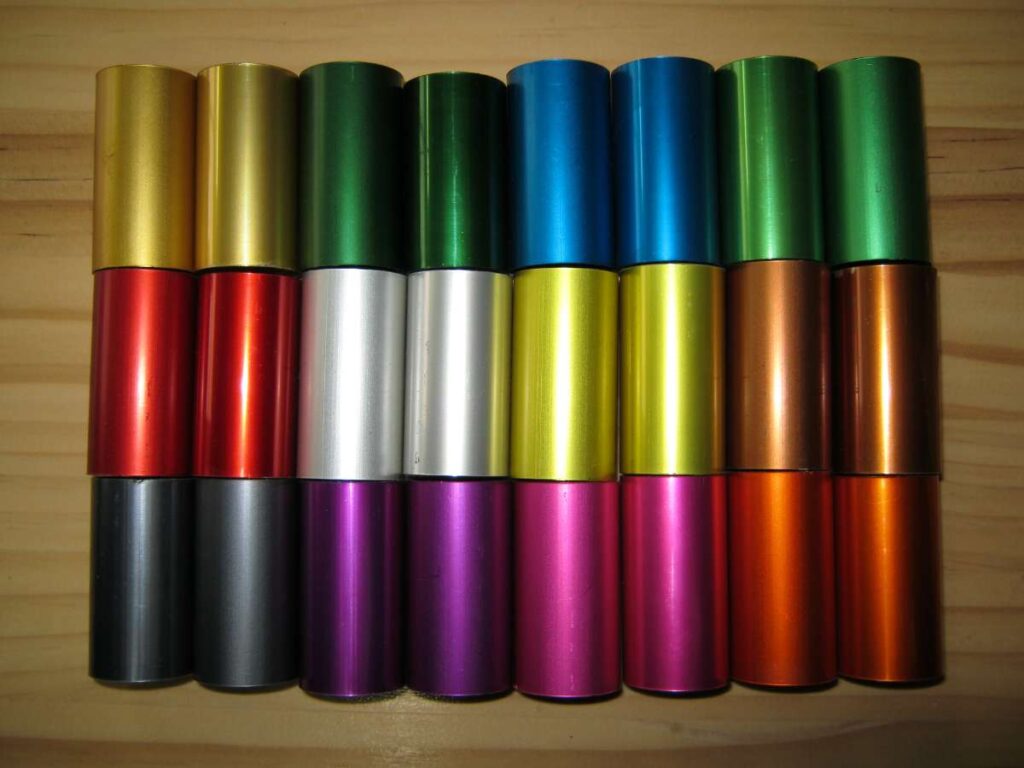
It Creates an Ideal Surface for Color and Branding
That porous structure created during anodizing?
It soaks up dye like a sponge before it gets sealed. That means:
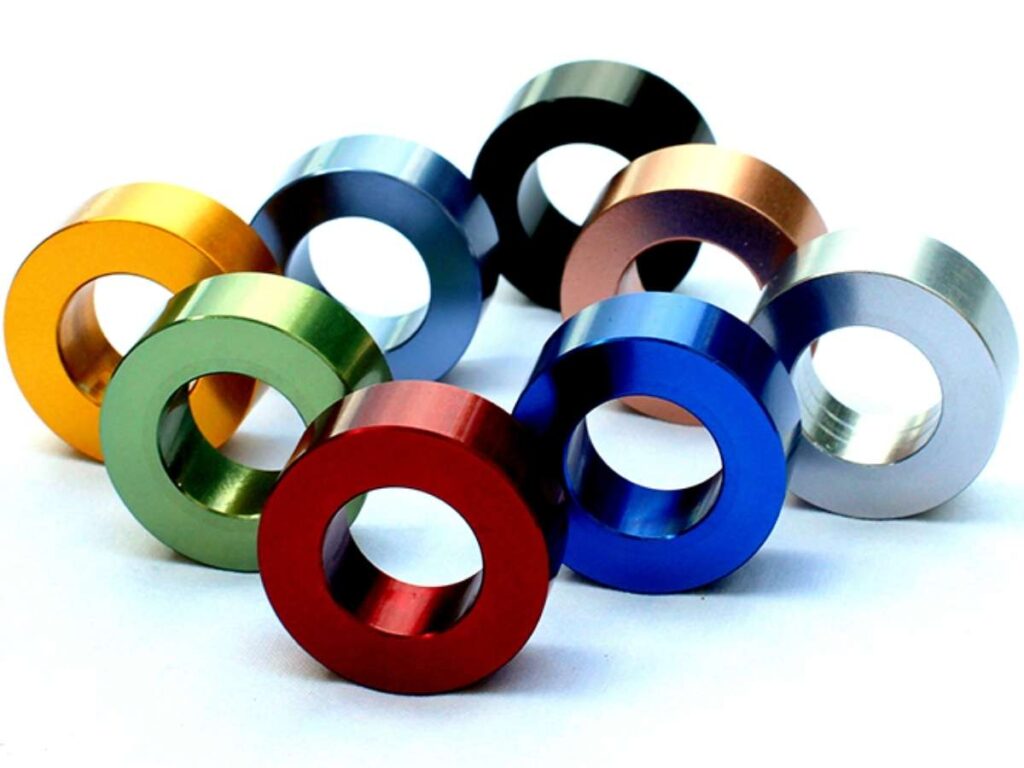
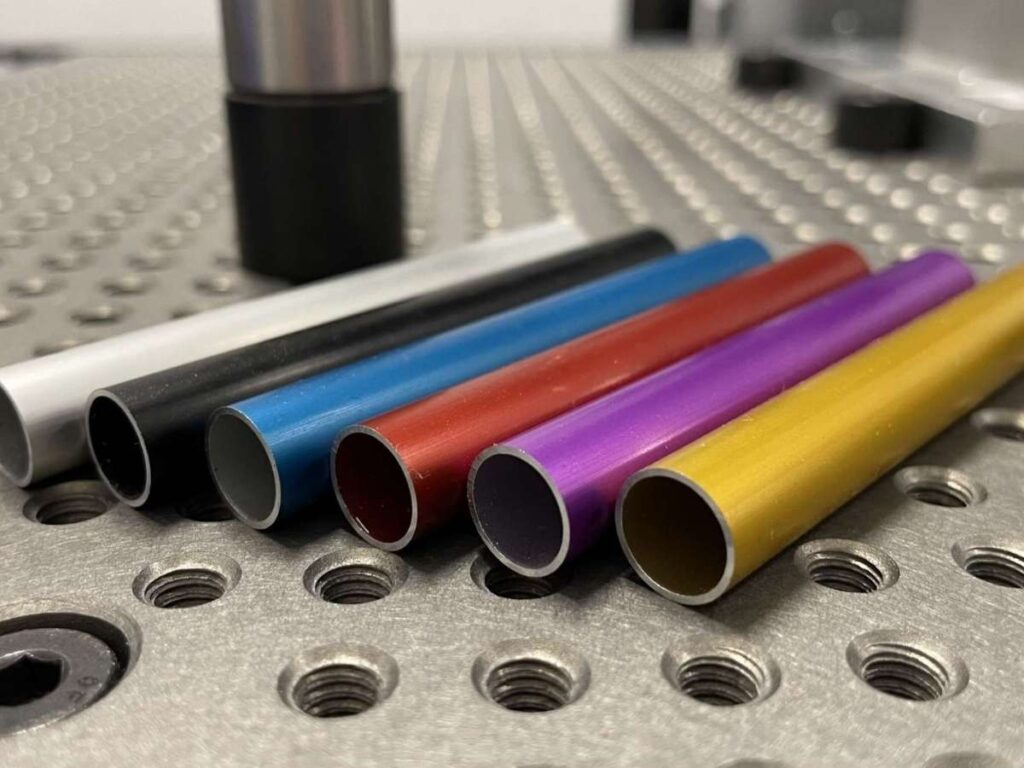
- Vivid, lasting color finishes that don’t chip off
- Custom branding through colors, gradients, or patterns
- A high-end, premium look and feel—especially important for electronics or consumer gear
If brand consistency or product shelf appeal matters to you, anodizing gives you options without sacrificing durability.
It Insulates the Surface Electrically
Most people don’t expect this: anodizing turns conductive aluminum into a non-conductive outer shell.
Why does that matter?
- Prevents short-circuiting in electronic enclosures
- Protects sensitive components
- Enables safer handling in assembly lines
It’s a small shift, but in electronics, safety gear, or medical devices, that insulation can be a big deal.
3. Key Benefits of Anodizing Aluminum
If you’ve ever had to explain why your product costs more than a competitor’s, or why a certain finish was worth the lead time, you already know how much the little things matter.
That was me, trying to justify an anodized aluminum part to a skeptical client who wanted to save a few cents by using painted steel. On paper, their alternative looked close enough. But 6 months later, they came back, and they never questioned anodizing again.
Why? Because anodizing doesn’t just make aluminum prettier. It makes it smarter, tougher, and longer-lasting.
Here’s how that plays out in the real world:
Corrosion Resistance
Aluminum is already more rust-resistant than steel, but anodizing levels it up. It creates a uniform, controlled oxide layer that shields the metal from moisture, salt, and harsh chemicals.
For you, that means:
- Fewer warranty claims
- Better long-term performance in outdoor or industrial settings
- Increased trust from your end customers and distributors
If you’re building for marine, medical, food processing, or humid environments? This benefit alone makes anodizing a no-brainer.
Hardness That Withstands Daily Abuse
After anodizing, aluminum doesn’t just resist rust—it resists reality.
- Friction
- Abrasion
- Dropping
- Repetitive use
- Handling during shipping or installation
In one of our projects, we switched to hard anodized aluminum for a customer’s sliding mechanisms in an automated packaging line. Their steel parts used to last about 6 months. The anodized aluminum? Over 18 months with almost no visible wear—and lighter, too.
When your product works better and lasts longer, people notice.
Thermal and UV Stability
Paint fades. Plastics warp. But anodized aluminum?
- Maintains finish even under UV exposure
- Withstands high-heat environments
- Doesn’t off-gas or degrade in sunlight
One client of ours builds commercial lighting enclosures. After switching to anodized housings, they eliminated discoloration complaints—even in Arizona summers.
4. Different Types of Anodizing
Not all anodizing is created equal.
Back when I was sourcing components for a rugged outdoor product line, I learned this the hard way. We chose a basic decorative anodizing process, and ended up with parts that looked great but couldn’t handle the real-world abuse. That mistake cost us months in rework and customer trust.
Let’s walk through the three most common types of anodizing so you know what fits your product best.
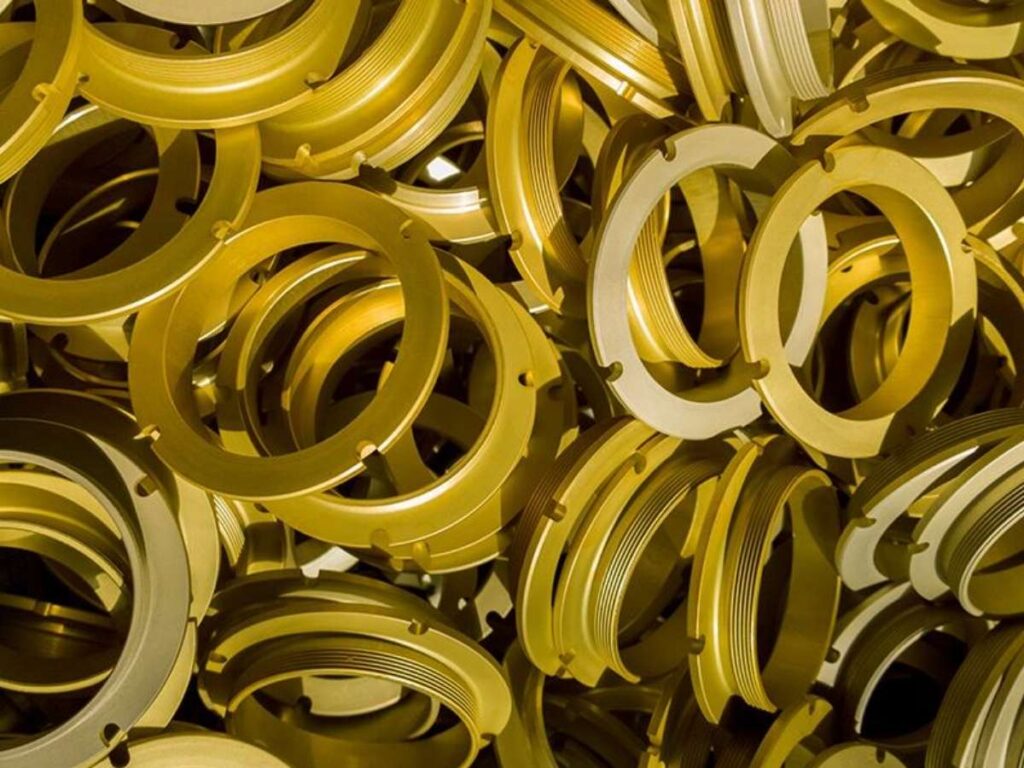
Type I – Chromic Acid Anodizing
This is the most basic and least aggressive form.
- Produces a thin oxide layer (0.5–0.8 microns)
- Offers moderate corrosion resistance
- Maintains tight dimensional tolerances
- Typically, it has a dull gray finish
It’s often used in aerospace and defense applications, especially where minimal change in part dimensions is critical. But for most commercial or consumer uses, this isn’t the go-to.
Type II – Sulfuric Acid Anodizing (Standard Anodizing)
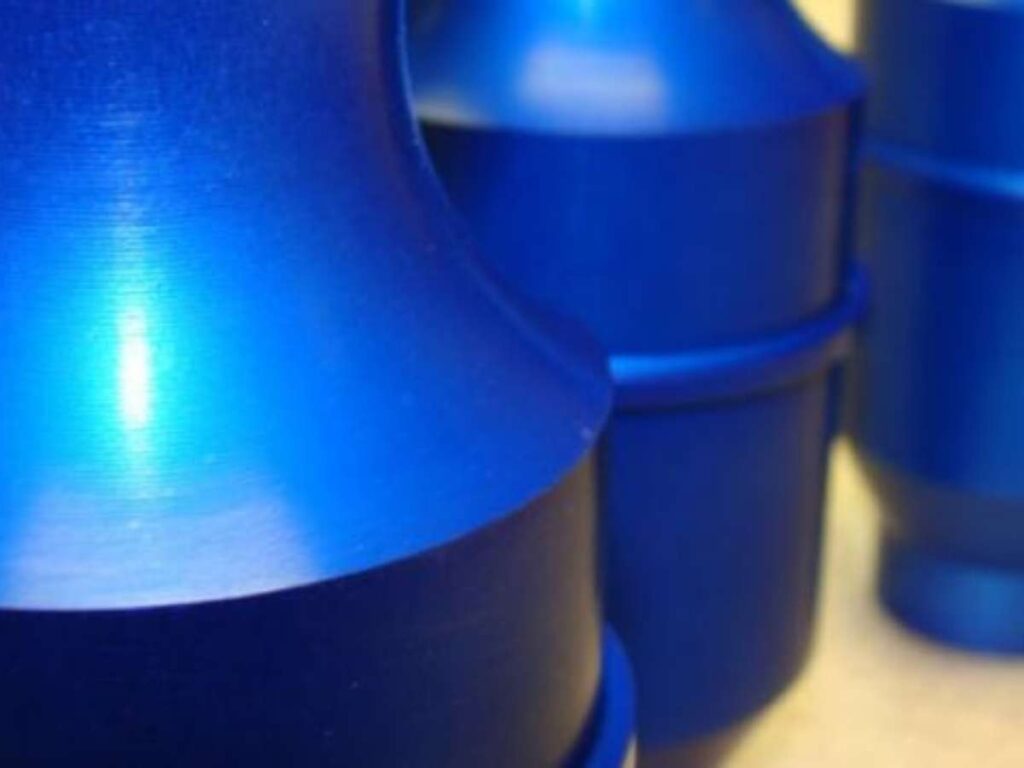
This is the most common type, and one we perform frequently at MachMaster for a wide range of clients.
- The oxide layer is around 5–25 microns thick
- Excellent coloring and dye absorption
- Good balance of corrosion protection and appearance
- Ideal for consumer goods, general industrial parts, enclosures
If you’re looking for that clean, uniform, color-customizable finish you see in electronics or home goods, Type II is your sweet spot. It’s durable enough for light to moderate wear, and versatile enough for branding, marking, or design-focused applications.
Type III – Hardcoat Anodizing (Hard Anodizing)
Now we’re talking serious protection.
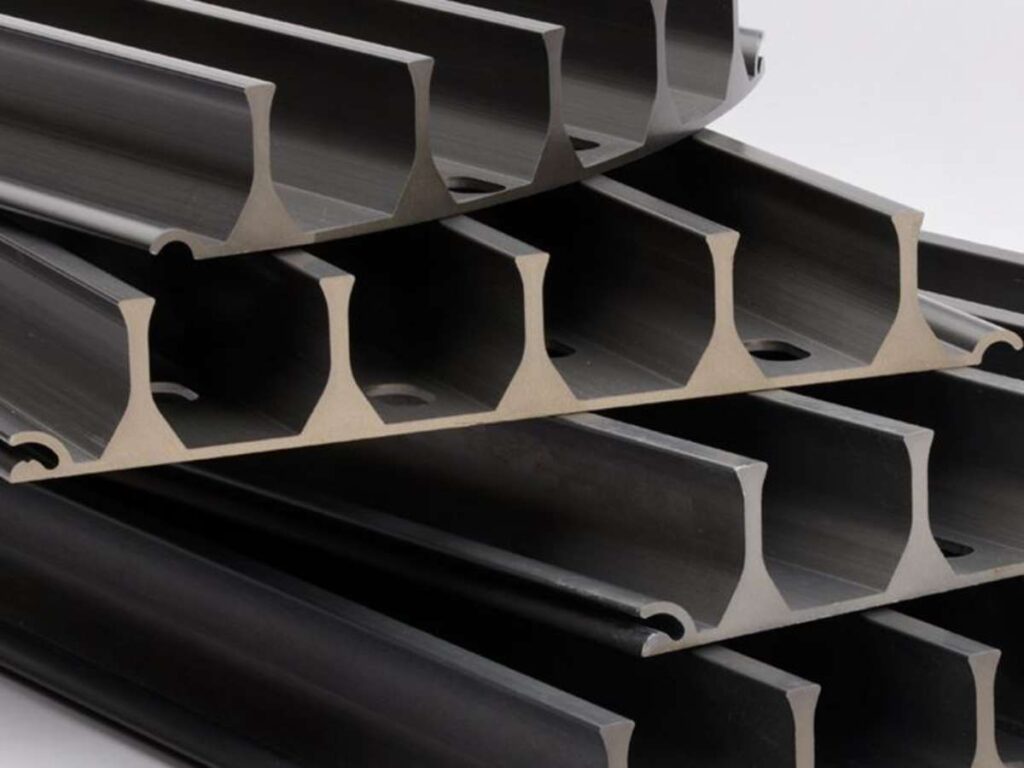
- Produces a very thick oxide layer (25–100 microns)
- Results in extremely high surface hardness (up to 60–70 Rockwell C)
- Superior wear resistance, especially in friction-heavy or outdoor environments
- Usually dark gray or black; can be dyed, but with limited vibrancy
At MacMaster, we recommend Type III when you’re dealing with:
- Sliding, rotating, or contact-heavy components
- Harsh chemical exposure
- Military-grade or high-endurance parts
This is the anodizing choice when failure is not an option and longevity matters most.
5. Common Applications of Anodized Aluminum
When you know what anodizing does, and you pick the right type, its value becomes crystal clear across nearly every industry.
I’ve personally seen anodized aluminum solve challenges on the production floor, elevate the perception of consumer products, and reduce long-term maintenance costs in industrial environments. It’s one of those rare processes that checks the boxes for performance, appearance, and practicality—all at once.
So, where does anodized aluminum shine? Let’s break it down by category:
Electronics and Consumer Tech
Think of the sleek outer shell of your smartphone or laptop.
That’s not just for looks—anodized aluminum provides structure, durability, and heat resistance.
Common uses include:
- Device housings
- Camera components
- Audio gear and premium headphones
- Wearable devices like smartwatches and fitness trackers
Why does it work: Lightweight, corrosion-resistant, and fingerprint-resistant with a clean, premium feel.
Architecture and Construction
In building applications, looks matter, but so does long-term performance. Anodized aluminum gives you both.
You’ll find it in:
- Window frames and curtain walls
- Handrails and fencing
- Exterior panels and trims
- Signage and façade systems
Why it works: Fade-resistant, weatherproof, and low maintenance. It holds up for decades, even in harsh climates.
Automotive and Transportation
From under-the-hood components to visible trim, anodized aluminum handles vibration, wear, and exposure.
Applications include:
- Trim and interior accents
- Engine covers and brackets
- Pedals and control surfaces
- Bike and e-scooter frames
Why it works: It’s tough, corrosion-resistant, and significantly lighter than steel, which contributes to fuel efficiency and EV range.
Industrial and Manufacturing Equipment
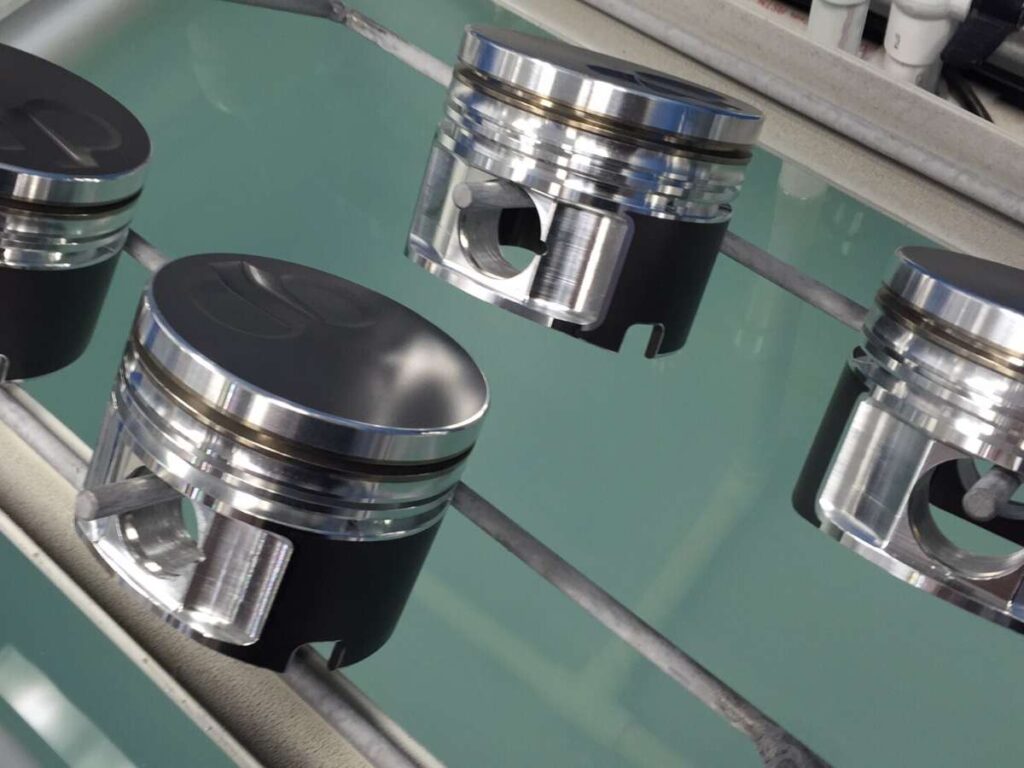
I’ve seen customers cut costs and downtime just by switching from painted steel to hard anodized aluminum in automation systems.
Common parts:
- Machine housings and panels
- Shafts and pistons
- Conveyor components
- Precision tooling and fixtures
Why it works: Anodizing withstands abrasion, chemicals, and constant contact, with very little maintenance required.
6. Limitations of Anodized Aluminum
Anodizing offers a lot, but like any process, it’s not a silver bullet.
I’ve worked with teams that jumped into anodizing expecting perfection across the board. But then we hit issues with alloy compatibility, surface inconsistencies, or unrealistic expectations about color matching. That’s when we learned: the more you understand the limitations upfront, the better decisions you make down the line.
So let’s talk about what anodizing can’t do—or at least where it demands caution.
Not All Alloys Respond the Same
This one catches a lot of people off guard.
Certain aluminum alloys don’t anodize evenly. Some may turn blotchy, discolored, or result in weaker finishes. For example:
- 2000 and 7000 series alloys can be difficult to color consistently
- High copper or zinc content can cause poor oxide formation
If you’re planning to anodize, you need to specify the right alloy from the start—and that’s something we help clients navigate all the time at MachMaster.
Color Matching Can Be Inconsistent
This isn’t paint. It’s chemistry. Dyes react with the oxide layer, which means:
- Slight variations in alloy, surface prep, or thickness = different color outcome
- It’s hard to guarantee perfect color consistency across batches or suppliers
- Metallic luster can shift appearance under lighting conditions
So, if your product requires tight brand color control, you’ll need either:
- Very strict process control
- Or a different finishing method altogether
It’s Not Great for Deep Scratches or Dents
Anodizing can enhance a clean surface, but it won’t hide flaws.
- Pre-existing scratches, tool marks, or uneven machining will show through
- Repairs after anodizing are extremely difficult or impossible
- Post-processing, like welding or reshaping, can damage the finish
It Can Be Brittle Under High Stress
While anodized layers are hard, they’re also brittle.
If you bend or flex anodized aluminum after treatment:
- It can crack or craze (microfractures)
- The coating can flake off at stress points
- Surface may weaken around formed or stamped areas
This makes anodizing less suitable for post-formed parts or dynamic mechanical applications, unless you’re using the right thickness and process controls.
7. Considerations Before Anodizing an Aluminum
Before you commit to anodizing, pause and look at the big picture.
Yes, anodizing offers real advantages, but the outcome depends heavily on how you prep, what you design, and who you partner with. I’ve seen great products fall short because someone didn’t ask the right questions before production began.
If you’re planning a new line, upgrading components, or switching suppliers, these are the decisions worth slowing down for.
Aluminum Alloy Selection
Not all aluminum grades respond equally to the process. You want to work with alloys that:
- Accept dye well (like 6061 or 5052)
- Form a strong, uniform oxide layer
- Resist discoloration or pitting
Choosing the wrong alloy could mean uneven finishes, poor durability, or total failure under stress. Always confirm material compatibility before locking in the spec sheet.
End-Use Conditions
Think through where and how your product will be used.
- Moisture, chemicals, or extreme UV exposure?
- Outdoor vs. indoor environment?
- High abrasion or mechanical wear?
The more demanding the environment, the more important it is to choose the right anodizing type and thickness, especially when corrosion resistance or long-term durability is critical.
Dimensional Sensitivity
Anodizing adds thickness, even if only in microns. That small change can affect parts that:
- Slide or rotate
- Snap-fit or press-fit
- Require high precision
This makes early planning essential. Adjust your tolerances, prepare CAD files accordingly, and coordinate with your finisher on masking or post-machining if necessary.
Color Uniformity
When your product relies on a consistent visual appearance, you need to get specific.
- Standardize on one alloy and surface finish
- Use controlled dye processes
- Expect slight variation with certain colors and finishes
Color inconsistency is preventable—but only with forethought and clear documentation.
Conclusion
You started this article asking, what does anodizing do to aluminum?
Now, I’ve walked through the process. Shared my mistake.
And showed you why anodizing matters.
No more guessing.
So here’s your next step:
Use what you’ve learned. Think ahead. Plan better.
Whether you’re designing, buying, or building, get the right finish now.
Contact MachMaster today. Let’s get it right the first time.
Explore Related Resources
Want to see more? We’ve gathered additional product choices to give you even more variety:
Still haven’t found what you’re looking for? Don’t hesitate to contact us. We’re available around the clock to assist you.