
I worked with a new client who was constantly tweaking their process to improve precision, but nothing stuck.
When they finally moved to injection molding, the gains weren’t just technical, they were financial.
The benefits showed up in fewer defects, faster runs, and smoother logistics.
As a supplier for commercial manufacturing teams, we’ve helped companies unlock the full value of injection molding through smarter design, tooling, and production.
In this article, we’ll cover 8 key benefits of injection molding that make a measurable impact on quality, efficiency, and growth.
If you’re looking for a process that does more with less, this guide was written for you.
Let’s dive in!
1. High Efficiency and Fast Production
Every time I walk through a production facility that uses injection molding, I notice the same thing. The pace is steady, the machines are humming, and parts are coming out quickly without much fuss.
That kind of efficiency speaks volumes when you’re trying to meet high-volume targets.
Why Speed Matters in Manufacturing
Speed is more than a convenience in this industry. It plays directly into how fast you can deliver, invoice, and scale. Injection molding offers a fast turnaround once your mold is created, and that means fewer delays across your supply chain.
MachMaster is known for leveraging this speed—once tooling is ready, their streamlined production process helps reduce backlog and keeps delivery timelines tight.
It also helps reduce backlog and keeps your production on track during seasonal surges or last-minute demand shifts.
Fast Cycle Times Mean Faster Revenue
What really sets injection molding apart is the short cycle time. You can produce a finished part every few seconds, depending on its complexity. That level of output helps teams hit production goals without adding more machines or labor.
The quicker those parts are made, the quicker they ship out. And the quicker they ship, the faster you get paid. It creates a clean and efficient loop that keeps your cash flow healthy.
Streamlining Workflow with Automation
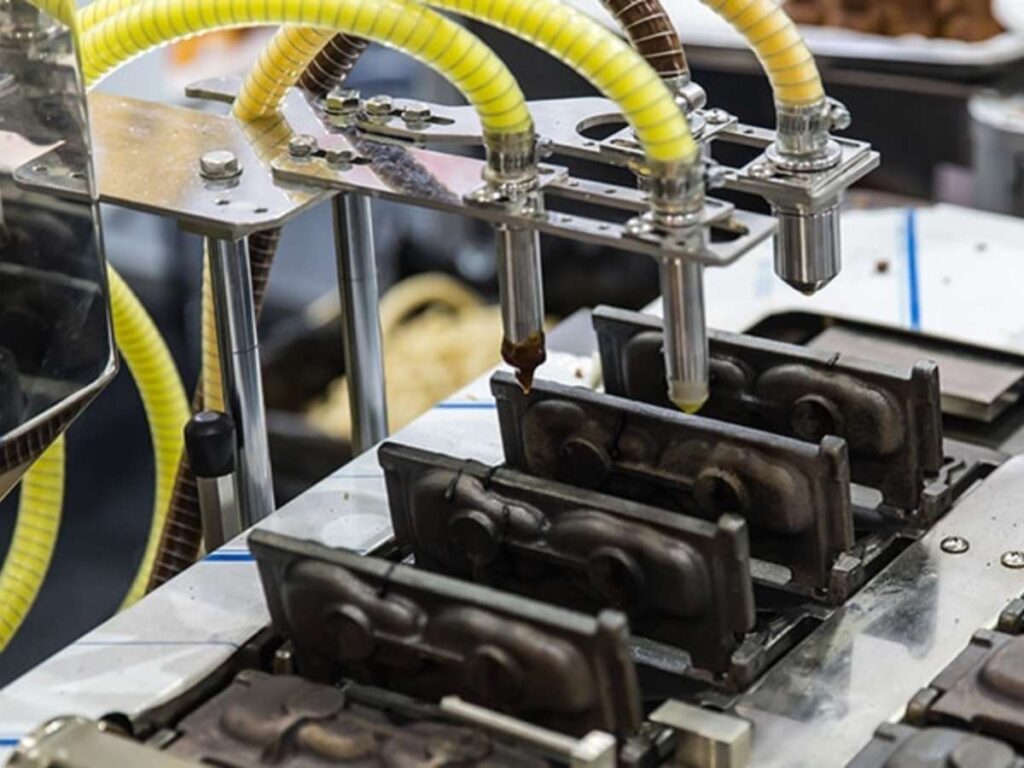
One of the biggest advantages is how seamlessly this process fits into automated workflows. Once the mold is installed and the machine settings are fine-tuned, it mostly runs on its own. Operators are there for oversight, not constant adjustment.
I’ve seen setups where one technician keeps multiple machines running smoothly. That kind of labor efficiency saves time, reduces errors, and lowers costs without sacrificing production quality.
2. Exceptional Repeatability and Consistency
There’s nothing more frustrating than sending out a batch of parts, only to have a customer call back with complaints about fit or finish.
I’ve heard that story too often from teams relying on inconsistent production methods. Injection molding helps eliminate that kind of variability.
The Power of Identical Output
Once the mold is made and your settings are locked in, injection molding produces parts that are virtually identical from one cycle to the next.
Whether you’re running 500 units or 500,000, the outcome stays the same. That level of consistency keeps quality checks simple and reduces the risk of defects.
For businesses, this means fewer headaches. Products that need to fit together, function precisely, or meet tight specs won’t need constant rework or adjustment. It creates a stable foundation for any assembly or packaging line.
How Consistency Builds Trust
Consistency doesn’t just help your internal teams, it reassures your customers too. When they know every part you deliver will perform the same, it builds trust.
That trust turns into repeat business, stronger contracts, and fewer service calls down the road.
I’ve seen companies improve their entire supply chain performance just by switching to injection molding for this reason alone. When quality becomes predictable, everything else flows more smoothly.
3. Cost-Effectiveness for Large-Scale Production
Scaling a product sounds exciting until you start running the numbers. Many businesses hesitate because of tooling costs or labor-heavy processes that don’t scale well. Injection molding changes that conversation by making high-volume production financially practical.
Upfront Costs vs Long-Term Gains
Yes, creating the mold can be a major investment upfront. But once that’s out of the way, the cost per part drops significantly.
The more you produce, the faster you recoup the tooling cost. For companies planning medium to large production runs, the savings stack up quickly. Over time, the mold pays for itself many times over.
Lower Unit Costs with Scale
Injection molding shines when you produce thousands, or millions of units. The machines are built to run continuously with very little downtime between cycles.
Each part costs less because the process uses less labor, less material waste, and less handling.
That cost-efficiency gives you more flexibility with pricing, bundling, or responding to market pressure without cutting into your margins.
Saving on Labor and Downtime
Once the setup is complete, the system needs minimal oversight. A single operator can monitor several machines at once, which reduces labor costs without sacrificing output.
I’ve worked with teams who used that labor shift to strengthen their QA process or speed up packaging.
It also cuts down on delays. Since the machines handle the bulk of the work, you don’t deal with as many interruptions due to human error or fatigue.
When Volume Makes the Difference
Not every process rewards you for scaling up. Injection molding does. The more parts you make, the lower your average cost becomes.
That gives you a huge advantage if you’re competing on price or working with clients who expect aggressive volume discounts.
For companies planning long-term production, this isn’t just a benefit. It’s often the reason injection molding gets chosen in the first place.
4. Complex Part Design Capabilities
Some designs look great on paper but fall apart when you try to manufacture them.
I’ve had plenty of conversations with teams who were stuck because their designs were too detailed for basic machining. Injection molding offers a way to bring complex ideas to life without cutting corners.
Design Freedom You Can Count On
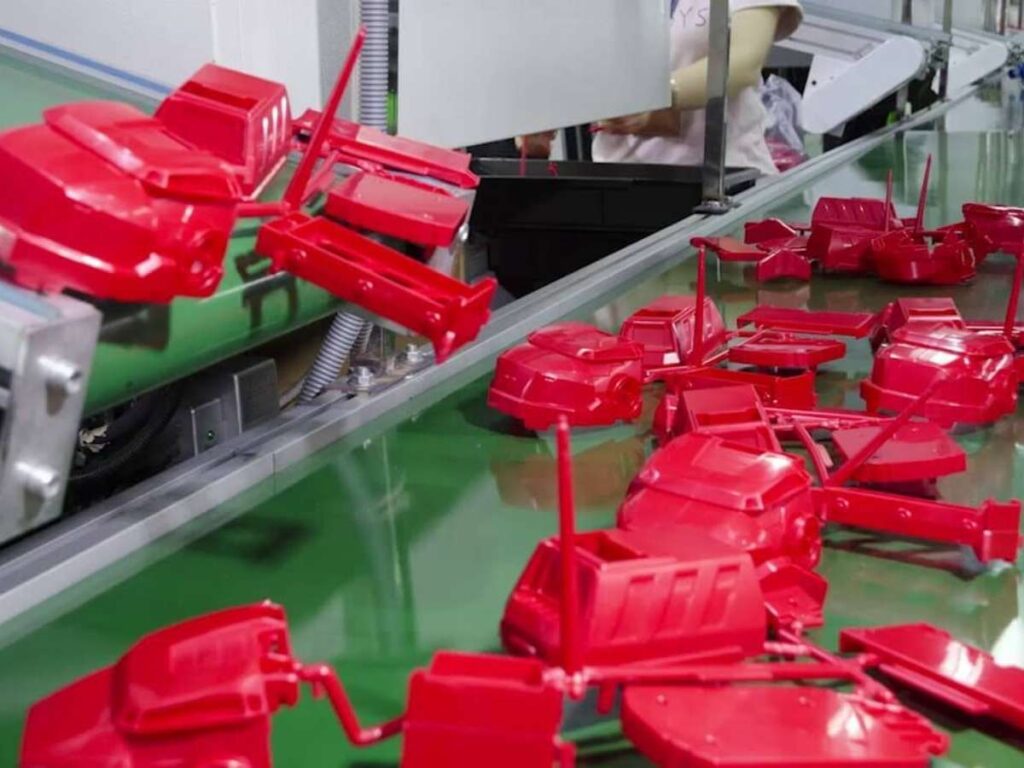
With injection molding, you’re not limited to simple shapes or flat surfaces. The molten material fills even the smallest features of the mold, allowing for smooth curves, tight corners, and functional details that would be hard to achieve with other methods.
This gives designers the freedom to prioritize performance and aesthetics without needing to simplify or redesign for manufacturability.
Solving Geometry Challenges
Parts with thin walls, snap-fit joints, internal ribs, or textured surfaces are all possible through injection molding. I’ve seen engineering teams solve big problems just by using a well-designed mold. Undercuts, living hinges, and molded threads can be added without complicating the production process.
These design options reduce the need for post-processing, separate components, or manual assembly, which saves both time and money.
Overmolding and Insert Molding Options
Injection molding also supports advanced techniques like overmolding and insert molding. Overmolding lets you combine two materials in one part, like a rigid core with a soft grip. Insert molding places a pre-made piece, such as a threaded insert or metal pin, inside the mold before injecting plastic around it.
These options open the door for more durable, functional, and user-friendly products without adding assembly steps or compromising strength.
5. Wide Range of Material Choices
Material selection can make or break a product. Whether you’re after flexibility, strength, clarity, or compliance with industry standards, injection molding gives you more control. Some companies were able to hit both performance and budget targets just by choosing the right resin.
Tailored Resins for Targeted Needs
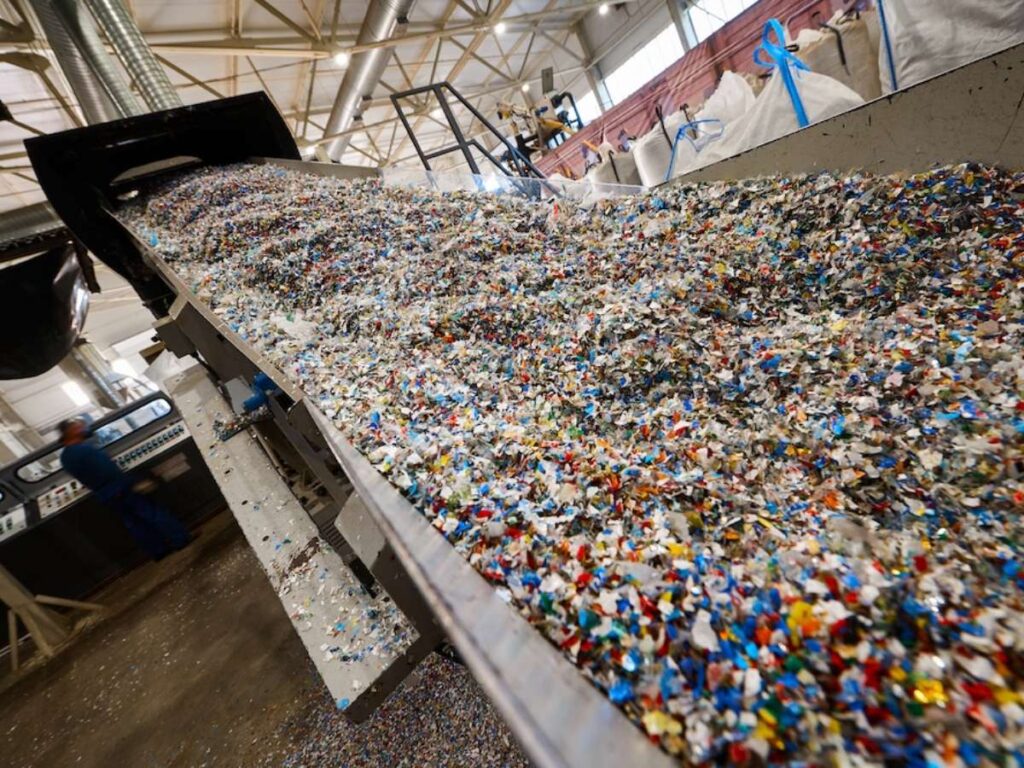
Injection molding supports a huge variety of thermoplastics. You can go with something common like polypropylene, or use more specialized materials like ABS, nylon, or glass-filled composites. Each resin has its own balance of strength, temperature resistance, chemical tolerance, or flexibility.
This range allows you to match the material to the job, whether that means food safety, electrical insulation, or high-impact performance.
Testing and Switching Materials
Another plus is the ability to test different materials before locking in a final choice. Some manufacturers will run sample batches using various resins so you can compare physical properties and decide what fits your product best. That level of flexibility helps you make informed decisions before committing to a full production run.
If you need to switch later, many molds are designed to accommodate alternative resins with only minor process adjustments.
6. Minimal Material Waste
I’ve seen production methods that looked efficient on the surface but left behind a surprising amount of scrap. When material costs start climbing, that waste becomes a real issue.
One of the things I appreciate about injection molding is how it uses exactly what’s needed—and very little more.
The Lean Manufacturing Advantage
Injection molding is a closed-loop process.
Instead of shaving or cutting material away like CNC machining, the plastic is injected directly into the mold. That means the exact amount required is what ends up in the finished part.
This kind of precision supports lean manufacturing goals and reduces the overall cost of materials per unit.
Regrinding and Reuse of Scrap
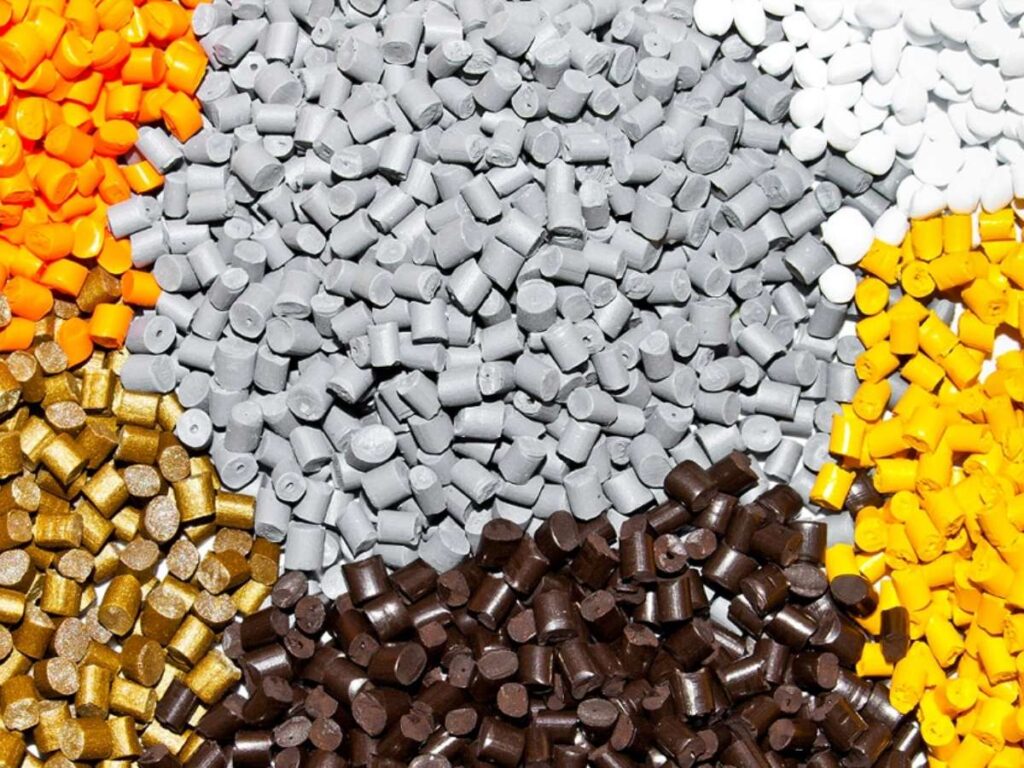
Even the small amount of leftover plastic from runners or sprues doesn’t have to be wasted. Many facilities collect, regrind, and reuse these scraps for future batches.
As long as quality is managed carefully, this recycled material can be mixed with virgin resin and still produce reliable parts. It’s a simple practice that saves money and keeps waste out of landfills.
Lower Waste, Lower Costs
Reducing waste isn’t just good for the environment, it has a direct impact on your bottom line. Less scrap means less raw material purchased and fewer disposal expenses. .
Over time, those savings add up, especially in high-volume production. For businesses looking to increase efficiency and reduce excess, injection molding makes a strong case on both fronts.
7. Enhanced Strength and Durability
Durability is often the deciding factor in how long a product lasts and how well it performs in real-world conditions.
I’ve seen too many products fail because the wrong method or material was used from the start. With injection molding, it’s possible to build strength right into the part without adding extra steps.
Built-In Strength Where It Matters
Injection molding allows for thoughtful design choices that boost strength exactly where needed. You can reinforce walls, add structural ribs, or adjust the thickness in critical areas—all within the same mold.
At MachMaster, these strategies are commonly applied to parts used in demanding environments, where durability can’t be left to chance.
This helps eliminate weak spots and increases the reliability of the final product. For components used in high-stress environments, having strength built into the design reduces the need for metal parts or complex assemblies.
Material Additives that Boost Performance
Beyond geometry, you can also improve strength through the material itself. Resins can be mixed with additives like glass fiber, carbon fiber, or mineral fillers to enhance stiffness, toughness, or impact resistance. This lets you fine-tune a part’s mechanical properties without changing the overall design.
It’s a cost-effective way to deliver better performance and extend product life, especially when durability is a top priority.
8. Scalability and Flexibility in Production
Product demand doesn’t always stay steady. It can spike overnight or shift with market trends, and I’ve seen how hard that is to manage without a flexible production method.
Injection molding offers a reliable way to scale up, or adjust, without disrupting everything else.
Ready to Ramp Up When You Are
Once a mold is made and validated, increasing output is mostly a matter of machine time. You can run longer shifts, add machines, or even duplicate molds to meet higher demand.
The process stays the same, and quality stays consistent. That kind of scalability helps businesses react quickly when opportunity knocks.
From Prototype to Mass Production
Injection molding isn’t only for high-volume runs. It also works for low-volume production if you’re testing a new product or entering a new market.
With newer mold options like aluminum or hybrid tooling, it’s possible to start small without committing to full-scale steel molds right away. This lets you validate ideas before making larger investments.
Tooling Modifications Made Easy
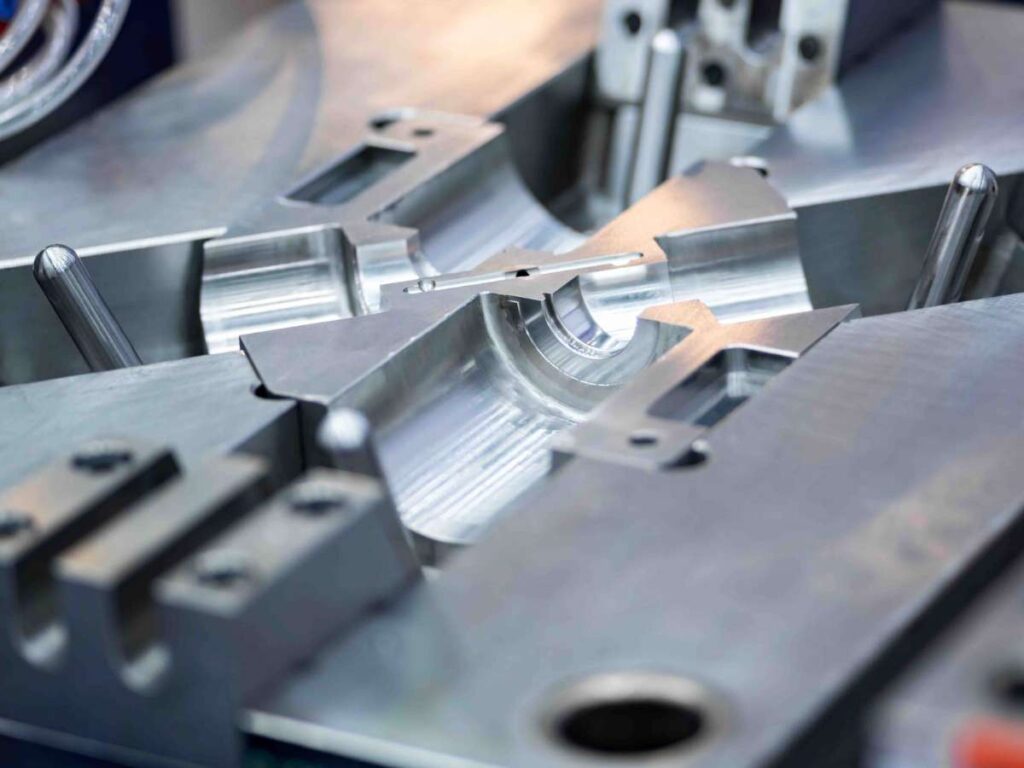
Designs evolve, and injection molding can adapt. Many molds are built to allow small modifications, whether it’s a change in wall thickness or an added feature.
You don’t always need a brand-new tool to make a design tweak. That flexibility extends the life of your tooling and reduces your long-term costs.
Pivot Fast with Minimal Disruption
In fast-moving markets, being able to shift production priorities quickly is a real advantage.
Whether you’re switching to a different part, updating materials, or rerouting orders, injection molding can accommodate those changes with minimal downtime.
This adaptability helps you respond to changes without resetting your whole production strategy.
Conclusion
If you’ve made it this far, you know one thing for sure.
Injection molding can transform your production. Whether you care about speed, cost, or scale, it checks every box.
You don’t have to do it alone.
MachMaster is ready to help you move from planning to production without the guesswork.
Contact us today and get a quote that fits your goals.
Dive Deeper Into Our Resources
If you’re looking for more insights, we’ve put together a list of helpful articles that you might enjoy:
Still haven’t found what you’re looking for? Don’t hesitate to contact us. We’re available around the clock to assist you.