
I still remember messing up my first big job because I didn’t really understand the difference between anodizing and galvanizing.
Lost a good chunk of money and felt pretty embarrassed too.
I’m not just some person writing about metal. I’ve spent years working with machine shops, buying parts, and learning the hard way what happens when you pick the wrong finish.
I’ve seen projects fail because of it. That’s why I care so much about helping you avoid the same headache.
If you’re trying to figure out which process keeps metal strong and lasts longer, you’re in the right place. This guide lays out anodizing and galvanizing side by side, in plain words.
Think of this as your simple cheat sheet for metal finishing. I sure wish I had it when I started.
By the time you’re done reading, you’ll know which one is best for your job—whether you run a business, design products, buy parts for work, or build stuff for fun.
Let’s dive in!
Quick Comparison Chart
Before we dive into the details, here’s a quick side-by-side look. This gives you a glimpse of what sets anodizing and galvanizing apart.
| Feature | Anodizing (Aluminum / Alloys) | Galvanizing (Steel / Iron) |
| Process Type | Electrochemical surface transformation | Zinc coating, usually hot-dip |
| Best Metals | Aluminum, aluminum alloys | Steel, iron |
| Corrosion Resistance | Good, especially in indoor environments | Excellent, ideal for outdoor conditions |
| Appearance | Smooth, clean, can be dyed various colors | Dull gray, rough, sometimes spangled |
| Color Options | Wide range through dyes | No color options |
| Finish Durability | Hard layer, part of the metal, won’t peel | Thick zinc layer, may wear or dull over time |
| Production Speed | Slower—needs prep, dye, sealing steps | Faster—can coat many parts at once |
| Typical Cost | Higher per part, lower maintenance indoors | Lower per part, better for bulk production |
| Common Uses | Signs, electronics, consumer goods | Fencing, beams, outdoor hardware |
Now that you’ve seen the quick breakdown, let’s take a closer look at each one.
1. What is Anodizing?
Anodizing is a surface treatment mostly used on aluminum. It’s not a coating. It’s a chemical process that changes the metal’s surface itself.
Here’s how it works: the aluminum is placed in an acid bath and given an electric charge. That causes the surface to oxidize and build up a thicker, harder layer. This layer is part of the metal, not something added on top.
It makes the surface:
- Harder
- More resistant to corrosion
- Better at holding color
Have you ever seen colorful aluminum parts on bikes or tools? That’s anodizing. The color becomes part of the surface—not paint. It doesn’t peel.
I remember the first time I saw anodized aluminum used on outdoor signage. The color stayed bright even after years in the sun. That stuck with me.
But anodizing only works on certain metals—mainly aluminum and its alloys. So if you’re working with steel or iron, this process won’t apply.
Wondering if anodizing is right for your project? It depends on the material, environment, and finish you want.
2. What is Galvanizing?
Galvanizing is a method used to protect steel or iron from rust. Unlike anodizing, which changes the surface, galvanizing adds a protective layer on top.
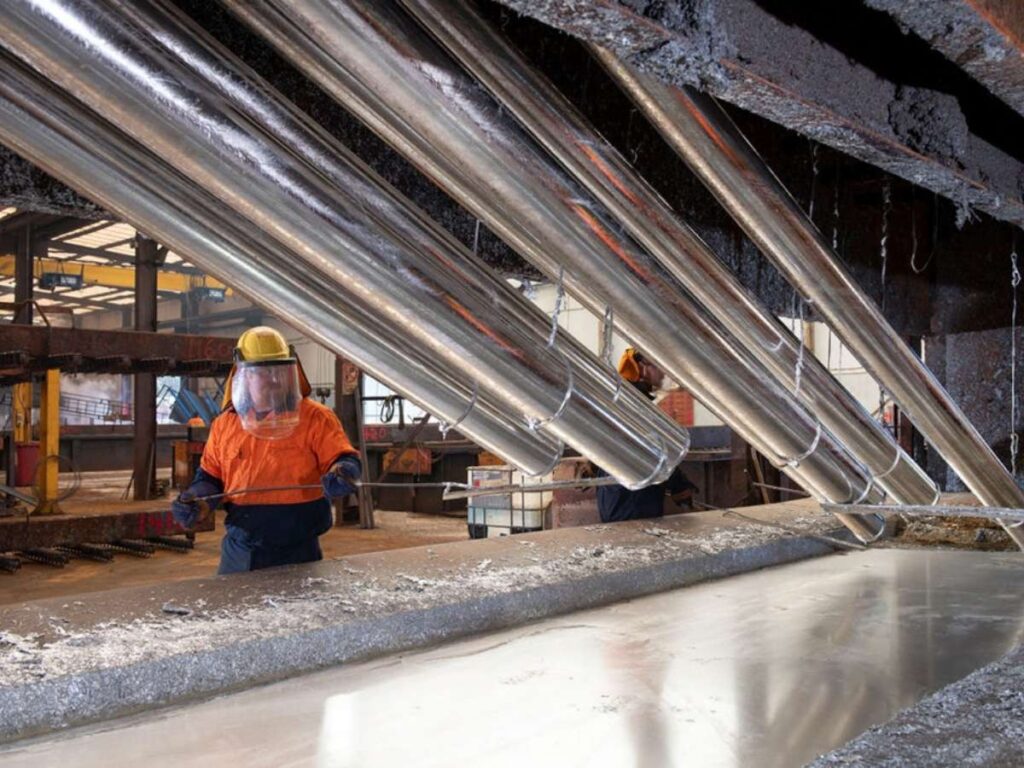
The most common type? Hot-dip galvanizing. That’s when steel parts are dipped into molten zinc. Once they cool, they’re coated in a layer of zinc that shields them from air and moisture.
Why zinc? Because it corrodes slower than steel. It sacrifices itself first—this is called “cathodic protection.” That’s what helps steel last longer outdoors.
Here’s what galvanizing offers:
- Strong protection against rust
- A thicker barrier than paint
- Low maintenance over time
I had customer who used painted parts for their outdoor railing project. Within a year, the paint was flaking off and rust was showing through. We switched them to galvanized parts. Five years later, that railing still looks solid.
Galvanizing is often used on:
- Fences
- Structural beams
- Outdoor hardware
- Street signs
But it’s not for everything. It can leave a dull, gray finish—not ideal if you want a smooth or shiny look. Also, it’s not suited for aluminum.
Thinking about using galvanizing? Ask yourself: Will this part face moisture, dirt, or outdoor weather?
If yes, it might be your best option.
3. Process Method
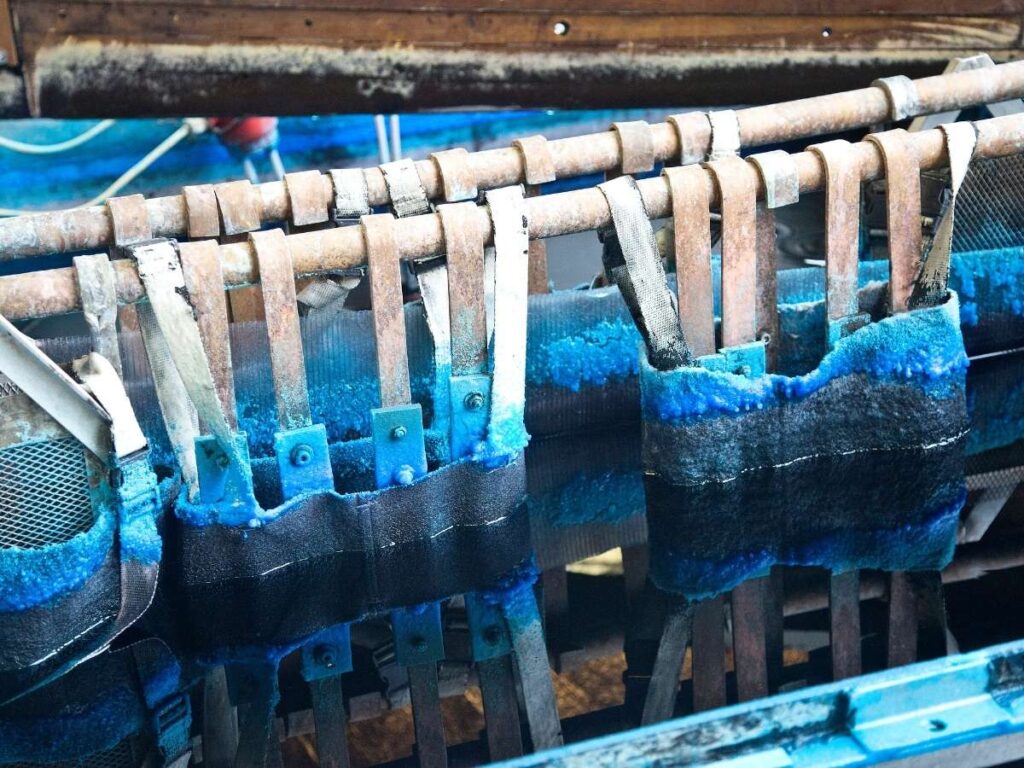
Anodizing and galvanizing may sound alike, but their processes are very different.
Let’s break them down:
Anodizing: Electrochemical Process
Anodizing is not a coating—it’s a chemical transformation. It’s used mostly for aluminum.
The metal is placed in an acid bath and charged with electricity. That current causes the surface to oxidize. The result is a hard, protective layer that’s part of the metal.
Here’s what happens step-by-step:
- Clean the aluminum
- Dip it in acid
- Apply electric current
- Build up the oxidized layer
This layer can be clear or dyed for color. It won’t peel or chip because it’s not something added on—it’s the metal itself.
Galvanizing: Coating Process
Galvanizing is common for steel or iron. It works by adding a protective layer of zinc to the surface.
The most popular method is hot-dip galvanizing. The steel is dipped into molten zinc, which coats and bonds to the surface.
Basic steps:
- Clean the steel
- Dip it in molten zinc
- Let it cool and form a tough zinc layer
This layer acts like armor against rust. It’s thick and durable but often leaves a dull gray finish.
What To Choose?
Here’s a simple way to look at it:
- Use anodizing for aluminum parts, especially when looks and wear resistance matter.
- Use galvanizing for steel parts that need heavy-duty rust protection.
Still not sure? Ask yourself: Is the part aluminum or steel? Will it be outside? Do I care about the finish?
The answers will guide you.
4. Material Compatibility
Not all metals work with every surface treatment. That’s why it’s important to match the method with the material.
Let’s look at how anodizing and galvanizing compare.
Anodizing: Best for Aluminum
Anodizing works almost entirely with aluminum. That’s because the process relies on how aluminum reacts in the acid bath.
It can also be used on:
- Aluminum alloys
- Titanium (in some special cases)
But it does not work on:
- Steel
- Iron
- Copper
- Brass
I once saw a team try to anodize steel. It didn’t work. The surface turned dark and patchy. The parts were ruined. That mistake could’ve been avoided with the right info upfront.
If your part is aluminum and you want a durable, color-friendly surface—anodizing is a solid choice.
Galvanizing: Made for Steel and Iron
Galvanizing is built for steel and iron. That includes:
- Mild steel
- Carbon steel
- Cast iron
It can also work with:
- Some stainless steels (though not common)
But it’s not suitable for aluminum. Zinc doesn’t bond well with it, and you’ll risk coating failure.
Galvanizing is great when you need strong rust protection on structural parts, hardware, or fencing made from steel.
Quick Check Before You Choose
Ask yourself:
- Is the part made from aluminum? → Go with anodizing
- Is the part steel or iron? → Choose galvanizing
Picking the right method starts with knowing your metal. It’s that simple. If you’re still unsure, talk to MachMaster—they’ll guide you in choosing the right finish for your material and application.
5. Appearance and Finish
Sometimes the way a part looks matters just as much as how it performs. Whether it’s for a product people will see or one exposed to the weather, surface finish plays a big role.
So how do anodizing and galvanizing compare in appearance?
Anodizing: Clean, Colorful, and Uniform
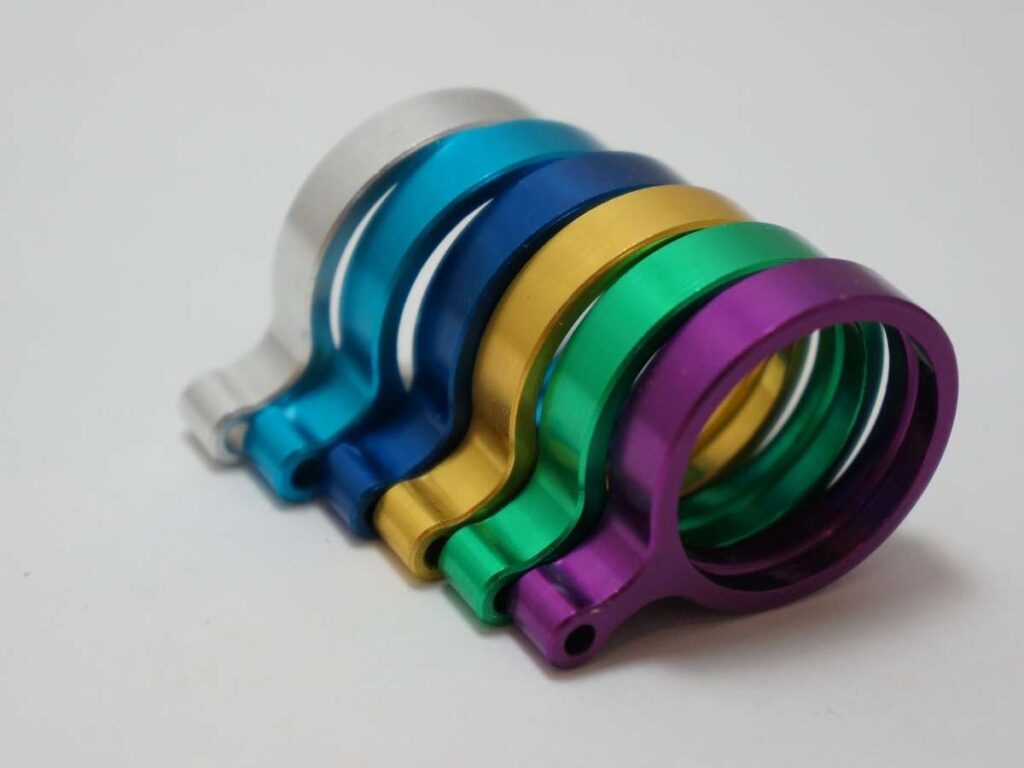
Anodized parts look clean and smooth. The finish can be:
- Clear (natural aluminum look)
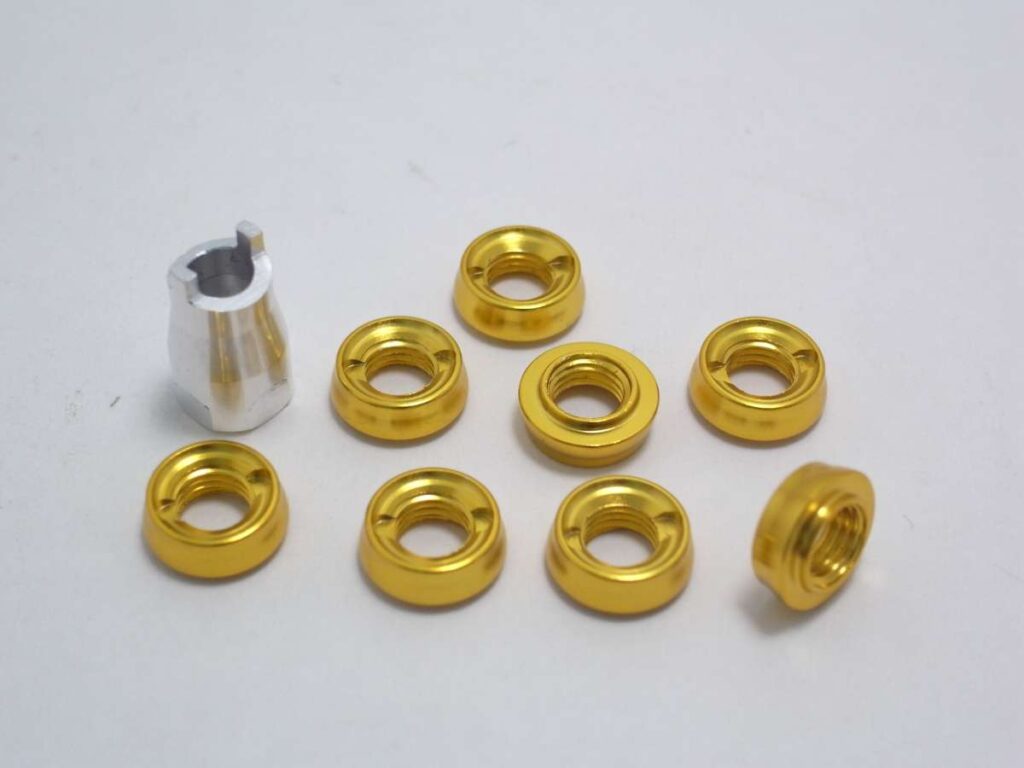
- Colored (black, red, blue, gold, and more)
- Matte or slightly glossy
The color becomes part of the surface. It doesn’t chip or flake like paint.
We had a customer who made outdoor signs. They wanted the color to last without fading or peeling.
Anodizing gave them that clean, sharp look—and it stayed bright for years.
Anodizing is a great pick if appearance matters and the part will be seen often.
Galvanizing: Dull, Rough, and Protective
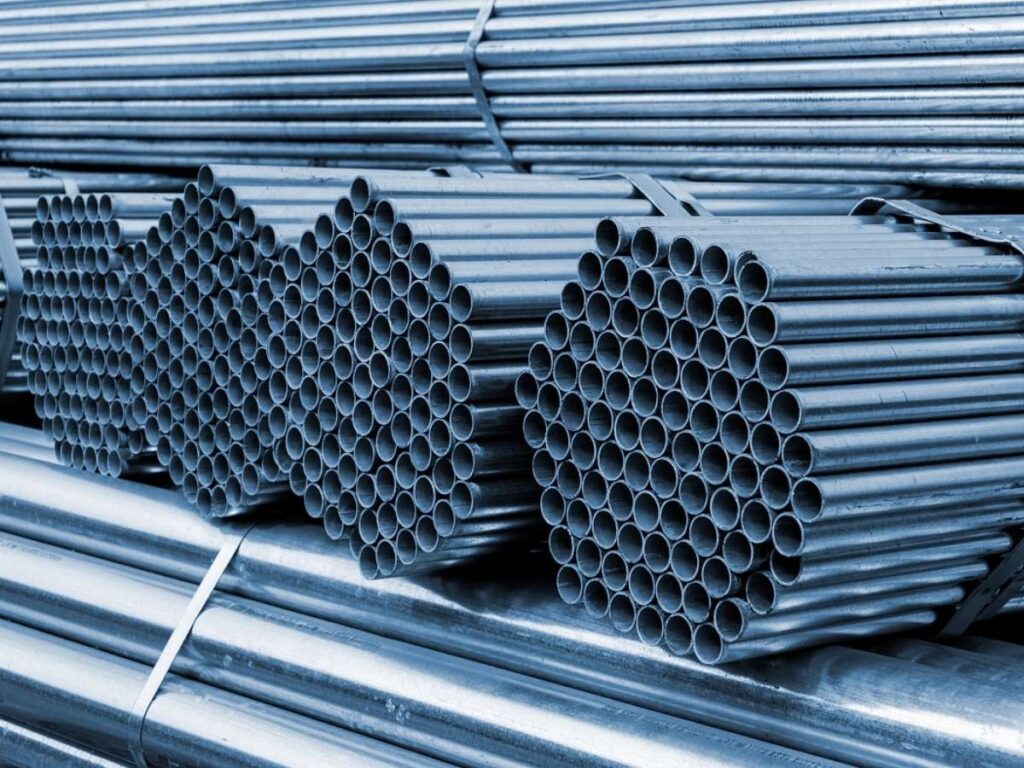
Galvanized parts have a rougher, dull gray finish. You might see:
- A spangled pattern (from how the zinc cools)
- Irregular texture
- Slight shine—but not polished
It’s not made to look pretty. It’s made to protect. Think guard rails, street posts, or steel fencing.
If looks don’t matter as much, galvanizing gets the job done.
So, What Finish Do You Need?
Here’s a quick way to decide:
- Need smooth, colorful, or decorative? → Go with anodizing
- Need heavy-duty protection, don’t care about looks? → Use galvanizing
Different finishes serve different purposes. Choose based on where the part goes—and what it has to face.
6. Production Efficiency
When I help customers choose a surface finish, I don’t just think about how it looks—I think about how it affects their whole production flow.
A fast-moving finish that fails in the field can cost you customer trust. That’s why you need to understand how anodizing and galvanizing affect timing and scalability—not just aesthetics.
Anodizing: More Prep, Slower Output
Anodizing takes more steps and needs tighter process control. Each part must be:
- Cleaned carefully
- Processed in acid
- Dyed (if needed)
- Sealed afterward
The surface has to be near perfect before it goes in. Any scratches or dirt will show in the final finish.
Turnaround times can vary. Small runs and high-detail jobs may take longer.
From my experience, when a customer needs anodized parts with exact colors or clear finishes, we have to slow things down to get it right. It’s not the fastest—but the result is consistent and high-quality.
Galvanizing: Faster for Large Batches
Galvanizing, especially hot-dip, is ideal for bulk steel parts.
Why?
- It’s less sensitive to surface flaws
- You can process many parts at once
- No coloring or sealing steps
I’ve run large batches of structural hardware through a zinc line in a single shift. It’s fast, especially when looks aren’t the priority.
What Works Better for You?
- For speed and scale, galvanizing usually wins, especially for heavy steel parts.
- For precision and finish control, anodizing needs more time but gives better detail.
Think about your timeline, order size, and finish requirements before you decide.
7. Cost Comparison
Price matters. And choosing between anodizing and galvanizing can affect both your upfront cost and long-term value.
So, how do they compare?
Anodizing: Higher Per Part, Lower Maintenance
Anodizing tends to cost more per piece, especially for:
- Small production runs
- Custom colors
- Tight finish tolerances
Why is it pricier?
- The process takes longer
- It needs clean surfaces and careful handling
- Each part may be processed individually
But here’s the trade-off: anodized parts usually last longer without touch-ups—especially indoors or in clean environments.
One of our clients used anodized aluminum handles for a medical device. The upfront cost was higher than paint or powder coating, but five years in, they’ve never had to replace or refinish a single one.
Galvanizing: Cheaper Per Unit, Built for Scale
Galvanizing is usually less expensive when:
- You’re working with steel or iron
- You’re running large batches
- Appearance is not a priority
Hot-dip galvanizing can process many parts at once, so the labor cost per piece drops.
But there’s a catch. If the zinc wears down over time (especially in rough environments), you may need repairs or recoating.
Which Is More Cost-Effective?
Ask yourself:
- Need corrosion protection at low cost for steel? → Galvanizing
- Need durable finish with good looks on aluminum? → Anodizing
I know how tempting it is to go for the lower number, especially under pressure. But I also see what happens when the finish fails. You don’t just lose the part—you risk losing the trust of your clients that came with it.
8. Tips To Consider When Choosing Between Anodizing and Galvanizing
I’ve worked with customers who made the wrong call on surface finish—and paid for it later.
But with a few simple checks, you can avoid all that.
Let’s walk through what you need to think about:
Tip#1 Know What Metal You’re Working With
This is the first—and most important—thing to get right.
- Anodizing only works on aluminum and a few aluminum alloys
- Galvanizing is made for steel and iron
I’ve had people ask me to anodize steel parts. Unfortunately, it doesn’t work. The surface just gets damaged.
So, before anything else, check your base metal. That one detail makes or breaks your finish. Don’t worry so much on this part because a reliable supplier like MachMaster will guide you.
Tip#2 Think About Where the Part Will Live
Environment changes everything.
Ask yourself:
- Will the part face rain, humidity, or outdoor weather?
- Will it be exposed to dirt, road salt, or chemicals?
- Or is it staying indoors in a clean, dry space?
If it’s going outdoors, galvanizing is usually the better choice. It holds up in tough environments.
But for indoor use or if you need a cleaner look—anodizing makes more sense.
I’ve seen anodized parts still look new after years indoors. But I’ve also seen them corrode quickly when placed outdoors where galvanizing was needed instead.
Tip#3 Balance Your Budget and Timeline
Everyone has a deadline. And a budget.
In most cases:
- Galvanizing is cheaper for steel, especially in large batches
- It’s faster too—parts can be dipped and done in one run
Anodizing costs more. It takes longer, especially with custom colors or small orders.
But it can save you in the long run. Fewer finish problems. Less rework. Better results for visible parts.
I always say: short-term savings can lead to long-term costs. Make sure the faster option is really the better one for your job.
Tip#4 Consider the Importance of Appearance
Some parts need to look good. Others just need to last.
If your part will be seen like on signage, consumer products, or high-end fixtures—anodizing gives you:
- Smooth surfaces
- Bright or colored finishes
- No peeling or flaking
But if the part’s buried under dirt, water, or mud all year?
Go with galvanizing. It’s not pretty, but it protects.
Conclusion
From bright anodized surfaces to rugged galvanized coatings, you now see how each method stands up to wear and weather.
I learned this by losing money and trust on that first big job.
You don’t have to repeat my mistakes.
You’re smarter than I was back then.
So, what’ll it be for your parts — anodize or galvanize?
Contact MachMaster today and we’ll talk it through and make sure it’s the right call!
Learn More: Recommended Reads
Want to see more products? We’ve got plenty of options that might just be the perfect fit for you:
Still haven’t found what you’re looking for? Don’t hesitate to contact us. We’re available around the clock to assist you.