
I once shipped out a batch of aluminum brackets I was proud of.
Smooth. Shiny. Clean cuts.
But a week later, I got a call.
“They look great,” the customer said.
“But they’re already scratched.”
That’s when I realized: good machining isn’t enough. The finish matters. The wrong surface treatment can wreck an otherwise perfect part.
Since then, I’ve worked with dozens of finishes. Hard coat anodizing is one of the toughest. But it’s not right for every project.
In this article, I’ll show you:
- What hard coat anodizing does
- How it compares to other finishes
- When it’s worth using—and when it’s not
You’ll walk away with a clear way to evaluate this surface treatment for your needs whether you’re designing, buying, or making something that has to last.
So let’s dive in!
1. What Is Hard Coat Anodizing?
Hard coat anodizing is a surface treatment used on aluminum. It builds a thick, strong outer layer by changing the metal’s surface. This layer is not added on like paint it’s grown from the aluminum itself using an electric process.
In technical terms, it’s called Type III anodizing, based on the U.S. military standard MIL-A-8625. But don’t worry you don’t need to memorize that. What matters is what it does.
Here’s a simple way to understand it:
Standard anodizing gives you a thin, light protective coat. Hard coat anodizing goes much deeper.
It creates a surface layer up to 0.002 inches thick. That’s about 3–10 times thicker than regular anodizing, which is usually just 0.0001 to 0.0007 inches.
Because of that thickness, hard coat anodizing gives you:
- Better wear resistance
- Better corrosion resistance
- A darker, sometimes gray or black finish
- A harder surface (harder than steel in some cases)
This is why it’s often used in tough environments—like outdoor parts, engine housings, or tools that see a lot of friction.
I once worked on a batch of sliding parts for a dusty assembly plant. Regular anodizing wore off in weeks. Hard coat held up for months.
But this process doesn’t work for every metal.
Hard coat anodizing works best on aluminum and certain aluminum alloys.
Here’s what you need to know:
- 6061 and 7075 aluminum usually do well
- 2024 aluminum often gives poor results
- Why? It has high copper content, which makes it hard to form a clean, even oxide layer
If your part is made from aluminum and you need better protection, hard coat anodizing might be worth a look. But it helps to know your alloy and your end use.
2. How the Hard Coat Anodizing Process Works
At first, the hard coat anodizing process might sound complicated. But it’s actually pretty simple once you break it down.
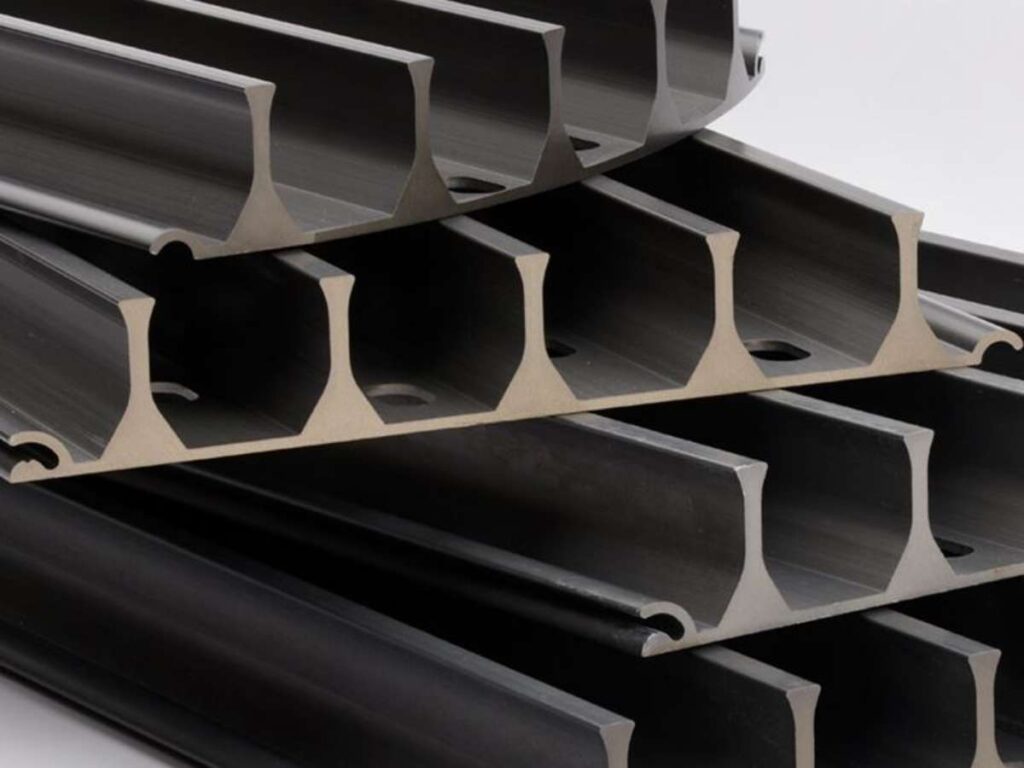
It’s an electrochemical process, which means it uses electricity and chemicals to change the surface of aluminum.
Here’s a simple breakdown:
- The part goes into an acid bath
- Electricity flows through it
- Oxygen and aluminum react
- A thick oxide layer forms on the surface
- The longer the current runs, the thicker the layer gets
But there’s a catch. Regular anodizing uses room temperature or slightly cool acid. Hard coat anodizing needs colder conditions.
To make the oxide layer harder and more even, the process must run at:
- Low temperatures (around 32°F to 36°F or 0°C to 2°C)
- High current density (up to 36 amps per square foot)
- Longer time in the bath
This is why the process needs tight control. The equipment is more demanding than for standard anodizing.
A basic setup includes:
- A chilled acid bath (usually sulfuric acid)
- A DC power source with enough power to run high current
- Temperature control to keep things cold
- A tank with cathodes placed around the edges
- Racks or clamps to hold the aluminum parts
One time, we skipped checking the bath temperature during a rush job. The result? Uneven coating, poor hardness, and a full re-do.
Getting this process right takes experience.
Too much currentor too warm a bath and you end up with soft, flaky oxide. Too cold, and you risk slowing down the reaction or damaging the part.
So while hard coat anodizing is powerful, it’s not plug-and-play.
It takes the right setup, the right skill, and the right settings.
But if done right, it gives your aluminum parts a finish that holds up under heat, wear, and weather.
3. Benefits of Hard Coat Anodizing
If you’re thinking about hard coat anodizing, it’s probably because you need your part to last. Whether it’s rubbing, exposed to weather, or just taking a beating, this process gives aluminum some serious protection.
Let’s break down what you actually get from it—without the fluff.
Stronger Against Wear
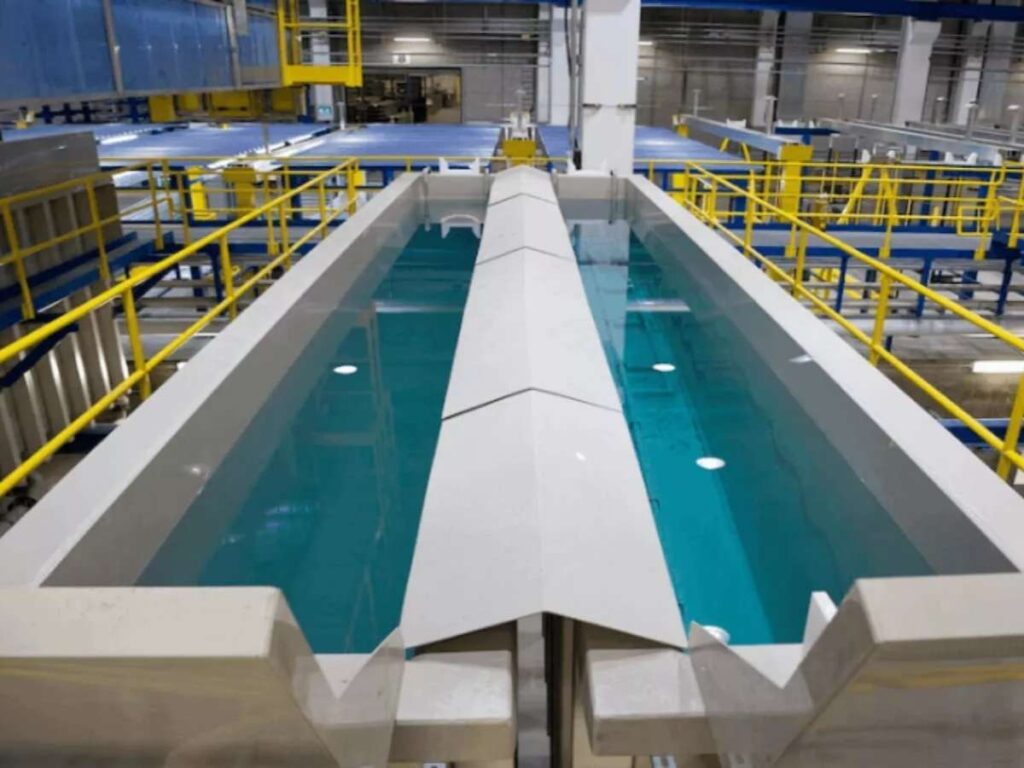
The first big benefit is abrasion resistance. That thick oxide layer acts like armor. It helps protect the surface from scratches, dents, and constant rubbing.
If your part slides, turns, or gets handled a lot—this matters.
- Gears
- Pistons
- Brackets in motion
These are parts that see friction. And hard coat anodizing helps them keep their shape.
I once made a batch of aluminum shafts that rubbed against steel parts. Standard anodizing wore off in weeks. Hard coat lasted through months of use.
Tougher in Harsh Environments
Hard coat anodizing also improves corrosion resistance. That means it stands up to rain, sweat, salt, and chemicals better than bare aluminum.
So if your part goes outside—or near water—it’s worth considering.
- Marine parts
- Outdoor gear
- Factory equipment
Stops Electricity From Flowing
Need insulation? Hard coat anodizing can help there too. The oxide layer is non-conductive, so it won’t let electricity pass through.
This is useful for:
- Electronics housings
- Mounting plates
- Parts near wiring or current
Sticks Better to Paints and Lubes
Paints and lubricants don’t always stick well to smooth metal. But the surface from hard coat anodizing has tiny pores that give coatings something to grip.
That means:
- Better paint coverage
- Less peeling
- More even lube distribution
Built for Harsh Use
In the end, hard coat anodizing just makes things tougher. It’s meant for parts that work hard, get handled a lot, or face extreme conditions—heat, cold, chemicals, or impact.
If you’re working with a supplier like MachMaster, who handles both machining and finishing in-house, the whole process gets even smoother. They’re known for tight tolerances, solid communication, and experience with parts that need to hold up in real-world conditions.
When performance matters, hard coat anodizing and the right supplier makes all the difference.
4. Key Properties of Hard Coat Anodized Finishes
So you know that hard coat anodizing makes aluminum tougher, but what does that actually look like in numbers and real-world use?
Let’s break down the key properties you can expect.
Thick Coating
Hard coat anodizing creates a thicker oxide layer than standard anodizing.
- Most coatings are between 25 to 100 microns thick
- That’s about 0.001 to 0.004 inches
- Part of this layer grows into the metal, and part grows outward
This extra thickness gives your part longer life, especially in high-wear areas.
I had a client who needed housing that could handle repeated tool swaps. Thin coatings wore off fast. After switching to a 70-micron hard coat, the problem disappeared.
Very Hard Surface
The oxide layer formed is extremely hard—up to Rockwell C 60 or more. That’s harder than mild steel.
This means better protection against:
- Scratches
- Dents
- Surface damage
Stronger Against Corrosion
A thick anodized layer keeps out moisture and air. That helps block rust and surface pitting. In lab tests, hard coat finishes have lasted over 1,000 hours in salt spray testing.
So if you’re dealing with:
- Saltwater
- Humidity
- Industrial chemicals
This finish is worth a serious look.
Non-Conductive
Hard coat anodizing also acts as an electrical insulator.
That makes it a good fit for:
- Electronic housings
- Parts near wiring
- Mounting brackets that need to avoid grounding issues
Just know: some edge areas may remain slightly conductive if not sealed completely.
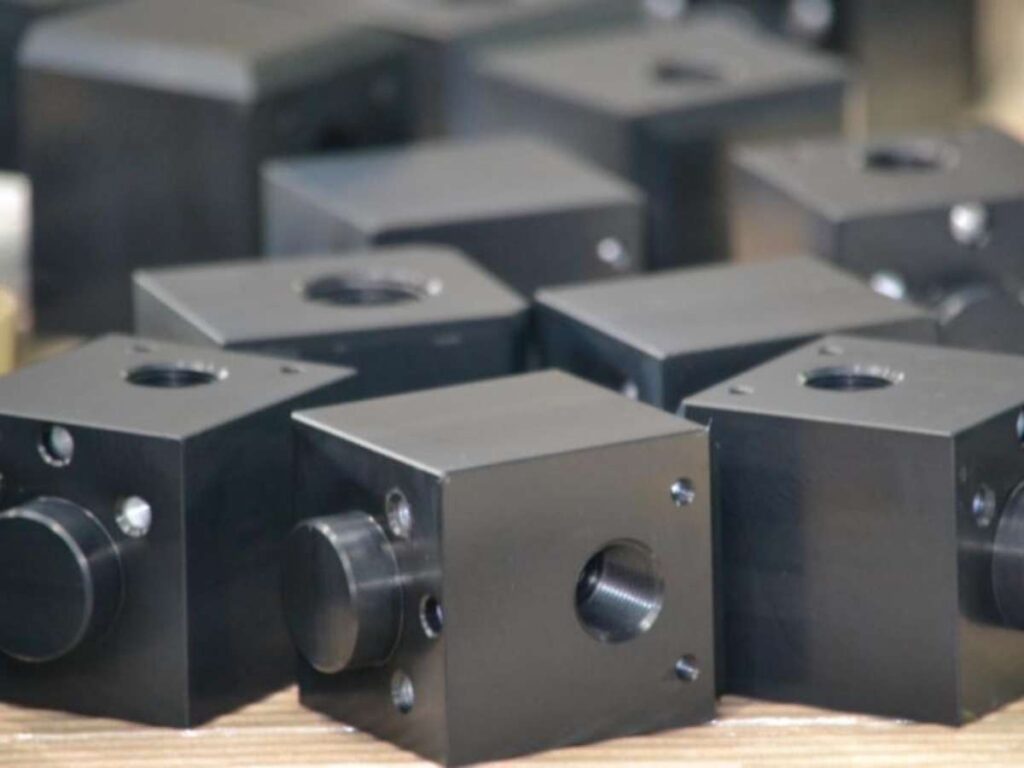
Darker Color Appearance
This finish usually comes out dark gray to black. That’s because the thick oxide layer blocks more light. If your part needs to stay light or shiny, this may not be the best option. But for industrial or mechanical uses, the dark finish is often a plus.
5. Common Applications of Hard Coat Anodized Parts
Hard coat anodizing isn’t just for show. It’s built for real-world use—where parts take hits, face rough weather, or get handled every single day.
You’ll find this finish used across different industries, from planes to flashlights. Let’s take a closer look.
Aerospace
In aerospace, weight matters. So does strength. That’s why many parts are made from aluminum—and then hard coat anodized for extra durability.
Common parts include:
- Landing gear parts
- Hinges and brackets
- Sensor housings
- Engine components
These parts need to resist friction, pressure, and corrosion—especially at high altitudes or in salt-rich air.
I once worked with a supplier making hinge arms for a private jet. They switched to hard coat anodizing after seeing corrosion near the pivot pin.
Automotive
Cars, trucks, and motorcycles also rely on hard coat finishes, especially for moving parts under stress.
Used on:
- Suspension arms
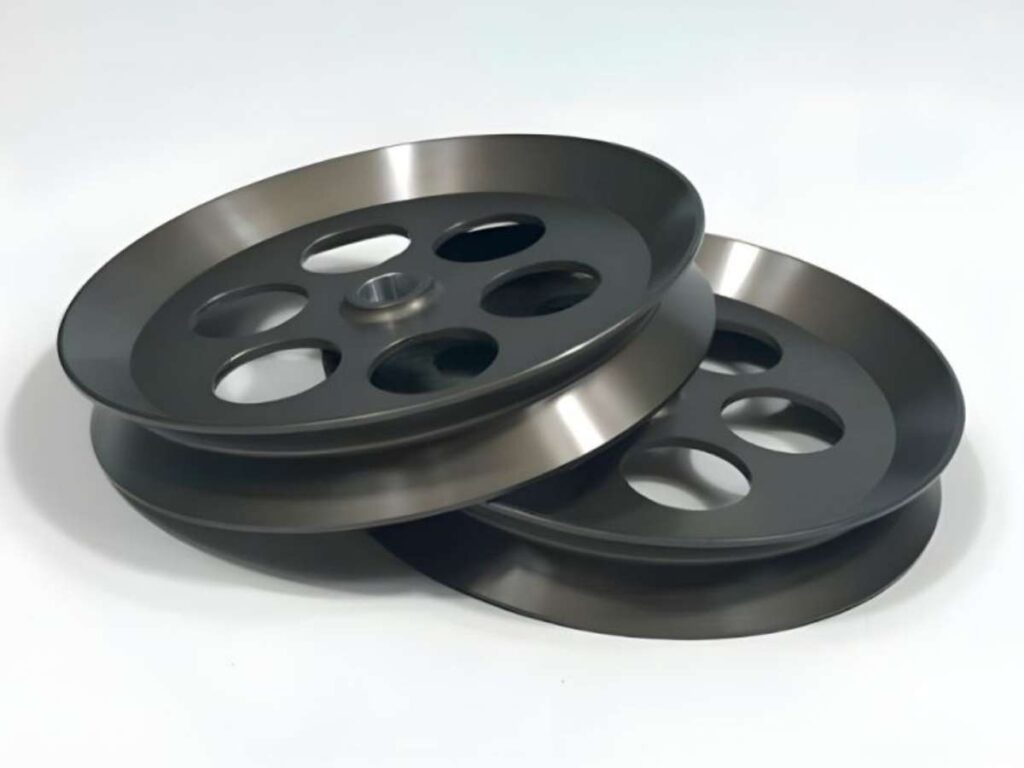
- Engine pulleys
- Brake system parts
- Drivetrain brackets
These parts take a beating. Dirt, oil, heat, and vibration wear down regular finishes fast. A hard coat gives them more life.
Defense and Military
Tactical gear needs to survive rough conditions like mud, sand, water, and repeat use.
You’ll often see hard coat anodizing on:
- Gun components
- Night vision housings
- Weapon mounts
- Flash suppressors
The non-reflective dark finish is another bonus—it doesn’t give away position under light.
Consumer Products
Hard coat anodizing is also used in products you might carry every day—especially those meant to handle the outdoors.
Examples include:
- Camera housings
- Flashlights
- Bike parts
- Camping tools
It helps them survive drops, scratches, and the weather.
Medical Tools
Some medical tools use hard coat anodizing too—but only if biocompatibility is confirmed.
These can include:
- Surgical clamps
- Tool handles
- Measuring devices
These parts need to stay clean, strong, and free from corrosion during repeated use.
6. Hard Coat vs. Standard Anodizing
If you’re trying to decide between hard coat anodizing and regular anodizing, you’re not alone. I used to think they were almost the same until I had a batch of parts fail during field use. The regular anodizing wore off too fast. That’s when I started digging into the real differences.
Here’s a simple side-by-side table to help you compare:
| Feature | Hard Coat Anodizing | Regular Anodizing |
| Coating Thickness | 25–100 microns (0.001″–0.004″) | 2.5–25 microns (0.0001″–0.001″) |
| Hardness | Very hard (up to Rockwell C 60+) | Lower hardness |
| Wear Resistance | Excellent | Moderate |
| Corrosion Resistance | High (up to 1000+ hrs salt spray) | Fair to good |
| Color Range | Usually dark gray to black | Wide range (clear, red, blue, etc.) |
| Electrical Insulation | Very high | Moderate |
| Finish Texture | Matte or dull | Smoother, sometimes glossy |
| Best For | Industrial, aerospace, defense, tools | Decorative parts, light-use products |
| Cost | Higher | Lower |
| Processing Conditions | Low temp, high current, longer time | Warmer bath, lower current, shorter time |
Understanding the difference upfront can save you from costly do-overs later.
7. Common Challenges or Misconceptions
Hard coat anodizing sounds like a great option—and it can be. But it also brings questions. Some of these come up often, especially if you’re used to standard anodizing. I’ve made the same assumptions myself and paid for it in rework and lost time.
Let’s clear up a few common questions.
“Is it really that much better than standard anodizing?”
Yes, if your part needs to be tough.
If you care about:
- Friction
- Impact
- Corrosion
- Longevity
Then hard coat anodizing is worth it. The thicker coating makes a real difference. It won’t wear away as fast. It protects against scratches and pitting. It lasts longer in outdoor or factory settings.
I once had a part go through heavy testing in a lab. The standard finish lasted a few weeks. The hard coat version? Still going months later.
But if your part is for light use or decorative display, hard coat may be overkill.
“Will it change the part color or look?”
Yes. That’s one of the most noticeable changes.
Hard coat anodizing results in a:
- Dark gray to black finish
- Slightly duller or matte surface
- Varies depending on aluminum alloy
Some parts may come out darker than others. 6061 usually turns a medium gray. 7075 or 2024 can look even darker—sometimes almost black.
If you need a clean or bright appearance, this could be a downside.
“Can it be colored like regular anodizing?”
Usually not. Hard coat anodizing has small, tight pores that don’t absorb dye well. That makes it hard to get bright or bold colors.
So if your part needs:
- Red, blue, or gold finishes
- Color-matching for branding
- Bright or clear coatings
Then standard anodizing might be a better fit.
With a hard coat, what you see is what you get. It’s a tough, functional finish—not a decorative one.
8. Tips on Choosing a Hard Coat Anodizing Supplier
Not all anodizing shops are the same. And with hard coat anodizing, the wrong choice can cost you—big time. I’ve had a supplier turn a smooth batch of parts into warped, uneven messes because they didn’t understand the alloy I was using.
Here’s what to look for when picking the right partner.
Certifications and Standards Matter
Start by asking about ISO certifications. A shop with ISO 9001 is more likely to follow proper quality systems.
Also check if they meet MIL-A-8625 Type III standards. This tells you they know how to do real hard coat work—not just thicker regular anodizing.
Look for:
- ISO 9001 or AS9100 (for aerospace)
- Experience with MIL-A-8625 Type III
- Documented process controls
Experience with Your Material
Some shops are great with 6061 but struggle with 7075 or 2024. If your part has tight tolerances or a specific alloy, make sure they’ve handled it before.
Ask questions like:
- “Have you anodized 7075 before?”
- “Can you hold tight tolerances after anodizing?”
- “Do you compensate for oxide growth?”
I once worked with a new shop that didn’t allow for oxide thickness. Every hole came back undersized. Cost me two weeks.
Sample Testing and Guarantees
A good supplier won’t mind doing a sample run or sharing past results. Some may even offer performance guarantees.
Things to ask for:
- Salt spray results
- Hardness test data
- Sample finish appearance
This helps you check quality before committing to a full run.
Talk About the Details
Good finish starts with clear communication.
Be sure to cover:
- Racking – where and how the part is held
- Masking – what areas should stay raw
- Sealing – whether to seal the part after anodizing
The more upfront detail, the fewer surprises later.
If you want a supplier that already checks all those boxes, MachMaster is a solid option. They’re ISO 9001 certified and handle everything in-house—from CNC machining to surface treatment—backed by precision up to ±0.01mm.
Conclusion
You’ve got the facts. You’ve seen the difference.
Hard coat anodizing builds a better surface stronger, thicker, longer-lasting. We covered the basics, the benefits, the process, and how to choose the right shop.
I’ve made the wrong call before. But you don’t have to.
You’re in control of what happens next.
So what’s your next move? Is it time to protect that part for the long haul?
Contact us today. Let’s figure it out together.
Dive Deeper Into Our Resources
Looking for more diverse service options? Browse through our handpicked selections:
Still haven’t found what you’re looking for? Don’t hesitate to contact us. We’re available around the clock to assist you.