
We spent three months perfecting that prototype.
Every detail felt solid. But when do we send it to the shop for manufacturing? They sent it back. Said it couldn’t be built without major changes.
That project died right there.
I don’t want that to happen to you.
If you’re wondering how to build smarter and avoid expensive design flaws, DFM analysis is where you start.
In this guide, I’ll explain what DFM is, how it works, and how it helps you avoid production risks before they become your problem.
You’ll walk away knowing how to judge if your design is ready for production or headed for trouble.
So let’s start!
1. What Is DFM Analysis?
Let’s say you’ve finished a product design. It looks great on paper. The parts fit together. Everything checks out.
But then you send it to a manufacturer and they tell you it’s too expensive to produce. Or worse, they start making it… and mid-way through, they hit a snag. Now the whole thing needs to be redesigned.
That’s where DFM analysis comes in.
DFM stands for Design for Manufacturability. It’s a process that helps you check whether your design can actually be made. Not just in theory. But in real machines, with real materials, by real people.
Think of it like this:
- Can your part be machined without extra steps?
- Will the material you chose cause delays or waste?
- Is there a better shape that makes production faster?
DFM analysis asks these kinds of questions before production starts.
This step is often skipped, especially on smaller projects. I’ve skipped it myself. And I’ve paid for it. One time, we had to retool a mold halfway through production because a draft angle was missing. That mistake cost us three weeks and thousands of dollars.
If you’re building a product you want to ship fast and affordably, DFM matters.
Here’s what it helps with:
- Cuts down time in production
- Reduces the chance of costly mistakes
- Avoids surprise delays
- Makes communication with your manufacturer smoother
More than anything, it builds trust. When your supplier sees a design that’s ready to go, they know you’ve done the work. That changes how they treat your order.
2. Key Elements Checked in a DFM Analysis
Now that you know what DFM analysis is, let’s look at what it actually checks.
This part isn’t about perfecting your design. It’s about asking: Can this be made without running into problems?
A good DFM review looks at a few key areas. Let’s walk through them together.
Geometry
This is where a lot of designs get tripped up.
You might have:
- Walls that are too thin
- Sharp corners inside a cavity
- Holes placed too close to edges
- No draft angles on parts meant for molding
I once worked on a plastic part that looked simple. But we skipped the draft angle. The mold jammed. We had to stop production, remake the tool, and delay the launch.
Even small changes in shape can save you a lot of time and trouble.
Materials
Next comes material choice.
Ask yourself:
- Is this material right for CNC, molding, or 3D printing?
- Does it cost more than it needs to?
- Is it in stock or going to take six weeks to arrive?
I’ve made the mistake of picking a “perfect” material—only to find out it had a 12-week lead time. We switched last-minute, and that caused all kinds of rework.
Tolerances
Tolerances tell the manufacturer how precise each measurement needs to be.
But here’s the catch: tighter tolerances cost more.
Use them only where it matters:
- Mating parts
- Moving parts
- Sealing surfaces
Everywhere else? Loosen up. You’ll save money.
Manufacturing Method Fit
Your design should match how it’ll be made.
Ask yourself:
- Is this part meant for injection molding?
- Could it be better made by CNC?
- Does it suit 3D printing or sheet metal?
For example, deep undercuts are hard for molding—but easy for 3D printing. Knowing this can help you avoid expensive mistakes.
Assembly & Post-Processing
This part often gets overlooked. But it matters.
Think about:
- Can parts align easily during assembly?
- Are screws or adhesives accessible?
- Will the finish look good and hold up after production?
I once designed a part that looked fine in CAD. But during assembly, the techs had to use a long tool to reach a single hidden screw. It slowed down the whole process.
A good DFM analysis doesn’t just look at one thing. It looks at how everything fits together.
3. DFM for Different Manufacturing Methods
Not every design works the same way for every process.
That’s why DFM analysis isn’t one-size-fits-all. You need to match your design with the method you plan to use.
Let’s go over how DFM applies to some of the most common processes:
CNC Machining
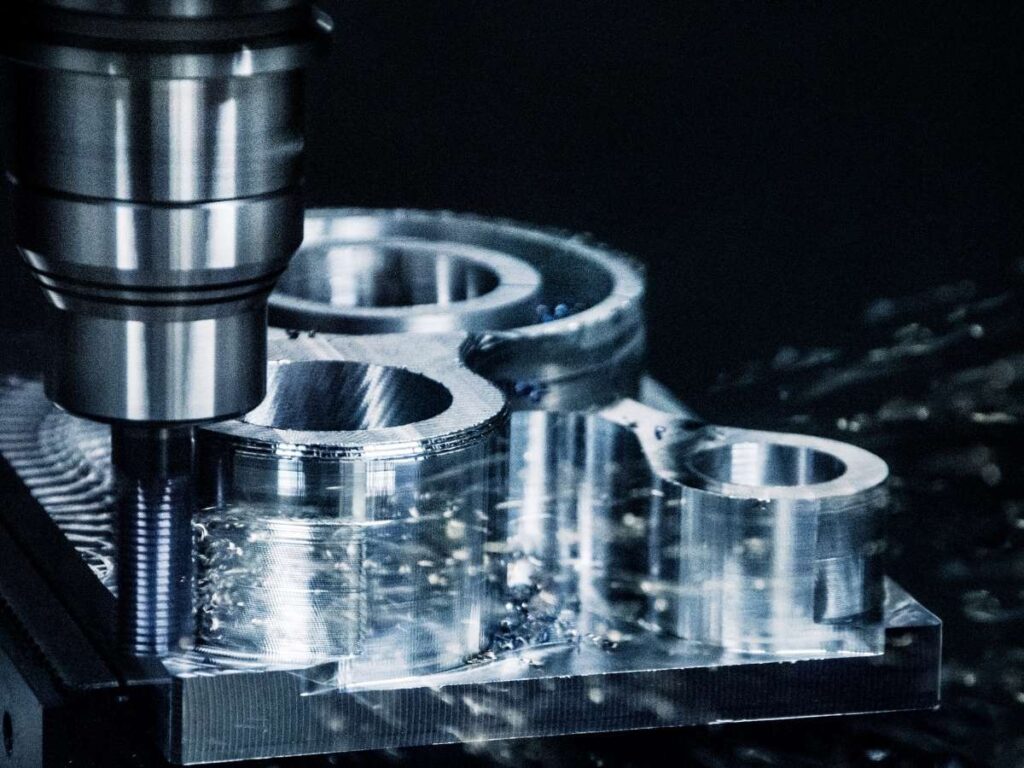
CNC (Computer Numerical Control) machines cut material using spinning tools. It’s great for metal and plastic parts.
But the design needs to make sense for machining. Here are a few tips:
- Avoid deep, narrow holes. They’re hard to machine and take longer.
- Sharp internal corners are tricky. Tools are round, so add small radii instead.
- Tight tolerances? Use them only where needed. They slow things down and increase cost.
I once designed a block with a perfect 90-degree corner inside. The machinist called me and asked, “Do you want me to break the laws of physics, or can I round this off?” I laughed, then fixed the file.
Injection Molding
Injection molding is used for plastic parts. It involves forcing melted plastic into a mold.
Here’s what to watch for:
- Add draft angles so parts come out of the mold easily.
- Avoid undercuts unless you plan to use side actions.
- Keep walls uniform. Thick and thin areas cool at different rates and can cause warping.
I once skipped draft angles on a small housing part. The mold stuck every time, and we had to polish it between shots. A tiny angle would have saved us hours.

Sheet Metal Fabrication
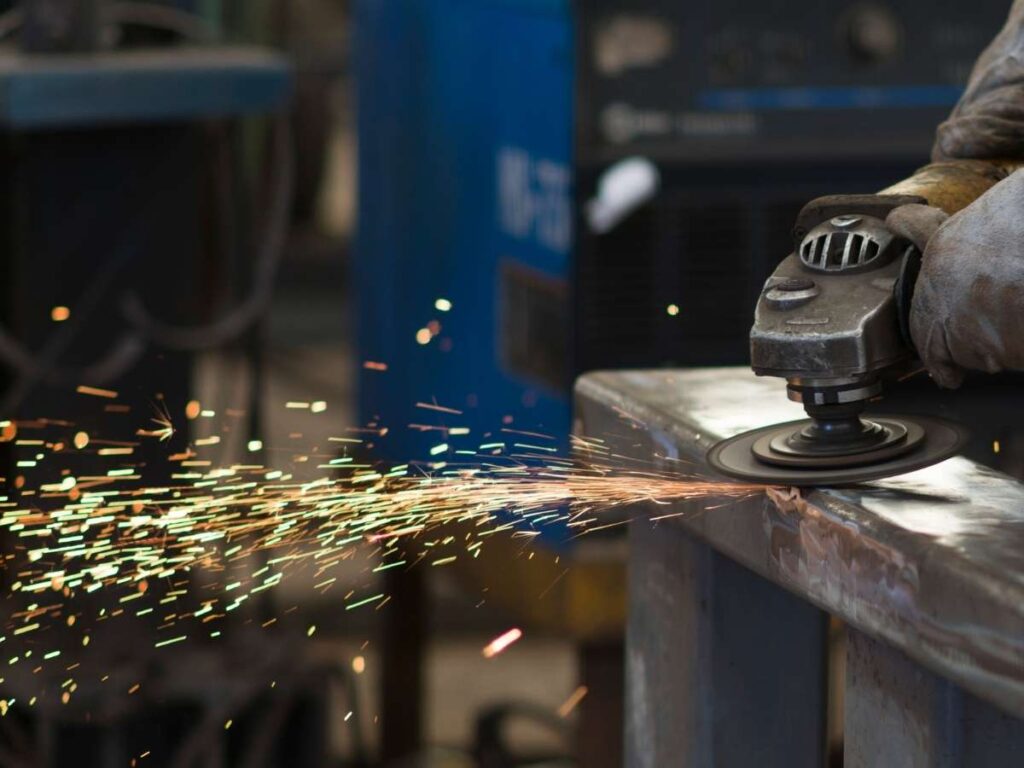
Sheet metal is cut and bent into shape. It’s fast and great for brackets, enclosures, and panels.
To make life easier:
- Keep holes away from bend lines. They can stretch or warp.
- Respect minimum bend radius. Sharp bends can crack the material.
- Check how the part flattens in CAD. Sometimes what looks good in 3D doesn’t lay flat in real life.
I’ve seen parts that looked great until we tried to bend them. Then the holes near the corners tore open.
4. How to Conduct a DFM Analysis
So, you’ve got a design. Now what?
A DFM analysis helps you figure out if that design can be built the way you expect—without wasted time, cost overruns, or delays.
It’s not as complicated as it sounds. And you don’t have to be an expert to do it well.
Here’s how to get started.
Step 1: Choose a Manufacturing Method
Before checking any design details, think about how your part will be done.
- Is this a job for CNC machining?
- Will it be injection molded?
- Could it be 3D printed or made with sheet metal?
Each method has different limits. For example, a 3-axis CNC machine can’t make undercuts without special tools. So if your design includes one, you may need to revise it or pick a different process.
Start here. Everything else builds on this step.
Step 2: Review Your Design File (CAD)
Next, open your CAD file. Start with a checklist. Ask questions like:
- Are the holes toleranced clearly?
- Do wall thicknesses match the process?
- Are the fillets and radii doable with the tools available?
I’ve had designs come back from manufacturers with red marks all over them—just because I forgot to check hole depths or chose sharp inside corners.
Simple checks early on save a lot of cleanup later.
Step 3: Involve Your Manufacturer or Supplier
Don’t wait until your design is perfect. Send your files early.
A good supplier will spot red flags right away. Many even use online quoting platforms with built-in DFM checks.
Some tools to try:
- Xometry
- Protolabs
- Hubs
I’ve worked with suppliers who just quote and build—and others who actually think with you. MachMaster is one of the good ones.
With advanced tools, fast DFM feedback, and experience across over 500 projects, they help you avoid guesswork before you even place an order.
Step 4: Iterate Based on Feedback
Once you get comments, don’t panic.
Focus on what really matters:
- Change features that add cost or slow down production
- Leave performance specs alone if they still work
You don’t need to redesign the whole part—just make it easier to build.
DFM analysis doesn’t have to be perfect. But doing it early gives you a better shot at hitting deadlines, keeping costs low, and building real trust with your supplier.
5. Common Myths About DFM
Now, you can see how helpful DFM analysis can be.
But let’s be honest—there are a few myths floating around that stop people from using it. I believed some of these myself. And I paid the price.
Let’s clear them up.
“DFM is only for big companies”
Myth: DFM is for large teams with big budgets and engineers on staff.
Truth: If you’re a small business, you need DFM even more.
Why? Because mistakes hit harder. A single bad part or failed tool can eat your profit and delay your project by weeks.
I once worked with a startup that skipped DFM on a sheet metal part. They thought it was simple. But when they got the first batch, nothing fit. They had to pay for a second round—and that ate up their launch budget.
“My manufacturer will take care of that”
Myth: Your supplier will spot all the problems for you.
Truth: Some will. Many won’t.
If you don’t ask, some shops will just build what you send—even if it’s flawed. I’ve had suppliers follow my CAD exactly, only to find out later the part couldn’t be assembled without modification.
It’s your job to start that conversation early.
“I can fix it later”
Myth: If something’s wrong, you’ll deal with it later.
Truth: Fixing things later almost always costs more.
You might need:
- New tooling
- A design revision
- More back-and-forth with your supplier
Late fixes mean late products. That’s a tough spot to be in—especially if customers are waiting.
So before you push that final “send” on your design, ask yourself: Am I falling for one of these myths?
6. How to Choose the Right Supplier Based on DFM Feedback
So, you’ve sent your files out. You’re getting DFM feedback. Now comes the next step: choosing who to work with.
But here’s the tricky part. Not all feedback is helpful. And not every supplier will give you the same level of care.
Let’s break down how to tell the difference.
Red Flags to Watch For
If the feedback you get is vague or rushed, take a closer look.
Here are some signs that should make you pause:
- They say “this won’t work” but don’t tell you why.
- They don’t suggest any other way to fix the issue.
- You never get updated technical drawings or visuals to explain the change.
I once worked with a shop that just emailed me: “Too thin. Won’t mold.” That was it. No solution, no drawing, no context. I had to ask three times before they explained it clearly.
If someone can’t take the time to explain problems now, imagine what it’s like during production.
Good Signs in a Manufacturer
Now let’s talk about the good ones. A strong supplier wants your part to succeed.
Look for these signs:
- They explain why a change is needed.
- They offer alternative solutions, not just problems.
- They have experience with your type of material or part.
For example, a supplier once told me: “If we thicken this wall by 0.5mm, we can mold it with standard tooling—and save you from needing side actions.” That kind of detail builds trust fast.
You’ll also notice that good manufacturers don’t rush. They ask questions. They want to get it right the first time.
That’s exactly how MachMaster works. We take time to review your design, explain issues clearly, and suggest practical fixes—all before you commit to production.
If you’re looking for a supplier who cares about getting it right from the start, we’re here to help.
Conclusion
Here’s the truth: If you want to avoid stress in production, DFM analysis is where you begin.
You now know:
- What DFM means
- Why it matters
- What to check
- How to do it
- And how to choose the right supplier
I’ve made these mistakes before. You don’t have to.
Even a few small changes today can prevent big problems later.
So ask yourself: Is your design really ready for the shop floor?
If you’re not sure—reach out. Let’s take a look together.
Dive Deeper Into Our Resources
Looking for more diverse service options? Browse through our handpicked selections:
- Anodizing Service
- CNC Milling Service
- CNC Turning Service
- Injection Molding Service
- CNC Machining Service
For some insightful reads, we’ve curated a list of recommended articles just for you:
Still haven’t found what you’re looking for? Don’t hesitate to contact us. We’re available around the clock to assist you.