
I once spent three hours googling “injection molding types” after a client asked which one we’d use. I didn’t have a real answer.
That felt embarrassing. I had experience with design, but I didn’t know the differences—just that they existed.
Since then, I’ve worked with engineers, toured manufacturing floors, and made a few mistakes that cost real money.
I started to understand that injection molding isn’t just one process. It’s a group of methods—and each one serves a different purpose.
If you’ve ever felt unsure about which type to choose or how it all fits together, I get it. I’ve been there. And that’s exactly why I wrote this.
In this guide, I’ll walk you through the 9 different types of injection molding and where each one is most commonly used. By the end, you’ll have a clearer picture of how to talk about it or use it in your own work.
Let’s jump in!
Quick Comparison Chart
Need a fast reference before going deep? Here’s a side-by-side table that highlights what each injection molding method offers—and where it fits best.
| Molding Type | Key Advantages | Main Limitations | Common Industries |
| Thermoplastic Injection | Fast and repeatable, supports complex shapes, recyclable, wide material options | High tooling costs, heat sensitivity, may degrade under UV or chemicals | Automotive, electronics, packaging, medical |
| Thermoset Injection | Excellent heat resistance, strong and rigid, great for insulation and harsh environments | Cannot be remelted, brittle under impact, slower cycle times | Appliances, power systems, oil & gas, heavy-duty equipment |
| Overmolding | Improves grip and comfort, no need for separate assembly, better aesthetics | Bonding issues between materials, complex tooling, slower production | Consumer goods, electronics, power tools, healthcare |
| Insert Molding | Combines metal and plastic, strong joints, fewer parts and assembly steps | Requires precision insert placement, longer cycle times, special tooling | Medical, automotive, electronics, industrial |
| Gas-Assisted Injection | Reduces warping and sink marks, lightweight, material savings, better surface finish | Not suitable for small parts, costly setup, precise gas control needed | Automotive, furniture, home appliances, sports equipment |
| LSR (Liquid Silicone Rubber) | Flexible and durable, handles heat and chemicals, biocompatible, great for skin-contact products | High material cost, longer curing, needs specialized equipment | Medical, baby care, consumer goods, automotive seals |
| Micro Injection | Extremely precise, minimal waste, clean detail, scalable for high-volume micro parts | Expensive setup, inspection challenges, requires micro-specific machines | Electronics, medical devices, aerospace, sensors |
| Reaction Injection (RIM) | Lightweight but tough, customizable properties, handles thick sections with low-pressure tooling | Slower reaction-based cycle, softer surface detail, risk of mix imbalance | Agricultural, transport, rehab and fitness devices |
| Structural Foam Molding | Strong yet lightweight, good for thick parts, cost-efficient for bulk, extends mold life | Rougher surface texture, limited fine detail, longer cooling time | Telecom, construction, warehouse, industrial furniture |
You’ve got the overview—now let’s explore each method, starting with thermoplastic injection molding and what makes it such a versatile choice.
1. Thermoplastic Injection Molding
This was the first injection molding method I ever worked with. And like many beginners, I thought it could do everything.
Thermoplastic injection molding uses thermoplastic polymers—materials that melt when heated and harden when cooled. They can be reheated and reshaped multiple times without changing their chemical structure.
Advantages
- Fast and Repeatable: Once the mold is ready, it can produce your parts quickly and consistently. Perfect for large production runs.
- Cost-Effective at Scale: The upfront mold cost is high, but the more parts can make, the cheaper it gets per unit.
- Supports Complex Shapes: Thermoplastics flow easily into detailed molds. That helps when parts need fine features or precision.
- Wide Material Choice: Options like ABS, nylon, and polycarbonate let match the material to the job.
- Reusable Material: Scraps and rejects can often be remelted and used again, reducing waste and saving money.
If you’re looking for speed, scalability, and flexibility in material selection—thermoplastic injection molding checks all the right boxes. And when it comes to execution, MachMaster brings the precision and production know-how to help you make the most of it.
Limitations
- High Tooling Costs: Making the mold takes time and money. It’s not a good fit for short runs or one-off parts.
- Not Great with Heat: Thermoplastics can soften or warp in high-temperature environments.
- UV and Chemical Sensitivity: Some plastics degrade in sunlight or react badly to certain chemicals.
Industries
- Automotive: Used for dashboards, interior panels, and brackets. Light materials help with fuel efficiency.
- Consumer Electronics: Common in remote controls, phone shells, and speaker parts where precision matters.
- Medical Devices: Perfect for making syringes, housings, and test kit parts that need to be clean and consistent.
- Packaging: Great for caps, closures, and food containers that need to be produced in large quantities.
It’s one of the most widely used methods across industries, and once start using it, you’ll understand why so many businesses rely on it.
And the best part? Thermoplastics can be melted again and reused. That’s helpful if you’re managing costs and care about material waste.
If you’re working on consumer products, automotive parts, or packaging—this method fits.
2. Thermoset Injection Molding
Thermoset polymers are materials that harden permanently after being heated and shaped. Unlike thermoplastics, once they’re cured, they can’t be melted down and reused. That’s because the chemical reaction locks the shape in place.
Advantages
- Heat Stability: Thermoset parts hold up in places where thermoplastics break down. We used it near hot motors, and the part didn’t even soften.
- Excellent Electrical Insulation: These materials resist current and heat, which makes them ideal for switches, sockets, and circuit components.
- Strong and Rigid: Once cured, they don’t flex or creep over time. One housing we built stayed in perfect shape after years of daily use.
- Chemical Resistance: Many thermosets stand up to oils, fuels, and cleaners—great for messy or harsh settings.
Thermoset molding gives you confidence that your part will hold steady under real stress. It’s reliable in places where failure isn’t an option.
Limitations
- No Re-Melting or Recycling: Once cured, thermosets can’t be reshaped. That means more care is needed upfront to get the mold right.
- More Fragile Than Flexible: While strong, they can snap under bending or impact. I dropped one part during inspection—it cracked right in half.
- Slower to Process: The curing time adds steps to the production timeline. We had to build in extra time just to stay on schedule.
Thermosets demand accuracy and patience. There’s less room for error compared to other plastics. But when the part needs to stand firm in tough environments, it’s more than worth the trade-off.
Industries
- Power Systems: Used in housings and insulators for electrical control panels, circuit breakers, and voltage switches.
- Appliances: Found in coffee makers, ovens, and other heat-generating tools that need parts to stay stable under stress.
- Oil and Gas: Used for seals, spacers, and structural parts exposed to heat, chemicals, and pressure.
- Industrial Machines: Ideal for control knobs, handles, and switches where strength and shape retention matter.
Thermoset molding isn’t for every part. But if you’re designing something that must hold up under heat, pressure, or repeated use: it’s a strong option.
Once you use it, you’ll see how it fills a very specific need—one thermoplastics just can’t match.
3. Overmolding
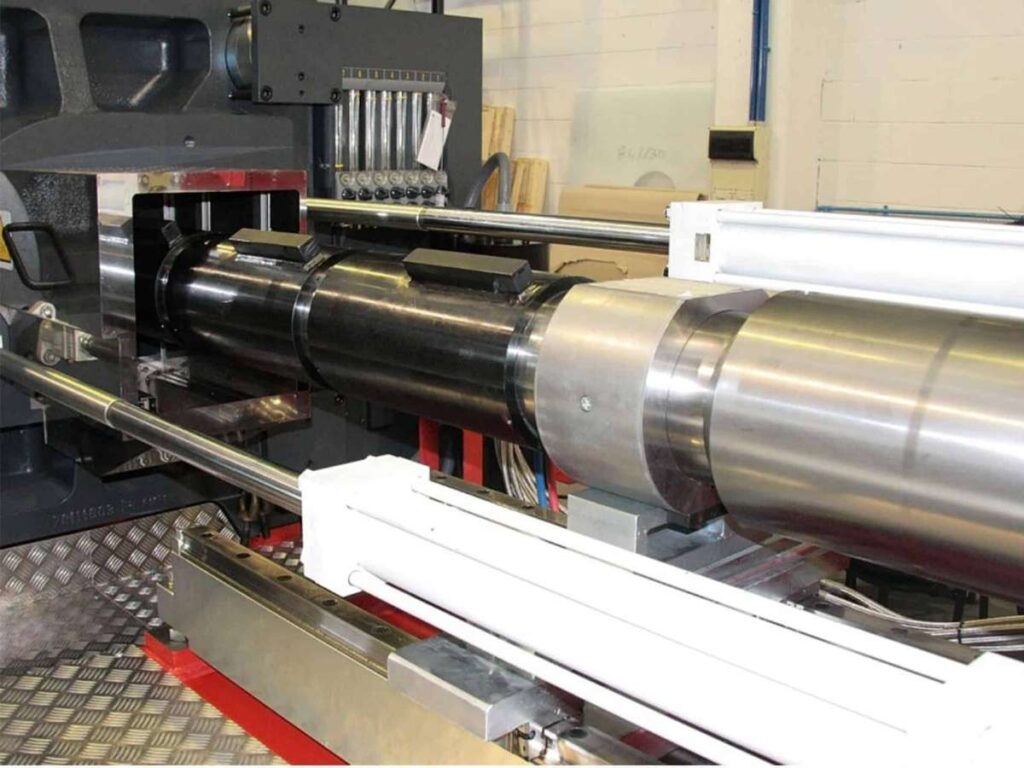
Overmolding is a process where a second material is molded on top of or around a base part. This base is called the substrate. The second material bonds to the surface, creating one finished part with two functions—structure and comfort.
It’s used in everyday products: toothbrushes, headphones, tool grips, even protective cases.
Advantages
- Improved Grip and Comfort: A soft surface layer reduces hand fatigue and adds comfort. I’ve had customers say, “It just feels right.”
- Two Materials in One Mold: Combines strength and flexibility without extra steps. One part, two functions.
- No Extra Assembly: No screws or glue required. The parts come out already fused.
- Better Visual Appeal: Adds contrasting colors, soft textures, and cleaner finishes. It adds that final touch.
When a part needs both durability and comfort, overmolding gets the job done neatly.
Limitations
- Complex Tooling Needs: Special molds and tighter control are needed to handle two materials properly.
- Material Bonding Can Fail: Some materials don’t mix well. I’ve seen soft layers peel off during testing because of a poor material match.
- Takes More Time: Molding in two stages increases cycle time, especially in high-volume runs.
It’s not always quick or simple, but when done well, it adds real value.
Industries
- Consumer Goods: Found in handles, razors, and kitchen tools that need comfort and control.
- Electronics: Used in game controllers, earbuds, and protective cases for better feel and durability.
- Power Tools: Soft outer layers help reduce slippage and vibration in hand tools.
- Medical Devices: Provides better hygiene and handling for items used in clinical settings.
Overmolding changed the way we thought about product feel. If you want your part to feel better in the hand—or hold up better under pressure—this method might be the one you’re looking for.
4. Insert Molding
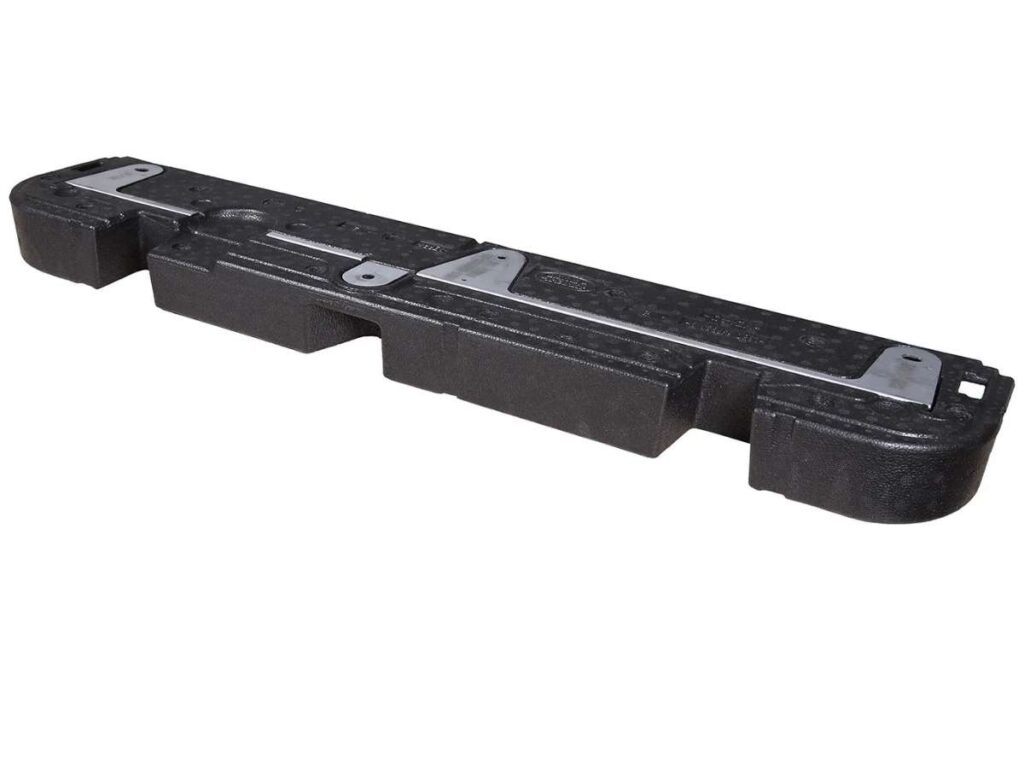
Insert molding is a process that combines plastic with pre-made components—usually metal. A metal insert is placed into the mold, and then plastic is injected around it. Once cooled, the insert is locked inside the part.
I used this method recently to add metal threads into a plastic bracket. The plastic gave us a lightweight body. The metal insert gave it lasting strength where it mattered.
Advantages
- Stronger Connections: Metal inserts help hold screws, clips, or shafts better than plastic alone. I’ve seen parts last years without wear at those points.
- Fewer Assembly Steps: No gluing or fastening needed later. The part comes out of the mold already complete.
- Compact Design: Don’t need extra material around the insert for support. That saves space and keeps parts lightweight.
- More Functionality: Inserts can add movement, power, or fastening points to molded parts.
If your project needs metal threads, pins, or plates inside plastic: insert molding is worth considering.
Limitations
- Precise Placement Needed: Inserts must be perfectly positioned. Even a slight shift can ruin the part.
- Longer Cycle Times: Placing inserts takes time—especially if done by hand.
- Special Tooling May Be Required: Fixtures or robots might be needed to hold inserts steady during molding.
Insert molding takes more prep, but the payoff is real when function and strength are critical.
Industries
- Medical Devices: Used in diagnostic tools, surgical handles, and parts that need secure, non-slip fasteners.
- Automotive: Common in dashboards, fastener points, and mounts that combine plastic shells with metal hardware.
- Consumer Electronics: Ideal for buttons, charger ports, and connectors where plastic meets metal.
- Industrial Equipment: Great for panels, brackets, and cases that require both structure and durability.
I’ve seen insert molding used across many industries, and it always delivers something simple but important—reliability. It shows up in small ways, but makes a lasting difference in the life of a product.
Insert molding helped us eliminate extra steps and reduce part failure. If you’re looking to combine materials without added assembly: this might be your best route.
5. Gas-Assisted Injection Molding
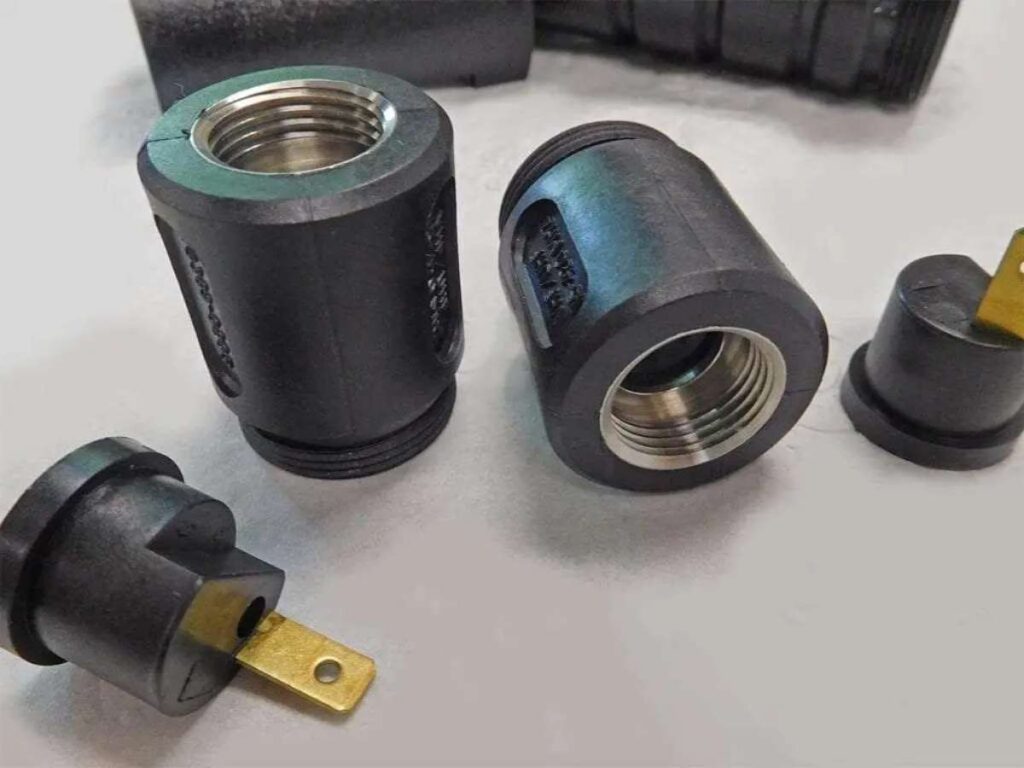
Gas-assisted injection molding starts just like regular molding. Molten plastic is injected into the mold. But then, pressurized gas (usually nitrogen) is injected into the center. The gas carves out hollow sections inside the plastic, making the part lighter and more stable.
Advantages
- Reduces Warping and Sink Marks: The internal gas holds pressure where needed during cooling. We used it on a wide panel, and it came out flat and even—something we couldn’t achieve with regular molding.
- Lightweight with High Strength: The hollow channels lower weight without making the part feel weak. One part we made was 30% lighter with no drop in performance.
- Material Savings: Less plastic is used in thick areas. That can add up to real cost savings on high-volume parts.
- Smoother Appearance: Surfaces come out cleaner and more consistent. The client didn’t even need to paint it afterward.
This is especially helpful if you’re making large or thick plastic parts where appearance and strength both matter.
Limitations
- More Setup and Control Needed: The gas injection timing has to be perfect. Early on, we ran a few tests and got short shots just because the gas pushed too soon.
- Not Ideal for Small Parts: There has to be enough room inside the part to form hollow sections. It’s a poor fit for tight, compact designs.
- Upfront Equipment Costs: Need a machine with gas injection capability and precise controls. That can raise startup costs.
Industries
- Fitness and Sports Equipment: Ideal for molded frames, handles, and covers that look clean but feel light.
- Automotive: Used for door panels, armrests, and trim parts where shape, appearance, and weight all matter.
- Home Appliances: Helps create casings and structural panels that stay rigid without adding unnecessary bulk.
- Office Furniture: Common in chair backs and armrests where comfort, durability, and style all come together.
Gas-assisted molding helped us take a bulky part and make it cleaner, faster, and more cost-effective. If you’re struggling with sink marks or thick parts that don’t cool right—this might be the solution you’ve been looking for.
6. Liquid Silicone Rubber (LSR) Molding
Not every part needs to be hard or rigid. I learned that while working on a sealing ring that had to flex over and over—without cracking. That’s when I started using LSR molding.
Liquid silicone rubber (LSR) is a flexible, heat-resistant material. It’s injected into a heated mold in liquid form, where it cures quickly. The result is a soft, rubber-like part that resists heat, weather, and chemicals.
Advantages
- Flexible and Durable: LSR can bend, twist, and stretch without tearing. I’ve made parts that still work after months of daily stress.
- High Heat Resistance: Cured LSR holds up in ovens, sterilizers, and hot environments. That’s why it’s common in healthcare and kitchen tools.
- Chemical and UV Resistance: LSR doesn’t break down easily from sun, moisture, or cleaning agents.
- Clean and Biocompatible: Medical-grade silicone is safe for body contact. I’ve used it in parts that go directly on skin.
LSR is one of those materials that feels soft but performs tough. It’s perfect when comfort, safety, and long-term wear matter most.
Limitations
- Higher Material Cost: LSR is more expensive than many common plastics. It’s not the best choice for low-cost parts.
- Special Equipment Required: Standard injection molding machines won’t work. May setup made for LSR’s liquid form.
- Longer Curing Time: Even though it’s fast for silicone, it still takes longer than thermoplastics to set fully.
Industries
- Medical and Healthcare: Used for tubing, masks, and seals that must be soft, skin-safe, and long-lasting.
- Baby Products: Found in pacifiers, bottle nipples, and grips—parts that need to be gentle and clean.
- Consumer Goods: Common in kitchenware, wearables, and electronics that need waterproof or flexible elements.
- Automotive and Industrial: Applied in gaskets, connectors, and seals that face heat, oil, or vibration.
When we first used LSR, we were surprised by how clean and reliable the parts came out. If you need flexibility with performance—this process is worth considering.
7. Micro Injection Molding
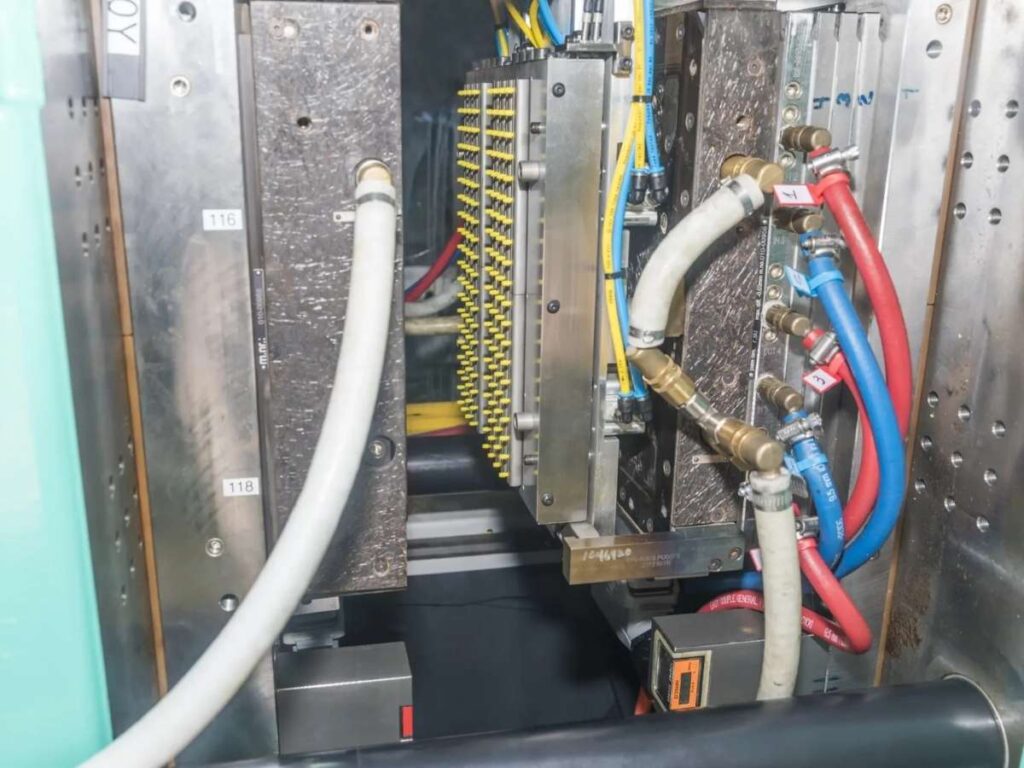
Micro injection molding is used to produce very small plastic parts, often weighing less than a gram. The process is similar to standard injection molding, but the equipment and molds are specialized for extreme precision.
Advantages
- High Precision: Micro molding offers tight control over size and detail. I’ve seen parts with features that can barely see, yet they function perfectly.
- Minimal Waste: Only a tiny amount of material is used. That keeps costs down for high-value resins.
- Clean, Sharp Details: Even tiny parts come out smooth, which is important for delicate applications.
- Scalable Production: Once the setup is dialed in, thousands of parts can be molded quickly and reliably.
If your design has tiny features or weighs less than a paperclip: this is likely the process you need.
Limitations
- High Setup Cost: Tooling for micro molding is expensive. The process requires extreme precision from the start.
- Special Equipment Required: Standard machines can’t handle these tiny dimensions. I had to outsource my first micro part to a shop with the right tools.
- Challenging Quality Control: Inspecting parts this small takes special tools and care. One flaw can ruin an entire batch.
Micro molding isn’t something to rush into. It takes planning, patience, and the right partner like MachMaster. They combine advanced tooling, high-accuracy machines, and strict quality control to deliver micro-molded parts that actually work—from first shot to final inspection.
Industries
- Medical Devices: Used for surgical tools, drug delivery systems, and microfluidic parts where space is limited.
- Electronics: Helps produce micro connectors, switches, and parts for wearables and phones.
- Automotive Sensors: Small housings and precision clips that live inside complex systems.
- Defense and Aerospace: Perfect for lightweight, detailed parts used in guided systems or compact assemblies.
Micro molding serves industries that can’t afford mistakes—where every millimeter counts. I’ve seen it enable designs that would’ve been impossible with any other method. It pushes what’s possible with plastic.
8. Reaction Injection Molding (RIM)
One project changed how I saw plastics. We needed a strong but lightweight cover for a machine enclosure—something thick, yet not too heavy to lift. Standard injection molding would’ve made it bulky and pricey. That’s when the team brought up reaction injection molding, or RIM.
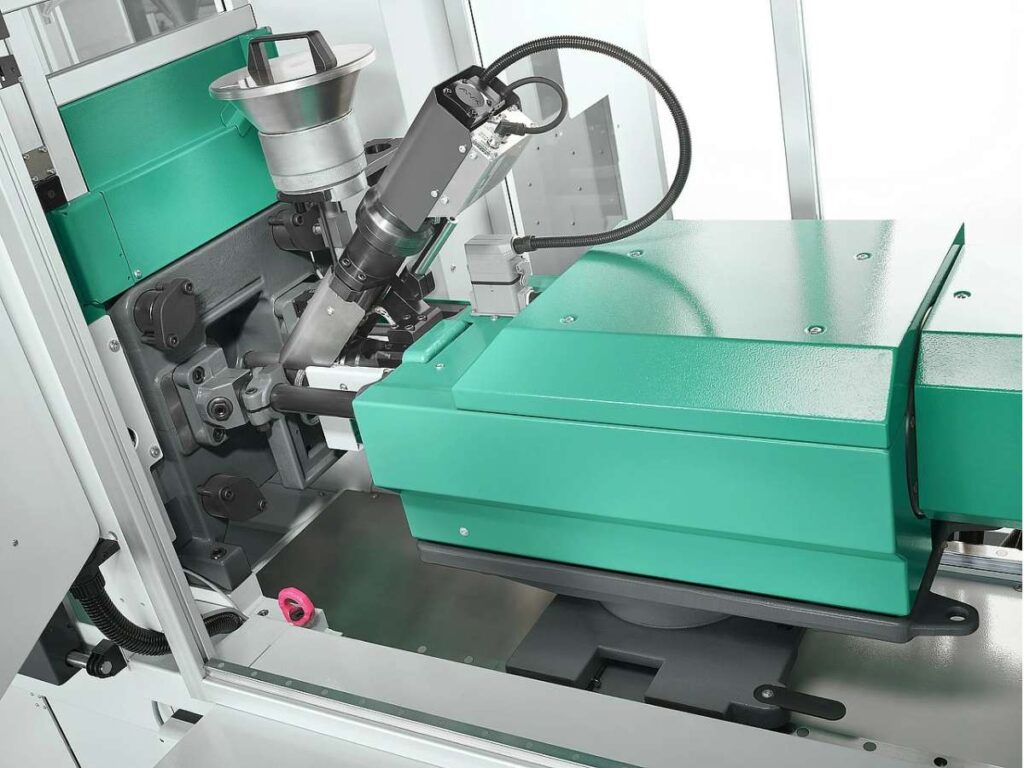
Unlike other methods, RIM mixes two liquid materials—often a polyisocyanate and a resin—right before they go into the mold.
Advantages
- Strong but Lightweight: RIM creates a part that feels solid but doesn’t weigh down. We used it for a large housing, and even a single person could lift it easily.
- Thick Walls with No Warping: I’ve used it for bulky shapes that would normally sink or bend during cooling—RIM holds its form well.
- Low-Pressure Processing: It doesn’t need heavy-force injection, so less expensive molds. That helped us reduce tooling costs on small runs.
- Custom Formulas Available: Can tweak the mix for extra flexibility or impact resistance. It gives more control over performance than expected.
I like using RIM when weight, thickness, and cost all need to be balanced. It gives a way to build big without overbuilding. It’s not flashy, but it’s practical. And sometimes, that’s exactly what a part needs.
If your project needs size without weight—RIM might be the fit you’re looking for.
Limitations
- Slower Production Time: The chemical reaction inside the mold takes longer than standard cooling. If speed matters, this might not be the best fit.
- Surface Finish Is Less Refined: Don’t expect mirror finishes. I’ve had parts come out with soft edges or dull textures—not ideal for customer-facing pieces.
- Risk of Incomplete Mix: If the two liquids aren’t blended just right, get soft spots or voids. That happened to us once, and the entire batch had to be scrapped.
RIM has a learning curve, especially on the mixing side. But once the setup is dialed in, it runs smoothly.
Industries
- Agricultural Equipment: Used in large panel covers and guards that need durability without bulk.
- Fitness and Rehab Devices: Useful in forming protective padding and supports with a strong yet forgiving feel.
- Commercial Machinery: Helps create large housings that are easier to transport and install.
- Transportation and Transit: Used in interiors and trims for buses and trains where reducing weight cuts energy use.
RIM works in industries where form, strength, and weight all matter—without pushing costs too high.
9. Structural Foam Molding
This process blends plastic resin with a foaming agent. As the material enters the mold, it expands, forming a solid outer shell with a lightweight, foamed core inside. The result is a part that’s thick, strong, and light—but still tough enough to handle stress and impact.
Advantages
- Handles Heavy Loads with Less Weight: These parts can carry weight and resist bending—without being solid throughout. We used it for a base panel that felt half the weight of a solid molded part.
- Built for Bulk Without Distortion: It holds up well with thick, bulky shapes that would warp in traditional injection molding.
- Cost Savings on Materials: Because of the foam center, less plastic is used per part. That makes a real difference on large production runs.
- Longer Tool Life: The low-pressure process puts less wear on the molds. One of our tools lasted well beyond its projected cycle count.
Structural foam molding helped us balance strength, size, and cost. If you need thick, rigid parts that hold up under weight—without breaking your budget—this could be the right option for your project.
Limitations
- Rougher Surface Finish: The foaming effect sometimes causes swirl or matte textures. We had to paint over parts that needed a clean outer appearance.
- Not for Fine Details: This method doesn’t capture sharp lettering or delicate features. It works better with broad shapes and thick walls.
- Slower Molding Time: Parts take longer to cool because of the foam structure inside. That added a few extra minutes per cycle in our case.
Industries
- Telecom and Utility Boxes: Used for large, outdoor enclosures that must withstand rough conditions without weighing too much.
- Warehouse Equipment: Ideal for bulk storage bins, rolling carts, and reusable containers.
- Construction and Infrastructure: Common in temporary molds, trench covers, and jobsite supports where strength and portability matter.
- Heavy-Duty Furniture and Fixtures: Used for thick tables, bases, and legs that need structure without the bulk.
I’ve seen structural foam parts survive years in places where traditional plastics would crack or sag. It’s popular in industries that don’t care about looks—but care a lot about strength, handling, and lifetime cost.
Conclusion
I never thought three hours of Googling would lead me here.
But that confusion? It became clarity—through trial, real projects, and asking the right questions.
Now you know what injection molding is, how it works, and the nine types worth understanding.
You don’t need to feel unsure anymore.
You’ve got the knowledge. You’ve got the next step.
Which molding method speaks to your design?
MachMaster is here to help you move from idea to production—without guesswork.
Contact us today and let’s build something that works!
Dive Deeper Into Our Resources
If you’re looking for more insights, we’ve put together a list of helpful articles that you might enjoy:
Still haven’t found what you’re looking for? Don’t hesitate to contact us. We’re available around the clock to assist you.