
I still remember staring at the CAD file, thinking,
“This design looks perfect.”
But once the tooling team got to work, I started asking questions. Then delays. Then costs.
Turns out, the design made sense to a product designer but not to a mold maker.
That was a turning point. I realized: Good mold design isn’t just about the part—it’s about how that part gets made.
If you’ve ever felt unsure about whether your design will hold up in production, you’re not alone.
I’ve been there. And I wrote this guide to help you avoid the same mistakes.
In this article, you’ll learn how to:
- Think like a mold maker
- Avoid design traps that increase cost
- Make your part easy to mold and hard to mess up
This guide will give you the tools to design a functional, manufacturable, and cost-effective mold for real-world production.
So let’s start!
1. What Is Injection Mold Design
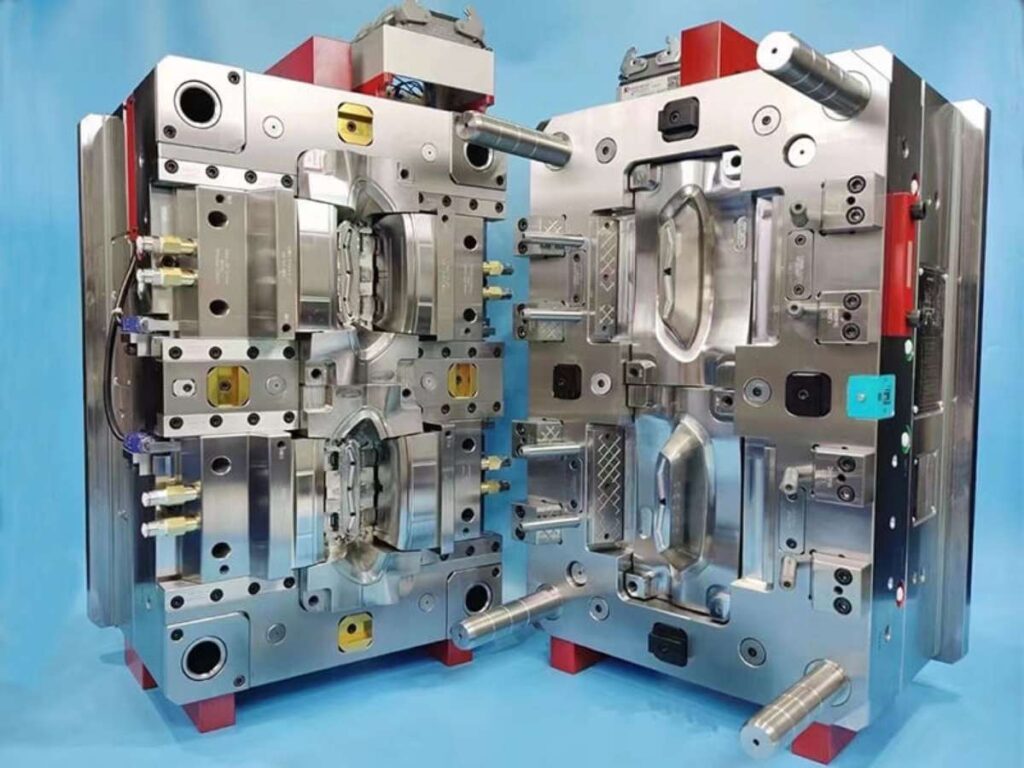
Injection mold design is the process of planning the tool that shapes melted plastic into your final part.
That tool is called a mold. It’s made of metal usually steel or aluminum. Plastic is injected into the mold at high pressure. Once it cools, you get your part.
Sounds simple. But designing that mold takes skill.
A good mold design:
- Fills evenly with plastic
- Cools fast and smooth
- Releases the part without damage
If the design is off, even just a little, you’ll feel it.
I learned this on a rush project. We had a tight timeline and used a previous mold design to save time. On paper, the change seemed small. But the plastic warped during cooling. The part no longer fits with the rest of the assembly.
We lost a week. Then we had to re-cut the mold. That mistake cost us thousands.
That’s what a bad mold design can do. It creates:
- Warped parts that don’t fit
- Short shots—when the mold doesn’t fill fully
- Sink marks or visible dents
- Cracks from poor part ejection
- Delays as teams try to fix problems
Good mold design isn’t just about the tool it’s about avoiding waste. A well-designed mold makes each shot of plastic count. It means less scrap. Fewer surprises. And no guessing at what went wrong.
It also helps you:
- Save on cycle time (faster production = lower cost)
- Catch problems early
- Ship parts that actually meet your spec
If you’re designing a product or buying parts for one, you need to understand how mold design affects the end result.
Because no matter how great your 3D model looks, if the mold isn’t right, your part won’t be either.
2. Key Parts of a Mold Design
When you’re building a mold, every detail matters. Each part has a job—and if one piece is off, the whole thing can go wrong.
I once worked on a project where the mold looked fine in CAD. But the gate was too small. The plastic didn’t fill the cavity fast enough. That tiny mistake caused weeks of trouble.
Let’s walk through the key parts of a mold so you can avoid that kind of setback.
Core & Cavity
Think of these as the two sides of the mold.
- The core is the male half. It forms the inside shape of the part.
- The cavity is the female half. It forms the outer surface.
When the mold closes, the space between the core and cavity is your part shape. Simple idea—but tiny differences here affect how the part looks and fits.
Parting Line
This is where the two halves of the mold come together.
- If the line is in the wrong place, you might see a visible seam on the part.
- Misalignment here can also cause flash—thin plastic that leaks out during molding.
You want the parting line placed where it won’t ruin the look or function of your part.
Gate Types
The gate is how the plastic enters the mold.
There are several types:
- Direct gate: Simple and fast, but leaves a visible mark
- Tunnel gate: Hides the entry point underneath
- Fan gate: Spreads the flow for wide or flat parts
Choosing the right gate type affects:
- Surface finish
- Filling speed
- Flow balance
Cooling System
Once plastic is in, it needs to cool quickly and evenly.
- Cooling channels run through the mold
- Poor cooling leads to warping, sink marks, and slow cycles
Faster cooling = faster production and better part quality.
Ejector System
After cooling, the part must be removed.
- Ejector pins push the part out of the mold
- Stripper plates or sleeves are used for delicate or complex parts
If the ejector setup is wrong, the part may stick, crack, or deform.
A well-designed mold isn’t just about shape. It’s about how plastic flows, cools, and exits.
Get these parts right, and your mold will do its job quietly and cleanly. Get them wrong, and you’ll spend more time fixing problems than making parts.
3. Cost Factors That Affect Mold Design
The first time I saw a mold quote, I almost choked on my coffee.
It wasn’t just the number—it was all the line items I didn’t understand. Why did changing the finish double the price? Why was one steel type so much more expensive than another?
I’ve since learned those costs aren’t random. They come from how the mold is built—and how long it’s meant to last.
Here’s what actually drives mold cost.
Cavity Count
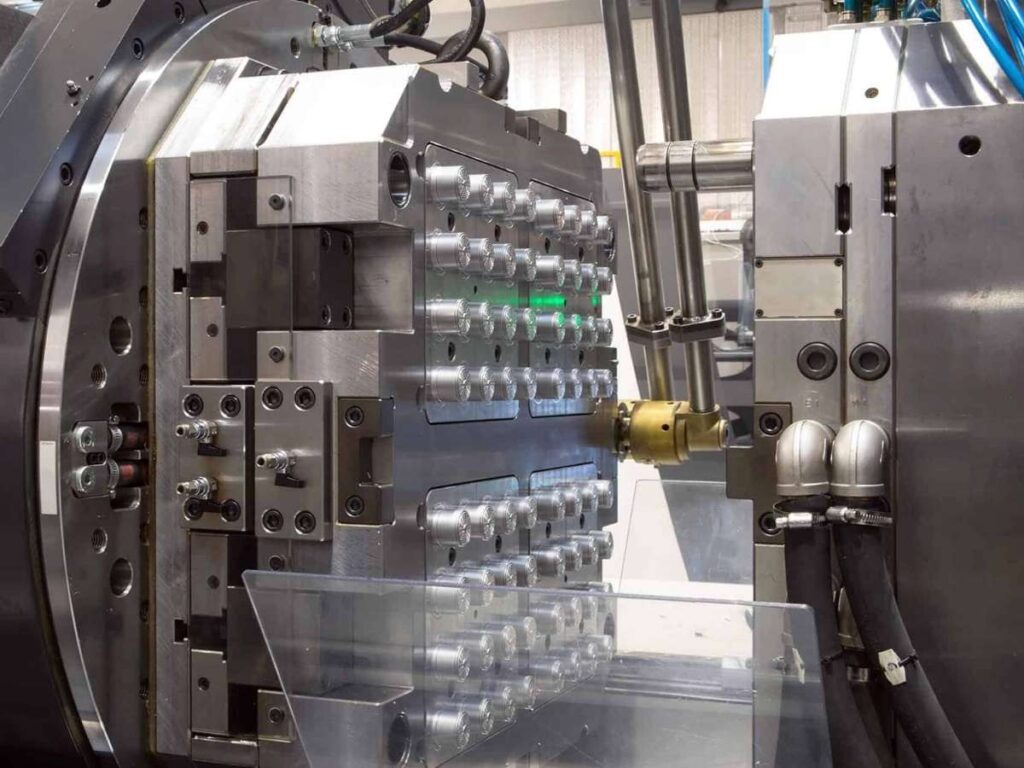
Cavities are the number of parts the mold can make in one shot.
- 1 cavity = 1 part per cycle
- 4 cavities = 4 parts per cycle
More cavities speed up production. But they also mean:
- A bigger mold base
- More machining time
- Higher upfront cost
If you’re making thousands of parts a month, a multi-cavity mold may be worth it. But for low volume runs, a single cavity is often cheaper.
Mold Base & Steel Type
The mold base is the body of the mold. And the type of steel you choose affects price and lifespan.
- P20 steel:
- Medium hardness
- Good for 100,000 to 1 million shots
- More affordable
- H13 or hardened steel:
- More durable
- Withstands higher pressure and wear
- Costs more up front
If you’re planning long production runs, better steel saves money in the long run.
Mold Complexity
The more moving parts in your mold, the more it costs.
Features that add cost include:
- Side-actions (to form holes or snaps on side walls)
- Undercuts (features that prevent easy part ejection)
- Threaded features (like bottle caps or fasteners)
Complex parts = more time, more machining, and more money.
Surface Finish Requirements
This one surprised me early on.
If your part needs a glossy finish, the mold surface has to be polished like a mirror. That takes time and skill—and raises the price.
- Matte or textured? Lower cost
- Smooth and shiny? Higher cost
Understanding these cost factors helps you make smarter trade-offs.
Sometimes, a small change in design saves thousands on the mold and still gives you the part you need. That’s the kind of clarity we aim to offer at MachMaster—so you can move from design to production with confidence.
4. Common Mistakes to Avoid in Injection Mold Design
I once worked on a project where the parts looked great in CAD.
Clean lines. Sharp edges. Everything felt tight and precise.
But the mold shop came back with a long list of problems. Tight tolerances that weren’t needed. No draft. And wall thickness that changed too fast.
What looked perfect on screen turned into a mess in real life. We lost two weeks and had to rework the mold.
Here’s how you can avoid making the same mistakes.
Too Many Tight Tolerances
This is one of the most common and expensive mistakes.
- Tight tolerances take more time to machine
- They wear out tools faster
- They drive up cost for no reason
Use tight tolerances only where the function demands it, like:
- Snap fits
- Moving parts
- Sealing surfaces
Everywhere else, keep it simple. Looser fits make the mold easier to build and last longer.
No Draft or Poor Wall Transitions
Draft is the angle that helps parts release from the mold. No draft = stuck parts.
- No draft can lead to partial damage or ejection failure
- Thin-to-thick wall changes cause sink marks or short shots
- Sharp corners create stress and flow issues
To fix this:
- Add at least 1–2° draft to vertical walls
- Keep wall thickness changes gradual
- Round sharp corners where you can
Small tweaks here make molding smoother and cheaper.
Poor Communication with Mold Maker
The mold maker isn’t a mind reader.
If your design isn’t clear—or if you don’t ask for feedback—you’re setting yourself up for problems.
Common results:
- Parts that look different than you expected
- Mold changes that cost extra
- Delays you didn’t plan for
Tip: Always ask for DFM (Design for Manufacturability) feedback before the mold is cut.
- It catches problems early
- It helps match expectations
- It saves money
Avoiding these mistakes doesn’t take much. Just some planning, a little back-and-forth with your mold maker, and clear goals.
It’s worth it. Because fixing mistakes later costs way more than getting it right from the start.
5. Final Steps Before Sending a Design for Mold Making
You’ve finished your part design. It looks good. It feels done.
But before you hit “send” and hand it off to the mold maker stop. There are a few last steps that can save you from big problems later.
Here’s what to do before you send off your file:
Review the CAD Model with a Mold Engineer
Don’t do it alone. Sit down with someone who knows molds inside and out.
- Check draft angles
- Confirm wall thickness
- Review ejector pin locations
A mold engineer can spot trouble before it gets expensive.
Confirm Tolerances, Gate Placement, and Parting Lines
Ask yourself:
- Do you really need that tight tolerance?
- Is the gate in the best spot for flow and looks?
- Is the parting line placed where it won’t affect function?
These details matter. The mold maker needs to know exactly what’s important and what’s flexible. At MachMaster, we help customers define these points early so there’s no guesswork later.
Run a Mold Flow Analysis (If You Can)
Mold flow software simulates how plastic fills the mold.
It helps predict:
- Air traps
- Weld lines
- Uneven flow
- Cooling issues
Even one simulation can save you a lot of rework.
Lock in Production Volumes
Production volume affects:
- Cavity count
- Mold steel choice
- Tooling cost
Make sure you’re clear on how many parts you plan to make per month. It helps the mold maker give you the right setup.
Approve the Quote and Timeline in Writing
Before work starts, make sure you:
- Approve the final quote
- Confirm delivery dates
- Understand the payment terms
Get it in writing. It keeps everyone on the same page.
Take these steps, and you’ll move into mold making with more confidence and fewer regrets.
Conclusion
I’ve been in your shoes staring at a design, wondering if it’s ready.
Now you’ve got the tools I wish I had back then. You know what to look for. You know what matters.
And most importantly, you know what to do next.
Start your review. Talk to your mold maker. Don’t wait for a mistake to teach you the hard way.
If you’re ready, we’re here to help. Contact us today and let’s make it real.
Dive Deeper Into Our Resources
If you’re looking for more insights, we’ve put together a list of helpful articles that you might enjoy:
Still haven’t found what you’re looking for? Don’t hesitate to contact us. We’re available around the clock to assist you.