
The first time I saw insert molding happen, I was in a factory full of machines and noise. Hot plastic, metal parts, flashing lights—it was a lot.
I pretended like I understood everything. But honestly, I didn’t have a clue.
That feeling stuck with me. I don’t like faking what I know. I really like to know what it is.
So I asked questions. Then more questions.
Over time, it started to make sense. And once it did, I saw how useful insert molding really is.
If you’ve ever felt that same confusion—watching a process and wondering, how does that even work?—you’re not alone.
Whether you’re running a business, designing parts, buying components, or building a class project, insert molding can help. But only if you really understand it.
In this article, I’ll explain what insert molding is, how it works, what it’s made of, and where it’s used.
No big words. No sales talk. Just straight answers so you can decide if insert molding fits your work or your goals.
So let’s get started!
1. What is Insert Molding
Insert molding might look easy from the outside. A metal part goes into a mold, plastic is poured in, and out comes a finished piece.
Simple, right?
That’s what I thought, too.
But once actually get hands-on with it, will realize it’s not that simple.
Insert molding is a process where a solid part—usually metal—is placed into a mold. Then molten plastic is injected around it.
Once it cools, the result is a single part with both materials locked together.
This method is often used for:
- Tools with metal tips and plastic grips
- Fasteners embedded in plastic housings
- Electronic connectors or sensor parts
It’s strong. Reliable. And used across many industries like automotive, medical, and consumer electronics.
Why It Matters
This process helps reduce extra steps. No need to press parts together later. No screws. No gluing.
It can also:
- Improve part strength
- Reduce overall weight
- Cut down on production time
If you’re designing for reliability and efficiency, insert molding is a process worth considering. One molded piece does the job of many—saving time, material, and labor.
Is Insert Molding the Same as Overmolding?
Nope. And it’s easy to mix them up.
Insert molding starts with something solid already made—like a metal piece. Plastic is molded around that.
Overmolding, on the other hand, is usually done in layers. One plastic molded over another. No metal. Just soft over hard, or two plastics bonded together.
Both are useful. But they solve different problems.
2. How Insert Molding Process Works
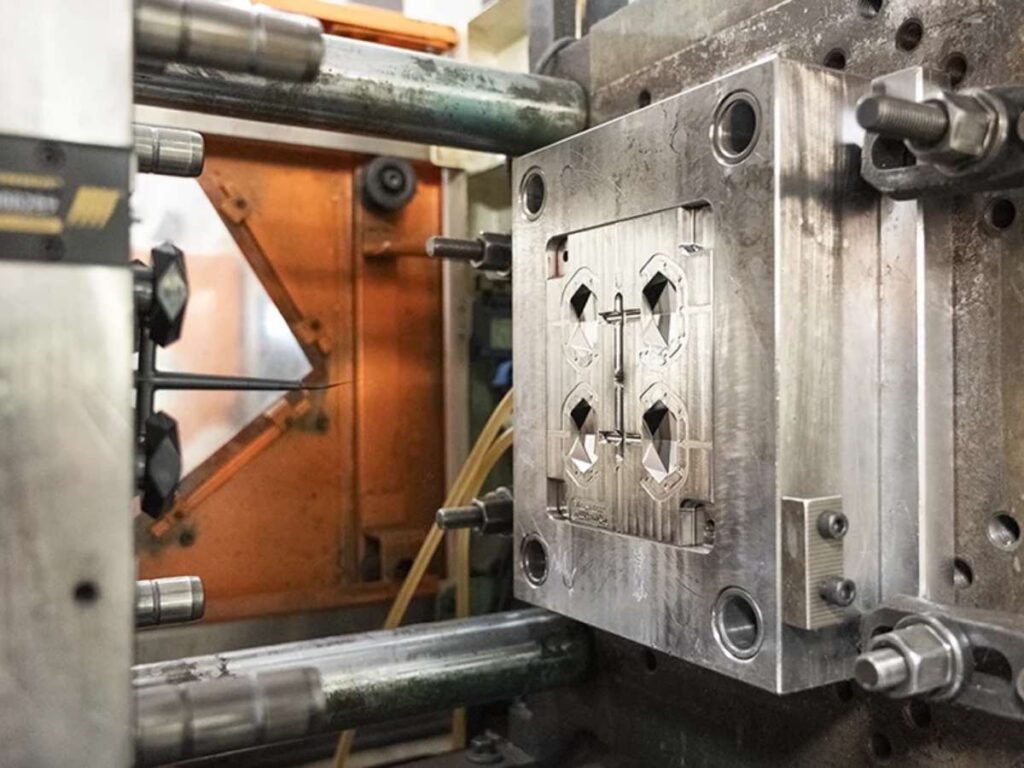
Insert molding is a process where plastic is molded directly around a solid component—called an insert—to form a single, bonded part.
That insert is often made of:
- Metal (brass, stainless steel, aluminum)
- Ceramic
- Threaded fasteners, pins, or electrical contacts
Once the insert is placed into the mold, molten plastic fills the cavity around it. When the plastic cools and solidifies, the insert becomes permanently locked inside.
I like to describe it as “wrapping the insert in structure and strength.” It gives you the best of both materials in one clean package.
Why Does This Work So Well?
The real magic comes from how the plastic mechanically locks or thermally bonds to the insert. Depending on the materials you choose, the plastic can either:
- Grip the insert with pressure and shape
- Chemically fuse to the surface if the materials are compatible
- Or both
To get that bond right, you need:
- Inserts with good surface texture or undercuts
- Plastic with the right shrinkage and flow characteristics
- Tight control of mold temperature and injection speed
I’ve had parts fail because the insert was too smooth—plastic couldn’t grip it. We switched to a knurled insert, and suddenly the bond held tight.
The Result?
You get a part that’s:
- Stronger (metal inside, plastic outside)
- More compact (no fasteners or glue)
- Ready to use right out of the mold
It cuts out post-assembly steps entirely—saving you time, labor, and potential points of failure.
And yes, insert molding is flexible. You can embed:
- Threads
- Bushings
- Contacts
- Heat sinks
- Sensors
As long as the insert can handle the injection pressure and heat, you’ve got options.
3. Advantages of Insert Molding
Insert molding became a game-changer for me once I understood what it could really do. At first, I thought it was just about saving assembly time. But the benefits went much deeper.
Here are the key advantages—based on what I’ve learned from real mistakes and real wins:
Combines Multiple Parts into One
Insert molding allows you to mold plastic directly around a preformed insert, usually made of metal. This creates a single, finished component instead of two or more pieces you’d otherwise have to glue, screw, or press together.
What that means for you:
- Fewer parts to manage
- No need for adhesives or fasteners
- Lower risk of assembly error
I worked on a connector housing where we originally used three separate parts and glued them by hand. Switching to insert molding cut that to one part—and removed a quality control headache we didn’t miss.
Reduces Time and Labor on the Floor
One molded part means less assembly, less handling, and fewer machines involved.
- No manual alignment
- No extra fixtures or tools
- Faster production cycles
Delivers a Stronger Final Product
The plastic doesn’t just sit next to the insert—it wraps around it tightly, forming a bond that stands up to:
- Vibration
- Repeated use
- Mechanical stress
This is especially useful for:
- Power tools
- Automotive clips
- Electronic connectors
I’ve seen parts that used to loosen or shift in the field hold firm after switching to insert molding. It’s one of those changes that pays off quietly—but powerfully.
Enables Cleaner, Smaller, Smarter Designs
Without needing to plan for fasteners, adhesives, or joints, your design can be:
- More compact
- Lighter
- Visually cleaner
And since the part comes out of the mold complete, it looks professional—no screws, no seams, no exposed edges.
You can also better protect the insert itself, whether it’s a threaded bushing or a contact pin, by fully enclosing it in plastic.
Insert molding doesn’t just streamline production—it helps you build stronger, cleaner parts that stand up better in the real world.
4. Materials Commonly Used in Insert Molding
I used to think insert molding was all about dialing in the process—get the tooling right, set the right temp, and you’re golden. But, no. It’s not.
Here’s a list of the materials I’ve had the most experience with—and why they tend to work well.
Brass Inserts
Brass is one of the most reliable metals use in insert molding. It resists corrosion and machines cleanly, making it great for threaded fasteners or electrical connectors. It holds its shape during molding and bonds well with most plastics. If you’re doing electronics or small appliance parts, this is probably what you want.
Stainless Steel
When need strength and resistance to heat or chemicals, stainless steel gets the job done. It’s tougher to machine than brass, but it won’t back down under pressure. I’ve seen it perform well in medical devices, automotive systems, and anywhere a part has to take abuse over time.
Aluminum
Aluminum is best when you want to keep parts light. It doesn’t always bond as tight as steel or brass, but when weight matters more than brute strength, aluminum fits the bill. I’ve used it in drone housings, handheld devices, and lightweight covers where every gram makes a difference.
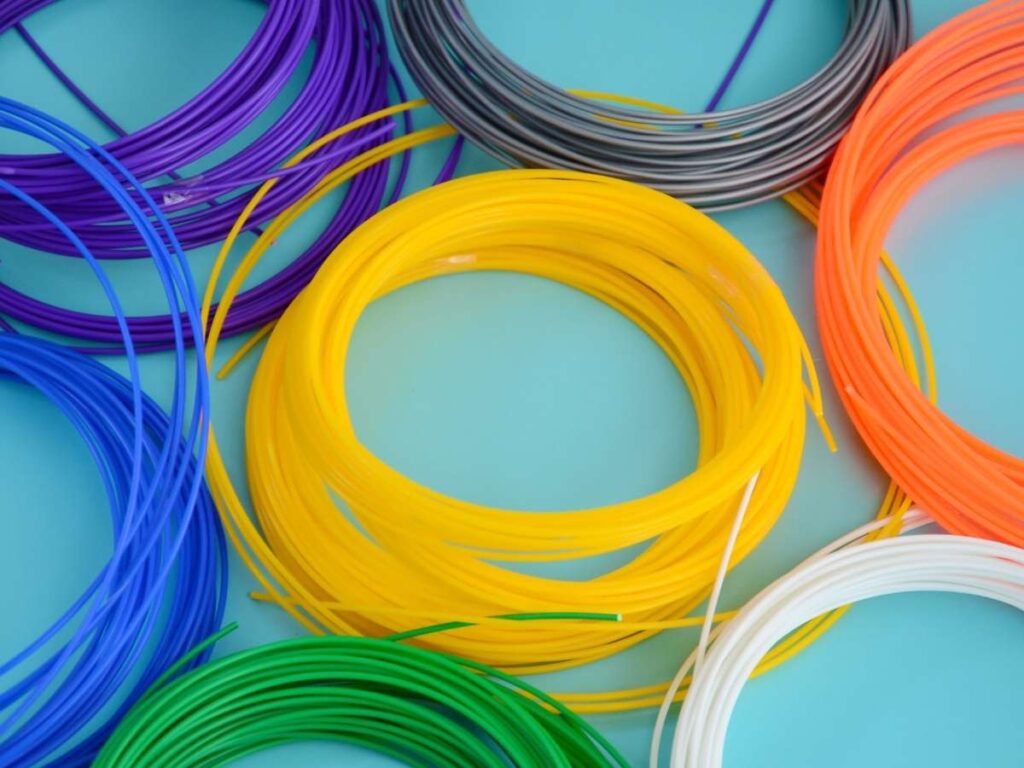
ABS (Plastic)
ABS—short for Acrylonitrile Butadiene Styrene—is a solid plastic choice. It’s durable, molds easily, and plays well with metal inserts. I use it a lot when I need quick cycle times and a clean finish, like on consumer products, dashboards, or even toys that still need to handle daily abuse.
Choosing the right combination of insert and plastic isn’t just about compatibility—it’s what makes your parts perform, last, and pass inspection the first time.
5. Design Considerations in Insert Molding
Insert molding isn’t just about combining metal and plastic. It starts with design—and getting that part right saves a lot of trouble later.
The truth is, insert molding needs careful thinking before the first tool is cut. Below are some key design tips that have helped me—and many teams I’ve worked with—build better parts.
Insert Fit and Placement
Make sure the insert fits tightly into its slot in the mold. Too loose, and it can shift. Too tight, and you risk mold damage.
Designing a small interference fit—where the plastic grips the insert—helps keep it locked in place after molding. If your design allows, use flat surfaces where the insert meets the plastic. That reduces stress points and improves bonding.
Material Compatibility
Not all plastics bond well with all metals. Some combinations can lead to weak joints, warping, or surface defects that affect part performance. That’s why I always test material pairs early—before locking in tooling or production timelines.
Nylon tends to bond well with brass and stainless steel, while ABS is easier to work with but performs best with inserts that can handle higher temperatures.
Good bonding always starts with the right material match. At MachMaster, they can help you review material choices early, so every project starts with a solid foundation—no guesswork, no unnecessary delays.
Mold Design for Insert Holding
During molding, inserts can move if not held properly. That’s why mold design must include features that keep them steady.
Some options include:
- small locating pins
- magnet holders
- mechanical traps
I’ve used all three, depending on part size and insert weight. The goal is simple: stop the insert from shifting during injection.
Wall Thickness and Flow Paths
Plastic needs to flow smoothly around the insert. That means:
- keeping even wall thickness
- avoiding sharp corners
- adding venting if needed
Thin walls cool too fast. Thick ones invite sink marks or warping. If you’re aiming for clean results, balance your flow paths.
Smart design upfront prevents misalignment, bonding issues, and costly rework—making insert molding efficient from the very first shot.
6. Common Applications of Insert Molding
To be honest, I didn’t expect to see it show up in so many different industries. But after years of manufacturing parts—from single prototypes to full production runs—I’ve seen firsthand how this process solves real problems.
Here’s where insert molding has consistently delivered results for us and our clients:
Consumer Electronics
From USB connectors to phone chargers and earphone jacks, insert molding allows tight integration of metal contacts within compact plastic housings. It enhances:
- Durability under repeated use
- Space efficiency for miniaturized designs
- Aesthetic quality with clean, sealed finishes
If you’re designing portable electronics, this method helps you build smaller, stronger, and cleaner assemblies that stand up to daily handling.
Automotive Components
Insert molding is widely used in manufacturing:
- Knobs and dials
- Fastening clips
- Control panel housings
- Brackets and bushings
These components must withstand vibration, temperature changes, and long-term stress. Insert molding forms a secure plastic-to-metal bond that won’t loosen over time—reducing part failure and vehicle weight simultaneously.
Automotive engineers benefit from fewer parts, stronger assemblies, and simplified production.
Medical Devices
Insert molding meets the strict requirements of medical manufacturing, particularly for:
- Syringe components
- Surgical handles
- Diagnostic housing units
This process allows precise control over dimensions and finish, minimizing gaps and sharp edges. Plus, it supports FDA-grade materials and sterilization compatibility.
If you’re developing medical products, insert molding is an ideal choice when reliability, hygiene, and precision are non-negotiable.
Power Tools and Industrial Equipment
Power tools and heavy-duty equipment often rely on insert molding for:
- Trigger mechanisms
- Connector housings
- Grip-enhanced tool handles
The tight fit between plastic and metal components results in better ergonomics and structural strength. Parts resist moisture, heat, and wear—key for field tools and factory machinery.
Industrial designers choose insert molding for performance under pressure and repeat usage.
No matter the industry, insert molding delivers the strength, precision, and space savings today’s high-performance products demand.
7. Challenges and Solutions in Insert Molding Process
In insert molding, even small mistakes can lead to big problems. I’ve dealt with shifted inserts, weak bonds, and warped parts—sometimes all in one project.
Below is a simple table showing the most common challenges I’ve faced, and what actually worked to solve them:
| Challenge | Solution |
| Insert Misalignment | Add guide pins, mechanical traps, or magnetic holders to keep the insert fixed during molding. |
| Poor Bonding Between Materials | Choose compatible materials and use inserts with grooves or textures to improve grip and bonding. |
| Warping and Shrinkage | Maintain even wall thickness and use cooling channels to control temperature and reduce part stress. |
| Flash and Leaks | Increase clamp force and clean mold surfaces regularly to prevent gaps where plastic can escape. |
| Damage During Ejection | Relocate ejector pins to stronger areas and add draft angles to allow the part to release smoothly. |
| Insert Floating or Shifting | Tighten the insert pocket tolerance and reduce injection speed slightly to avoid movement during fill. |
| Short Shots | Raise injection pressure or temperature to improve flow, especially for parts with thin walls. |
| Weld Lines Around Inserts | Adjust gate location and mold temperature to improve flow direction and material bonding. |
| Overheating Inserts | Preheat inserts gently or use materials with better heat resistance to prevent cracking or distortion. |
| Cycle Time Delays | Optimize cooling time and material selection to avoid long cycles that slow production. |
| Voids or Air Traps Near Inserts | Add proper venting or reposition gates to let trapped air escape as plastic flows around the insert. |
| Surface Defects on Plastic | Keep insert surfaces clean and consider mold polish or surface coatings to improve the finish. |
Every challenge on this list came from real trial and error. Some were solved with small tweaks, others took full redesigns. But once each issue was addressed, the process became much more predictable.
8. Factors to Consider When Choosing an Insert Molding Services
Choosing the right insert molding partner can make or break your project. A capable supplier will flag issues early and offer practical solutions. The wrong one? They may create problems that cost you time and budget.
Here’s what you should look for before committing to any insert molding service:
Proven Track Record in Multiple Industries
Working with a provider that has experience across industries—like automotive, medical, electronics, and industrial equipment—means they’ve likely solved a wide range of technical challenges before. That kind of background builds trust, especially when working with complex shapes, tight tolerances, or unfamiliar materials.
At MachMaster, they’ve supported a wide range of applications, giving us the perspective to guide projects with confidence and avoid the mistakes others might overlook.
Support for Prototyping and Low-Volume Runs
Not every project starts with high-volume production. If you need a few parts for testing, design validation, or early field trials, find a service that supports low-volume runs. This gives you flexibility during development—and room to make changes without major tooling delays.
It’s something I’ve leaned on when working with startups or companies launching new product lines.
Certifications and Process Documentation
When your part has to meet safety or performance standards, guesswork isn’t an option. You want a shop that’s organized, accountable, and documented.
Look for:
- ISO 9001 certification
- Material traceability systems
- Standardized inspection and reporting processes
Don’t just ask if they’re certified—ask how they handle non-conformances or process changes. If they can’t answer clearly, think twice.
Local Support or Global Reach
Sometimes, you’ll want local support—someone who can walk the floor with you, review samples, or troubleshoot in person. Other times, you’ll need global scale—especially when it comes to international shipping or managing long-term supply chains.
Working with a service that offers both gives you flexibility, faster feedback, and fewer communication issues down the line.
Conclusion
That first factory visit? I had no idea what I was looking at.
Now, you’ve got what I was missing—real clarity on what insert molding is and why it matters.
You’ve seen the process, the parts, and how it fits into real products.
You’ve got the tools. The knowledge. The reason to get it right.
So, what are you waiting for?
Need help figuring out if it fits your part?
MachMaster is here to support your next project with precision and experience that saves time and money.
Contact us today—and let’s build something that works the first time!
Discover More Options
There’s so much more to discover! Check out our other products and find what fits your needs:
Still haven’t found what you’re looking for? Don’t hesitate to contact us. We’re available around the clock to assist you.