
I still remember the plastic sample part sitting on my desk.
It looked great. Clean lines. Perfect fit.
But the mold? That was another story.
I had no clue what it would cost, how long it would take, or if it even made sense to build it. The quotes I got were all over the place. Some didn’t include key details. Others sounded too cheap to trust.
That’s when I realized—I couldn’t move forward until I understood how injection mold tooling really works.
If you’re in the same boat—staring at your design and wondering if mold tooling is the right next step—this guide is for you.
I’ve worked on both sides of the table. As a buyer, trying to get clear answers. And as someone helping others avoid the same mistakes I made.
In this guide, I’ll show you:
- What mold tooling is
- When it makes sense
- And how to figure out if it fits your product, timeline, and budget
By the end, you’ll have a clear plan and the confidence to move forward.
So let’s start!
1. What Is Injection Mold Tooling?
When I first heard the term injection mold tooling, I thought it was just a fancy way of saying “plastic parts.” But I was wrong.
Injection mold tooling isn’t the part. It’s the tool that makes the part. And that difference matters more than I knew at the time.
What It Actually Means
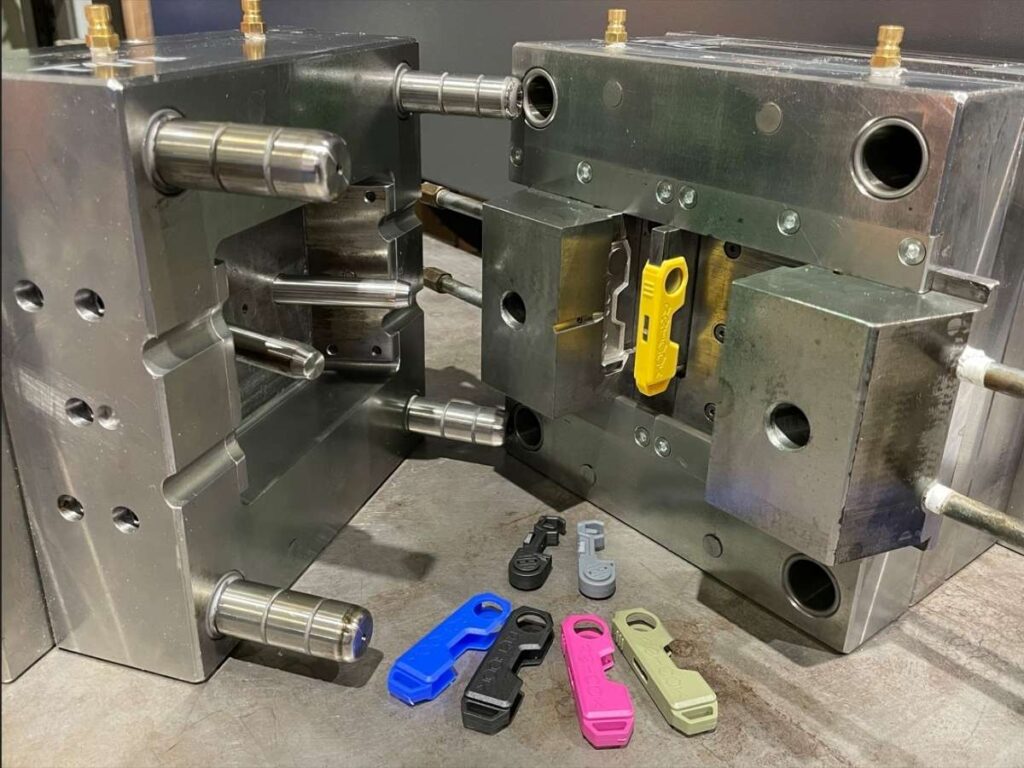
Injection mold tooling is the metal mold that shapes molten plastic into a finished part.
Here’s how it works:
- A mold is made out of steel or aluminum.
- That mold is loaded into an injection molding machine.
- Heated plastic gets injected into the mold under pressure.
- Once it cools, the mold opens, and the solid part pops out.
You can think of it like a waffle iron. Iron is a tool. The waffle is the part. You need the right tool to get the shape and texture you want.
Mold vs. Part
It’s easy to mix them up.
The mold is a one-time build. It’s usually the most expensive part of the process.
The part is what you make using that mold—again and again.
So if you plan to make 10,000 or 100,000 parts, you’ll use the same mold every time. That’s why tooling is such a big deal. It’s a long-term investment.
Why It Matters
I once worked on a project where we skipped the proper mold and went for a cheaper option. At first, it seemed fine. But over time, we noticed defects—thin edges, warped shapes, parts that didn’t fit together right.
We had to remake the mold from scratch. That delay cost us two months. And it doubled our tooling budget.
Here’s what I learned:
- A good mold gives you clean, accurate parts.
- A bad mold creates mistakes you’ll pay for later.
- Tooling affects part quality, speed, and cost for every single unit you make.
If you’re serious about making plastic parts at scale, tooling is the first decision that shapes everything after.
And it starts with understanding what the tool is and what it isn’t.
2. How Long Does Mold Tooling Take?
I used to think once I paid for the mold, the factory would just get to work and I’d have parts in hand the next week.
That didn’t happen.
Instead, I waited. And waited. Then found out we were stuck waiting for a DFM approval I hadn’t signed off yet.
That delay cost us two weeks and pushed everything back.
If you’re planning injection mold tooling, understanding the timeline matters. It’s not just about how long it takes to build the tool. It’s about how long each step takes and how you can keep things moving.
Standard Lead Time
In most cases, mold tooling takes 2 to 6 weeks.
The exact time depends on a few things:
- Part complexity
- Type of mold (aluminum is faster than steel)
- Factory location
- Communication speed (especially during reviews)
Simple parts might only take 2–3 weeks. More detailed molds with moving parts, textures, or inserts can take longer.
Process Timeline
Here’s a basic breakdown of how the timeline usually looks:
Week 1: DFM and Design Approval
The factory sends a DFM (Design for Manufacturability) report
You review and approve the mold design
This step is key. The faster you approve, the faster your tooling starts. Delays here push everything back.
Week 2–4: Mold Tooling Build
The factory machines and assembles the mold
Internal checks are done before running any plastic
If changes are made during this phase, expect delays.
Week 5+: T1 Samples and Revisions
- The factory makes the first test shots (called T1 samples)
- You check the part for defects
- If needed, the mold is adjusted
In some cases, revisions are quick. But if there’s a big issue—like the part not fitting, it could take another week or more.
3. Materials Used in Injection Mold Tooling
I used to think plastic was just plastic.
But once I started working with mold tooling, I learned fast the materials you choose for both the mold and the plastic matter more than you’d expect.
Pick the wrong ones, and your part might warp, crack, or not fit at all. I’ve seen it happen. And I’ve made those mistakes myself.
Let’s break it down, so you don’t have to learn the hard way.
Tool Materials
Tooling materials are what the mold itself is made from. These are usually metal, and they fall into two main categories:
Aluminum
- Good for testing, prototypes, and small production runs
- Faster to machine, which means faster lead times
- Lower cost upfront
- Wears out quicker, especially if you’re making a lot of parts
I once used an aluminum mold for a test run of 500 pieces. It worked great. But when we pushed it to 5,000, the wear and tear started showing. That mold didn’t survive the next project.
Steel (P20, H13)
- Used for high-volume, long-term production
- Harder and more durable than aluminum
- Takes longer to make
- More expensive upfront, but cheaper per part over time
If you plan to make tens of thousands or more steel is usually the better option.
Part Materials (Plastic Resins)
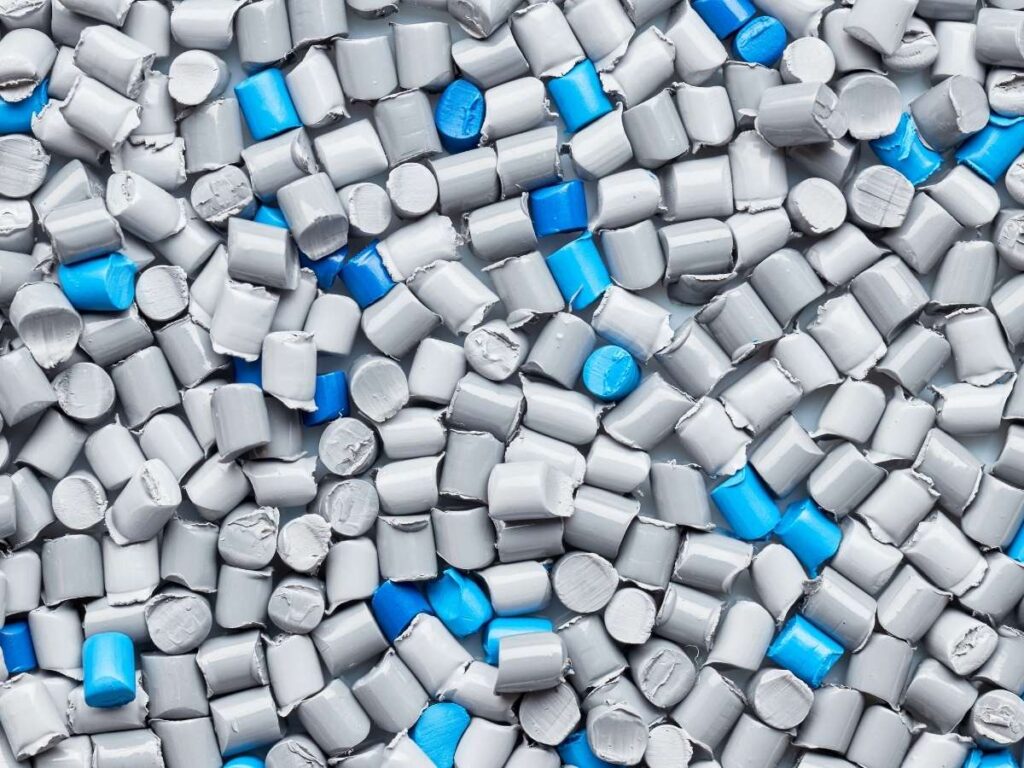
This is the plastic that gets injected into the mold. Each type has different properties. Here’s a quick guide:
- ABS: Strong, impact-resistant, used for cases and covers
- Polypropylene (PP): Flexible, good for living hinges and containers
- Nylon: Tough and wear-resistant, used for mechanical parts
- Polycarbonate (PC): Clear and strong, but more brittle
Each resin flows and shrinks differently. That means your mold design needs to match the material.
If you switch materials later, say from ABS to Nylon, you might notice fit problems. Even a small change in shrinkage can throw off your part dimensions.
Choosing the right materials isn’t just about performance.It affects price, lead time, and how many parts your tool can make.
The good news? Once you know your part’s job and how many you need it’s easier to pick the right combo.
4. Design Considerations for a Mold-Ready Part
Good mold tooling starts with a good part design.
You can have the best material. The best factory. The best mold shop. But if your part isn’t mold-ready, you’ll run into problems.
Delays. Rework. Added costs.
The good news? You can avoid most of that with a few smart design choices. Let’s break it down.
DFM (Design for Manufacturability) Tips
Here are some simple changes that make a big difference when prepping your part for injection molding:
- Add draft angles: Add 1–3° of angle to walls that slide against the mold. This helps the part release smoothly. No draft = stuck parts = damaged tools.
- Keep walls the same thickness: Thick and thin areas cool at different rates. That causes sink marks or warping. Try to keep walls even throughout your design.
- Round the corners: Sharp corners create stress. They also slow down how plastic flows into the mold. Use small radii instead of hard 90° turns.
These tips help make the mold easier to build and the part easier to make.
Common Mistakes to Avoid
I’ve seen it happen. A beautiful 3D model gets sent to a tooling supplier straight from CAD or a 3D print file. And then the problems start.
No draft. Thin spots. Overlapping features that can’t be molded.
Here are some common traps:
- Forgetting draft: It’s one of the most overlooked details. Parts that look fine on screen might jam inside the mold without proper angles.
- Too much detail: Complex designs cost more to mold. Sometimes, simple changes like combining features or removing deep undercuts—save thousands.
- Using “as-is” 3D print files: Just because it printed doesn’t mean it can be molded. 3D printers don’t need draft, and they don’t care about mold flow.
Designing for injection molding doesn’t mean changing your whole part.
But it does mean thinking about how the mold works. A few small updates early in the process can save time, money, and headaches down the road.
5. How Much Does Injection Mold Tooling Cost?
This is one of the first questions people ask and for good reason.
Mold tooling is a big investment. It’s often the most expensive part of getting a new plastic part made.
But here’s the thing: the cost isn’t just one number. It depends on what you’re making, how many parts you need, and how complex your design is.
Let’s check below.
Factors That Affect Cost
Several things can change the price of your mold:
- Mold material
- Aluminum is cheaper and faster to machine
- Steel lasts longer but costs more
- Part complexity
- Undercuts, slides, and special features add cost
- Textures or logos also increase machining time
- Number of cavities
- A single-cavity mold makes one part per shot
- Multi-cavity molds cost more but produce faster
The more you want out of the mold, the more time and precision it takes to build.
Typical Price Ranges
Here’s what you can usually expect:
- Aluminum mold (simple): $2,000 to $5,000
- Steel mold (complex, production-ready): $10,000 to $50,000 or more
You might find cheaper quotes overseas. Sometimes they work out. Other times, you get a mold that needs fixing after the first trial.
What’s Included in a Quote
It’s important to know what you’re paying for. A full mold tooling quote should include:
- Mold design (including DFM)
- Tooling (material, machining, assembly)
- T1 samples (first test parts from the mold)
- Shipping and taxes
- Ownership terms (make sure you keep the tool if you’re paying for it)
I once accepted a low-cost quote that looked great until I found out the supplier owned the tool. When I tried to switch factories later, I had to start over.
Now I always ask what’s included.
Tooling costs can feel high. But if you get the right mold one that runs clean and lasts it can pay for itself over and over again.
6. Maintenance and Lifespan of Injection Molds
It’s easy to think the job is done once the mold is built. But that’s just the start.
Injection molds are tools like any tool, they wear down over time. And if you don’t take care of them, they wear down faster.
Understanding how long molds last and how to keep them running can save you money and stress down the road.
Typical Mold Lifespans
Different mold materials have different limits. Here’s a general guide:
- Aluminum: 5,000 to 20,000 shots
- P20 Steel: Up to 100,000 shots
- Hardened H13 Steel: 500,000+ shots
These numbers vary based on part shape, plastic material, and how well the mold is maintained.
If you’re only planning a short run, aluminum may be fine. But for big production numbers, you’ll want steel.
Maintenance Includes
I worked with a supplier who didn’t clean a mold properly between runs. The resin left buildup inside. A few cycles later, the parts had marks and rough spots. We lost a week fixing something that could’ve been avoided with a rag and oil.
Here’s what regular mold maintenance looks like:
- Cleaning the mold surface after every run
- Lubricating moving parts to prevent sticking
- Inspecting for wear, cracks, or scratches
- Repairing or refurbishing before problems grow
Maintenance isn’t hard—but it’s easy to skip. And when it’s skipped, small problems become expensive ones.
Tip: Ask About Mold Care
If your supplier is storing the tool, ask them two things:
- How often do they clean and inspect it?
- Where and how is the mold stored between runs?
Some shops keep molds in clean, temperature-controlled areas. Others leave them sitting on shelves. That difference affects how long your mold lasts.
A good mold can run for years. But only if it’s treated right. Regular care helps protect your investment—and keeps your parts coming out clean every time.
7. How to Choose the Right Injection Mold Tooling Supplier
Picking a mold supplier isn’t just a box to check. It can make or break your project.
I’ve worked with great suppliers who kept things moving clear quotes, fast updates, no surprises. And I’ve worked with others who went silent for weeks, delivered bad samples, and blamed us when things went wrong.
If you’re a business owner or in procurement, choosing the right supplier saves time, money, and stress.
Here’s what to look for.
What to Look For
A good supplier does more than just build molds. They work with you to make the right one.
Look for suppliers who offer:
- Experience with your product type – If they’ve built similar parts before, they’ll spot problems early
- DFM support – They should help you improve your design, not just quote it
- Transparency – Clear pricing, timelines, and communication
- Certifications – ISO 9001 or other quality systems show they follow process
- Case studies or samples – Real examples help you see what they’ve done
This is where MachMaster has stood out in my experience. With over 500 global customers and deep experience across electronics, medical devices, and automation, they’ve handled both small runs and large volumes—without missing a beat. Their DFM feedback has helped us catch issues before tooling even started.
Questions to Ask Suppliers
I once had a supplier change the mold material without telling us. They used cheaper steel, and it wore out fast. That one switch cost us thousands to fix.
Now, I ask every supplier these three questions:
- What materials do you use for molds? (And can I choose?)
- How do you handle revisions? (Will they charge for changes?)
- What’s your average mold lifespan? (Based on what material and resin?)
Their answers will tell you how much they know—and how they treat their customers.
Getting a good mold starts with picking the right partner.
Take time to ask questions. Look at their past work. And make sure they help you understand the process, not just sell you a tool.
Conclusion
We’ve walked through the whole journey from understanding mold tooling to choosing a supplier who won’t let you down.
I’ve been through the delays, the misquotes, the bad designs. And I’ve seen what happens when things finally go right.
You have that chance now.
- Know the process
- Avoid traps
- Build with confidence
So are you ready to get started?
Reach out today. We’ll help you figure out what’s possible—no pressure, just real answers.
Explore More of Our Resources
If you’re searching for more choices, explore our full collection of products. We’ve picked out some great options for you:
Still haven’t found what you’re looking for? Don’t hesitate to contact us. We’re available around the clock to assist you.