
I once ruined a whole batch of parts thinking I could anodize mild steel.
It turned brown, crusty, and completely unusable.
That day taught me something I never forgot. If you don’t know which metals can be anodized, you’re throwing time and money away.
I’ve been working with CNC shops and fabrication teams for years. I’ve seen the good, the bad, and the corroded. So when I talk about anodizing, it comes from real experience—not theory.
If you’re here, you probably want to know which metals take anodizing well—and which don’t. That question can save your project.
In this article, I’ll walk you through which metals can be anodized, which ones can’t, and why it matters. By the end, you’ll be able to choose your materials with confidence.
Let’s dive in!
Quick Chart
Here’s a high-level look at the metals we’ll explore in this guide. Think of this as your fast-reference sheet—before we break each one down with stories, insights, and practical know-how.
| Metal | Color Potential | Key Features | Common Applications |
| Aluminum | High (with dye) | Lightweight, durable, colorable, non-conductive | Electronics, auto parts, cookware, architecture |
| Titanium | High (interference) | Color via voltage, biocompatible, corrosion-resistant | Jewelry, medical tools, aerospace, art |
| Magnesium | Low to moderate | Lightweight, thermally conductive, corrosion barrier | Aerospace, electronics, motorsports, defense |
| Zinc | Very limited | Fragile oxide, poor dye adhesion, PEO options | R&D, design pieces, test coupons |
| Niobium | High (interference) | Biocompatible, low maintenance, formable | Jewelry, sensors, medical tools, art |
| Zirconium | Subtle tones | Acid-resistant, nuclear safe, durable oxide | Chemical equipment, implants, nuclear, jewelry |
| Tantalum | Low to moderate | Dielectric, acid-resistant, biocompatible | Capacitors, implants, aerospace, lab tools |
Let’s move into the details now—each metal has its own personality, and it’s time we get to know them better.
1. Aluminum
Aluminum is the most widely anodized metal in the industry. It’s lightweight, affordable, and easy to work with. But what makes it stand out is how well it responds to anodizing. The oxide layer formed during anodizing becomes part of the metal, not just a coating.
This layer can be clear or dyed and adds durability to parts without changing the basic shape or size. I’ve personally worked on thousands of aluminum parts—anodizing gives them the consistent, clean look many clients ask for.
Key Features
- Corrosion Resistance: The anodized layer protects aluminum from moisture and harsh chemicals.
- Color Customization: Type II anodizing allows aluminum to absorb dyes for decorative finishes.
- Increased Surface Hardness: Especially in Type III hardcoat, aluminum resists wear better.
- Non-Conductive Finish: The oxide layer insulates the surface—useful in electronics.
- Better Adhesion for Paint and Glue: Anodized surfaces bond better with other coatings.
Types of Aluminum That Can Be Anodized
Different aluminum alloys respond to anodizing in different ways. Some yield smooth, bright finishes, while others may discolor or react unevenly. Here are common alloys used for anodizing:
- 6061: One of the best all-around alloys for anodizing—great finish and dye uptake.
- 5052: Acceptable finish, though it can appear slightly darker and may not take dye as evenly.
- 3003: Often used in architectural applications, good for clear anodizing but not ideal for dyed finishes.
- 1050/1100: Pure aluminum grades that anodize very well but are softer and less durable.
- 7075: High strength but difficult to anodize well—may result in dark, blotchy finishes.
Applications of Anodized Aluminum
- Consumer Electronics: Laptop cases, phone shells, and camera parts use anodized aluminum for durability and style. At MachMaster, we offer precision anodizing services in this industry that help product teams achieve consistent finishes and meet production deadlines with confidence.
- Architectural Panels: Used in facades, window frames, and handrails for weather resistance and clean appearance.
- Automotive Parts: Components like trim, pedals, and housings benefit from the tough and sleek finish.
- Jewelry: Lightweight and available in multiple colors, anodized aluminum is often used in fashion pieces.
- Kitchenware: Cookware like pans and utensils are often anodized to resist stains and wear.
Anodized aluminum isn’t just functional—it’s reliable, attractive, and versatile across industries. Whether you’re prototyping a new consumer product, fabricating durable enclosures, or just want a clean, consistent finish that lasts, aluminum is one of the safest and smartest materials to work with when it comes to anodizing.
2. Titanium
Titanium is one of the few metals that creates bold, colorful finishes through anodizing without the use of dyes. Unlike most metals, it forms interference colors by adjusting voltage—not by applying pigment. This makes titanium finishes vibrant, durable, and fade-resistant.
The first time I handled anodized titanium, it was in a surgical toolset. The tools had distinct color codes to help nurses identify them instantly, and those rich purples and blues looked like nothing else. That moment sparked my interest in how anodizing could do more than protect—it could transform.
Key Features
- Color Through Interference: Color changes depending on voltage, not dye, so finishes won’t chip or fade.
- Bio-Compatibility: Titanium is safe for long-term contact with skin or tissue, which is why it’s used in implants.
- Oxide Layer Strength: The anodized layer adds wear resistance without making the metal brittle.
- Non-Toxic Surface: Great for environments where chemical leaching must be avoided.
- Controlled Decorative Effects: Designers can apply multiple voltage levels to create detailed, multicolor effects.
Types of Titanium That Can Be Anodized
While commercially pure titanium (CP Ti) anodizes most consistently, many titanium alloys can also be anodized with proper prep. Here are the most common types:
- Grade 1 (CP Ti): Softest, most ductile, and highly responsive to anodizing with vivid color.
- Grade 2 (CP Ti): Slightly stronger than Grade 1 and still excellent for anodizing.
- Grade 5 (Ti-6Al-4V): Very strong and commonly used, but can require more effort to get consistent color.
- Grade 9 (Ti-3Al-2.5V): Often used in aerospace and bike frames, and takes anodizing moderately well.
- Titanium Beta Alloys: These can be anodized but may display duller or inconsistent finishes.
Applications of Anodized Titanium
- Medical Implants: The material’s strength and compatibility make it ideal for permanent surgical use.
- Body Jewelry: Loved for its hypoallergenic qualities and the brilliant, customizable finish.
- Consumer Products: Pens, multi-tools, and gear built to last often feature titanium for its premium look.
- Art and Sculpture: Titanium lets artists explore metallic color without added coatings or paint.
- Aerospace Fasteners: Often color-coded to speed up installation and maintenance routines.
There’s something oddly satisfying about seeing raw titanium shift into brilliant colors—knowing it’s not painted but changed at a molecular level.
3. Magnesium
Magnesium is one of the lightest structural metals out there, making it highly valuable in industries where weight matters. But its natural reactivity makes finishing tricky. Unlike aluminum or titanium, magnesium needs a specific process—usually Dow 17 or HAE anodizing—to get stable, long-lasting results.
Key Features
- Surface Preparation Sensitivity: Magnesium’s reactive nature means pre-treatment must be exact for anodizing to succeed.
- Controlled Porosity: Anodized coatings can be made porous to help sealants and lubricants hold better.
- Oxidation Stability: The anodized layer helps control how magnesium reacts to air and moisture over time.
- Weight-to-Strength Ratio: With a hardcoat, magnesium retains its lightness while gaining protective toughness.
- Heat Dissipation: Maintains its excellent thermal conductivity post-anodizing, useful in electronic applications.
Types of Magnesium That Can Be Anodized
Not all magnesium alloys perform equally when anodized. Some are more receptive to the coating, while others require more preparation or offer lower performance. Here are some commonly anodized magnesium types:
- AZ31: One of the most frequently used alloys in commercial anodizing due to its balance of formability and corrosion performance.
- AZ91: Offers high strength and good casting properties; anodizes well with protective finishes.
- ZE41: Contains rare earth elements, making it more stable and easier to anodize.
- Elektron 21: Used in aerospace; anodizes well and has excellent corrosion and mechanical properties.
- AM60: While not as commonly anodized, it can be processed with proper surface prep for moderate protection.
Applications of Anodized Magnesium
- Aviation Interiors: Seat frames, trays, and casings where every gram matters and fire safety is critical.
- Portable Electronics: Magnesium is used in laptops, cameras, and enclosures that need to be both light and strong.
- Industrial Machinery: Components that require reduced weight and manageable corrosion resistance.
- Sports Equipment: High-performance gear like bike frames and power tools benefit from the weight savings.
- Military Gear: Tactical tools and portable hardware use anodized magnesium for mobility and durability
Magnesium isn’t the easiest metal to work with, but once the process is dialed in, it opens up possibilities for strength, weight savings, and solid protection that few other materials can match.
4. Zinc
Zinc is a metal that plays a major role in everyday manufacturing—often behind the scenes. It’s used for die casting, galvanization, and protective coatings. But when it comes to anodizing, zinc presents a unique challenge. I learned this the hard way while helping a client anodize custom connectors. We expected a clean protective layer. Instead, the finish turned dull and flaky. That project taught me how unforgiving zinc can be without the right method—and how many better alternatives exist for finishing this metal.
Key Features
- Limited Oxide Stability: Zinc forms an oxide layer, but it’s often uneven and fragile under anodizing conditions.
- Poor Acid Resistance: Traditional sulfuric anodizing baths tend to attack zinc, leading to powdery or patchy results.
- Requires Specialized Techniques: Plasma Electrolytic Oxidation (PEO) is sometimes used, but it’s not widely available.
- Low Dye Affinity: Zinc doesn’t hold color well through anodizing compared to aluminum or titanium.
- Risk of Surface Damage: Anodizing without careful control may degrade the part more than protect it.
Types of Zinc That Can Be Anodized
Zinc is rarely anodized, but some specific alloys and processes have seen limited experimental use:
- Zamak 3: Common die-casting zinc alloy; may be treated with PEO under research conditions.
- Zamak 5: Slightly stronger than Zamak 3, but not ideal for conventional anodizing.
- Zinc-Aluminum Alloys: Sometimes evaluated in labs with customized electrolyte blends.
- Pure Zinc: Poor candidate—very reactive and typically not anodized outside of lab trials.
Applications of Anodized Zinc
Although not widely adopted, anodized zinc has seen niche usage:
- Research Prototypes: Lab trials involving protective coatings in specialized environments.
- Test Coupons: Used to study corrosion and wear behavior in experimental surface treatments.
- Decorative Experiments: Artists or industrial designers sometimes explore anodized zinc for visual effects.
- Low-Stress Components: Non-critical parts where aesthetic treatment is more important than durability.
- PEO-Coated Fixtures: Rarely, zinc is finished using advanced PEO systems for surface conversion in controlled industries.
Zinc might not be the first choice for anodizing, and for most projects, it probably shouldn’t be. But knowing its limits—and those few edge cases—can help avoid wasted effort. I’ve been there, watching hours of work flake off in seconds. Sometimes, the smartest move isn’t to push a material to do something it doesn’t want to—but to choose one that does it naturally.
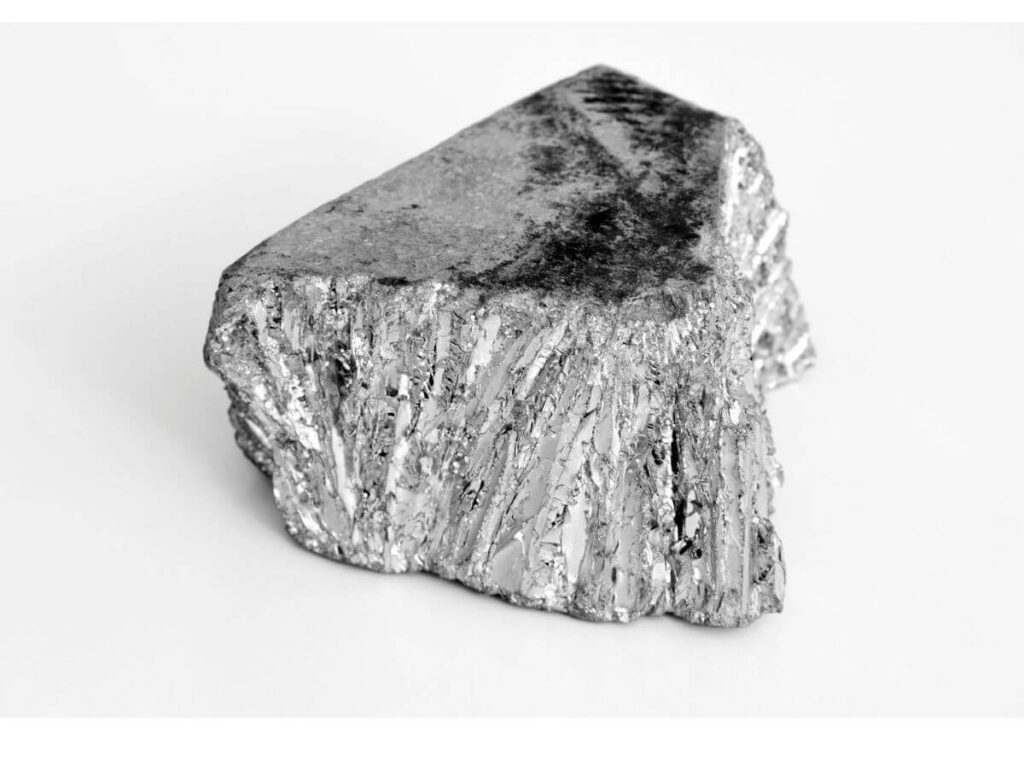
5. Niobium
Niobium often flies under the radar, but it’s a metal with stunning anodizing potential—especially for visual effects. Like titanium, it doesn’t rely on dyes. Instead, colors appear through interference, where the oxide layer created by anodizing changes how light reflects off the surface.
I first came across niobium in a jewelry workshop where the artist was working on a batch of custom earrings. The subtle blues, golds, and greens she got just by shifting voltage were unforgettable. That moment showed me that even less common metals can deliver remarkable results when understood and used correctly.
Key Features
- Interference Color Finish: Niobium delivers vibrant colors that won’t peel or fade because they aren’t applied—they’re created.
- Excellent Corrosion Resistance: It performs well in harsh environments like saltwater or chemical processing.
- High Biocompatibility: Safe for medical and wearable products, especially where skin contact is constant.
- Soft but Formable: Easy to shape without cracking, especially useful for custom, intricate pieces.
- Low Maintenance Surface: Once anodized, niobium holds its color and surface finish with minimal upkeep.
Types of Niobium That Can Be Anodized
While most niobium available is suitable for anodizing, purity matters:
- Commercially Pure Niobium: Provides the brightest, most consistent anodized finishes.
- Niobium Alloys (Nb-Zr, Nb-Ti): Can be anodized but may produce muted or less predictable color results.
- Reactor Grade Niobium: High-purity form used in scientific equipment, also performs well in anodizing trials.
Applications of Anodized Niobium
- Medical Devices: Used for implants and instruments due to its safety and resistance to body fluids.
- Jewelry and Wearables: Common in artisan rings, pendants, and earrings because of its color and comfort.
- Scientific Instruments: Corrosion resistance makes it valuable in labs handling reactive chemicals.
- Electrodes and Sensors: In niche electrical applications, anodized niobium supports stable conductivity and protection.
- Custom Artifacts: Artists and hobbyists use it for one-of-a-kind decorative projects that need both strength and color.
Niobium may not be in every shop or catalog, but when someone needs a colorful finish with high performance and safety, it steps up quietly but confidently. That quiet reliability, and surprising beauty is what makes it one of my personal favorites to work with.
So, need help to anodize this metal? At MachMaster, we bring expertise and equipment ready to handle materials like niobium with care and precision.
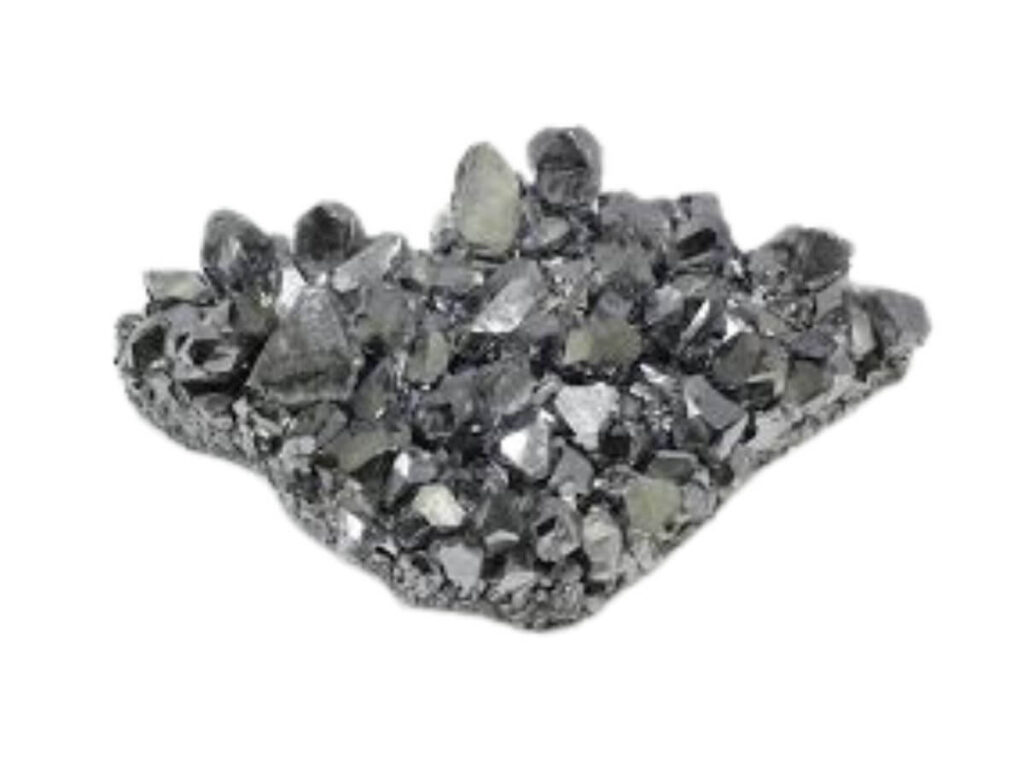
6. Zirconium
Zirconium isn’t a household name in fabrication circles, but it deserves more attention. It’s often chosen for extreme environments—like chemical plants or nuclear reactors—because of its outstanding corrosion resistance.
What I didn’t expect was how well zirconium can respond to anodizing when treated correctly. It forms a stable, hard oxide that offers serious durability and even takes on subtle colors under controlled conditions.
Key Features
- Exceptional Chemical Resistance: Withstands exposure to acids and solvents where most metals degrade.
- Hard Oxide Layer: Creates a dense anodized surface that holds up under mechanical wear.
- Low Thermal Neutron Absorption: Makes it ideal for nuclear-related components.
- Bio-Stable Properties: Shows promise in some medical and dental uses due to its tissue compatibility.
- Subtle Decorative Potential: Though not as vibrant as titanium, zirconium can produce gray-blue tones under voltage control.
Types of Zirconium That Can Be Anodized
Zirconium grades are typically chosen for corrosion and strength, but some are more amenable to anodizing:
- Zr 702: Commercially pure and widely used; responds well to anodizing.
- Zr 705: Alloyed with niobium; anodizes moderately well with proper surface prep.
- Zr-FZ: Reactor-grade material; very high purity, suitable for experimental finishes.
- Zirconium Alloys (Zr-Nb): Vary in finish consistency but often used in high-tech fields.
Applications of Anodized Zirconium
- Nuclear Applications: Fuel rod cladding and reactor components take advantage of its low neutron absorption and corrosion resistance.
- Chemical Processing Equipment: Pumps, valves, and heat exchangers resist strong acids and chlorides.
- Dental Implants: Increasingly used due to its strength and bio-compatibility.
- Jewelry and Art Pieces: Some custom designers use anodized zirconium for its sleek, dark finishes.
- Marine Hardware: Ideal in harsh saltwater environments due to long-term corrosion protection.
Zirconium may not be flashy, but it quietly does its job in the toughest places. That kind of dependability—especially with an anodized boost—is something I’ve come to deeply respect.
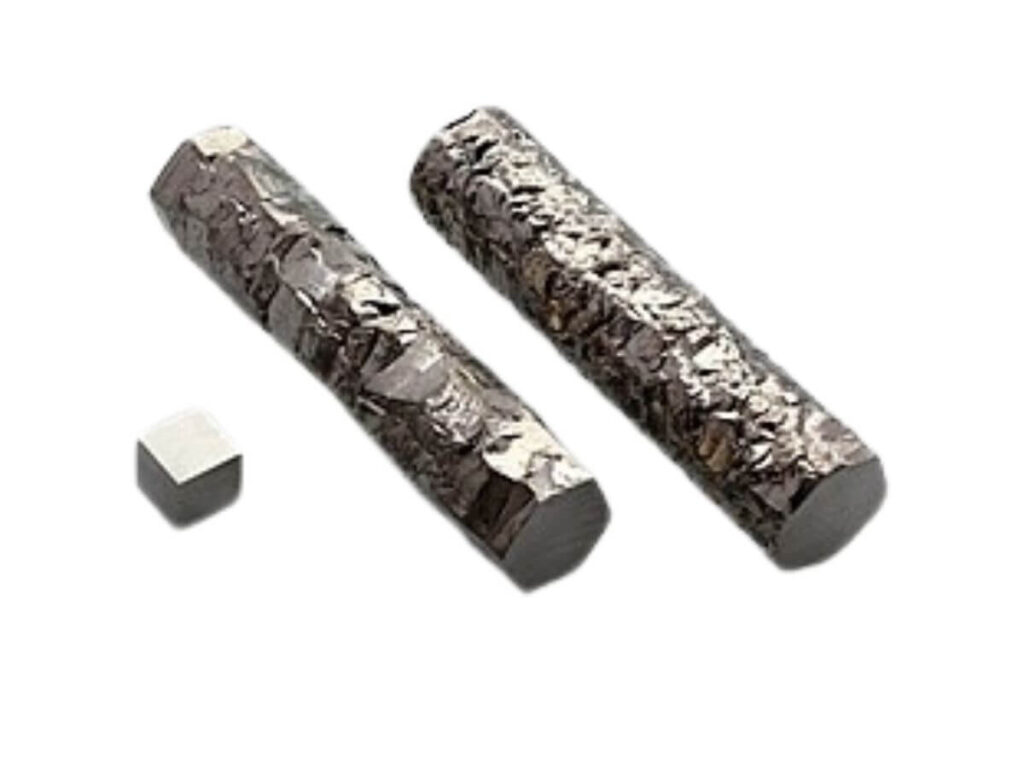
7. Tantalum
Tantalum isn’t a metal you see every day in most workshops, but it’s quietly doing big work behind the scenes. Known for its excellent corrosion resistance and electrical properties, tantalum shows up in places where failure isn’t an option—like surgical implants or capacitors.
I remember a colleague commenting on how oddly heavy a tantalum piece felt in their hand. We had to double-check it wasn’t mislabeled. That small moment made us pause and appreciate the substance behind the material—especially once we saw the anodized finish reveal a soft, gray-blue tone that felt both functional and refined. That unexpected transformation made me take this rare metal a lot more seriously.
Key Features
- Dielectric Strength: Anodized tantalum forms a strong insulating layer ideal for electronic applications.
- Corrosion Resistance in Acids: Even aggressive chemicals don’t easily break through its anodized surface.
- High Melting Point: Holds stability in extreme heat environments, especially in aerospace and research labs.
- Stable Oxide Layer: The anodized coating remains durable under both physical and chemical stress.
- Non-Allergenic Properties: Like titanium, tantalum is well-tolerated by the human body for implants.
Types of Tantalum That Can Be Anodized
Tantalum is usually used in its pure form or in specific grades for high-performance needs:
- Capacitor Grade Tantalum: High purity, excellent for thin anodic layers in electrical components.
- Medical Grade Tantalum: Biocompatible and clean; used for implants that are later anodized for surface control.
- Sintered Tantalum: Powder metallurgy form; often anodized during capacitor manufacturing.
- Tantalum Alloys (Ta-W): May anodize with care, though oxide properties may differ from pure grades.
Applications of Anodized Tantalum
- Medical Implants: Plates, screws, and dental posts benefit from corrosion resistance and bio-compatibility.
- Capacitors: Widely used in electronics for stable, compact charge storage.
- Aerospace Components: Tantalum can handle heat and corrosive fuels found in jet engines.
- Laboratory Equipment: Resists chemical attacks in extreme testing environments.
- Jewelry and Watchmaking: Rare, but prized for its durability and soft gray anodized aesthetic.
Tantalum doesn’t show off. It does its work in quiet, demanding environments—and does it well. That sense of reliability, even in small parts, is what makes it such a respected material in the hands of those who truly understand its value.
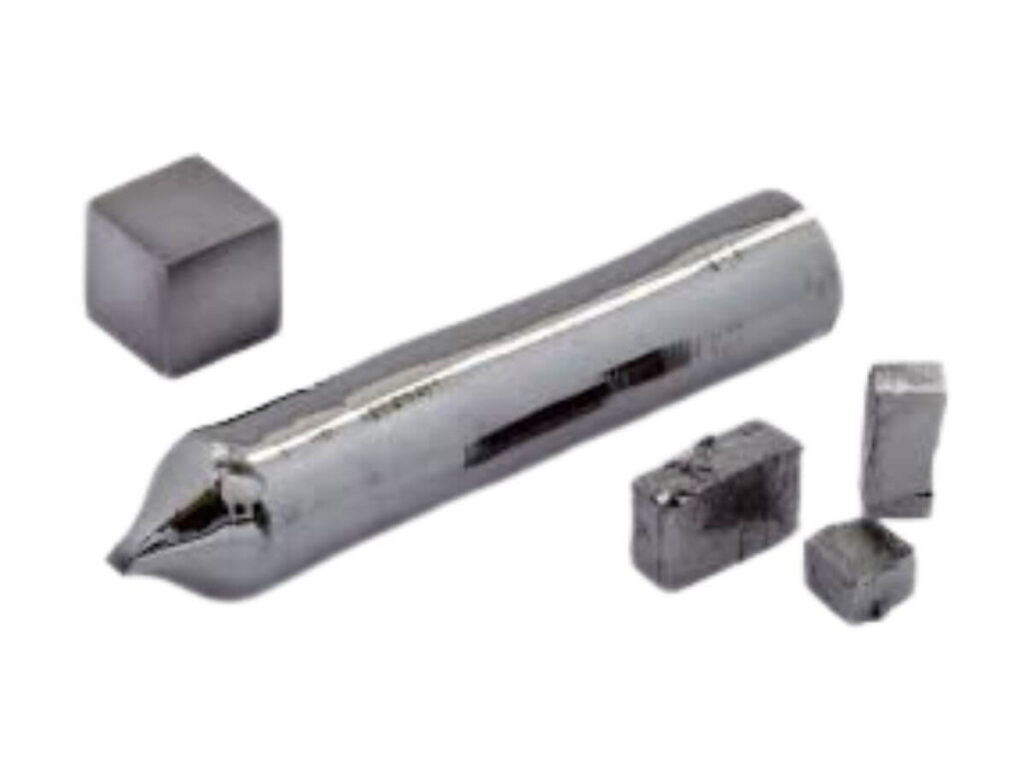
Conclusion
I once ruined a batch of parts. Now? I guide others so they don’t.
This article walks you through what metals work, which don’t, and how to choose smarter. From color-rich titanium to fragile zinc, each one tells a different story.
If you’ve ever asked “Can I anodize this?”, the answers are right here.
MachMaster is ready to help you take the next step. Whether you’re prototyping or scaling up—we’ve got your back. Contact us today and let’s talk!
Check Out These Additional Resources
Need more ideas? Browse through our extended range of products and discover something new:
Still haven’t found what you’re looking for? Don’t hesitate to contact us. We’re available around the clock to assist you.