
One client came to us after their last supplier said, “Plating is simple.” But their parts failed a salt spray test in less than a day.
I still remember the look on their faces when we showed them what was skipped.
It wasn’t just a small mistake—it was a big mess.
I’ve been running a zinc plating line for over 10 years. I help OEMs, part makers, and equipment builders keep rust off their products, and off their backs.
We’ve seen a lot go wrong when plating is rushed.
That’s why we focus on zinc plating for busy clients who need strong, lasting results. If you make parts that can’t fail, we’re here to help.
In this article, I’ll show you every step of the zinc plating process. You’ll see how the right method protects your parts—and your reputation.
Because when it comes to plating, guessing can cost you.
So, let’s dive in!
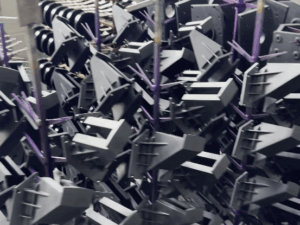
Step #1: Inspect and Sort the Parts
This is where it all starts—before the cleaning chemicals, before the racks, even before the gloves go on.
I’ve learned over time that how you sort and inspect your parts sets the tone for the entire plating process. It might feel like a small thing, but it’s where problems get caught (or missed), and where you build a smoother run ahead.
Group by Material Type
- Separate Base Metals: Different metals react differently in pre-treatment and plating baths. Mixing them in the same run usually means uneven results and more troubleshooting than you bargained for.
- Flag Special Requirements: If a batch has unique coating specs or gets a different finish, I tag it early on. That way no one downstream is guessing.
- Watch for Sensitive Alloys: Some materials can’t handle aggressive cleaners or need extra activation steps. Spotting them upfront helps avoid delays later.
Sort by Size and Geometry
- Organize by Complexity: Parts with deep grooves, threads, or internal features need more care during plating. Grouping them now helps you rack or barrel them the right way.
- Keep Small Parts Together: I’ve had more tiny washers and clips disappear mid-process than I’d like to admit. When they’re sorted properly, you cut down on losses and handling mistakes.
Check for Surface and Condition Issues
- Look for Damage or Burrs: Plating doesn’t hide flaws—it highlights them. I always check for scratches or surface dings before moving forward.
- Spot Coatings or Residue: Leftover paint, oil, or even light corrosion can mess with adhesion. A quick once-over here can save an entire batch.
- Set Aside Problem Parts: If something’s clearly out of spec or already questionable, I’d rather pull it now than waste time and material on it.
Step #2: Degrease the Surface
I never trust how a part looks at first glance. There’s almost always residue left behind from machining, shipping, or just handling it barehanded. If you skip proper degreasing, you’re basically asking for problems in the next stages—poor adhesion, uneven plating, or full-on coating failure.
Here’s how I break it down.
Choose the Right Cleaning Method
- Use Alkaline Degreasing for General Cleaning: These cleaners are great at breaking down oils, fingerprints, and grime without damaging the metal. I usually run them warm and let the agitation help reach into corners.
- Add Ultrasonic Cleaning for Complex Shapes: For parts with deep threads, narrow gaps, or internal holes, I rely on ultrasonic tanks. The high-frequency action knocks out anything regular immersion might miss.
Optimize the Setup
- Avoid Overloading the Tanks: I’ve made the mistake of cramming too many parts into one basket. When they’re packed too tight, the cleaner can’t reach every surface—and that always shows later.
- Watch for Detergent Residues: Some cleaners leave a film behind if parts sit too long. I’ve learned to pull them promptly and rinse right away before anything has a chance to dry on.
- Keep Agitation Consistent: Whether it’s bubbling action or mechanical movement, I always make sure it’s running. It’s the difference between a part that’s rinsed and one that’s actually clean.
Post-Clean Handling
- Handle with Clean Gloves: There’s no point cleaning a part if you’re going to grab it with bare hands right after. A single fingerprint can compromise the entire coating.
- Avoid Recontamination Between Steps: I keep cleaned parts away from open chemicals and dusty zones. It doesn’t take much to undo a good degreasing job.
- Move Quickly Into Rinse or Prep: Once they’re clean, I move parts along without delay. Letting them sit increases the risk of water spots, oxidation, or picking up debris from the air.
Step #3: Pickle to Remove Rust and Scale
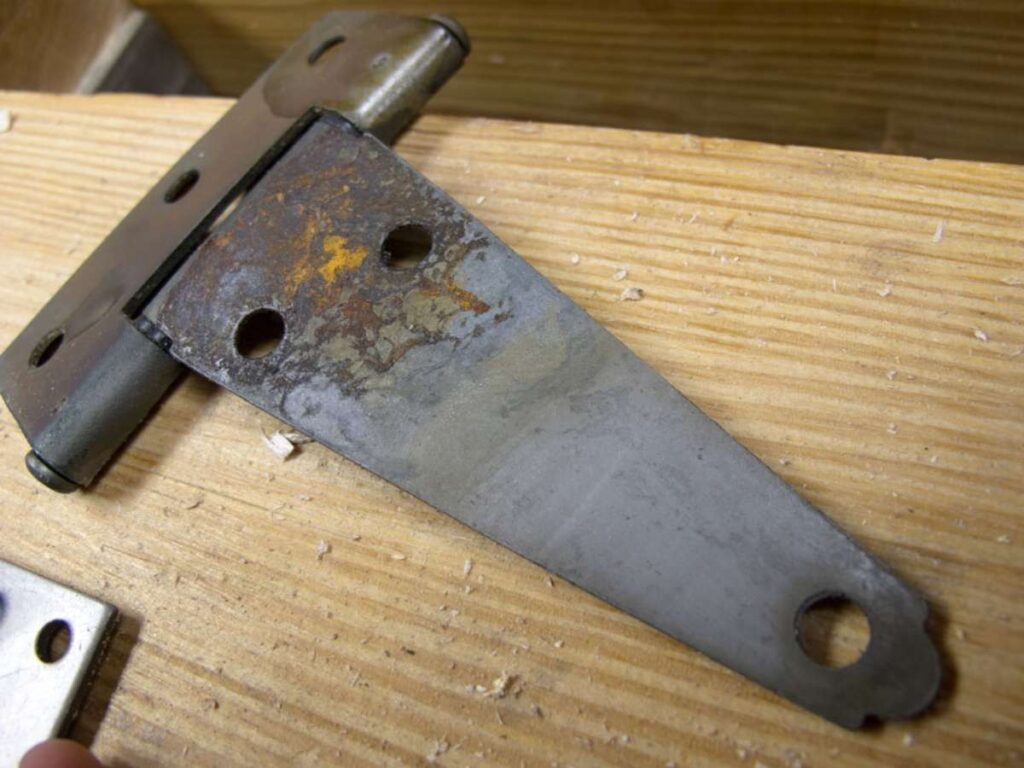
Once the grease is out of the way, it’s time to deal with what’s left—mainly rust, mill scale, and surface oxides.
I like to think of it as controlled corrosion. It removes the bad stuff without attacking the base material underneath.
Here’s how I keep things clean, even, and under control during this step:
Manage the Acid Process Carefully
- Use the Right Acid for the Job: Hydrochloric acid works great for cleaning steel, but some alloys need sulfuric acid or a milder blend. I always check material compatibility before dropping anything into the tank.
- Control the Soak Time Carefully: Timing is everything here. If you leave parts in too long, especially thin or soft ones, you’re likely to get pitting or edge erosion.
- Monitor Acid Strength Regularly: After a few batches, the bath can lose bite. I keep an eye on acid concentration so later runs don’t end up less effective than the first ones.
Prevent Damage and Ensure Full Coverage
- Agitate or Rotate for Better Coverage: Static dips can leave untouched spots or bubble marks, especially on parts with threads or recesses. I always run light agitation or rotate the rack if I can.
- Rinse Immediately After Pickling: Even once it’s out of the bath, the acid doesn’t stop working. A quick rinse locks in the clean surface and prevents over-etching.
- Use Plastic or Acid-Resistant Racks: Regular metal racks corrode fast in these environments. I’ve switched to plastic or coated holders to protect both the parts and the bath from contamination.
Step #4: Rinse Thoroughly
Rinsing might seem simple, but it’s one of those steps that quietly determines whether everything else will hold up. I’ve seen great prep and perfect pickling go to waste because rinsing wasn’t done right.
If you want consistently clean results, your rinse process has to be intentional.
Here’s how you can keep rinsing from becoming the weak link in the chain.
Set Up an Effective Rinse Station
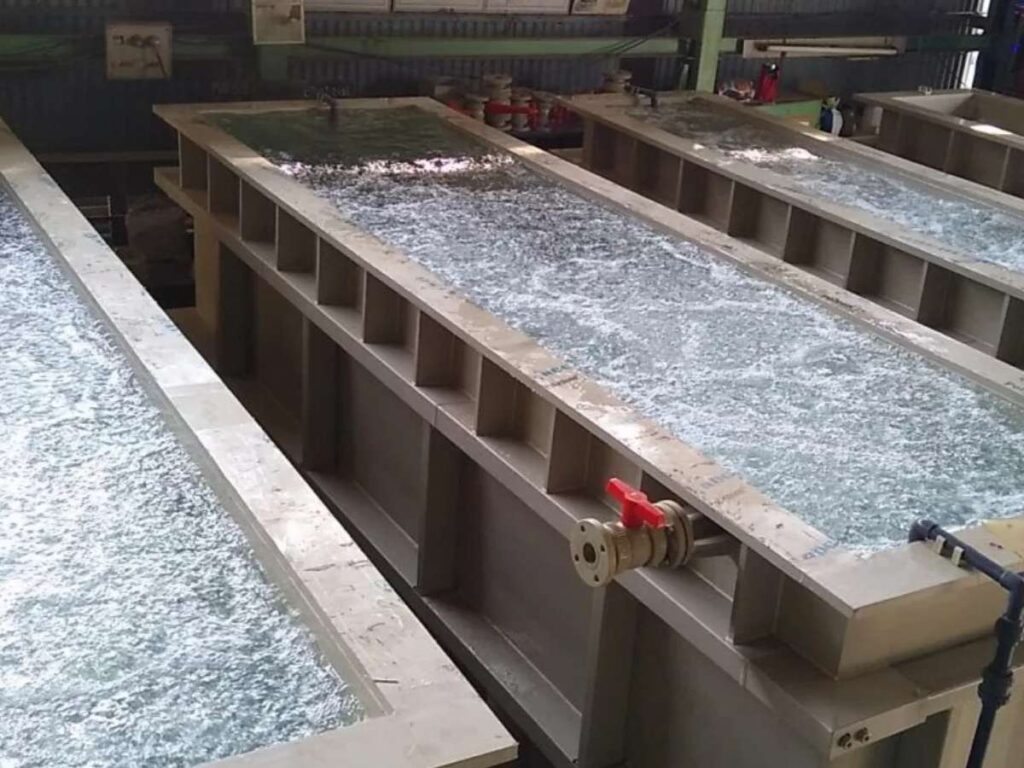
- Use Overflow Rinse Tanks: A steady flow of clean water flushes out contaminants and keeps dirty rinse water from building up in the tank. It’s one of the simplest upgrades you can make.
- Avoid Stagnant Water: Standing rinse water gets loaded with debris, chemicals, and even biofilm over time. You’ll get better results if the water’s always moving.
Extend the Rinse Process When Needed
- Set Up Multiple Rinse Stations: For parts that have been through strong acids or cleaners, one rinse tank just isn’t enough. Running them through a second or third tank clears out residue that would otherwise dry onto the surface.
- Keep Rinse Time Long Enough to Matter: It’s tempting to dunk and move on, but I’ve found that a few extra seconds often make the difference—especially for parts with threads or tight features.
Pay Attention to Quality and Maintenance
- Monitor Water Clarity and Flow: If the rinse tank starts looking cloudy or smells off, it’s time to change it. Clean rinse water means a clean part—plain and simple.
- Rinse Immediately After Cleaning Steps: Don’t wait. Once a part comes out of the acid or degreaser, get it into the rinse right away. Delays give residues time to dry or react with the surface.
Step #5: Activate the Metal Surface
This is one of those steps that’s easy to overlook, but it can make or break your plating.
I’ve seen plenty of parts come out of the tank looking flawless—only to start peeling days later because the surface wasn’t properly activated.
Here’s how to make sure your parts are truly ready to accept the plating layer.
Prep the Surface with the Right Chemistry
- Use an Acid Salt Dip for Final Cleaning: This isn’t a deep clean—it’s a gentle touch that strips away invisible films or oxide buildup left from earlier steps. If you skip it, don’t be surprised when your finish looks cloudy or uneven.
- Time the Dip Just Right: A few seconds too short and you won’t fully activate the surface. A few seconds too long and you risk etching the base material. With practice, you’ll know when it’s just right.
- Check the pH Regularly: Even mild acid solutions need to stay within a tight range. When the pH drifts, your results get inconsistent, and you might not even realize it until the defects start showing up.
Handle Activated Parts with Extra Care
- Avoid Handling Parts Directly: Once activated, the surface is wide open—ready to plate but also vulnerable. Even a small smudge from bare hands can ruin everything you just cleaned.
- Move Quickly to the Plating Tank: Timing is everything. Activated metal starts oxidizing the moment it hits the air, so don’t let it sit. Get it into the next step while it’s still in that perfect, clean state.
Step #6: Zinc Electroplating
After the rinsing, pickling, and activating, plating finally makes it feel real. But this part isn’t just plug-and-play. You need to get the chemistry, current, and time dialed in just right.
If something’s off, it’ll show in the finish—either right away or weeks down the line.
Here’s how I make sure the plating process stays consistent and clean.
Fine-Tune the Bath and Current
- Set the Correct Plating Current: The amperage should match the surface area and bath chemistry. Too much and you’ll burn the part; too little and the coverage turns out weak and uneven.
- Control the Bath Composition Carefully: A proper zinc bath needs brighteners, levelers, and stabilizers. When these additives are balanced correctly, the finish is smoother and more uniform, like what’s delivered through MachMaster’s controlled systems.
- Maintain Consistent Temperature: Most zinc baths work best around 20–30°C. Even a few degrees off can mess with your plating rate or dull the finish.
Ensure Good Ion Flow and Surface Contact
- Use Proper Agitation or Circulation: Mild agitation helps zinc ions spread out and reach all parts of the surface. It’s especially important if you’re dealing with recessed areas or complex shapes.
- Rack or Barrel Parts Appropriately: Barrels work well for small bulk parts, but fragile or larger pieces need to be racked. Choosing the right setup prevents collision damage and avoids electrical contact loss.
Watch Time and Thickness
- Keep an Eye on Plating Time: More isn’t always better. Once you hit the target thickness, staying longer can create unnecessary buildup or even lead to layer stress.
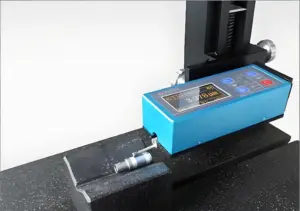
- Measure Coating as You Go: I like to spot-check thickness during longer runs, especially on critical parts. It helps catch any drift in deposition rate before it turns into scrap.
Step #7: Rinse and Neutralize
It’s easy to admire a freshly plated part right out of the zinc bath—but don’t let that shine distract you. The surface is still chemically active, and what you do next determines how long that finish actually lasts.
Here’s how you keep the finish stable and clean from the start.
Start with a Clean Rinse
- Use a Clean, Flowing Rinse Tank: Your first rinse is your most important. If the water is cloudy, still, or already loaded with zinc salts, you’re just moving contamination around.
- Check for Water Breaks: When you pull a part out, the rinse should flow off in a smooth sheet. If it beads or looks patchy, there’s something still clinging to the surface—and it needs to be addressed.
Neutralize Leftover Acids
- Add a Mild Alkaline Neutralizer: A quick dip here helps balance the pH and neutralize any acidic residue still lingering in corners or threads. It’s one of the best defenses against white rust.
- Pay Attention to Complex Geometries: Recessed areas trap solution more than you’d expect. A little gentle agitation helps reach those stubborn pockets that rinses alone might miss.
Keep the Workflow Moving
- Move to the Next Step While the Surface Is Clean: Once parts are neutralized, don’t let them sit around. Waiting too long can lead to water spots, oxidation, or airborne particles sticking to the surface.
- Use Gloves or Tools to Handle Post-Rinse: This is not the time for bare hands. Even small amounts of skin oil can leave marks or affect adhesion in any post-treatment steps.
Step #8: Apply Post-Treatment or Passivation
Post-treatment, especially chromate conversion, plays a major role in long-term corrosion protection.
I’ve seen too many jobs where the zinc held up fine, but the lack of a good passivation layer meant the finish broke down early.
When you get this step right, you give your parts a real shot at lasting years longer in tough environments.
Apply Chromate Coating Correctly
- Choose the Right Chromate Conversion Coating: Clear, yellow, black, or blue—each type has different corrosion resistance and appearance. I always choose based on the part’s end-use and exposure level.
- Watch the Immersion Time Closely: Chromate coatings develop quickly—usually under 60 seconds. Too long and you’ll get chalky or flaky buildup; too short and the protection won’t hold.
- Keep the Bath Contaminant-Free: Drag-in from previous steps will mess with chromate quality. I make a habit of skimming, filtering, and checking chemistry regularly to keep things dialed in.
Protect and Finalize the Surface
- Rinse Gently After Treatment: Right out of the chromate tank, the surface is soft and fragile. A low-pressure, clean water rinse is all you need—anything stronger risks damage.
- Air Dry Without Touching: I always lay parts out in a clean space to dry naturally. Touching them at this stage can leave marks or ruin the conversion layer before it hardens.
- Apply Sealant if Extra Protection Is Needed: Some parts get a clear topcoat or sealant after chromating for added corrosion resistance. It’s optional—but worth it if your parts are headed into high-moisture or high-friction use.
Step #9: Dry and Inspect the Parts
This part might feel like the wind-down, but it’s not the time to check out mentally. I’ve seen great finishes lose their edge—literally—just because the drying was rushed or the inspection was skimmed over.
If you want all the work you put in to pay off, you’ve got to finish strong here.
Dry the Right Way
- Use Warm, Filtered Air for Drying: A soft stream of warm air helps water evaporate without leaving spots or streaks. It’s my go-to for finishing parts gently, especially after passivation.
- Avoid Using Rags or Towels: Even the cleanest cloth can leave lint or hairline scratches. I always let parts air dry on clean trays or racks.
- Let the Surface Set Naturally: Some treatments continue hardening after they’re dry to the touch. Giving parts time in a clean space helps preserve the finish without stress or distortion.
Inspect with Focus and Intention
- Inspect in Strong, Neutral Light: I always use bright, white light to scan parts—no shadows, no warm tones. It’s the best way to catch subtle defects before they sneak past.
- Check for Coating Consistency and Surface Defects: Look for smooth coverage, consistent color, and anything that looks off. This is your last clear window to catch a bath imbalance or prep issue.
- Rely on Trusted Support When Quality Slips: When in doubt, it helps to have a manufacturing partner that takes finish quality as seriously as function. That’s where MachMaster can step in—with custom plating support that keeps standards high and surprises low.
Step #10: Package or Apply Final Sealant
After all the effort that’s gone into prepping, plating, and finishing the parts, this last step is about protection.
I’ve learned the hard way that rushing packaging almost always leads to regret—scratched parts, rust spots, or frustrated customers.
So I take this step just as seriously as the ones before it.
Add a Final Protective Layer
- Apply a Clear Sealant If Needed: If parts are going into long-term storage or harsh shipping environments, a clear topcoat makes a big difference. It’s a small step that goes a long way in fighting off humidity, fingerprints, or scuffs.
- Let Parts Fully Cool Before Packing: Warm parts can cause condensation or affect fresh coatings. I always wait until they’re cool to the touch before wrapping or boxing anything.
Choose the Right Packing Materials
- Use Protective Packaging Materials: Anti-corrosion paper, foam layers, or soft wraps are worth the extra few minutes. Tossing parts into bins might be fast, but you’ll pay for it in rework if they come out scratched.
- Avoid Stacking Bare Metal Surfaces: Even plated parts will mark each other under weight. I always place a soft barrier—paper, foam, or plastic—between each piece to keep the finish pristine.
Label and Store Properly
- Label and Track Clearly: A good label isn’t just for shipping—it helps with traceability, batch control, and customer satisfaction. I include part numbers, plating dates, and any special instructions right on the box.
- Store in a Controlled Environment: Humid shop corners and dusty shelves are where good finishes go to die. I always keep packed parts in a dry, moderate area until they ship out.
Conclusion
So now you know what zinc plating really takes, from first inspection to the final seal. You’ve seen where to start, how to clean, what to look for, and why each step matters.
The process isn’t just about coating metal.
It’s about doing it right, every single time.
If you’re ready to make that happen, let’s talk.
Contact MachMaster today and let’s build something that lasts.
Explore Related Resources
Want to see more? We’ve gathered additional product choices to give you even more variety:
Machining & Molding Services:
Finishing Processes:
Still haven’t found what you’re looking for? Don’t hesitate to contact us. We’re available around the clock to assist you.