
Years ago, I lost a project and I didn’t understand why.
I’d sent drawings, material specs, and deadlines. Everything was covered. Or so I thought.
Later, I found out the manufacturer passed because they didn’t agree with the gate location. I hadn’t even thought to ask them.
That mistake stuck with me.
If you’re here, you’re probably trying to avoid a mistake like that. You want to understand what a gate is in injection molding and why it matters.
Good. You’re asking the right question.
This article gives you the full picture. You’ll learn what a gate does, how it works, and how the wrong gate choice can affect everything from part strength to surface finish.
So let’s start!
1. What Is Gate in Injection Molding?
The first time I heard someone say, “The gate’s the issue,” I nodded like I understood. Truth is, I didn’t. And I was too embarrassed to ask.
But once I learned what the gate actually was, things started to click.
So let’s clear it up for you now.
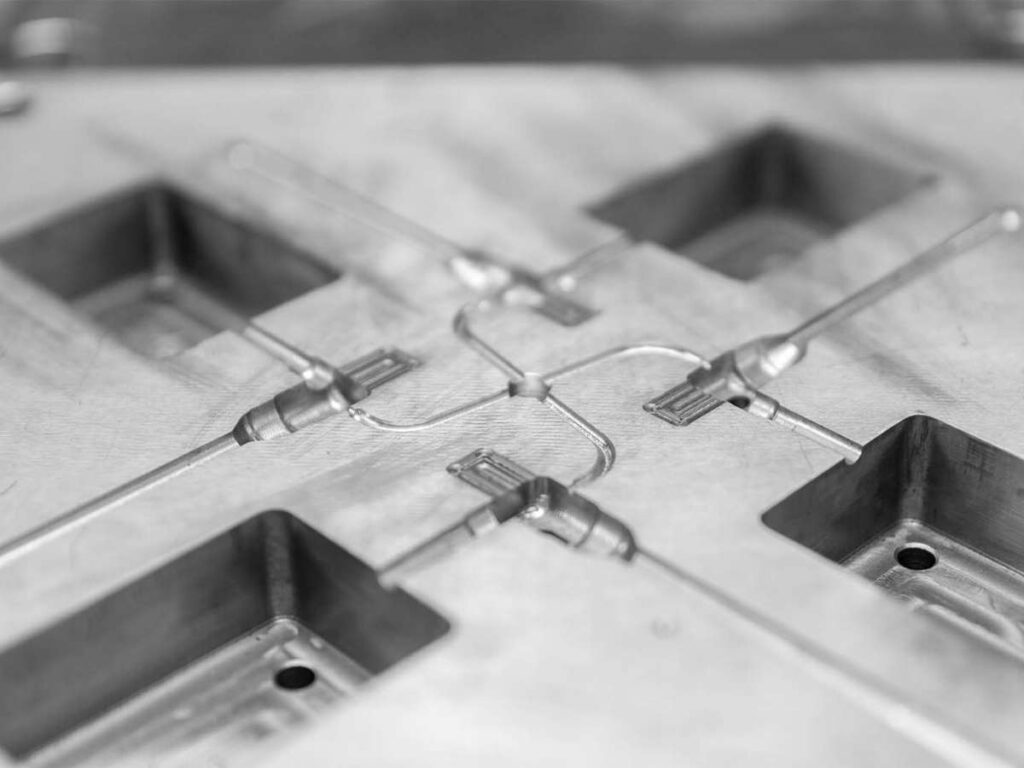
In injection molding, the gate is a small opening where molten plastic enters the mold cavity. It’s the final stop after the plastic flows through the sprue and runners. Think of it like a door—the last door the plastic passes through before filling the mold and forming your part.
Here’s a simple way to picture it:
- Sprue: where the plastic enters the mold
- Runner: small channels that guide the plastic
- Gate: the entrance into the actual shape (the mold cavity)
The gate connects the runner to the part itself. Even though it’s tiny, it does a lot of work.
Why does the gate matter?
Because the gate controls:
- How fast the plastic fills the mold
- The pressure inside the cavity
- The temperature as it cools
- How well the part is packed
- Surface quality and final strength
A bad gate location or size can lead to problems. Ever seen a part with bubbles, short shots, or dents? Often, it starts with the gate.
I once had a batch of parts come out warped. The mold was fine. The material was right. Turned out, the gate was too small, and the plastic cooled too fast before packing. That one small detail? It caused hours of rework.
So, where does the gate actually sit?
Here’s a quick sketch:
Sprue → Runner → [Gate] → Mold Cavity (Your Part)
Take a minute to picture that flow. Can you see how the plastic travels?
Understanding where the gate sits—and what it does—gives you more control over part quality. And that’s where good molding starts.
2. Types of Gates and When to Use Them
Choosing the right gate isn’t just about technical specs. It’s about what you need the part to do.
I used to think a gate was a gate—just pick one and move on. But that thinking cost me time. I ended up with parts that looked rough or didn’t fill right. Once I started paying attention to gate type, things got better. Fast.
Let’s walk through the common types you’ll come across. Each has pros and cons. Knowing when to use them can save you trouble down the road.
Edge Gate
This is the one you’ll see most often.
- Best for flat or simple parts
- Easy to machine and adjust
- Leaves a visible mark on the part’s edge
Great for general use. But not great if cosmetics matter.
Submarine Gate (also called Tunnel Gate)
This one’s clever. It breaks the part free from the runner by itself.
- Perfect for high-volume jobs
- No manual trimming needed
- Hard to modify once the mold is finished
I like this gate for small parts that need fast cycle times. But you’ve got to get the design right the first time.
Pin Gate / Direct Gate
Used in simple, single-cavity molds.
- Fills the mold from the center
- Can give good balance
- Leaves a small mark in the center
Works well for round parts. I once used it for a gear mold and it helped the part stay dimensionally accurate.
Fan Gate
This one spreads the flow.
- Ideal for wide, thin parts
- Helps reduce stress and warping
- Needs more mold space
It’s saved me from warping issues more than once.
Hot Tip Gate
Used in hot runner systems, which keep the plastic warm as it flows.
- Good for parts where appearance matters
- No gate mark on the surface
- Adds cost to the mold
Great for consumer products, but pricey. Worth it if looks matter.
The right gate can make your job easier. Or harder. Understanding your options gives you a better shot at making a clean, strong part the first time.
Thinking about using a hot tip gate for your next project?
MachMaster can help you get it right. We support both mold design and production for high-end parts—so you don’t waste time fixing surface issues later.
3. How Gate Location Affects Part Quality
I used to think gate location was something the mold maker just figured out. I didn’t question it. Then I got a shipment of parts with swirl marks and dents on the front face. It looked bad.
Turns out, the gate was placed right where people could see it. That mistake taught me something: gate location matters more than you think.
Let’s break it down.
Surface Finish and Gate Vestige
The gate vestige is the small mark left behind after the part separates from the gate.
- It might be a tiny bump or scar
- You’ll often need to trim or clean it
- If your part is visible to customers, this can be a problem
Ever bought a product and spotted a rough patch on the surface? That could’ve been fixed by moving the gate.
Fill Pattern and Defects
The way the plastic fills the mold depends on gate location.
Get it wrong, and you might see:
- Weld lines: where two flow fronts meet and look like a crack
- Air traps: pockets of gas that can’t escape
- Short shots: parts that don’t fill all the way
I once had a project fail testing because of a weld line on a stress point. It looked fine—but it cracked under load.
Warping and Shrinkage
Plastic cools unevenly if it doesn’t fill the mold in a balanced way. That leads to:
- Warping: the part twists or bends
- Shrinkage: it comes out smaller or out of spec
The gate’s position can help (or hurt) how evenly the part cools.
Part Strength and Structural Integrity
If your part needs to hold weight or take impact, gate placement matters.
- Avoid putting gates on critical load areas
- Flow direction affects how the material lines up
A strong part starts with the right gate location.
So, where should your gate go? It depends on what the part needs to do. Think about function first—then choose the gate spot that helps it do that job well.
4. Common Gate Defects and What They Look Like
I remember holding a fresh part in my hand. Everything looked fine until I turned it over. There it was: a small dent near the gate. It didn’t affect the function, but if that part went into a consumer product? It would’ve been rejected.
That’s the thing with gate defects. Some you can live with. Some cost you time, money, and credibility.
Let’s walk through the most common ones you might see.
Gate Vestige
A gate vestige is the small bump or scar left behind where the part was connected to the runner.
- It’s normal for most industrial parts
- But it’s a problem for cosmetics or visible surfaces
- Can often be trimmed or hidden with good design
I once had a client send back an entire batch because the gate marks showed on the front face. We had to change the gate location and rework the mold.
Flow Marks or Jetting
Flow marks (also called jetting) happen when the plastic enters the cavity too quickly or in a narrow stream.
- Looks like squiggly lines or ripples on the surface
- Often shows up in thin-wall parts
- Caused by poor gate design or placement
This can make a part look unfinished, even if it works fine. You’ve probably seen it on a plastic container or lid without realizing what caused it.
Sink Marks Near Gate
Sink marks are small depressions that form when the plastic cools unevenly.
- It usually happens if the gate freezes too early
- The cavity doesn’t get fully packed
- Common near thick areas or stress points
Gate size and timing play a big role here. I’ve had parts that passed all tests except for visible sinks that customers didn’t accept.
Want to avoid these defects? Start by paying attention to your gate size, type, and placement. These small changes can make a big difference in how your part looks and how it performs.
5. Real-World Gate Mistakes (And How to Avoid Them)
I’ve learned a lot about gates the hard way.
Not from textbooks but from failed parts, upset clients, and long hours fixing what should’ve worked from the start.
If you’ve ever dealt with defects that don’t make sense at first glance, the gate might be to blame.
Here are three mistakes I’ve seen firsthand.
Warped Part Due to Off-Center Gate
We were molding a flat panel for an electronics housing. Everything looked perfect in CAD. But the real part came out bent every single time.
Turns out, the gate was placed too far off-center. That caused uneven flow and uneven cooling.
The fix? We moved the gate to the center, rebalanced the flow, and the warping disappeared.
If your flat parts won’t lie flat, ask: is the gate pulling more plastic to one side?
Visible Gate Mark on Logo Area
This one hurt.
We molded a part with a clean logo front and center. Or at least, it was supposed to be clean.
The gate left a small scar—right on top of the logo. The client noticed it immediately. We had to scrap the whole batch.
Now, I always double-check: is the gate anywhere near the visible face?
Increased Mold Flash from Worn Gate Edge
After months of production, one of our molds started flashing. That’s when excess plastic leaks out of the cavity and forms thin edges.
We checked everything else. The real problem? The gate edges had worn down. That let plastic sneak out before the cavity was sealed tight.
The solution was simple: resharpen the gate, and the flash was gone.
Gates may be small, but the damage they can cause isn’t. If something keeps going wrong with your part, don’t overlook the gate. It might be the first place to check.
6. Tips on How to Make the Right Gate Decisions
Making gate decisions used to feel like guesswork for me. I’d send over part files, cross my fingers, and hope the mold shop got it right.
But after a few costly mistakes, I started asking better questions. I started looking closer at gate types, locations, and how they matched the part’s purpose.
If you’re working on a molded part and wondering where to start with gate choices, here are a few tips that can help.
Start with the Part’s Function
Ask yourself:
- Will this part be visible to the customer?
- Does it need to handle force or stress?
- Are you molding it for speed or for surface quality?
Your answers will guide your decisions.
Choose a Gate That Matches Your Part Shape
Different shapes need different flow patterns.
- Flat parts: edge or fan gate
- Small, high-volume parts: submarine gate
- Cosmetic parts: hot tip gate
Match the gate to how the plastic needs to flow.
Think About Where You Want the Mark
Every gate leaves a mark, even the small ones.
Try to place the gate in a spot that won’t affect appearance or performance.
I once approved a gate location without thinking, and it landed on the part’s snap-fit area. The mark weakened the latch and caused returns. I learned that one the hard way.
Review Flow Analysis or Ask for One
If you’re not sure where to place the gate, ask for a mold flow simulation.
It’ll show you how the plastic moves, where weld lines might form, and whether the gate choice is helping or hurting.
You don’t need to be a mold designer to make smart gate decisions. You just need to ask the right questions and think ahead. Your parts and your customers will thank you.
Need support from a supplier who actually explains these things?
At MachMaster, we work closely with product designers and sourcing teams to get the gate type, size, and location right before parts hit the press.
Conclusion
You started this article wondering: What is a gate in injection molding?
Now, you’ve got the full answer.
You know what it does, how it shapes the part, and what happens when things go wrong. You also know how to choose one that works for your needs.
I’ve made those gate mistakes. You don’t have to.
Every project gets easier when you understand the flow. And that starts at the gate.
So what will you do with this knowledge?
Let’s talk about your next mold. Contact us today.
Explore More of Our Resources
Want to learn more? Here are some articles filled with valuable tips and information to guide you further:
Still haven’t found what you’re looking for? Don’t hesitate to contact us. We’re available around the clock to assist you.