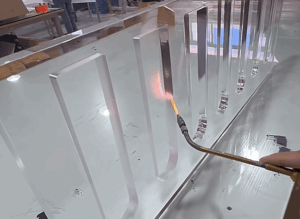

I once approved a batch of molded parts that looked perfect, until they didn’t fit the final assembly.
That tiny error in tolerance cost us two weeks and a client’s confidence.
It was a painful but valuable lesson in how crucial precision really is in plastic injection molding.
That’s why I take tolerances seriously now, and why you can trust this review.
It’s based on practical experience, not just theory.
In this guide, you’ll get a clear breakdown of what tolerances mean, how they’re set, and why they matter. Whether you’re sourcing a supplier or tightening up specs, you’ll get the clarity you’re looking for.
So, let’s jump into it!
1. What Are Injection Molding Tolerances?
Let me start with this: no matter how perfect your mold looks, if the tolerances aren’t right, the final part might fail you. That’s a lesson most businesses in plastics learn the hard way, myself included. A few microns off, and suddenly your part doesn’t fit, warps under load, or gets rejected by quality control.
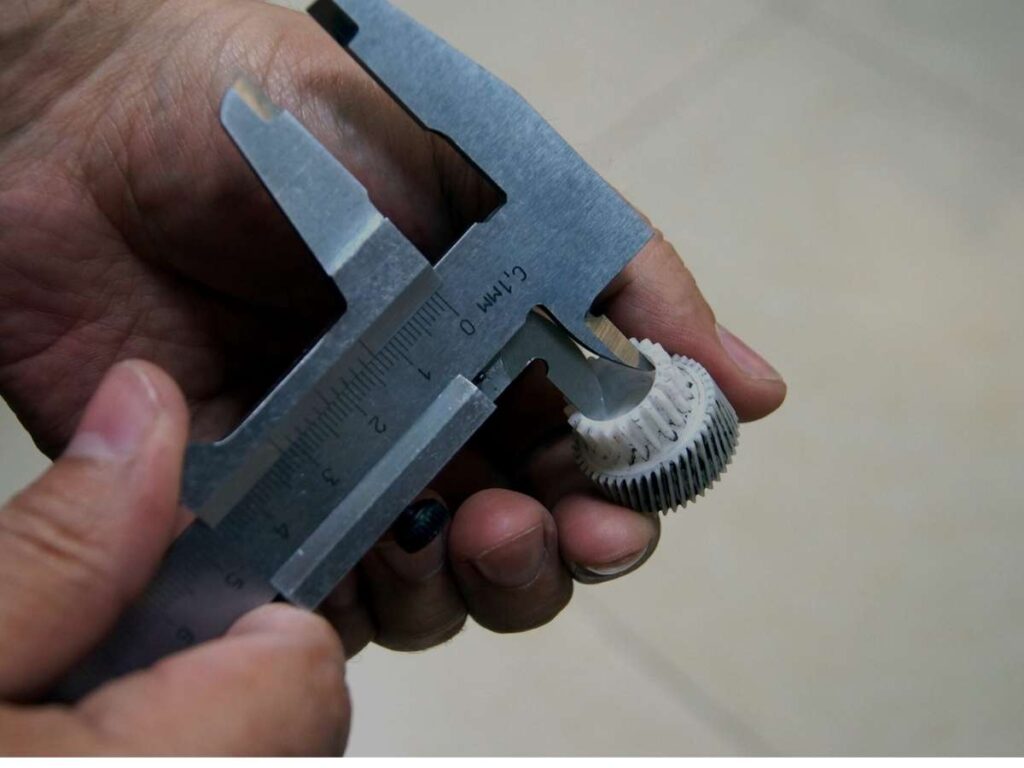
Injection molding tolerances are simply the allowable range of variation in a part’s dimensions. If your spec says 30mm ±0.1mm, that means the part is acceptable if it measures anywhere from 29.9mm to 30.1mm. In plastic injection molding, this becomes even more important because plastic shrinks as it cools, and that shrinkage varies based on material type, mold design, and processing conditions.
Most of us want precision, but perfection is unrealistic. Tolerances let us manage that balance between functional performance and manufacturability. They ensure parts fit together, perform their role, and meet customer specs, without creating unreasonable demands on the production floor.
2. Industry Standards for Plastic Part Tolerances
When I first got into plastics, I thought tolerances were just guesses dressed up as numbers. Then I had a client reject an entire batch because we didn’t align with an industry standard. That was a tough day, but it taught me the value of speaking the same language across design, manufacturing, and quality control.
DIN 16742: The German Gold Standard
DIN 16742 is one of the most widely respected standards for plastic part tolerances, especially in Europe. It offers detailed tolerance classes based on material behavior and part geometry. The beauty of DIN is that it gives you flexibility without losing control. If you work with international partners or need tighter precision, this is a standard worth referencing.
ISO 20457: A Global Reference Point
ISO 20457 steps in when you need to apply consistent tolerancing rules on an international level. It defines general tolerances for molded plastic parts when no specific ones are given on drawings. Many global suppliers rely on it because it creates a common baseline. If you’re unsure what your supplier is using, asking about ISO 20457 is a good place to start.
SPI Classification: North American Tooling Focus
The SPI system, created by the Society of the Plastics Industry, is heavily used in North America. It’s not a dimensional tolerance guide but rather a classification for mold quality and expected output. SPI classes help determine how precise a mold should be based on part use, lifespan, and cycle time. If you’re sourcing tooling in the US, chances are your mold shop uses SPI terms like Class 101 or Class 105 to define standards.

3. Factors That Influence Injection Molding Tolerances
One of the biggest surprises I faced early on was how easily tolerances could drift. You might think it’s all about the mold, but the truth is that tolerances are influenced by a bunch of variables working together. Once you see how all the moving pieces connect, you can plan better and avoid nasty surprises.
Material Shrinkage and Flow Characteristics
Not all plastics behave the same during molding. Some shrink more than others, and semi-crystalline materials like nylon or POM tend to move differently than amorphous ones like ABS. Additives like glass fiber can reduce shrinkage but increase stiffness, which can impact how parts settle in the mold. Knowing your resin’s flow and shrink profile is key to setting the right tolerance targets.
Mold Design and Construction
A mold is more than a cavity, it’s a precision tool that controls flow, cooling, and part release. If the gates are unbalanced or cooling lines are poorly placed, it creates uneven shrinkage and warping. Even the steel choice matters, since harder steels can better maintain dimensional accuracy over time. Small design missteps here can ripple out into major tolerance problems.
Part Geometry and Wall Thickness
Parts with thin walls, tall ribs, or long unsupported spans can deform during cooling. Uneven wall thickness leads to different cooling rates, and that means distortion or sink marks. Even well-designed parts can shift slightly during ejection if the geometry isn’t optimized for stability. The more complex the shape, the more carefully you have to watch tolerance drift.
Processing Parameters and Cycle Settings
How a machine is set up plays a major role in repeatability. Variables like injection speed, pack pressure, and cooling time need to be dialed in precisely to hold tight tolerances. If those settings fluctuate during a production run, you’ll start to see dimensions creeping out of range. Consistent settings lead to consistent parts, plain and simple.
Machine Capability and Maintenance
Even the best mold and material can’t save you if your injection molding machine is unreliable. Worn-out components, inconsistent clamp force, or poor calibration can throw off your entire process. Electric machines often provide better control and repeatability compared to older hydraulic models. A well-maintained, high-precision machine is your foundation for tight tolerances.
4. Practical Tolerance Guidelines by Feature Type
When it comes to plastic parts, not every feature needs the same level of precision. This chart gives you a clear reference for common feature types and the typical tolerances manufacturers aim for based on industry best practices and real-world application.
| Feature Type | Typical Tolerance Range | Notes & Practical Considerations |
| Flat Surfaces | ±0.10 mm to ±0.20 mm | Warping can occur on large surfaces, especially with uneven cooling. Avoid large, unsupported spans. |
| Wall Thickness | ±10% of nominal wall | Thinner walls cool faster and more evenly. Keep walls consistent to avoid distortion. |
| Ribs and Bosses | ±0.10 mm to ±0.15 mm | Susceptible to sink marks if too thick. Use coring and proper draft angles. |
| Holes (Clearance) | ±0.10 mm to ±0.15 mm | Easier to achieve than press-fit holes. Check for roundness consistency. |
| Holes (Interference/Press Fit) | ±0.025 mm to ±0.05 mm | Critical for assemblies and inserts. May require post-mold machining for high precision. |
| Shafts and Pins | ±0.05 mm to ±0.10 mm | Often mate with press-fit holes. Surface finish and shrinkage impact final fit. |
| Snap-Fits | ±0.03 mm to ±0.05 mm | Must balance holding strength with flexibility. Prototyping is highly recommended. |
| Threaded Features | ±0.10 mm | External threads are easier to control than internal ones. Mold design must prevent flash or wear. |
| External Dimensions | ±0.10 mm to ±0.30 mm | Larger parts tolerate more variation. Shrinkage increases with surface area. |
| Internal Cavities | ±0.10 mm to ±0.20 mm | Warping and sink can be issues depending on material and cooling. |
| Latches and Hinges | ±0.05 mm to ±0.10 mm | Requires high consistency. These features often affect part function directly. |
| Living Hinges | ±0.10 mm | Material choice is critical. Polypropylene is typically used for flexibility and consistency. |
| Cosmetic Surfaces | ±0.15 mm to ±0.25 mm | Dimensions can be relaxed if fit and function are unaffected. Surface finish is the main concern. |
5. Achieving and Controlling Tight Tolerances
I used to think getting tight tolerances was just about having a good mold. Then I found out how much process control, tooling choices, and real-time monitoring actually mattered. Holding tolerances is about more than design, it’s about keeping every variable in check.
Invest in High-Precision Tooling
You can’t expect repeatable parts from a mold that wasn’t built for precision. Tool steel quality, proper venting, and tight tolerances on the mold itself lay the foundation for reliable parts. If your part calls for ±0.02 mm, the tooling needs to be cut to even finer specs. This is where upfront investment pays off in long-term consistency.
Lock in Scientific Molding Parameters
Once you dial in the ideal settings—like fill time, injection speed, hold pressure, and cooling—you need to lock them down. Scientific molding helps you repeat the same result every cycle, no matter who’s running the machine. It removes the guesswork and replaces it with data-driven control. This stability is what keeps tolerances in line for high-volume production.
Use In-Process Monitoring and QC Checks
Don’t wait until the end of a batch to discover parts are out of spec. Real-time monitoring tools and frequent quality checks catch issues before they turn into waste. Using techniques like SPC (Statistical Process Control) or CPK analysis helps track variation and reduce drift. Staying proactive keeps your tolerance window tight and your production reliable.
6. Cost vs Precision: Finding the Right Balance
I’ve seen teams spend thousands chasing tighter tolerances that didn’t actually improve the part’s function. Precision is important, but if you don’t stop and ask why you need it, you could be burning through your budget for no good reason.
- Start with Functional Requirements: Ask if the part really needs to be that precise to do its job. If not, a looser tolerance could save time and tooling costs.
- Segment Critical vs Non-Critical Features: Not every part of your design needs the same level of control. Focus tight tolerances only where performance depends on them.
- Understand Tooling Cost Impact: The tighter the tolerance, the more complex and expensive the mold becomes. You may also face longer lead times and more revisions.
- Factor in Scrap and Downtime: Higher precision means more parts might get rejected if conditions slip. That adds costs not just in materials, but in rework and lost time.
- Work Closely with Your Supplier: They can help you identify tolerance areas that are driving up costs unnecessarily. Often, a small design tweak makes a big financial difference.
- Balance Volume with Tolerance Goals: For high-volume runs, tighter tolerances can pay off in fewer defects over time. But for low-volume or prototyping, a more flexible approach keeps things lean.
4 Factors to Consider When Choosing a Plastic Injection Molding Services
I’ve worked with shops that promised tight tolerances but couldn’t hold consistency for more than a few thousand cycles. When choosing a molding partner, it’s not just about price or lead time. It’s about who can deliver precision, reliability, and long-term value.
#1 Process Capability and Repeatability
Look for a shop that tracks their process capability using CPK or PPK metrics. These statistical tools measure how well their process holds tolerances over time. A capable shop can show consistent output across multiple runs with minimal variation. If they cannot provide these numbers, it is hard to trust their claims about tight tolerance control.
#2 Tooling Design and Maintenance Standards
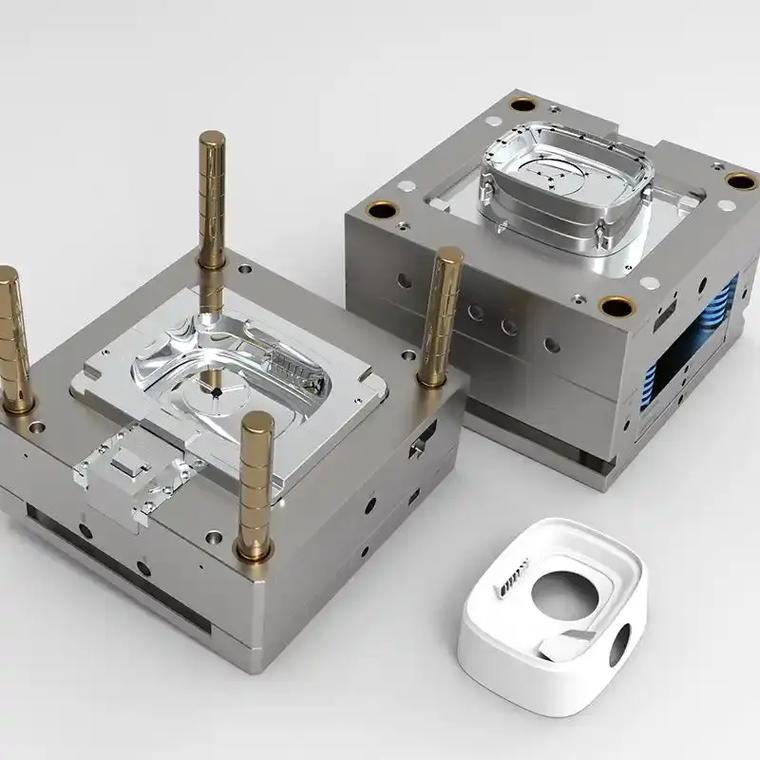
High-quality tooling is the foundation of accurate molded parts. Ask whether the service provider designs in-house, outsources, and how they manage mold maintenance. Worn or poorly maintained tools can quickly throw tolerances out of spec. A partner who monitors and services molds regularly is more likely to give you consistent results.
#3 Machine Technology and Controls
Injection molding machines with advanced controls, such as all-electric presses, offer better precision and consistency. These systems allow for tighter control over variables like injection speed, clamp force, and hold pressure. Look for providers that can document and stabilize their machine settings for each project. This type of process discipline leads to better dimensional stability and repeatability.
#4 Quality Assurance and Measurement Equipment
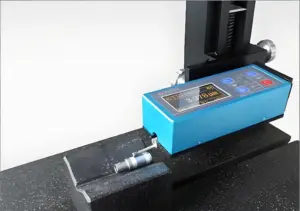
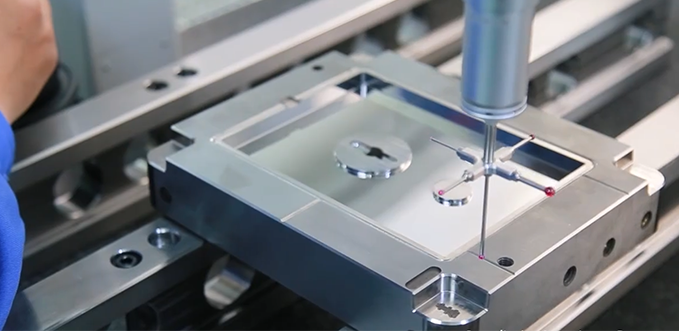
Precision means nothing if the inspection tools are outdated or inconsistent. A reliable partner will have CMMs, optical comparators, and laser micrometers for dimensional checks. Ask how often they calibrate their equipment and what protocols they follow during part inspection. A strong quality control system catches tolerance issues early and ensures your parts meet spec every time.
Conclusion
That part I mentioned at the start? We fixed the tolerance, tightened the process, and kept the client.
This guide walked you through the what, why, and how of plastic injection molding tolerances. From standards to cost balance, you now know what really moves the needle.
Ready to bring that clarity into your next project?
Contact us today at MachMaster. Let’s get your precision parts right the first time.
Explore Related Resources
Want to see more? We’ve gathered additional product choices to give you even more variety:
Still haven’t found what you’re looking for? Don’t hesitate to contact us. We’re available around the clock to assist you.