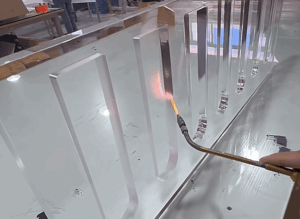

I used to think the applications of lathe processing were only for big factories making engine parts.
Then I bought a small lathe for my own shop, hoping it would help with simple jobs. It ended up changing how I see making things.
I’ve spent many late nights fixing errors, checking tight sizes, and finally getting cuts that looked right.
So I understand how tough and rewarding working with lathes can be.
You can trust me to keep this simple and honest because I’ve faced the same worries you might have, whether you run a factory, design parts or build things on your own.
You’re probably here to see where lathes are really used in everyday products. In this article, I’ll show you 10 real applications of lathe processing that I know work well.
By the end, you’ll have a strong foundation to decide if a lathe belongs in your plans.
Let’s get started!
Quick List
Before we go deeper, here’s a quick snapshot of all 10 applications. This table gives you a simple overview of setting the stage.
| Application | Common Use Cases | Why Lathe Processing Matters |
| Shaft Parts | Motors, gearboxes, conveyor systems | Delivers roundness, concentricity, and smooth surface finish for rotation. |
| Threaded Rods & Screws | Fasteners, custom-threaded rods, support systems | Provides accurate thread size and pitch, even for non-standard designs. |
| Bushings & Spacers | Wear sleeves, isolators, alignment supports | Achieves tight ID/OD control and even wall thickness for better fit. |
| Pulleys & Wheels | Conveyor rollers, fans, belt-driven systems | Shapes grooves, balances rotation, and ensures even performance. |
| Pipe Fittings & Adapters | Plumbing joints, gas lines, pressure fittings | Allows tapered seals, clean threads, and precise fit in tight spaces. |
| Roller Components | Packaging lines, feed systems, print machines | Ensures roundness and uniform contact for consistent movement. |
| Pins, Dowels & Axles | Fixtures, linkages, rotating supports | Controls diameter and straightness for secure, load-bearing assembly. |
| Flywheels & Rotating Discs | Brake systems, presses, motor flywheels | Balances mass, shapes flat faces, and controls inertia distribution. |
| Nozzles & Tapered Adapters | Spray tips, fluid lines, pressure nozzles | Machines smooth tapers and flow paths for control and sealing. |
| Knobs & Decorative Caps | Control handles, user interfaces, product finishing touches | Produces refined shapes, smooth edges, and visual consistency. |
Now that you’ve seen the overview, let’s take a closer look at each application, starting with shafts.
1. Shaft Parts Processing
Have you ever wondered how machines spin so smoothly? Or how a fan blade turns without wobbling?
That’s because of a shaft.
What Are Shaft Parts?
Shafts are long, round rods that spin and carry motion. They connect parts like gears, pulleys, or wheels. Most machines with moving parts rely on at least one shaft.
You’ll find shafts in things you use every day like fans, drills, motors, and even bikes. If the shaft is bent or cut wrong, the machine may vibrate or stop working.
A shaft part needs to be strong, smooth, and centered. Even a small error can mess up the whole system.
Why Use a Lathe?
A lathe is a machine that spins a metal rod while a cutting tool slowly shapes it. It’s one of the best ways to make a shaft.
Here’s why:
- It spins the rod evenly
- It cuts smooth surfaces
- It helps you get the right size and shape
- It works for one part or hundreds
I once watched a machinist shape a shaft for a gearbox. He said, “If this thing’s off by a hair, the whole gearbox fails.” He wasn’t joking. I felt the pressure just watching him.
So if you’re designing parts, buying equipment, or running a shop, you’ll run into shafts. A lot.
Applications
You’ll see lathe-machined shafts used across many industries:
- Automotive: Found in drive shafts and camshafts where smooth rotation and durability under stress are required. MachMaster works closely with automotive teams to deliver precision-turned components built for performance and durability.
- Manufacturing Equipment: Used in rollers and spindles that run non-stop and need tight tolerances to avoid wear and misalignment.
- Aerospace: Applied in control shafts and actuators where precision and smooth function are critical to safety.
- Agriculture: Common in PTO shafts and augers that face heavy loads and outdoor conditions without room for error.
Even though shafts seem simple, poor machining leads to big problems. Using a lathe gives you the accuracy and performance these parts need to last.
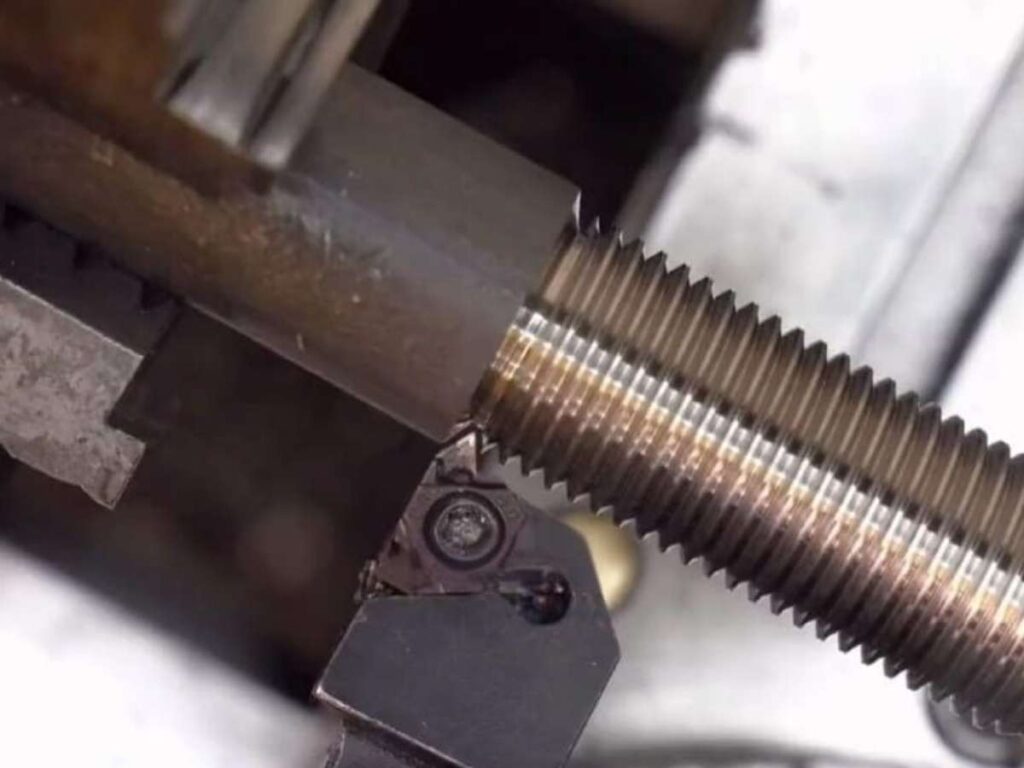
2. Threaded Rod and Screw Machining
I can’t count how many times I’ve seen a job slow down just because a bolt didn’t fit right. Maybe you’ve had that happen too. That tiny spiral grooves the thread and has to be spot on. If it’s off even a little, the whole thing can fail.
That’s where lathe processing really matters.
What Are Threaded Rods and Screws?
A threaded rod is a long metal bar with spiral grooves, or threads, running along its length. A screw is shorter but works the same way. Those threads help grip, fasten, or adjust parts.
These are used to hold machines together, apply pressure, or line things up just right. They might look basic, but the threads must be shaped with care. If the pitch or depth is off, they won’t fit or hold correctly.
Threads need to be tight, clean, and even. That’s where a lathe comes in.
Why Use a Lathe for Thread Cutting?
Cutting threads with a lathe gives you more control. It lets you:
- Match custom thread sizes (not just standard ones)
- Cut both internal and external threads
- Get clean, even shapes for better grip
- Make parts in small or large batches
In one shop, we needed a replacement screw for a machine, nothing in stores fit. A machinist turned it on the lathe for 20 minutes. It saved the project.
Applications
You’ll find lathe-threaded parts used anywhere standard fasteners fall short:
- Industrial Equipment: Custom fasteners and clamps built to handle vibration and heavy loads without loosening.
- Aerospace: Threaded inserts and connectors that demand precise fit and can’t afford failure under stress.
- Construction: Long threaded rods for anchors or adjustable supports where thread alignment and engagement must be exact.
- Electronics and Optics: Fine-thread screws used in housings and lens assemblies where smooth threading is critical.
Even one damaged thread can ruin an assembly or weaken a part. Using a lathe gives you the accuracy and quality needed to avoid those problems from the start.
3. Bushing and Spacer Production
Sometimes, the simplest parts do the most important jobs. Bushings and spacers are small rings or tubes that help control movement, reduce wear, or fill gaps between parts. They don’t look like much, but machines can’t run well without them.
What Are Bushings and Spacers?
Let’s break it down:
- A bushing is a sleeve that reduces friction between moving parts.
- A spacer is a ring that fills a gap or keeps parts in place.
Both are often small, round, and made from metal, plastic, or bronze.
Why Use a Lathe for These Parts?
Bushings and spacers need to be accurate. A poor fit can ruin an entire assembly. That’s where lathe processing helps.
A lathe can:
- Cut exactly inside and outside diameters
- Create clean, smooth surfaces
- Adjust thickness and length to match your needs
- Handle soft materials like plastic or hard metals like brass
One time, I saw a machine jam over and over again. The issue wasn’t the motor, it was a worn-out spacer. Replacing it with a properly lathed one fixed the whole problem.
Applications
You’ll find bushings and spacers anywhere mechanical parts need spacing, support, or rotation:
- Robotics and Automation: Isolate movement or reduce vibration in fast-moving joints and assemblies.
- Heavy Equipment: Bronze bushings in pivot points that carry high loads and reduce friction under stress.
- Consumer Goods: Spacers in appliances or furniture that keep parts aligned and quiet during use.
- Medical Equipment: Stainless or plastic bushings in devices where smooth motion and quiet operation are important.
If you’re trying to improve machine stability or reduce wear, focus on better bushings and spacers. A lathe gives you tight tolerances and consistent fit needed to make small parts work like they should every time.
4. Pulley and Wheel Fabrication
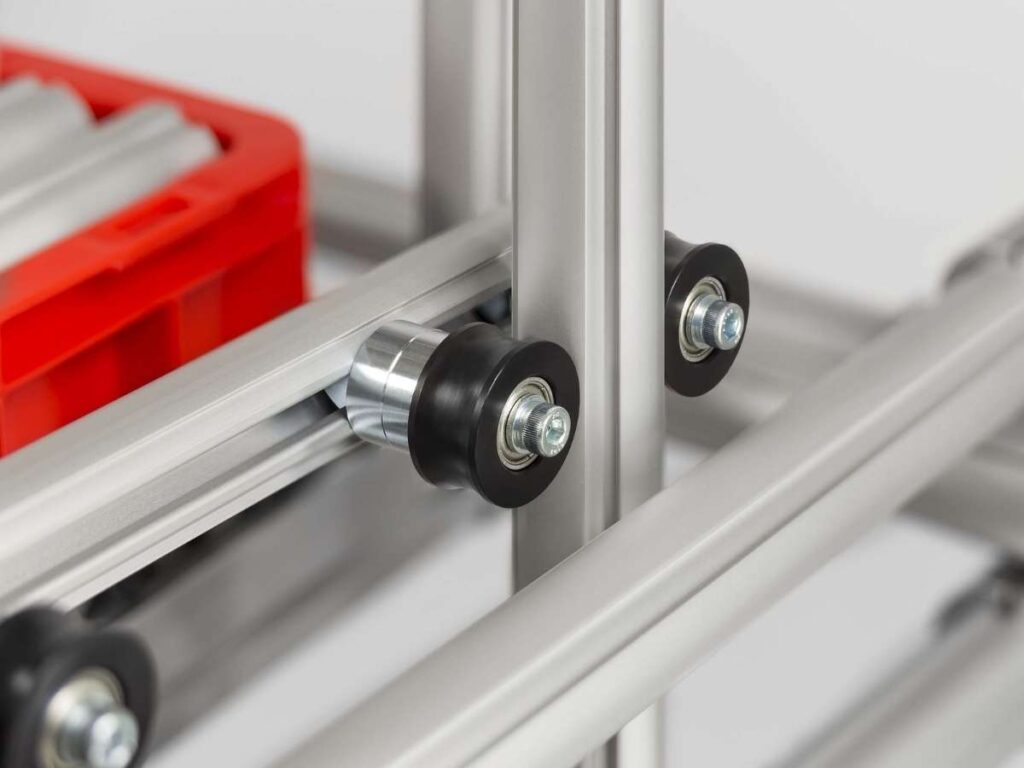
Not all moving parts are powered by motors. Sometimes, it’s the pulley or wheel doing the real work. These round components help transfer motion, guide belts, or move heavy loads. If they aren’t made right, everything else struggles.
I walked in factory where their conveyor kept stopping. The belt looked fine. The motor worked. But the pulley? Slightly off-center. That tiny flaw caused the belt to slip over and over. A new lathe-cut pulley fixed it in a day.
What Are Pulleys and Wheels?
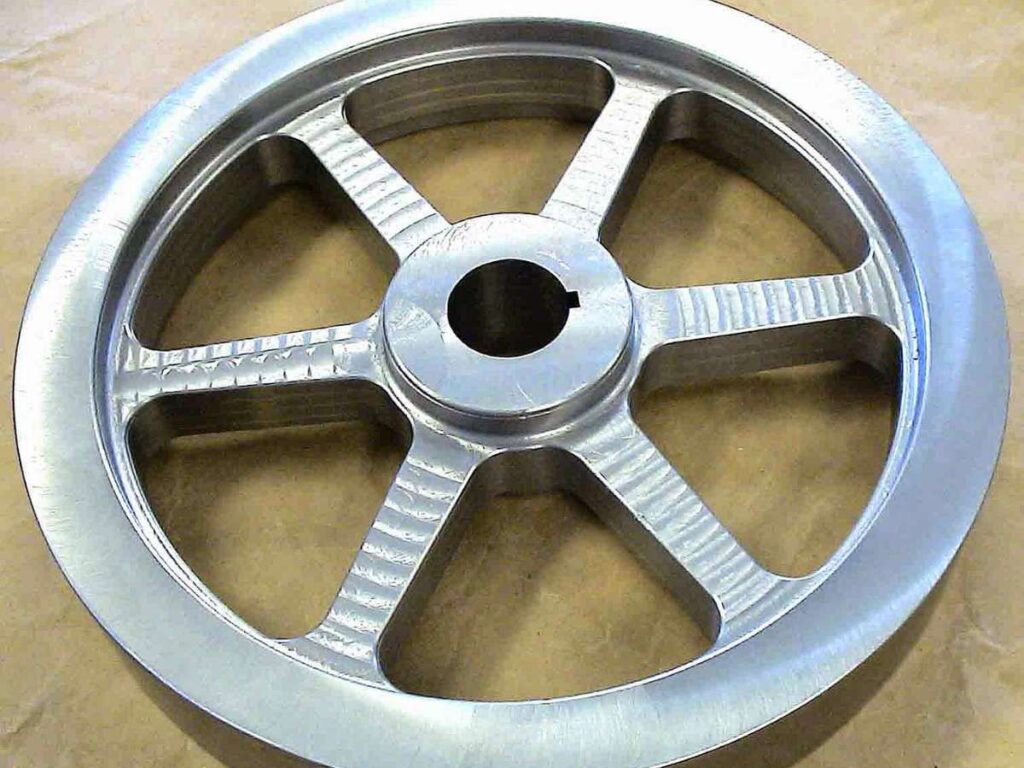
- A pulley is a round part with a groove for a belt or rope.
- A wheel can be solid or spoked and used to carry or move loads.
Both need to be balanced, round, and precise to avoid wear and wobble.
Why Use a Lathe?
Lathes help by:
- Shaping the round profile
- Cutting smooth grooves for belts
- Keeping center holes accurate
- Balancing the part so it spins evenly
Wheels and pulleys that aren’t balanced can ruin machines over time. A lathe makes sure that doesn’t happen.
Applications
Lathe-machined pulleys and wheels are used anywhere consistent motion and balance are required:
- HVAC Systems: Fan pulleys and blower wheels that need to stay stable to avoid vibration and reduce long-term noise.
- Material Handling: Conveyor wheels and idler pulleys that guide belts or support items through long production lines.
- Custom Machinery: Pulley systems where belt grooves must match exact speed or torque without slipping.
- Mobility Equipment: Lightweight wheels for carts, robotics, or frames where smooth rolling and even wear matter.
If you need your systems to move reliably, start with better-machined pulleys and wheels. A lathe gives you the balance, surface quality, and tight fit that help parts perform longer and more smoothly.
5. Custom Pipe Fittings and Adapters
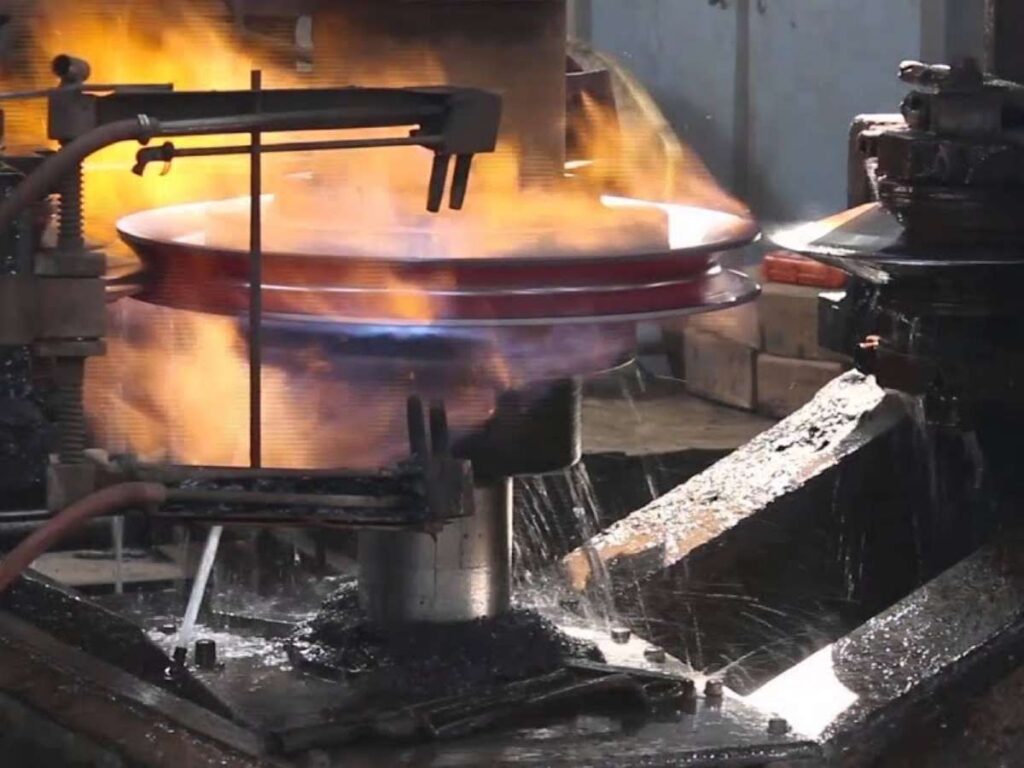
Ever tried to connect two pipes that just don’t match? That’s where custom fittings and adapters come in. These small parts let you join pipes of different sizes, shapes, or threads, especially when off-the-shelf parts won’t work.
What Are Fittings and Adapters?
- A pipe fitting connects two sections of pipe
- An adapter helps join different types or sizes of connections
They need tight fits and clean threads to prevent leaks.
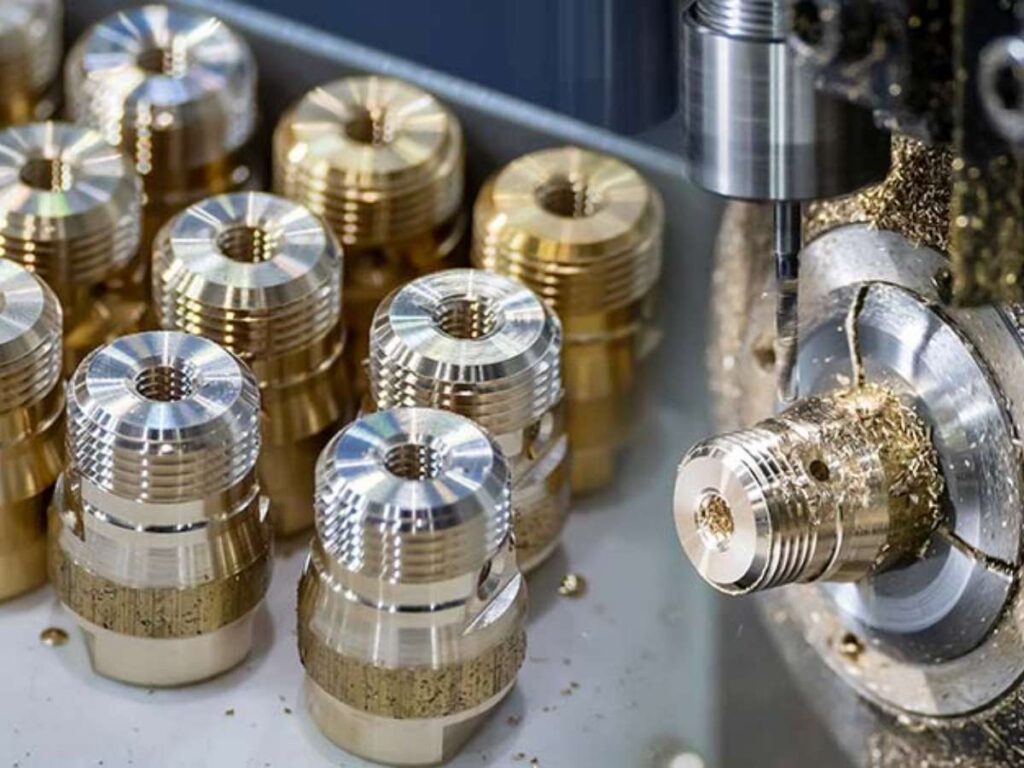
Why Use a Lathe?
Lathes are often used to make:
- Custom threads (both internal and external)
- Smooth tapers and grooves
- Clean surfaces that seal tightly
- Precise diameters that match unique systems
They’re also great when you just can’t find a standard part that fits your setup.
Applications
Custom fittings and adapters are used when standard parts don’t fit and when failure isn’t an option. Common uses include:
- Oil and Gas Equipment: Adapters that connect different thread types under high pressure, including legacy and modern systems.
- Chemical Processing: Custom stainless or plastic fittings that resist corrosion and fit mixed-material pipeline layouts.
- HVAC and Plumbing Systems: Special elbows, couplers, or reducers that solve space issues in tight mechanical areas.
- Laboratory Equipment: Precision fittings for gas lines, vacuum systems, or small tubing where every seal must hold.
Pipe systems only work when every part fits right. I’ve seen one bad adapter shut down an entire process, so if you need reliability, machining it right the first time matters.
6. Roller Components
I’ve learned that rollers might not seem exciting, but they handle some of the toughest jobs in a shop. I’ve watched lines slow to a crawl or stop completely just because one roller was off. It’s surprising how much depends on these simple round parts.
What Are Rollers?
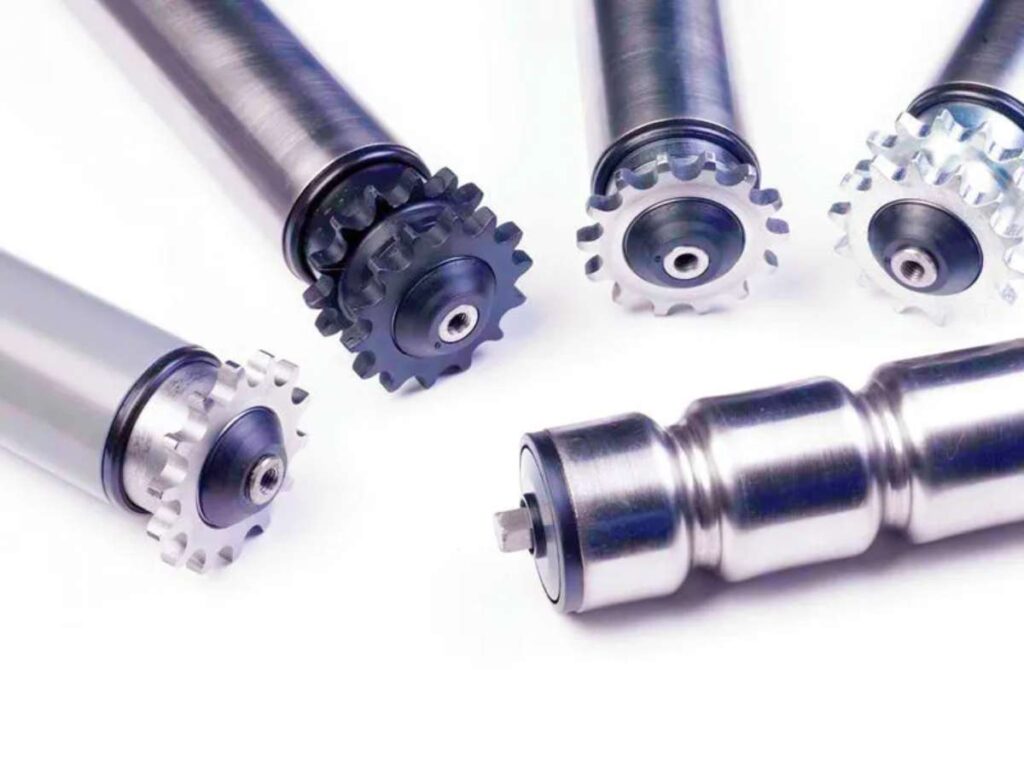
A roller is a round, turning part that helps move, support, or press materials. It’s usually made of metal, rubber-coated steel, or plastic. You’ll find them in everything from conveyor belts to packaging lines.
Why Use a Lathe?
Making rollers on a lathe works well because:
- The lathe creates a perfectly round surface
- You can match exact lengths and diameters
- It shapes shafts and sleeves together for strong support
- You can adjust for different materials and loads
Every roller needs to turn true without wobbling or dragging.
Applications
Lathe-machined rollers are used in systems where smooth movement and tight alignment are critical:
- Conveyor Systems: Rollers that guide or drive materials, handling both light packaging and heavy loads.
- Printing Presses: Rollers with fine finishes that press, guide, or ink paper at high speed and precision.
- Food Processing Equipment: Stainless or plastic rollers that move trays or goods through clean and washable lines.
- Material Feed Systems: Tension and idler rollers that keep films, wires, or fabrics moving without tearing or jamming.
When one roller goes out of round, your whole line can feel it. Machining your rollers on a lathe helps keep everything running smooth and steady from start to finish.
7. Pin, Dowel, and Axle Machining
Some parts don’t stand out, but machines wouldn’t work without them. Pins, dowels, and axles may be small, but they hold everything together or help it move in the right way.
Too tight, and things won’t fit.
Too loose, and they won’t stay in place.
What Are These Parts?
- A pin connects or locks parts in place
- A dowel is a small rod that helps line things up
- An axle supports rotating parts like wheels or gears
They all need to be accurate. Too loose, and things wobble. Too tight, and parts don’t fit.
Why Use a Lathe?
Lathes are the go-to tool for making these parts because they:
- Cut straight, round shapes with accuracy
- Produce smooth surfaces that slide or press-fit cleanly
- Handle detailed features like grooves or chamfers
- Work well for both one-offs and large runs
I’ve seen axles that looked perfect but wobbled under load because they weren’t turned properly. That slight off-center cut caused real problems in motion.
Applications
Pins, dowels, and axles are used where exact placement, alignment, or load transfer is required. A few real-world examples include:
- Assembly Fixtures: Precision dowels in tooling or jigs that help parts go together the same way every time.
- Mechanical Linkages: Steel pins in hinges or arms that pivot with repeated motion under varying forces.
- Small Engines: Axles and support rods inside pumps, fans, or gears that need to stay centered during high-speed rotation.
- Medical Devices: Miniature dowels or axles in equipment where exact alignment is needed with minimal play. If you’re in the medical space and need lathe-machined components that meet high performance and cleanliness standards, MachMaster is the supplier you can count on.
These parts might not be the first thing anyone notices but if they’re wrong, nothing else fits. A good lathe job makes sure these small pieces stay solid, smooth, and right where they’re supposed to be.
8. Flywheels and Rotating Discs
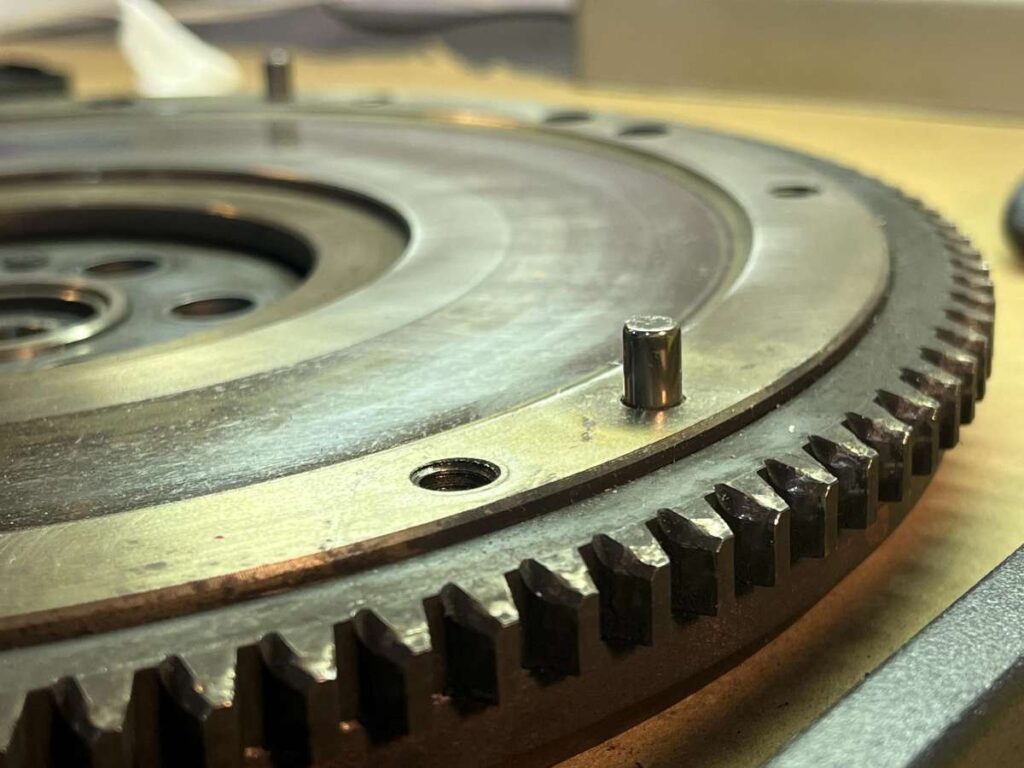
Flywheels and discs don’t just spin—they store and control energy. A flywheel is a heavy rotating part that helps keep machines running smoothly by balancing motion and reducing sudden changes in speed.
Think of it like a spinning weight that keeps things steady.
In many machines, if the flywheel isn’t perfectly round or centered, it can throw off the entire system. That’s why flywheels and similar discs are often made on a lathe.
What Is a Flywheel?
- It’s a round disc, often metal, that rotates with a shaft
- It stores kinetic energy (energy of motion)
- It helps keep movement steady in engines, presses, or pumps
Discs can also be used as brakes, clutches, or spacers in rotating systems.
Why Use a Lathe?
I trust a lathe for making flywheels and discs because balance is everything. Here’s what a lathe does that makes such a big difference:
- Spinning the part while cutting to keep it round
- Matching the weight evenly across the shape
- Creating smooth faces and clean center holes
- Allowing fine adjustments to prevent vibration
A poorly cut disc can shake a whole machine.
Applications
Flywheels and rotating discs show up in systems that need energy storage, controlled deceleration, or smooth rotational output. Here are a few examples:
- Engines and Generators: Flywheels store energy and regulate RPM, preventing stalls and stabilizing motion.
- Braking Systems: Rotors and discs used in vehicles or machines that require a flat, durable surface for controlled stopping.
- Power Tools: Rotating plates in grinders or cutters where even speed and stability reduce vibration and increase safety.
- Press Machines: Energy-storing flywheels that deliver bursts of force during each press cycle, helping control timing and force.
Rotating parts like these need balance, plain and simple. There are machines shaking themselves loose from poor disc machining, so trust in the process matters just as much as the material.
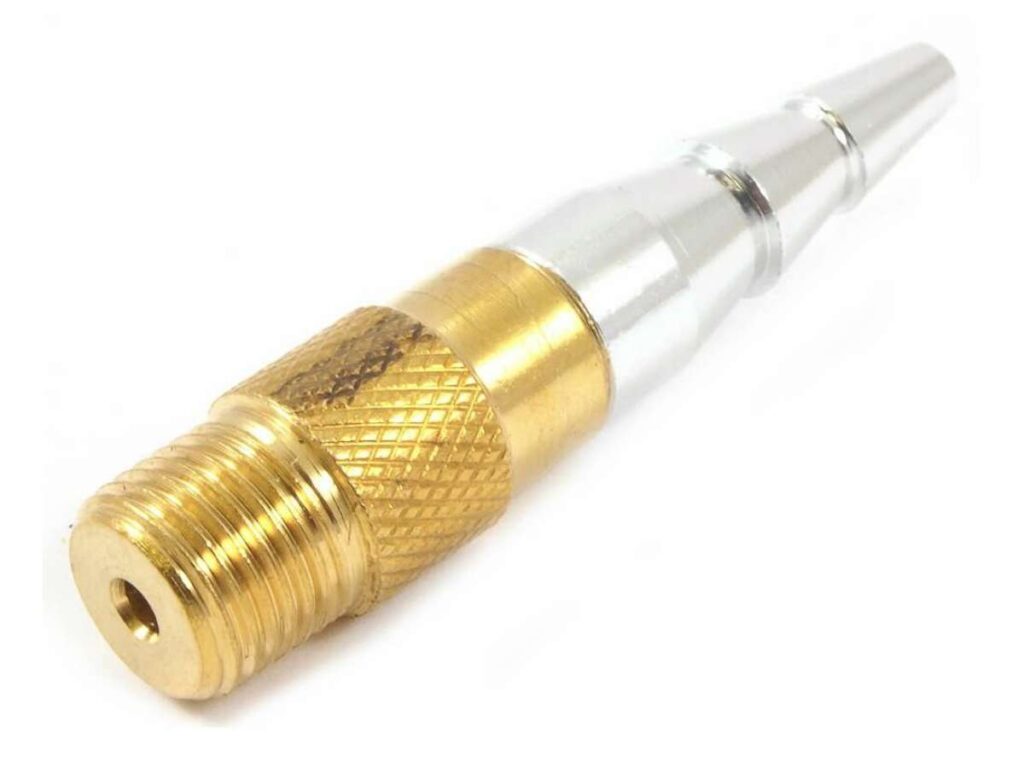
9. Nozzles and Tapered Adapters
Not every part is straight or flat. Some need to narrow down at just the right angle. That’s what nozzles and tapered adapters do. They guide flow like air, liquid, or gas through tight spaces or into smaller openings.
Getting that taper just right isn’t easy. A small change in angle can cause leaks, weak pressure, or a poor fit. That’s why lathe processing is often used to make these parts.
What Are Nozzles and Tapered Adapters?
I think of nozzles as simple tools that control the way something flows. They point and speed up air or liquid. A tapered adapter does a different job. It helps connect two parts that aren’t the same size or shape.
You’ll see both used anywhere the fit and the pressure really matter. Mess this up, and you’ve got leaks, wasted product, or even damaged gear.
Why Use a Lathe?
Lathes are great for shaping tapers because they:
- Rotate the part smoothly while cutting precise angles
- Let you control both inside and outside shapes
- Create clean surfaces that seal well
- Allow repeat cuts for multiple matching parts
In one project, I saw a team struggle with fitting a hose to a custom tank. Off-the-shelf adapters didn’t work. A quick lathe-cut taper fixed the issue on-site. Clean seal. No more leaks.
Applications
Nozzles and tapered adapters are essential wherever fluids, air, or pressure need controlled entry, exit, or redirection. Examples include:
- Hydraulics and Pneumatics: Tapered adapters and fittings that hold tight under pressure and keep systems leak-free.
- Chemical and Fuel Systems: Nozzles that deliver precise sprays or direct flow into tanks, chambers, or burners.
- Food and Beverage Equipment: Stainless nozzles and tapers used for clean dispensing, mixing, or sanitation lines.
- Welding and Cutting Gear: Tapered torch tips and gas nozzles that guide flame, control flow, or handle heat exposure.
These parts leave no room for error. A bad nozzle can waste product or cause a full system breakdown. When flow control matters, lathe machining helps you get the job done right the first time.
10. Knobs and Decorative Caps
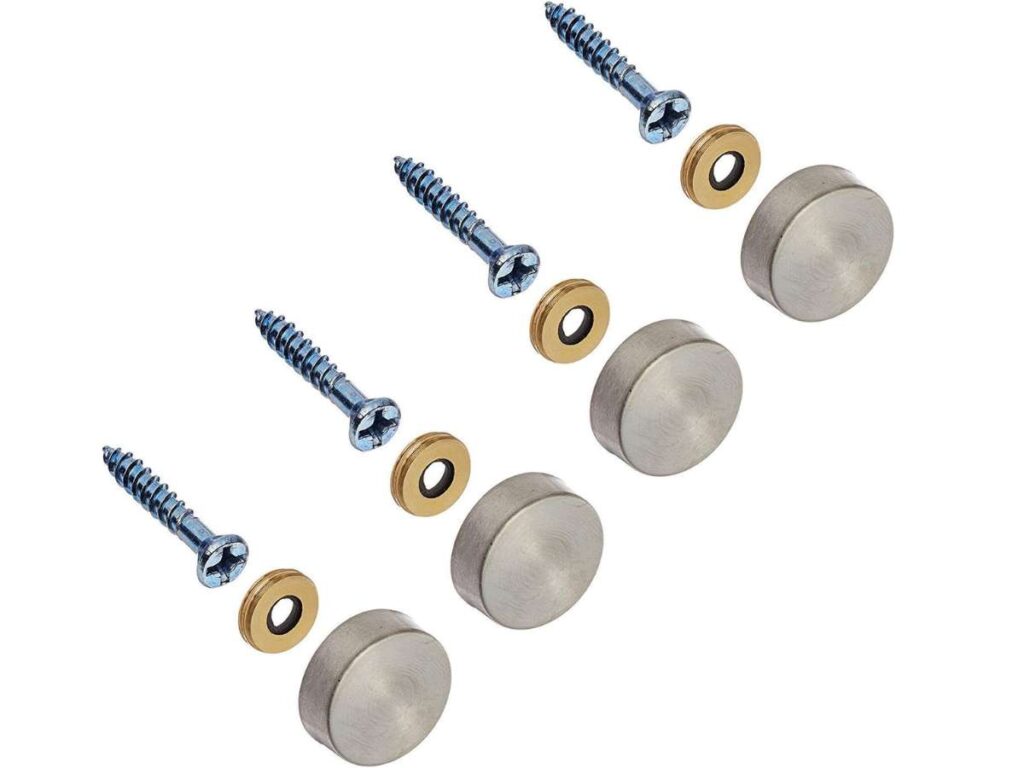
I’ve spent hours watching designers fuss over knobs and caps, turning them in their hands, squinting at tiny curves, debating which shape feels best. It surprised me how much these little parts matter. They’re not just about looks. They change how something fits in your hand and how easy it is to use.
What Are Knobs and Decorative Caps?
- A knob is a small, round handle used to turn or pull something
- A decorative cap covers the end of a rod or tube for safety or looks
They’re often made of metal or plastic and need to be smooth, centered, and cleanly shaped.
Why Use a Lathe?
Lathes are perfect for:
- Shaping smooth curves or rounded tops
- Cutting consistent diameters for tight fits
- Adding grooves, tapers, or textures
- Making one part or a full batch with the same precision
These parts often look simple, but people notice when they feel cheap or off-balance.
Applications
Knobs and caps are often the parts people notice first. Here’s where you’ll see them used:
- Control Panels: Knobs on dials or switches where feel, weight, and precision shape how the product is used.
- Consumer Products: Caps on tools, bikes, or gadgets that hide screws and give the product a clean finish.
- Medical Equipment: Smooth, easy-to-clean knobs for repeat use in cleanroom or clinical settings.
- Luxury Goods: Machined accents on watches, pens, or premium tools where appearance and finish signal quality.
When these parts are done right, the whole product feels better. With lathe machining, you get the control you need to make sure they fit, function, and look the way you want every time.
Conclusion
Now you’ve seen how lathes power everything from furniture to airplane parts.
It’s more than metal, it’s control over what you make.
I started out fumbling cuts late at night.
That struggle taught me the true worth of having a lathe.
If something in your process still isn’t fitting right, maybe it’s time to rethink how it’s machined.
MachMaster’s here to help you get it right.
Contact us today and we’ll machine your idea into reality!