
Choosing between anodized and non-anodized aluminum isn’t always straightforward.
I once worked with a client who was unsure which option made more sense for their project. Their biggest concern? Durability and whether the added cost of anodizing would actually pay off in the long run.
That conversation stuck with me. It highlighted how many people make material choices without having solid information to guide them.
If you’ve ever faced a similar dilemma, you’re not alone.
As someone who works with anodized finishes daily, I’ve seen how the right surface treatment can extend product life and reduce long-term costs.
In this article, I’ll break down the key differences between anodized and non-anodized aluminum. I will walk you through the pros and cons of each, and help you figure out what’s right for your application.
Let’s dive in!
Quick Comparison Chart
Are you trying to figure out which aluminum finish is the right choice for your project?
Here’s a quick comparison chart to help you see how anodized aluminum stacks up against raw aluminum in the real world. This side-by-side look makes it easier to weigh the trade-offs and choose what’s best for your business.
| Feature | Anodized Aluminum | Non-Anodized (Raw) Aluminum | Key Takeaway | When to Choose |
| Surface Appearance and Finish | Clean, uniform, and consistent look that stays polished. Color can be added and lasts as part of the metal, not just on the surface. | Tends to have a shiny but uneven finish that can fade or become blotchy over time. | Anodizing creates a visually appealing finish that feels professional and lasts much longer than untreated surfaces. | Choose anodizing when appearance and brand image are top priorities. |
| Corrosion Resistance and Durability | Excellent corrosion resistance thanks to a thicker oxide layer. Holds up in harsh environments like coastal areas or industrial settings. | Susceptible to pitting, oxidation, and general breakdown when exposed to moisture, salt, or chemicals. | Anodizing creates a more durable, corrosion-resistant surface that can handle tough conditions. | Go with anodizing for outdoor, high-contact, or heavy-use environments. |
| Maintenance and Cleaning | Easy to maintain with mild soap and water. Doesn’t need special cleaners or constant polishing, and resists stains from oils and salts. | More prone to staining, buildup, and streaking, requiring frequent or specialized cleaning. | Anodizing cuts down on cleaning and maintenance time, making it a better choice for busy areas or visible surfaces. | Anodizing is best for spaces where a clean and presentable finish is essential. |
| Strength and Structural Performance | Adds a hardened layer to the aluminum’s surface without changing the core strength. This layer resists dents and keeps parts looking sharp for longer. | More likely to dent or deform under knocks and bumps, since there’s no hardened surface to protect it. | Anodized aluminum combines the same lightweight strength with a tougher exterior for longer-lasting parts. | Use anodized parts when you want to extend the life of your materials without adding extra weight. |
| Environmental Impact and Sustainability | Anodizing uses electricity and water and produces minimal waste. Parts last longer, reducing waste from replacements. Fully recyclable like raw aluminum. | Shorter lifespan means more frequent replacements, which can add up in waste and energy use. | Anodizing supports sustainability by extending product lifespan and staying fully recyclable. | Choose anodizing if meeting green standards or reducing waste is part of your company’s sustainability goals. |
If you want to dive even deeper, the detailed breakdown below will show you exactly how these two finishes measure up in the real world.
1. What is Anodized Aluminum?
Ever held an aluminum part that felt extra solid, had a sleek finish, and looked like it could survive just about anything?
Anodizing is more than just a surface touch-up. It’s an electrochemical process that strengthens aluminum by thickening its natural oxide layer. This isn’t a paint or outer coating, it actually becomes part of the metal.
Here’s what anodizing does for aluminum:
- Boosts Durability: Adds real toughness to the metal.
- Scratch Resistance: That hard surface helps prevent everyday wear.
- Color That Lasts: The finish isn’t just skin-deep. It won’t chip or peel.
- Sleek Aesthetic: Smooth, professional look every time.
Anodizing takes aluminum from just okay to seriously impressive. When it’s done by a reliable service provider like MachMaster, you’re not just getting a better-looking part, you’re getting one that holds up over time.
It’s all about making the most of what’s already there and taking it to the next level.
2. What is Non-Anodized Aluminum?
Now that you’ve seen how anodizing transforms aluminum, let’s flip the coin.
Non-anodized aluminum is the starting point. The plain, unfinished metal before any special treatment.
This type of aluminum doesn’t get that protective boost, so it’s more prone to wear and corrosion over time.
Here’s how it stacks up:
- Soft and Exposed: Without the anodized layer, it’s easier to scratch, dent, and dull.
- Bare-Bones Look: No fancy colors or textures, just its raw, natural finish.
- Basic and Affordable: This is the no-frills choice. It’s aluminum in its most basic form. It is good for some uses, but nowhere near as tough as its anodized cousin.
Non-anodized aluminum has its own place. It’s straightforward and gets the job done when you don’t need fancy finishes or added protection.
Simple, basic, and easy on the budget. It’s the no-nonsense metal that covers the basics without the fuss.
3. Appearance and Finish
I’ve always felt that how something looks can say a lot about the care and pride behind it. With aluminum, the finish doesn’t just make it look better, it tells a story about quality.
Let’s take a closer look at how anodized and raw aluminum stack up when it comes to appearance and finish:
Anodized Aluminum
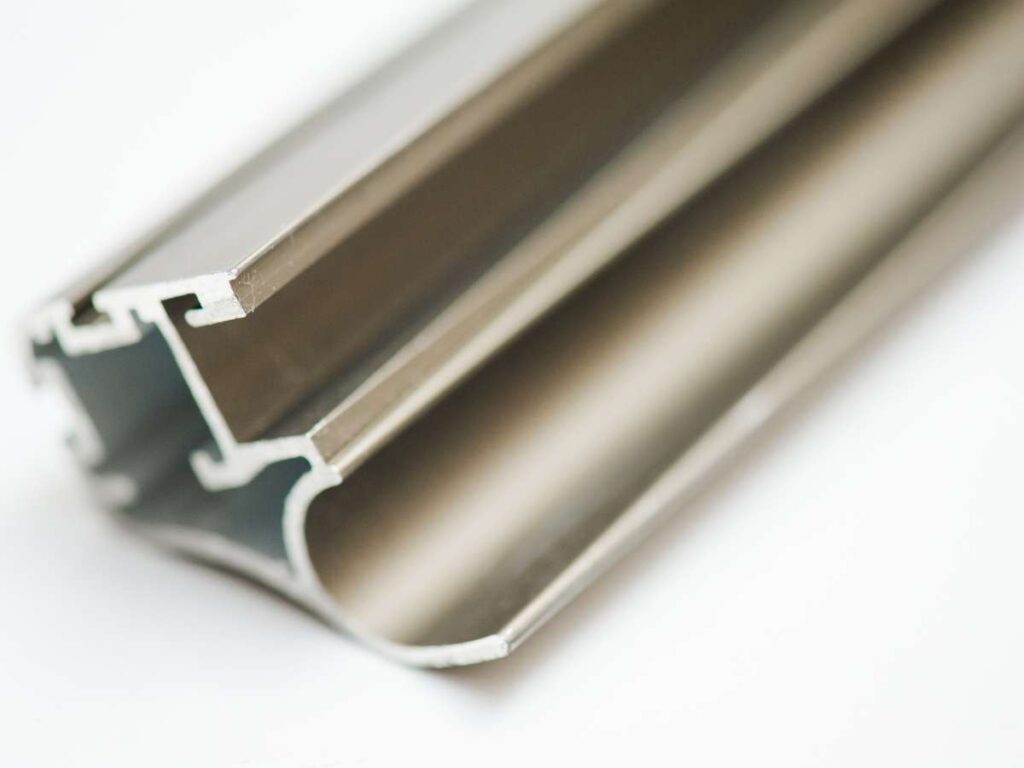
- Consistent Aesthetic: Anodized aluminum has a smooth and uniform finish that immediately gives a product a premium look and feel. It’s the kind of finish that people notice and remember because it feels deliberate and well-made.
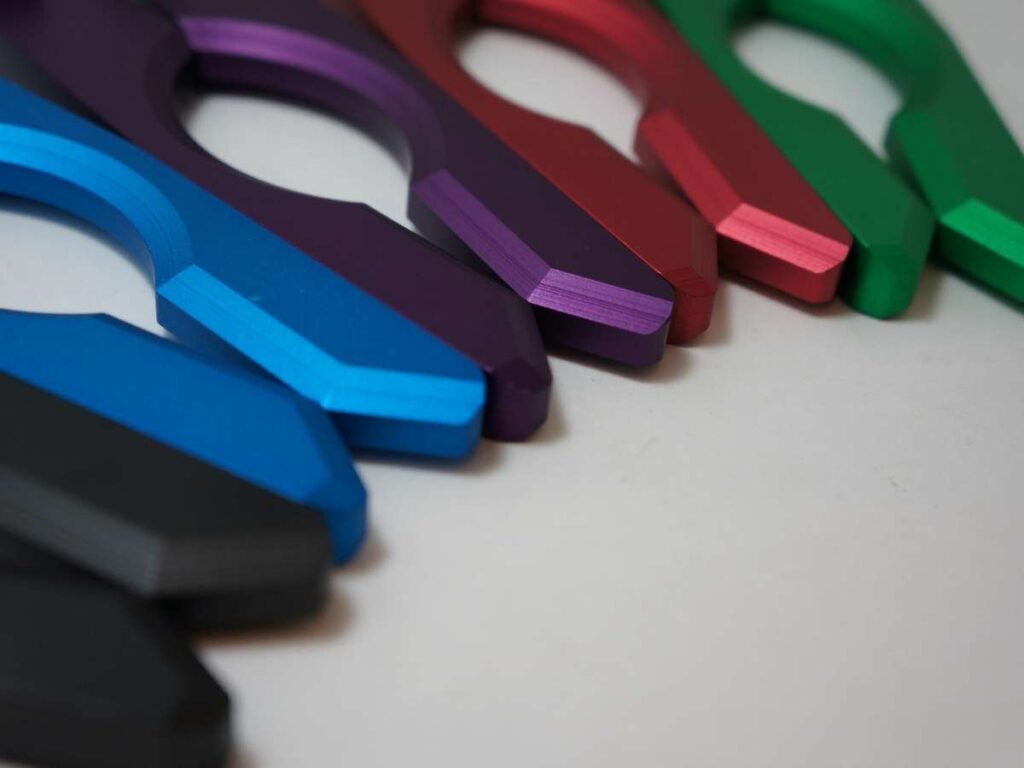
- Color Options That Last: One of the best things about anodized aluminum is that you’re not just adding a layer of color on top. The color becomes part of the metal itself, which means it stays vibrant and doesn’t chip or fade away even after years of use.
- Matte and Subtle Finish: Anodized aluminum usually has a soft matte or satin look that feels modern and sophisticated. It’s not too shiny or too loud. It just looks clean and refined.
Non-Anodized Aluminum
- Shiny but Uneven: Raw aluminum can start off with a shiny finish, but it doesn’t have that same consistent look. Over time, the shine can become patchy and make the product look older or cheaper than it is.
- Prone to Scratches: Without that extra layer of protection, non-anodized aluminum scratches and scuffs a lot more easily. It can start to show wear and tear pretty quickly, especially in areas that get touched or used a lot.
- Aging and Oxidation: At first, raw aluminum might look nice, but as soon as oxidation starts, it can look dull and blotchy. Once that happens, it’s tough to get it back to looking clean and new.
4. Corrosion Resistance and Durability
Whenever I see aluminum being used outdoors or in rough spots, I think about how much it has to handle. From rain to chemicals, the right finish can mean the difference between a product that lasts and one that doesn’t.
Here’s how anodized and raw aluminum measure up in terms of durability and corrosion resistance:
Anodized Aluminum
- Stronger Oxide Barrier: Anodized aluminum has a much thicker oxide layer that becomes part of the metal itself. This extra layer gives you better protection against moisture, harsh cleaning chemicals, and regular wear and tear.
- Great for Harsh Conditions: Anodized aluminum is used in some of the harshest environments, from coastal areas to industrial sites. Even after years, it still looks solid and performs well in places that can be tough on metal.
- Minimal Surface Breakdown: One of the things that is really good about anodized aluminum is that it doesn’t flake or peel like paint. Since the finish is bonded to the metal, it stays in place even if the part takes a few hits along the way.
Non-Anodized Aluminum
- More Vulnerable to Damage: Raw aluminum might be okay in mild conditions, but without a thicker protective layer, it can start to break down pretty quickly. I’ve seen how pitting and white rust show up fast in wet or salty environments.
- Faster Wear and Tear: Without that extra protection, untreated aluminum can start looking rough and worn long before it should. It often means more repairs and replacements than you’d expect.
- Higher Maintenance Costs: Anodized finishes may cost a little more up front, but they save money over time by cutting down on how often you need to replace or fix worn-out parts. It’s a smarter choice when durability really matters.
5. Maintenance and Cleaning
No one wants to spend extra time scrubbing or worrying if things still look good. For aluminum, the finish can really make a difference in how easy it is to keep things clean and presentable.
Below, we’ll see how anodized and raw aluminum compare when it comes to maintenance and cleaning:
Anodized Aluminum
- Low Maintenance Needs: Anodized aluminum is a breeze to clean with just soap and water, making it easy to keep everything looking fresh and presentable.
- No Staining or Streaking: The sealed finish of anodized aluminum doesn’t soak up stains from grease or grime. This is especially helpful in busy or messy areas where you need surfaces to look their best.
- Stays Looking New: Light, regular cleaning is all it takes to keep anodized aluminum looking like new. That means less effort and more time to focus on what matters most.
Non-Anodized Aluminum
- Gets Dirty Quickly: Raw aluminum can get chalky and dull fast, and even after cleaning, it can still look worn or uneven.
- Higher Maintenance Costs: More cleaning means more labor and supplies, which can really add up over time. That can take a bite out of your budget if you’re not careful.
- Doesn’t Stay Fresh: Without a protective finish, raw aluminum doesn’t hold up as well against dirt and grime. It can end up looking tired and old much sooner than you’d expect.
6. Strength and Structural Performance
I’ve always thought aluminum’s natural strength is one of its best features. Still, the finish you choose can make a huge difference in how well that strength holds up over time.
Here’s a closer look at how anodized and raw aluminum stack up when it comes to performance:
Anodized Aluminum
- Tougher Outer Shell: Anodizing makes aluminum even tougher on the outside, so it’s more resistant to scratches, wear, and the kind of everyday bumps that come with real use. It feels like adding a protective shield that’s built right in.
- Great for High-Contact Areas: I’ve seen anodized aluminum used on things like doors, handrails, and equipment, and it still looks great after years of use. That kind of finish really holds up in places where raw aluminum would get beat up pretty fast.
- No Flaking or Peeling: What’s great about anodizing is that the finish becomes part of the metal. It doesn’t chip off or peel away, which means your parts stay strong and look good no matter how much they’re handled.
Non-Anodized Aluminum
- More Prone to Dents and Scratches: Raw aluminum doesn’t have that extra tough layer, so it shows dents and scratches a lot quicker. Over time, those small marks can really add up and make things look worn out.
- Not as Good for Long-Term Use: While raw aluminum can handle some light use, it’s not as reliable in busy or demanding areas. You might find yourself swapping out parts more often than you’d like.
- Core Strength Stays the Same: Anodizing doesn’t change what’s inside, but it does make the outer layer stronger and better at handling everyday wear. That’s a big deal if you want the parts to last without constant upkeep.
7. Environmental Impact and Sustainability
I’ve been seeing more businesses choosing materials that last longer and create less waste. When you’re working with aluminum, the finish can make a real difference in meeting those sustainability goals.
Let’s check how anodized and raw aluminum stack up in terms of environmental impact and sustainability:
Anodized Aluminum
- Extended Product Lifespan: Anodized aluminum stays strong for years, so you don’t have to replace it as often. That kind of durability cuts down on waste from constant manufacturing and shipping.
- Eco-Friendly Process: Anodizing uses mostly electricity and water, and when it’s done the right way, it doesn’t create much toxic waste. Compared to finishes like painting or plating, it’s usually a cleaner and greener choice.
- Fully Recyclable: Even after years of use, anodized aluminum can be recycled just like raw aluminum. It doesn’t need any special processing, which is great for both sustainability and cost savings at the end of its life.
Non-Anodized Aluminum
- Shorter Lifespan: Raw aluminum might be fine for some uses, but it doesn’t last as long in tough environments. That can lead to more replacements and more waste over time.
- More Frequent Maintenance: Because it’s more prone to wear and corrosion, raw aluminum often needs more cleaning, recoating, or even full replacements. All of that adds up to more resources and energy used.
- Still Recyclable: The good news is that even if it doesn’t last as long, raw aluminum is still easy to recycle. You don’t need any extra steps to keep it in the recycling loop.
8. How to Choose Between the Two Processes
I’ve worked with enough sourcing teams to know that choosing between anodized and non-anodized aluminum isn’t always a simple yes or no. It really depends on how, where, and how long the product is expected to perform.
Here’s how I usually help teams break it down:
#1 Operating Environment
If your aluminum parts are going to be exposed to moisture, chemicals, or outdoor weather, anodizing is usually the safer route. The thickened oxide layer prevents corrosion and extends the material’s service life in harsh environments. For dry, temperature-controlled spaces with limited exposure, non-anodized aluminum may be perfectly suitable.
The key is matching the finish to the real-world stress your parts will face.
#2 Appearance and Customer Expectations
When appearance matters, anodized aluminum offers a polished, consistent look that stands out from raw finishes. It maintains its finish longer and allows for color customization that’s baked right into the surface, especially when you work with a service provider like Machmaster that knows how to do anodizing right.
Raw aluminum, on the other hand, may oxidize unevenly and develop discoloration that can’t be buffed out easily. If your customers interact with or see the parts regularly, anodized is the better long-term choice.
#3 Processing Needs and Fabrication Steps
Non-anodized aluminum is easier to machine, weld, and bond because it has no hardened surface layer. If your project involves a lot of post-processing, raw aluminum can save time and tooling wear. Anodized aluminum is tougher and more brittle at the surface, which makes it harder to cut or modify after treatment.
In that case, it’s better to machine first, then anodize as the final step.
#4 Weigh Total Cost of Ownership
Anodized parts may have a higher upfront cost, but they often pay off with fewer repairs and replacements over time. Their durability means less downtime and fewer failures in the field. Non-anodized aluminum may be cheaper at the start but can end up costing more if frequent maintenance or part swapping is required.
Always compare lifetime performance costs, not just the initial price.
Conclusion
Aluminum isn’t one-size-fits-all, and now you know exactly why.
From surface finish to sustainability, this guide arms you with the answers you need to choose like a pro.
With the right knowledge, your materials can finally match your vision.
Ready to move forward with confidence?
MachMaster is here to support your next step. Contact us today and let’s turn your specs into results.
More Guides and Tips to Explore
We’ve got more for you! These articles provide more tips and guidance to keep you on track:
Still haven’t found what you’re looking for? Don’t hesitate to contact us. We’re available around the clock to assist you.