
I once picked the wrong shell for a product.
It looked good on paper. Specs seemed fine. But a few months in? Problems started. Cracks. Dents. Complaints. I had to start over and it cost me more than money.
That’s when I started learning what really makes a shell hold up.
Since then, I’ve worked on projects where the right material made all the difference. And in many cases, that material was aluminum alloy.
This article will help you figure out if it’s right for you.
We’ll look at how aluminum alloy shells perform in real life by weight, durability, heat resistance, and cost. By the end, you’ll know to decide if it fits your needs or if you should keep searching.
So let’s begin!
1. What Is an Aluminum Alloy Shell?
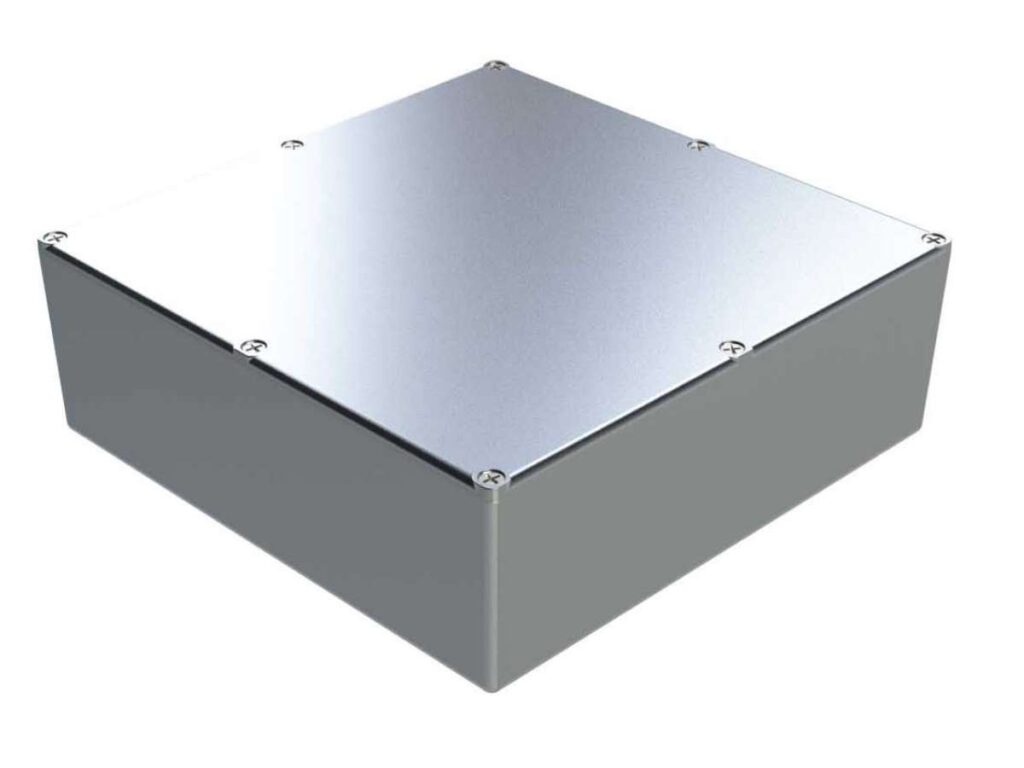
An aluminum alloy shell is an outer layer made from a mix of aluminum and other metals. It’s built to protect what’s inside whether that’s electronics, tools, or machines.
You’ve probably held one before. Think about a laptop case, a flashlight body, or even a drone frame. That smooth, silver outer layer? That’s often an aluminum alloy shell.
So, what’s the difference between a solid aluminum part and an aluminum alloy shell?
A solid aluminum part is just that solid all the way through. It might be used for things like brackets, rods, or blocks. It adds weight and strength where needed.
But a shell is different. It’s hollow. It wraps around the real working parts. It acts like skin or armor. Its job isn’t to do the work it’s to protect the stuff that does.
You’ll find these shells shaped in lots of ways:
- Enclosures (like power supply boxes)
- Housings (like electric motor covers)
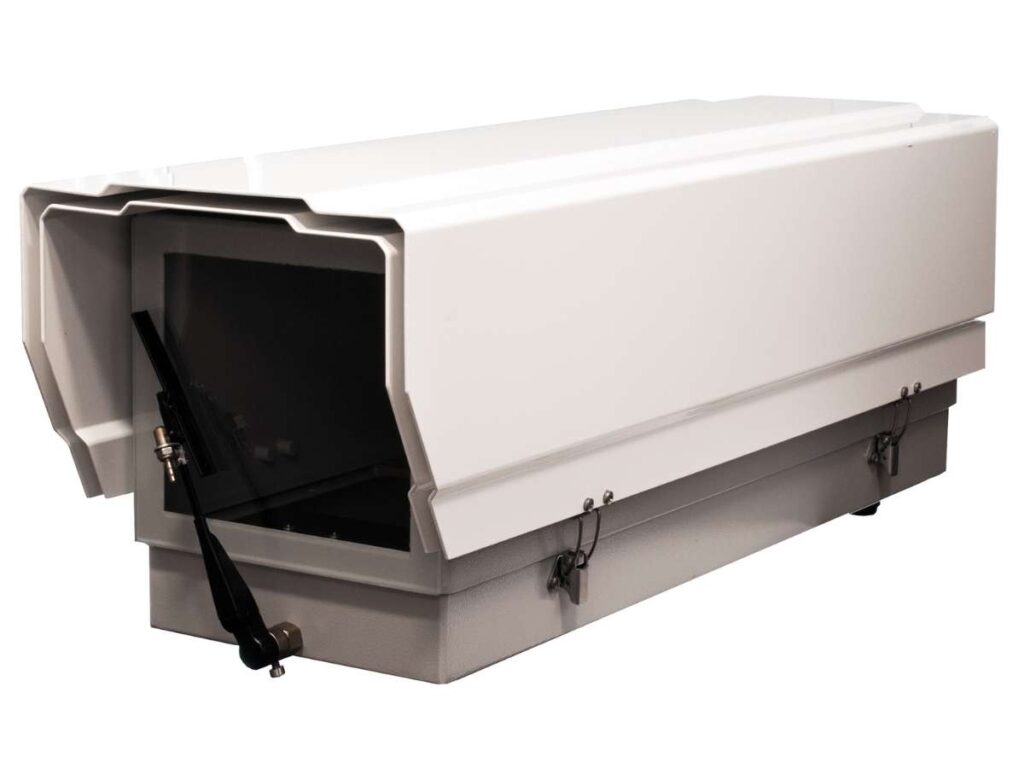
- Casings (like phone or camera bodies)
All these shapes are there to keep the inner parts safe from drops, dust, moisture, and heat.
I used to think going solid was always better.
But after building gear that was way too heavy and way too expensive, I realized something: you don’t always need full metal. Sometimes a strong shell is all you need.
Here’s why:
- Lighter: Solid metal adds weight fast. An aluminum alloy shell gives protection without bulk. This matters if you’re building handheld tools, drones, or anything portable.
- Design Options: Shells can be shaped, bent, or punched in ways solid parts can’t. Need ventilation holes? Curved edges? Hidden seams? A shell gives you that freedom.
- Cuts Costs: Less metal means less money. And aluminum alloys are easier to machine than stainless steel or titanium. That means faster production and fewer broken tools.
A solid build might sound strong but smart design isn’t about adding more. It’s about using just enough to protect what matters.
And sometimes, that’s exactly what an aluminum alloy shell does best.
2. Types of Aluminum Alloys Used in Shell Manufacturing
When I first started working with aluminum shells, I thought all aluminum was the same.
It isn’t.
The alloy grade you choose can change everything. How strong the part is, how easy it is to shape, and even how it looks. I’ve learned this the hard way after using the wrong grade for a small housing that cracked during bending. Lesson learned.
Popular Grades and Their Characteristics
- 6061 Aluminum: This one’s a favorite. It’s strong, weldable, and resists corrosion. If you want something that can be machined or anodized cleanly, start here.
- 5052 Aluminum: This grade is great if you need to bend or form your shell. It’s flexible but still strong. And it handles moisture better than many others.
- 7075 Aluminum: Now this one’s for serious strength. It’s used in airplanes and bike frames because it’s light but tough. Not easy to weld, but excellent when strength matters most.
- ADC12 Aluminum: This is a die-cast alloy ideal for complex shapes. It pours well, cools quickly, and finishes cleanly. It’s not the strongest, but it works well for electronics. Think about phone cases, motor shells, or gear housings.
How Alloy Choice Affects Performance
It’s not just about strength. Each alloy changes how your part behaves.
- Heat resistance: High-strength alloys like 6061 and 7075 perform better in hot environments. Good for motor covers or outdoor gear.
- Impact resistance: Softer alloys like 5052 bend instead of snapping. I like this for anything that might get dropped or bumped.
- Surface finishes: Want a clean anodized look? Go with 6061. Need to paint it instead? ADC12 works better.
The best alloy isn’t always the strongest or the cheapest.
It’s the one that fits your product and your goals. Choosing the right one saves time, reduces waste, and helps your shell do its job right.
3. How Aluminum Alloy Shells Are Made: Step-by-Step Process
I used to think making an aluminum shell was just shaping metal and adding a finish. Simple, right? But after a few failed projects, I learned how much each step affects strength, fit, and even electromagnetic shielding.
Whether you’re designing a new device or sourcing parts for production, this breakdown will help you spot potential problems early and get better results.
Step#1 Material Selection
Each alloy has its strengths:
- 6061 or 6063: Great for general enclosures
- 5052: Better for wet or salty conditions
- 7075: High strength for tough environments
Key Properties to Evaluate
You’ll want to look at:
- Conductivity: Helps block EMI (electromagnetic interference)
- Strength-To-Weight Ratio: Especially for portable or load-bearing designs
- Compatibility With Finishes: Some alloys take anodizing better
- Cost and Supply: Can you get it quickly and affordably?
Picking the wrong alloy can weaken the shell or reduce its shielding.
Step#2 Forming the Basic Shape
Common Methods
- Extrusion: Makes long parts with uniform cross-sections
- Die Casting: For complex shapes with curves or corners
- Sheet Metal Forming: Good for lightweight, foldable parts
- Machining From Billet: High precision for small-batch or special orders
Factors to Consider
- Wall Thickness: Affects both strength and heat dissipation
- Mounting Features: Need space for boards, fasteners, or standoffs?
- Tolerance: Gaps hurt EMI shielding. Fit has to be exact.
One project I worked on had tiny gaps at the seams. EMI testing failed, and we had to rework the tooling. Small things matter.
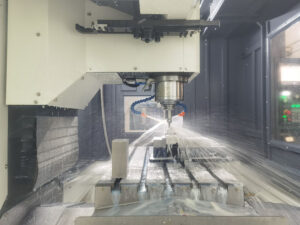
Step# CNC Machining and Secondary Operations
Precision Machining Tasks
- Cutouts for connectors or USB ports
- Threaded Holes and Bosses for mounting
- Flat Contact Areas to support clean conductivity
Deburring and Cleaning
After cutting, sharp edges and particles can get in the way.
- Deburring smooths the surface
- Ultrasonic or Chemical Cleaning prepares it for finishing
This step affects both shielding continuity and how well the finish sticks.
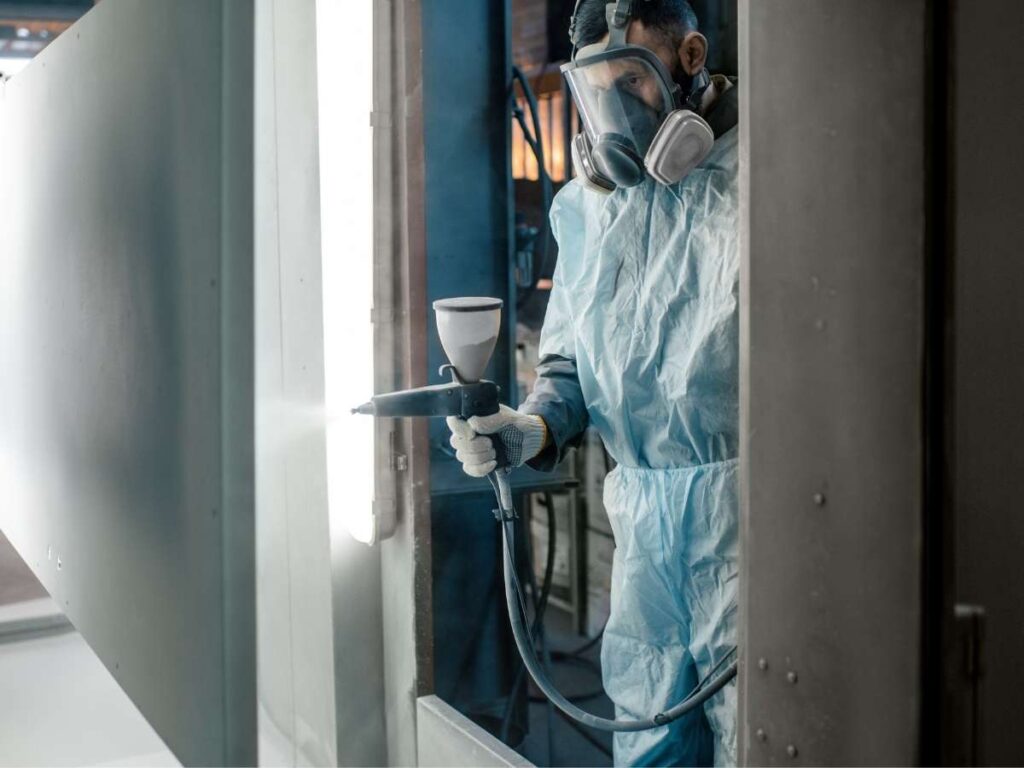
Step#4: Surface Treatment: Anodizing or Powder Coating
Anodizing Workflow
- Clean and Etch the part
- Apply Electrical Current in an acid solution
- Optional Dye and Seal to change appearance or close pores
Sealing makes the surface more durable but lowers conductivity. That can hurt EMI shielding if you’re not careful.
Powder Coating Workflow
- Clean and Pre-Treat the surface
- Apply Powder Using Electrostatics
- Bake to harden the coating
Powder coatings are thicker and usually non-conductive. Some additives can help, but it’s something to test.
Step#5 Assembly and Integration
Final Touches
- Apply EMI Gaskets or Foam to block interference
- Add Fasteners, Hinges, or Snaps
- Insert Threaded Anchors where needed
Functional Testing
- EMI Tests: Optional, but useful if shielding is critical
- Continuity Check: Make sure current can flow where needed
I’ve seen perfect shells ruined by poor assembly. It only takes one loose screw or misaligned part to kill your performance.
Step#6 Inspection and Quality Control
Common Tests Performed
- Visual Check: Look for surface defects or scratches
- Coating Thickness: Too thin or too thick affects performance
- Resistance Test: Confirm conductivity between metal points
- Optional EMI Test: Used in telecom or aerospace for verification
At MachMaster, we run these checks to keep quality high and surprises low. A final inspection helps catch problems before they reach your customer.
4. Common Applications Across Industries
When I first started working with aluminum alloy shells, I thought they were just for electronics.
But once I paid attention, I saw them everywhere, on my laptop, inside my car, even in hospital tools.
They’re used in more industries than you might think. And the reason is simple: aluminum alloy shells offer a balance of strength, weight, and cost.
Electronics and Consumer Devices
If you’ve held a smartphone, you’ve probably touched an aluminum alloy shell.
- Used for smartphone bodies, laptop shells, and camera housings
- Helps protect against drops, scratches, and heat
- Lightweight, which makes your devices easier to carry
I remember replacing a cracked plastic laptop case with an aluminum one. It felt cooler, stronger, and held up much better in my backpack.
This matters for personal buyers who want durable, premium-feeling products.
Medical Equipment
In hospitals, aluminum alloy shells are used for tools and equipment that need to stay clean and precise.
- Found in sterilizable cases for surgical instruments and diagnostic devices
- Withstands cleaning chemicals and high heat
- Doesn’t rust like steel when moisture is involved
If you’re a product designer in the medical field, aluminum helps meet hygiene and safety needs without adding bulk.
Automotive and Transportation
You’ll find aluminum shells inside cars, bikes, and electric vehicles.
- Used for housings around sensors, battery packs, and control units
- Helps reduce overall vehicle weight
- Can survive vibration and heat from engines
For procurement professionals in transportation, this balance of strength and lightness can lead to fuel savings and better performance.
Industrial and Automation
I once toured a factory floor and spotted aluminum shells on almost every machine.
- Used for motor enclosures, gearbox housings, and robotic arms
- Helps protect components from dust, oil, and impact
- Easy to customize for different machine sizes
If you’re a business owner sourcing enclosures for automation or machinery, aluminum alloy gives you protection without extra cost or weight.
Wherever precision and protection matter aluminum alloy shells show up. The trick is matching the right shell for the job. And once you do, you’ll see why so many industries rely on it.
5. Aluminum Alloy Shell vs Other Shell Material
I’ve tried them all—plastic for speed, steel for strength, magnesium for weight.
But time and time again, I come back to aluminum alloy. It’s the material that gives you just enough of everything without going overboard on cost or risk.
| Material | Weight (g/cm³) | Tensile Strength (MPa) | Heat Resistance | Cost Range (USD/kg) | Common Use Cases |
| Aluminum Alloy | 2.7 | 150–450 | Up to ~200°C; stable under load | $2–4 | Laptops, camera bodies, auto housings, motor covers |
| Plastic (ABS/PC) | 1.0–1.4 | 40–70 | Softens at 80–120°C | $1–2 | Toys, low-end electronics, indoor enclosures |
| Steel (Mild/SS) | 7.8 | 400–1000 | Up to ~500°C; great for heat zones | $3–6 | Industrial casings, impact shells, heavy-duty enclosures |
| Magnesium Alloy | 1.7–1.9 | 200–330 | Up to ~150–200°C; flammable risk | $5–10 | Aerospace, drones, premium handheld gear |
6. Challenges and Limitations of Aluminum Alloy Shells
I like aluminum alloy. I really do. But it’s not perfect.
Just like any material, it has trade-offs. I’ve had to deal with all of them tight budgets, tricky shapes, and more waste than expected.
Cost Considerations
Let’s be real, aluminum alloy costs more than plastic.
That alone might be a dealbreaker for low-cost products. I remember quoting a batch of small device shells, and the aluminum option came in almost double the price of plastic.
But it wasn’t just the raw material.
- Secondary processes like anodizing or powder coating add more cost.
- Machining or casting setups cost more too especially in small runs.
If you’re working with a tight budget or selling to price-sensitive customers, aluminum might push your costs too high.
Design Constraints
Plastic gives you freedom. You can mold it into almost any shape. With aluminum, it’s not that easy.
- Aluminum is more rigid, so deep curves or thin walls can be a challenge.
- Complex shapes often need multi-part assembly, which adds time and labor.
- Some designs just don’t translate well into aluminum without changes.
I once had to redesign a sleek plastic enclosure into two aluminum halves just to make it manufacturable. It looked fine but it took extra time and money to get there.
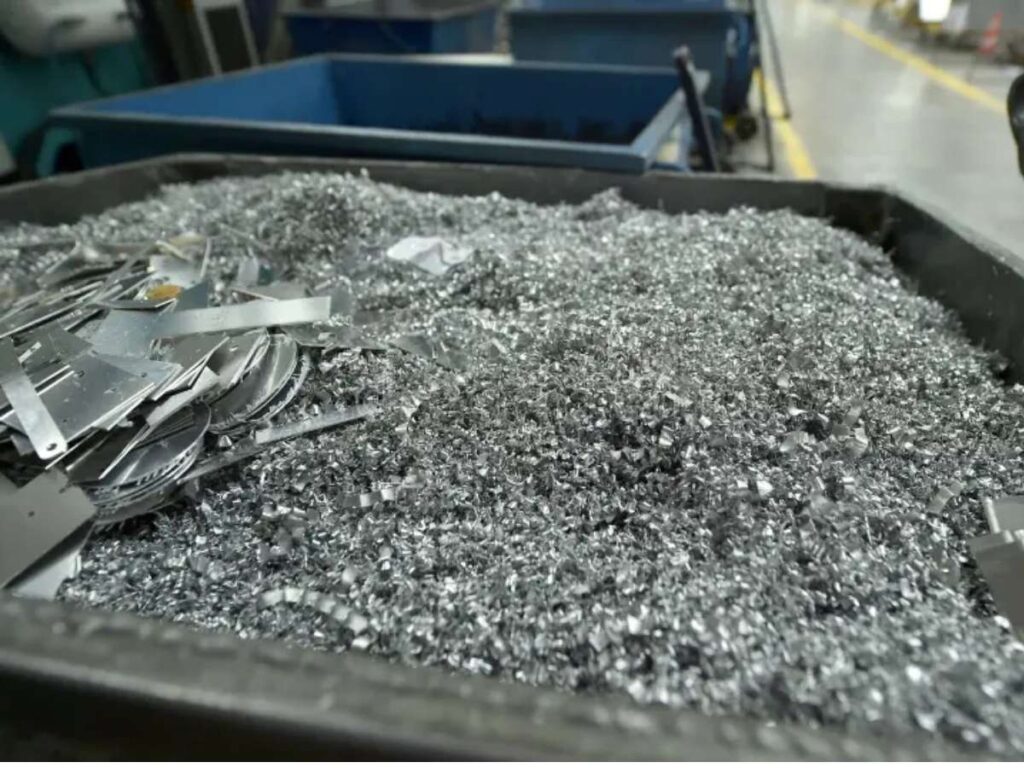
Machining Waste
If you’re using CNC machining or cutting, get ready for scrap.
- A lot of material gets removed from solid blocks.
- That means more waste and higher cost per part.
- You may also need stronger tools to cut through harder alloys.
I’ve seen bins full of aluminum chips after a prototype run. It’s part of the process, but it still stings when you’re paying by the kilogram.
Surface Finish Challenges
Aluminum shells can show flaws like uneven anodizing or tool marks, especially in tight-tolerance designs. These issues affect both looks and fit. At MachMaster, ISO 9001-certified processes and ±0.01mm tolerance controls help reduce surface variation and improve consistency making it easier to get clean, repeatable results across batches without extra rework.
7. 4 Factors to Consider When Choosing an Aluminum Alloy Shell
When I first worked with aluminum alloy shells, I thought the decision was simple. Just pick one that looked strong, right? I was wrong. The more projects I handled, the more I realized it’s the small details that matter most.
#1 Material Grade
Aluminum alloys come in different grades. Each one has a different mix of aluminum and other metals like magnesium, silicon, or copper.
- 6061 is strong, weldable, and great for general use.
- 5052 resists corrosion better and bends more easily.
- 7075 is super tough often used in aerospace.
If you’re building something that takes a beating, go for strength. If looks and corrosion resistance matter more, pick accordingly.
#2 Finish Type
The finish isn’t just about appearance.
- Anodizing adds a protective layer. It also helps paint or dye stick better.
- Powder coating gives a thicker, tougher layer and can handle outdoor wear.
Ask yourself if you need it to shine, resist scratches, or survive rough weather?
#3 Wall Thickness
This part’s easy to overlook. But it affects weight, strength, and cost. Thin shells are light and cheap—but easier to dent. Thick shells hold up better but cost more and add weight. For handheld or portable products, you’ll want to find a good balance.
#4 Tolerances
Tolerances are the small differences allowed in size or fit. If parts don’t match well, you’ll get gaps, rattles, or stress points. A tight tolerance (like ±0.01mm) means a better fit but it’s harder and more expensive to make.
Conclusion
Now you know what aluminum alloy shells are, how they’re made, where they shine and where they don’t.
Use this guide to weigh your options.
Start small. Test samples. Talk to manufacturers who get it.
Your product deserves protection, performance, and pride.
So, what’s your next step?
Will your shell hold up under pressure?
At MachMaster, we’ve helped engineers, buyers, and business owners build housings that stand the test of
time. Contact us today to explore how we can help you build with confidence.