
Aluminum CNC Machining Service
Precision Aluminum Parts Manufacturing for Lightweight and High-Performance Applications
Machmaster provides custom aluminum CNC machining services for companies requiring lightweight, accurate, and reliable machined components.
We manufacture precision aluminum parts
- Automation Systems
- Automotive suppliers
- Electronics companies
- Robotics manufacturers
- Industrial equipment companies
Our aluminum machining capabilities
- CNC milling
- CNC turning
- 5-axis machining
- Prototype machining
- Low-volume production
20+
Years CNC Manufacturing Experience
40+
CNC Machining Centers
10,000+
Customers Served
ISO 9001
Certified Quality System
Our Aluminum CNC Machining Capabilities
Machmaster provides complete aluminum machining solutions for complex and precision components.
Our CNC milling capability produces
- Aluminum housings
- Mounting brackets
- Structural components
- Precision plates
- Enclosures
- Mechanical assemblies
Machining capabilities
- Complex pockets
- Thin-wall features
- Precision holes
- Contoured surfaces
- Multi-side machining
Suitable
- Functional prototypes
- Production components
- OEM assemblies
We manufacture aluminum turned parts including
- Shafts
- Spacers
- Bushings
- Rings
- Connectors
- Cylindrical components
Turning operations
- OD turning
- ID boring
- Threading
- Grooving
- Precision finishing
For complex aluminum components requiring multiple machining angle.
Benefits
- Reduced setups
- Improved accuracy
- Better surface quality
- Complex geometry capability
Applications
- Aerospace structures
- Lightweight mechanical parts
- Precision assemblies
Typical Aluminum Workpieces
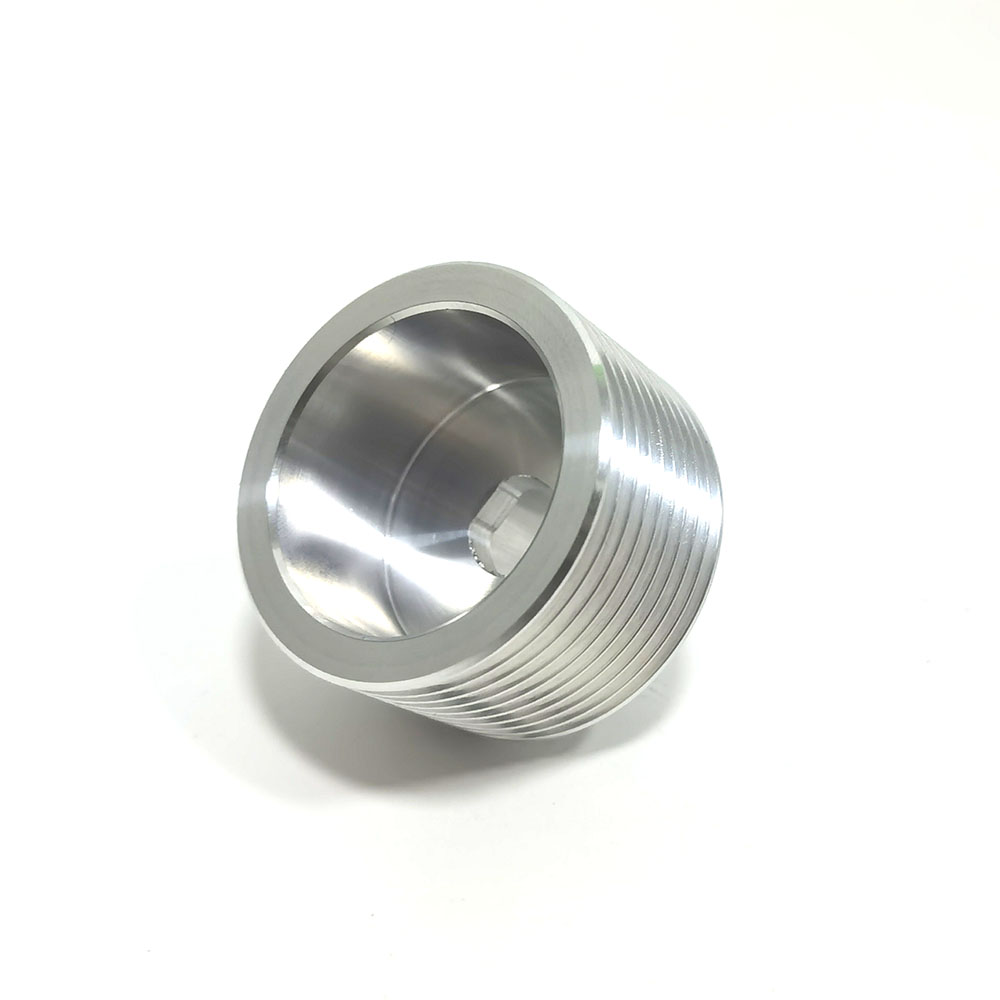
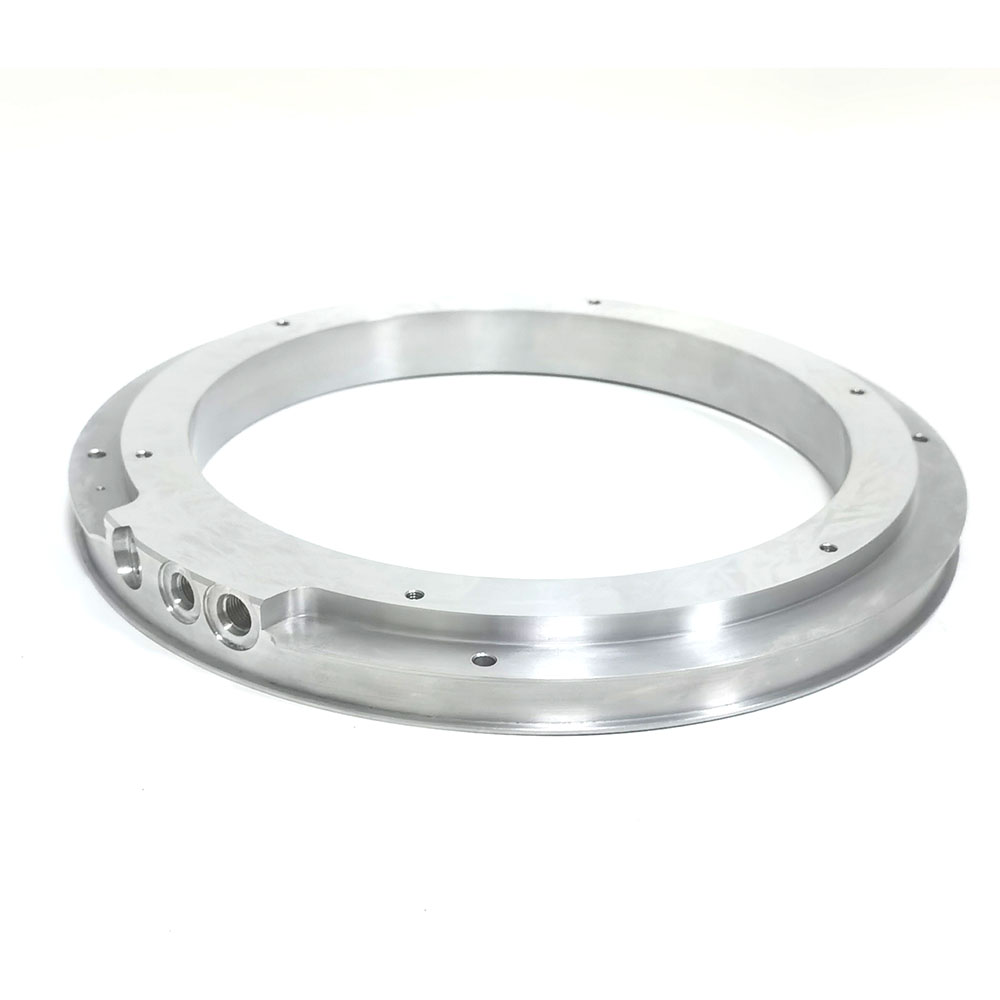
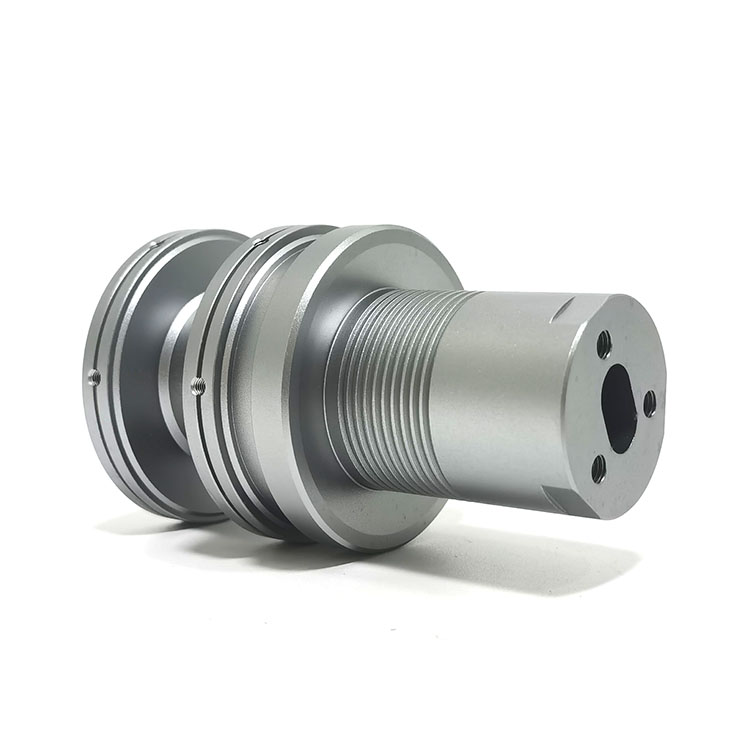
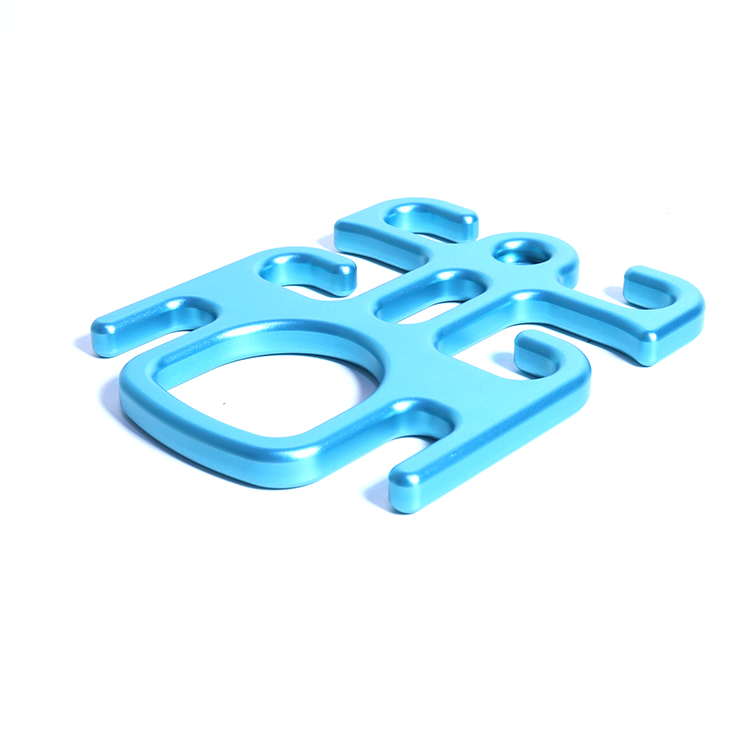
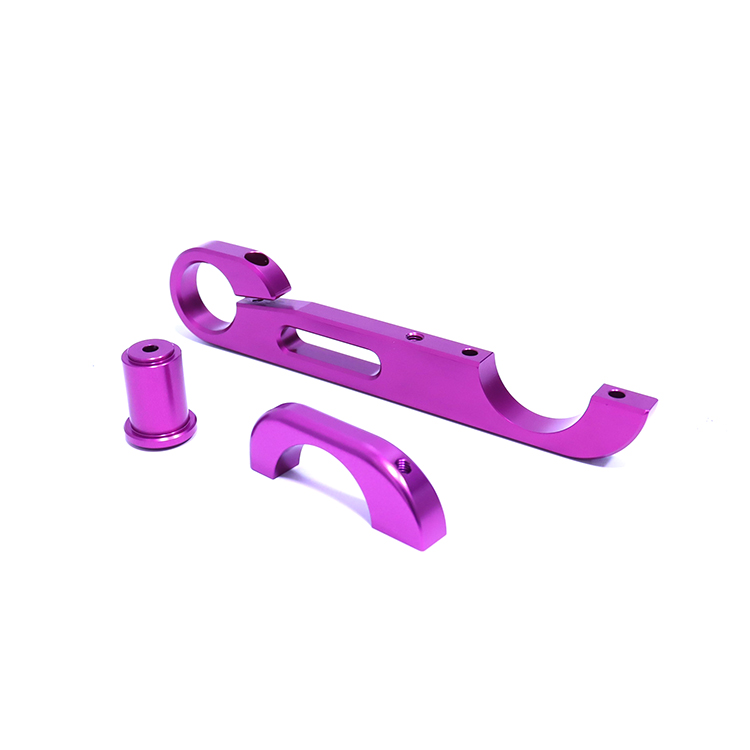
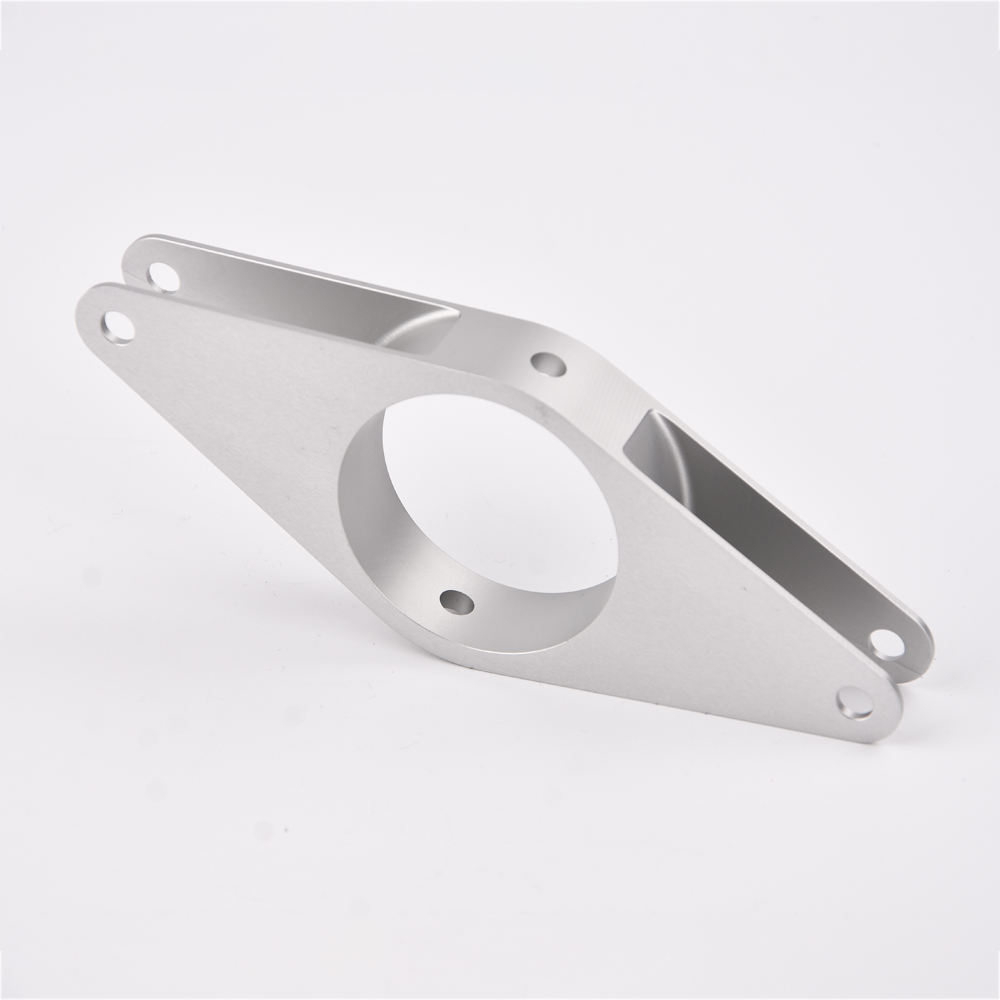
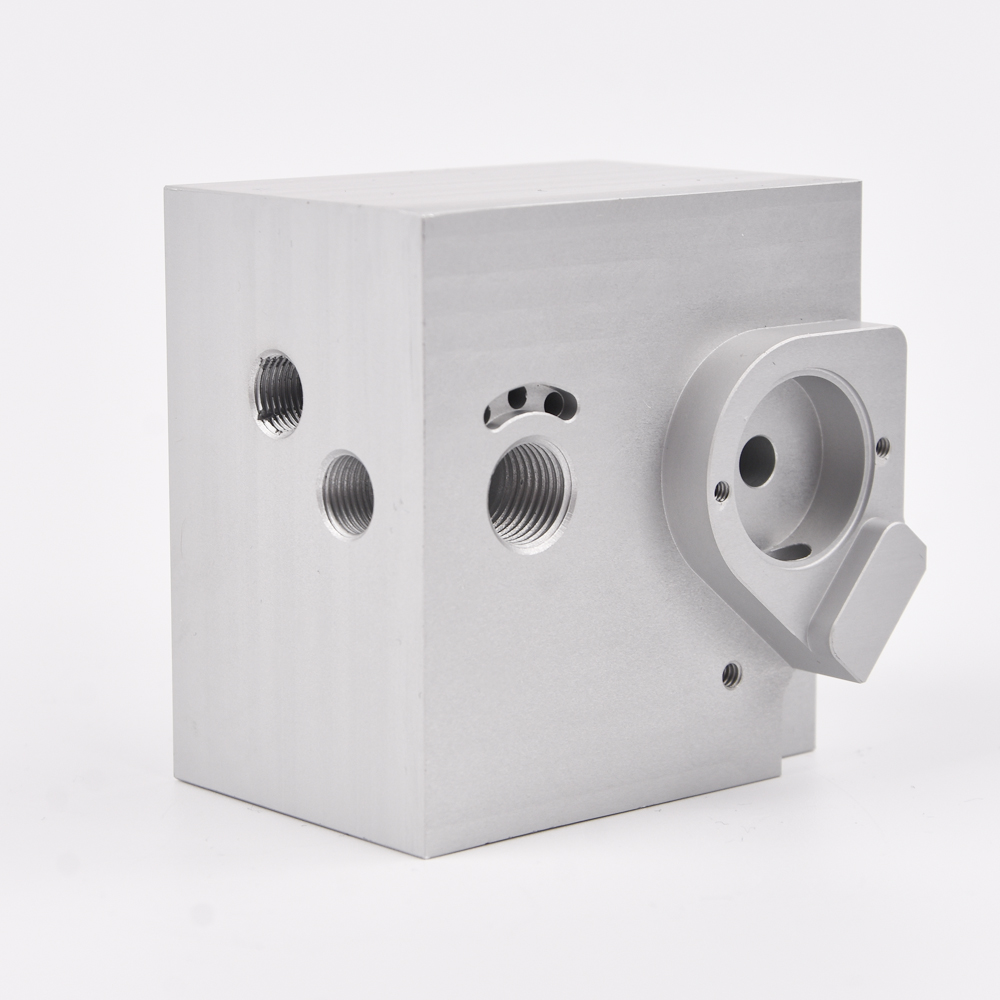
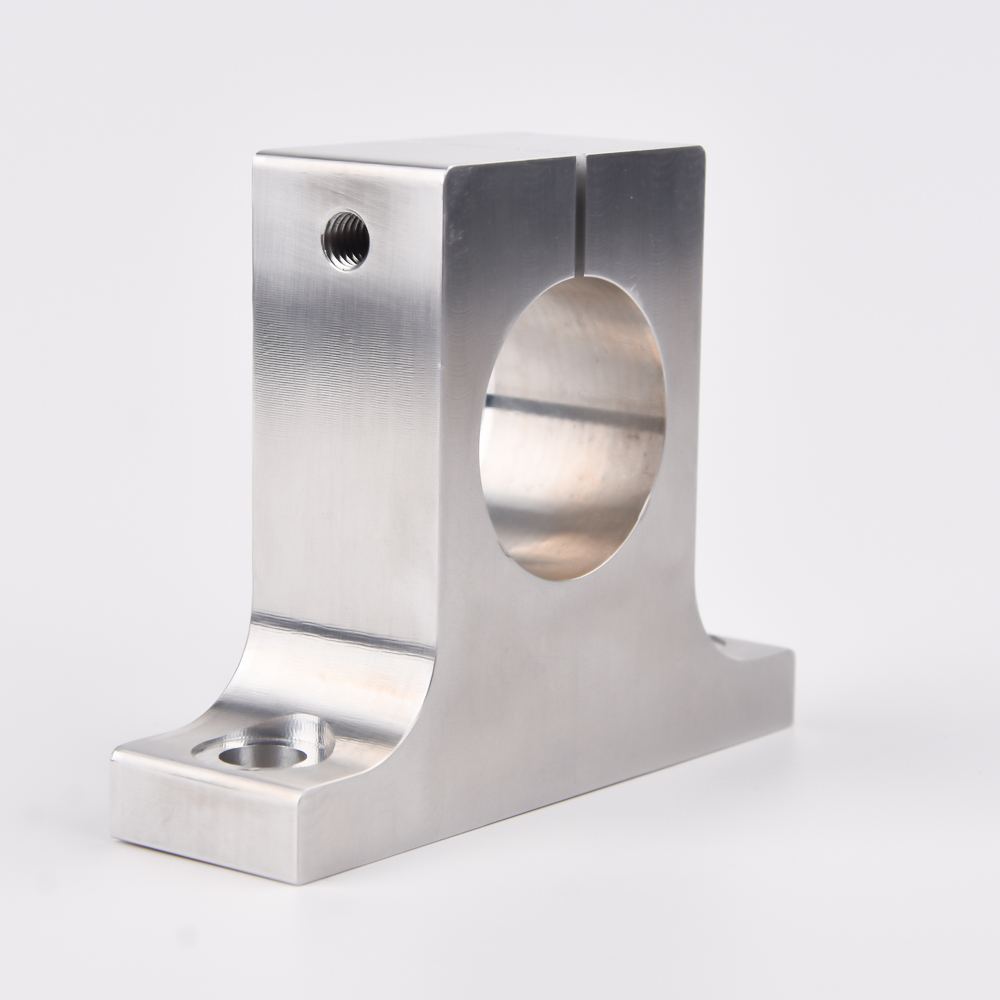
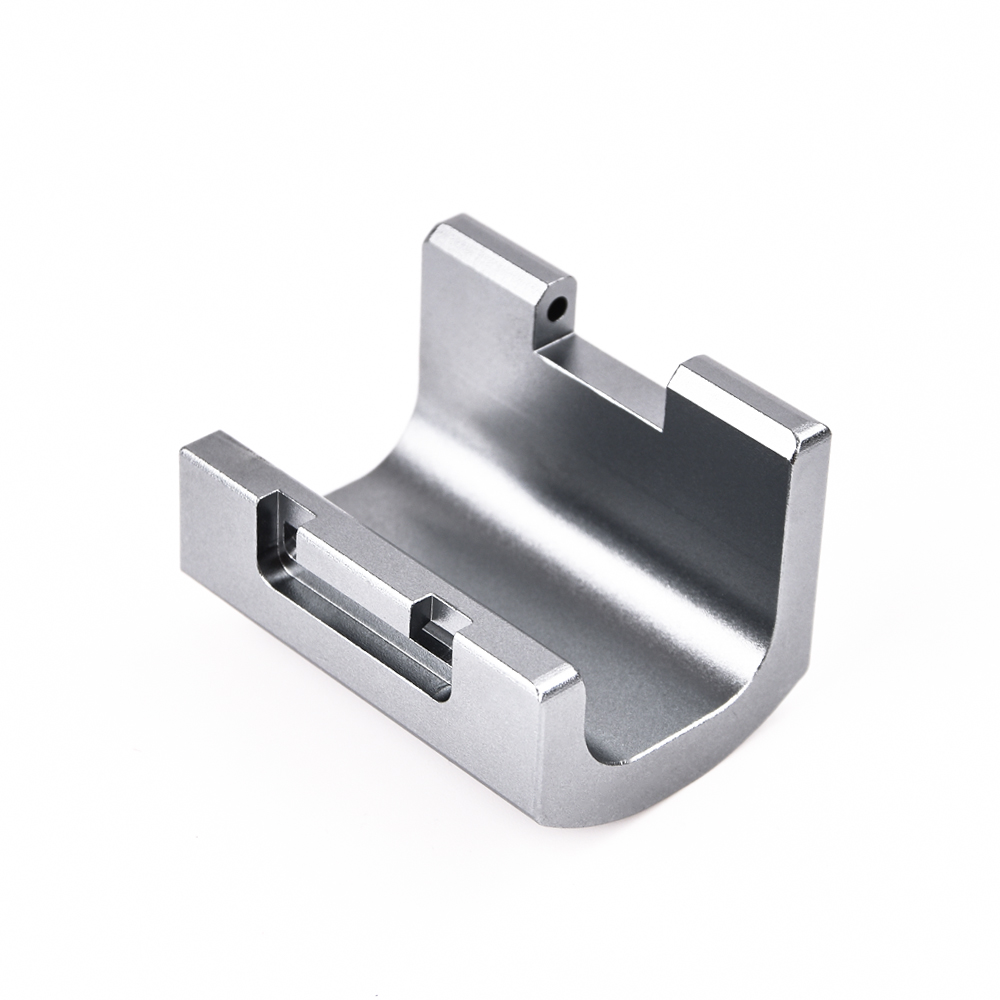
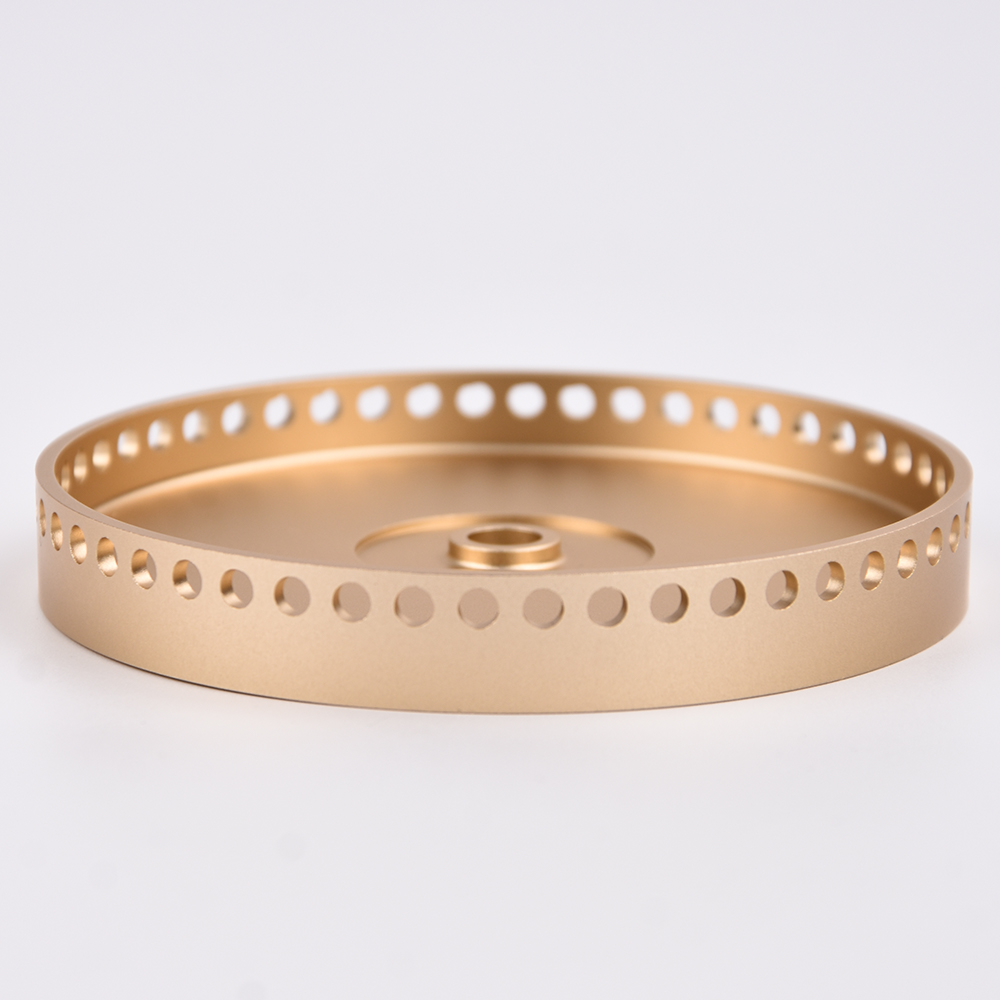
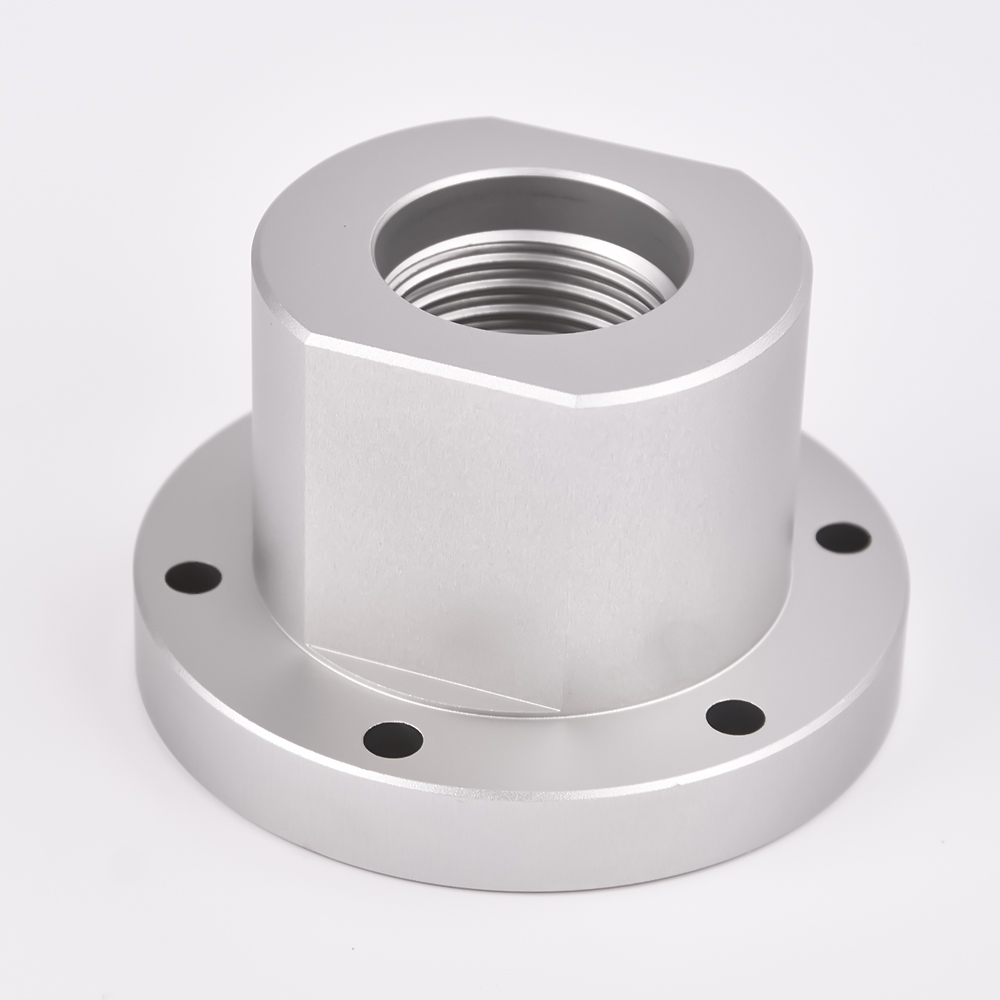
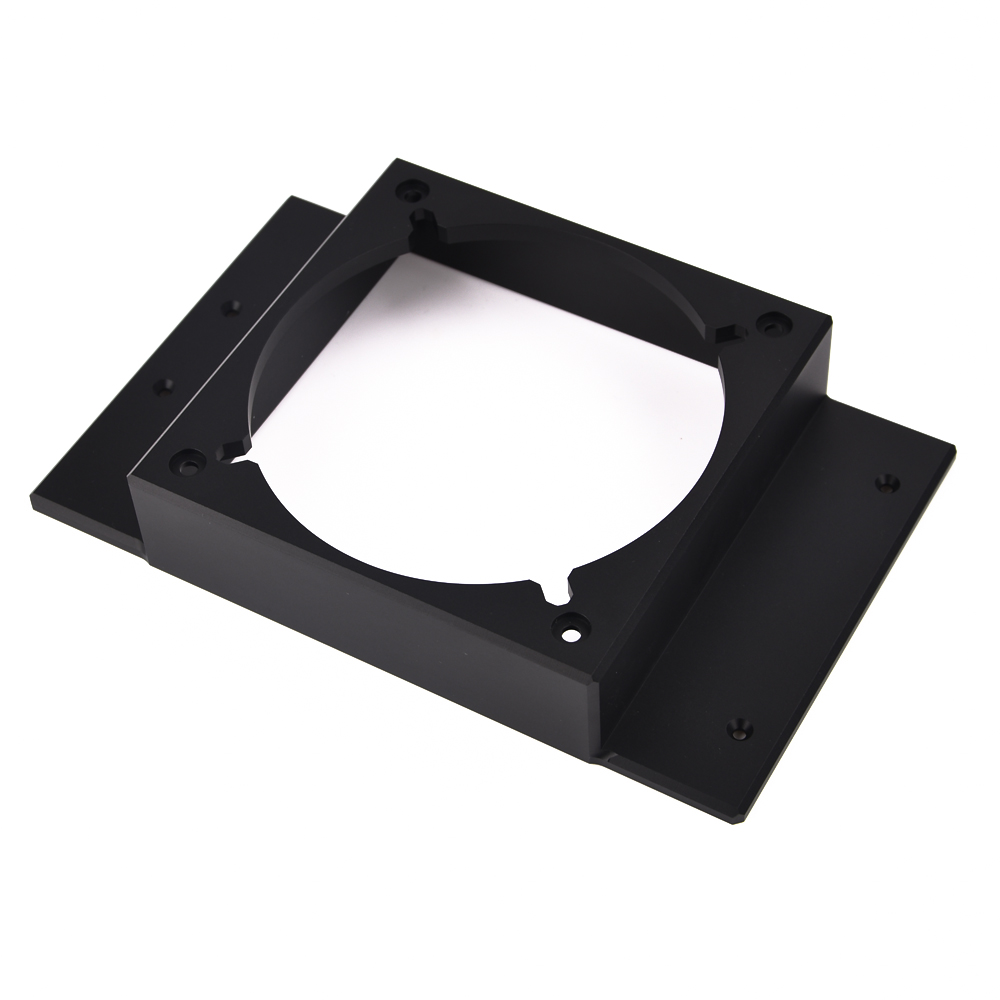
These aluminum parts are manufactured by CNC milling and turning, and finished with sand blasting and anodizing.
Tolerances
Precision according to customer drawings — typical capability.
Standard machining toleranc:±0.05 mm
Precision features:±0.01 mm (depending on part design)
Final tolerance depends on part geometry, material condition, machining requirements, and inspection requirements.
Aluminum Materials & Surface Finishing
Common aluminum alloys — and we review other specified materials as needed.
Aluminum 5052
Premium corrosion-resistant alloy
Suitable for sheet‑related components and corrosion‑resistant applications.
- Good bending, stamping, deep-drawing
- Weldable
- Reliable fatigue strength
Aluminum 6061
The versatile workhorse
A widely used alloy for mechanical components, structural parts, and industrial applications.
- Good machinability
- Strength‑to‑weight
- Anodizing ready
Aluminum 7075
High-performance choice
Used for applications requiring higher strength. Common in precision components and high‑performance parts.
- Tensile strength >500 MPa
- Excellent fatigue resistance
- Excellent mechanical performance
In‑house aluminum anodizing capability — a key advantage for better coordination and quality.
As Machined
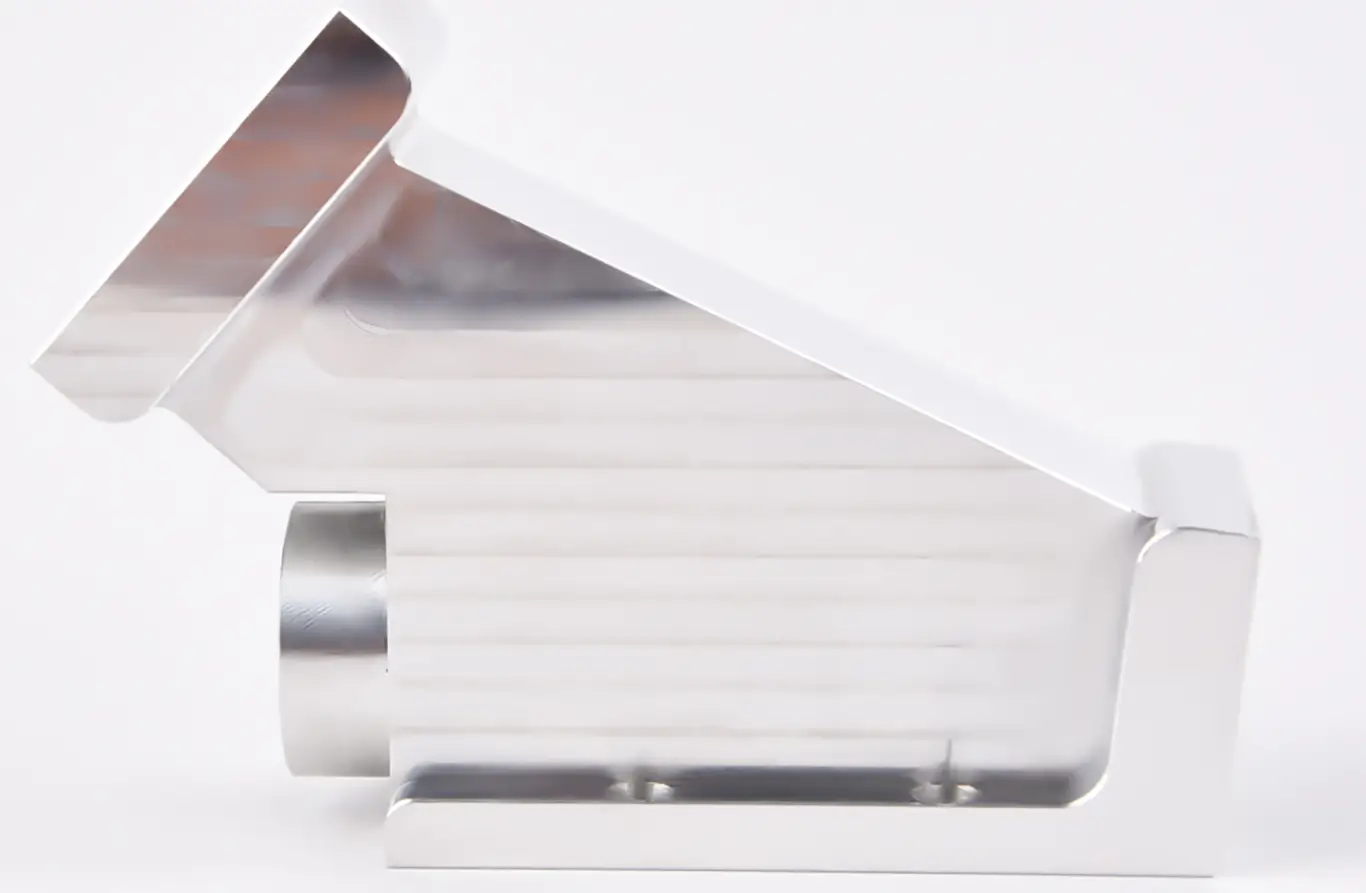
The part is left as-is from CNC machining, offering a cost-effective solution with visible tool marks and a standard roughness of 3.2 μm (126 μin), plus deburring for safe handling.

Anodizing enhances corrosion and wear resistance by forming a protective oxide layer on aluminum or titanium surfaces. It also allows for decorative coloring and improves overall part durability.
Bead Blasting
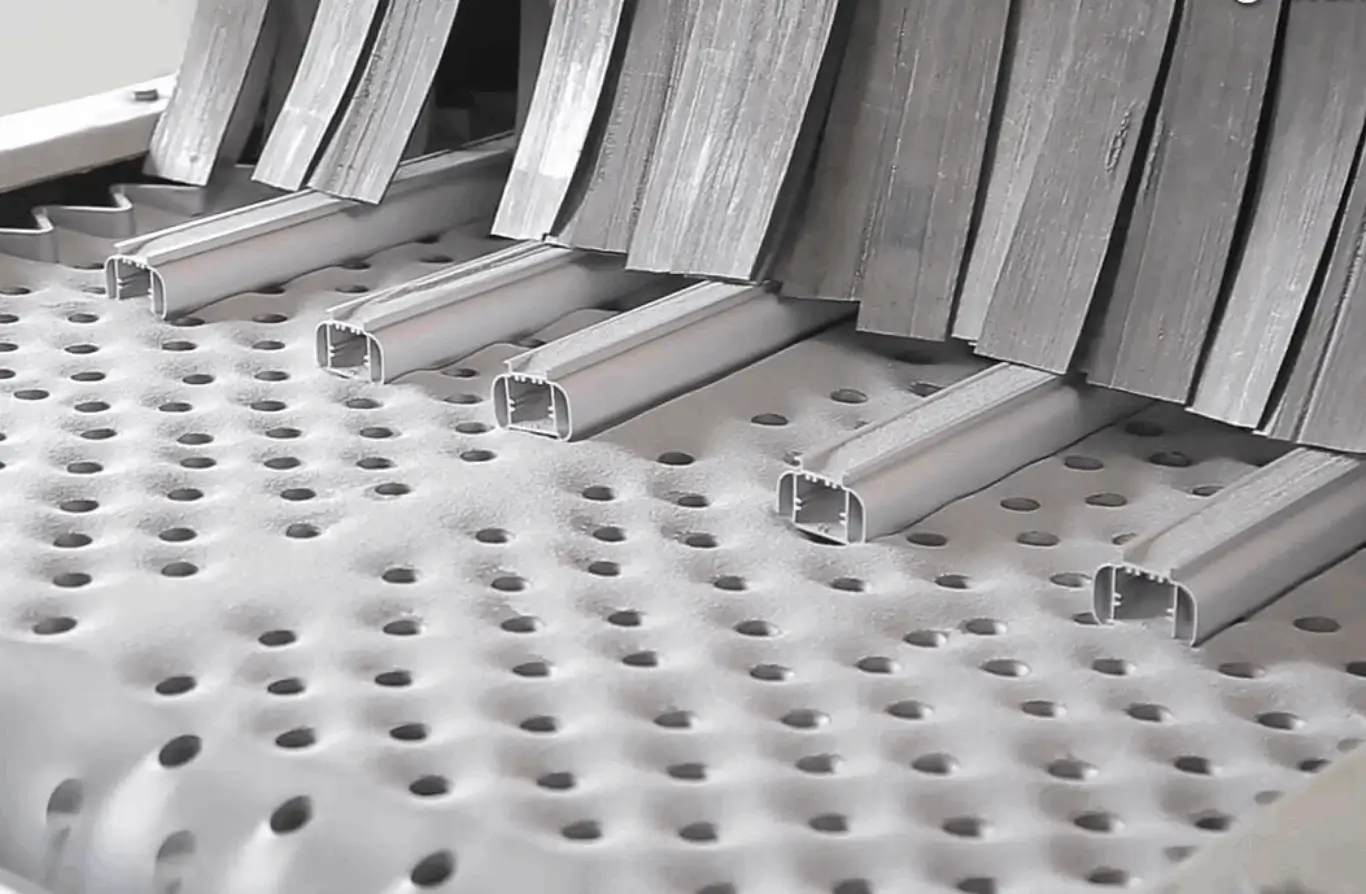
Bead blasting produces a uniform matte finish by removing surface imperfections. Commonly used to improve appearance before anodizing, plating, or coating.
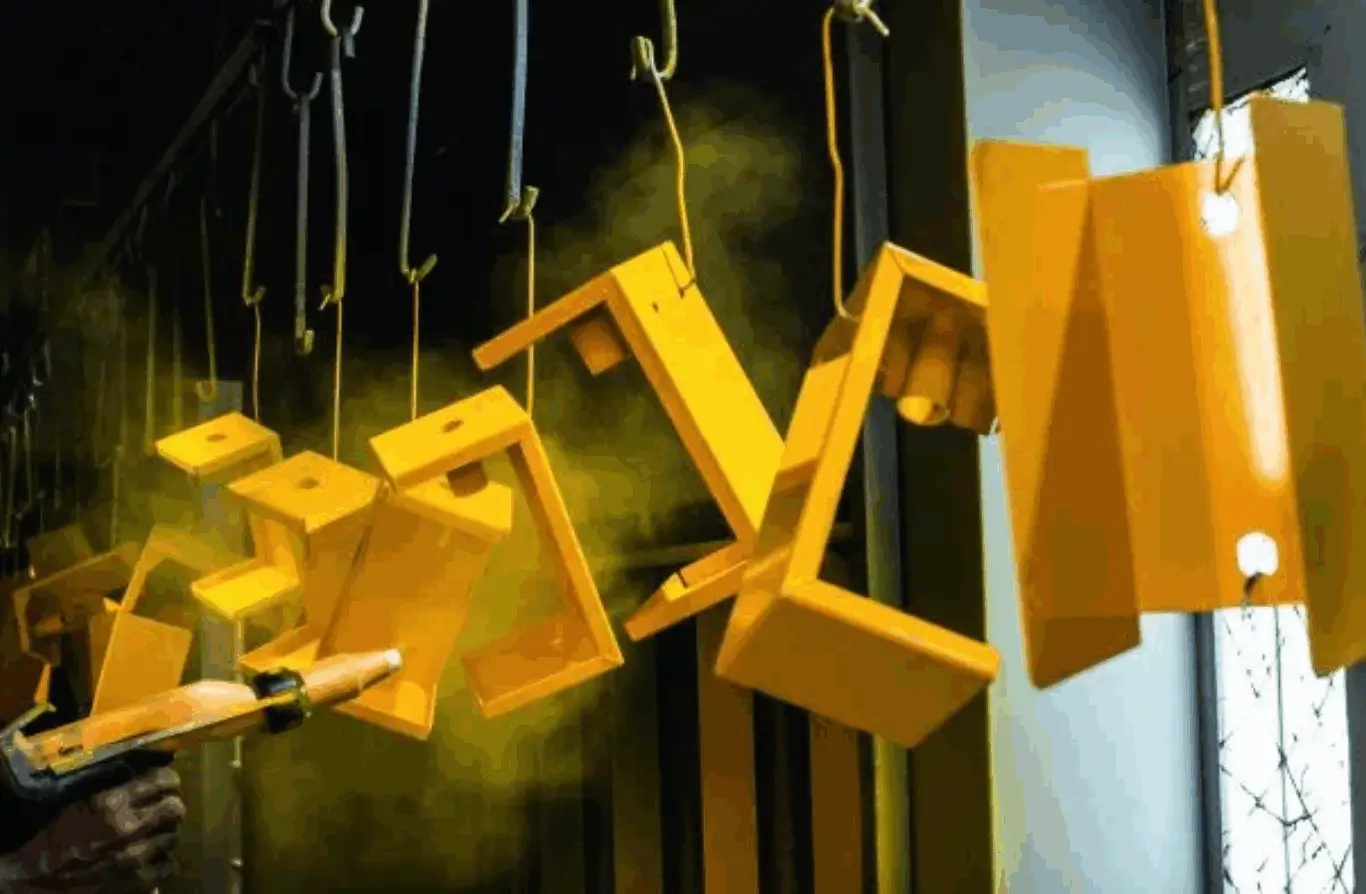
This dry finishing process applies powder to metal parts, then cures it into a tough, uniform coating. It offers excellent durability and is available in many colors and textures.
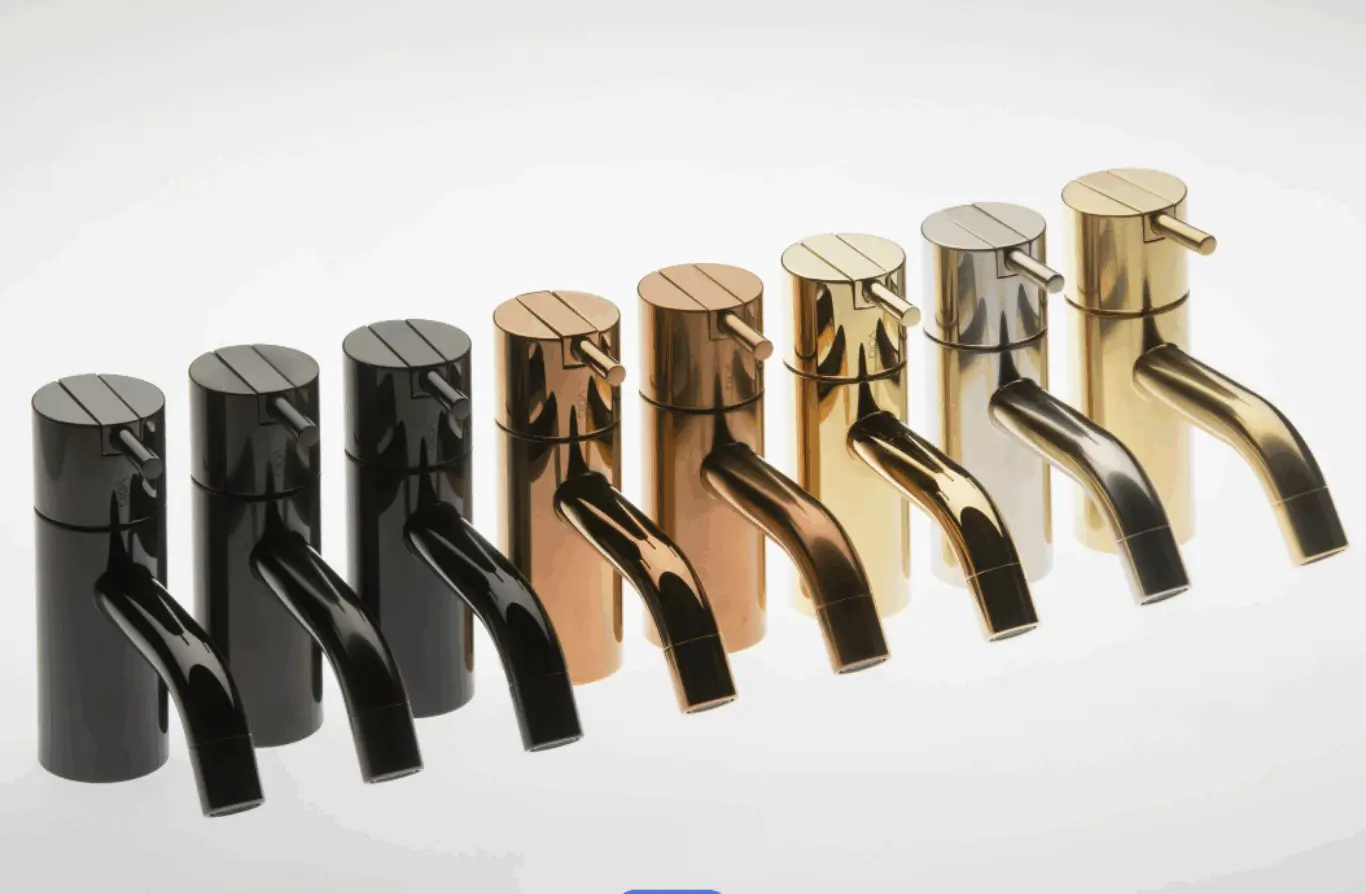
Electroplating uses electric current to deposit a metal layer onto a part, enhancing hardness, conductivity, and appearance with finishes like chrome or nickel.
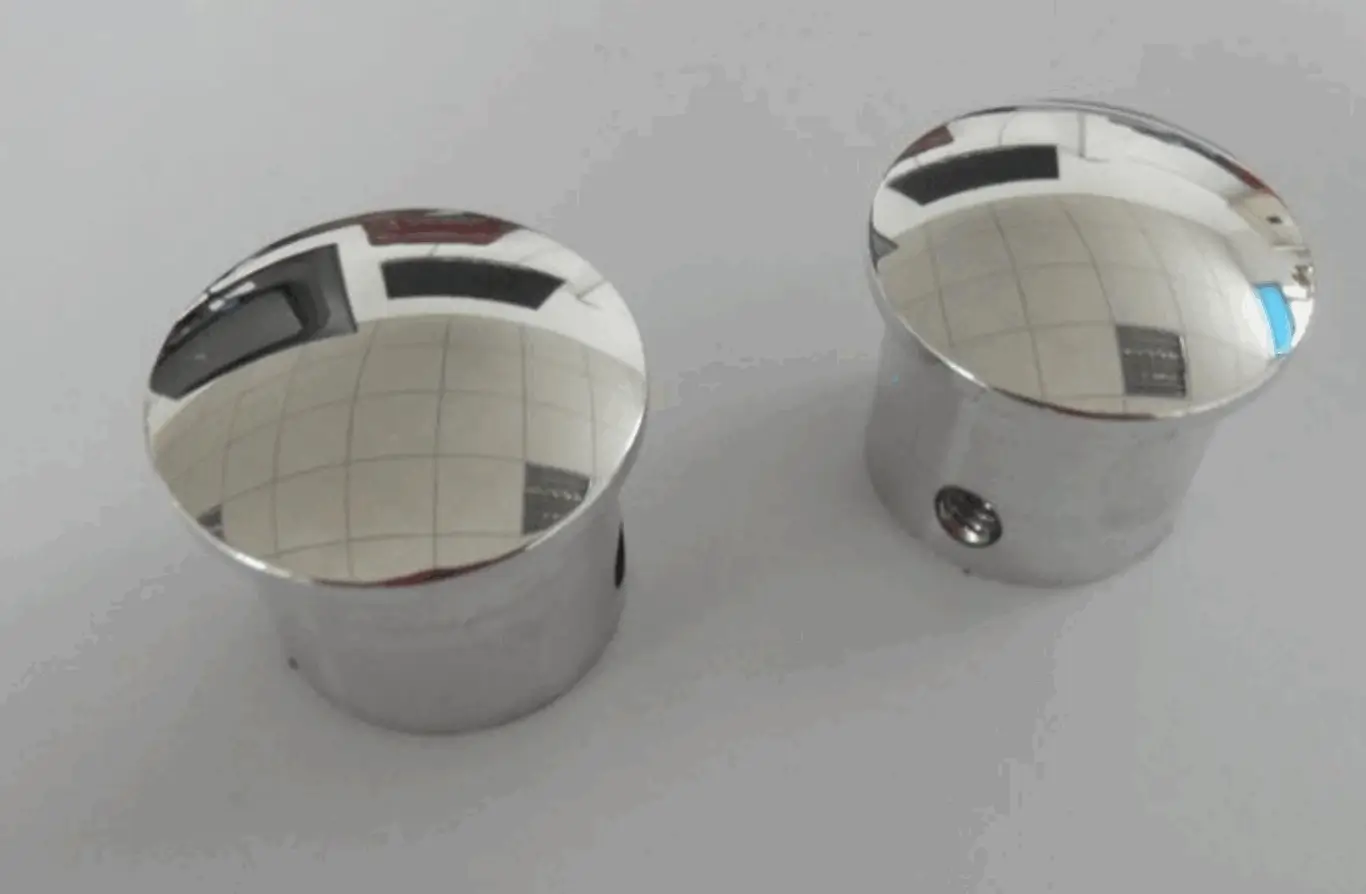
Polishing removes surface flaws and creates a reflective, smooth finish. It’s used to improve aesthetics, reduce friction, and prepare parts for secondary coatings.
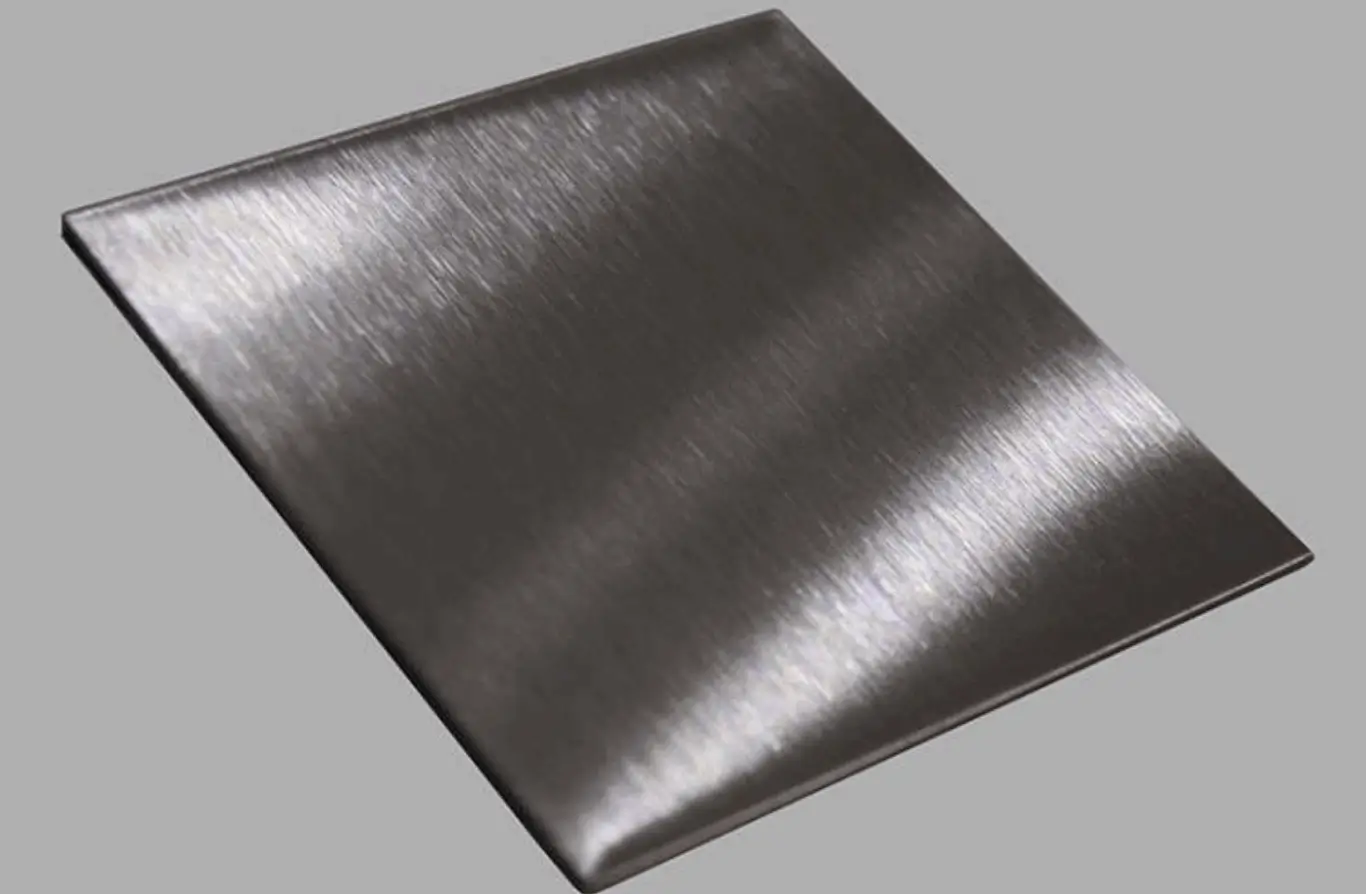
Brushing applies a fine, directional texture using abrasive belts or pads. Often used for decorative metal finishes or to visually mask minor surface defects.
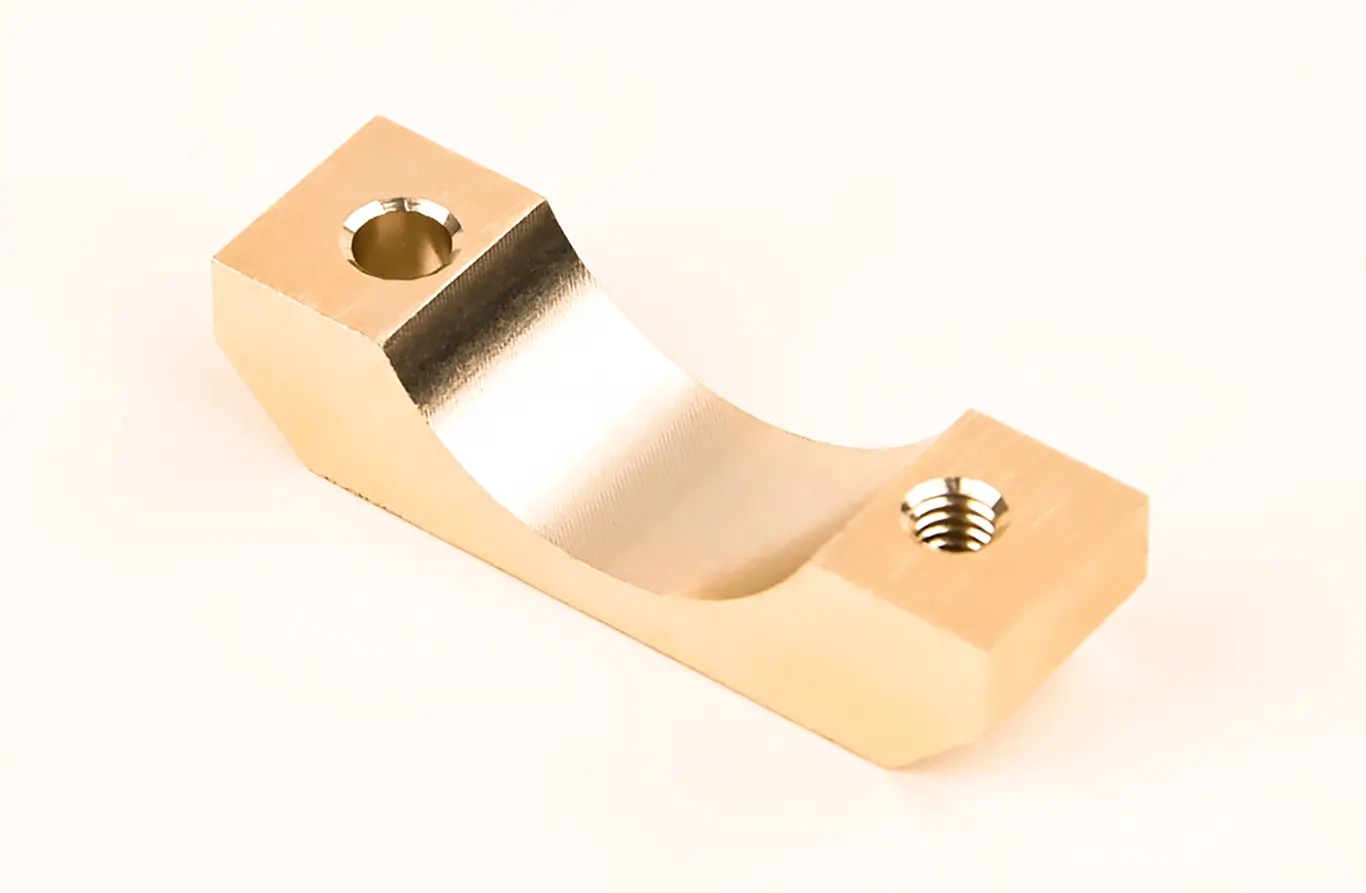
Applied primarily to aluminum, Alodine coating creates a corrosion-resistant and paint-ready surface, significantly improving both protection and finish durability.
Aluminum Alloy Properties Overview
| Aluminum Type | Temper | Ultimate Tensile Strength (ksi) | Elongation (%) | Hardness (HRB) |
|---|---|---|---|---|
| 2024 | T351 | 68 | 19 | 120 |
| 5052 | H32 | 33 | 18 | 60 |
| 7075 | T651 | 83 | 11 | 150 |
| 6061 | T651 | 45 | 17 | 95 |
Quality Control
ISO 9001 certified manufacturing for consistent production processes.
Material verification
CNC machining process control
Dimensional inspection
Final inspection
Inspection Equipment
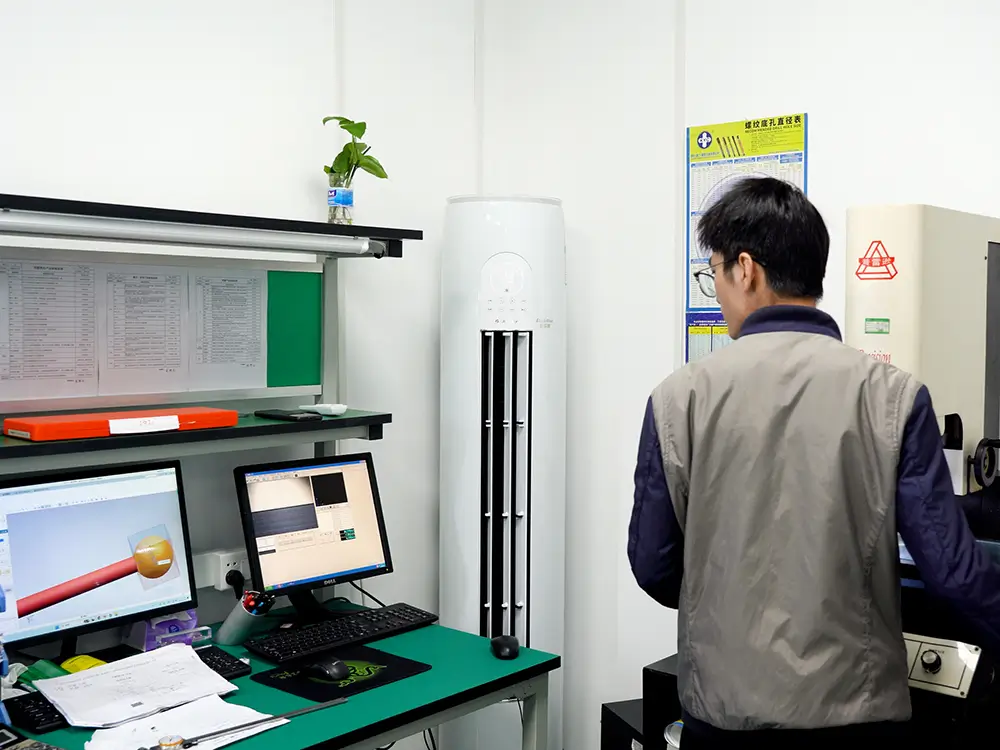
- VMM optical measurement system
- Micrometers, digital calipers
- Height gauges, thread gauges
Quality Support
- Dimensional inspection reports
- First Article Inspection (FAI)
- Drawing requirement verification
Aluminum CNC Machining Applications
Industrial Equipment
- Machine housings
- mounting brackets
- structural components
Automation Systems
- Precision frames
- motion components
- custom fixtures
Electronics
- Aluminum enclosures
- heat dissipation components
- protective housings
Automotive
- Lightweight mechanical parts
- prototype components
Consumer Products
- Functional aluminum parts
- appearance components
FAQs About CNC Aluminum Machining
What Aluminum Grades Are Commonly Used in CNC Machining?
Grades like 5052, 6061, 7075, and 2024 are widely used due to their balance of strength, machinability, and corrosion resistance. The choice depends on application needs such as structural load or surface finish.
Can Machined Aluminum Parts Be Anodized?
Yes, anodizing is a common surface treatment for aluminum parts after machining. It enhances corrosion resistance, allows coloring, and improves surface durability.Machmaster has its own anodizing workshop, ensuring better quality control.
How Does Aluminum Grade Affect Machinability and Cost?
Higher-strength grades like 7075 offer better performance but can be harder to machine and more costly than 6061. Material selection should match both functional and budget priorities.
What Should I Consider About Cost in CNC Aluminum Projects?
Costs depend on material grade, part geometry, tolerance, surface finish, and volume. Simple parts in 6061 cost less than complex parts in 7075 with tight tolerances.
What’s the Difference Between Machining 6061 and 7075 Aluminum?
6061 is easier to machine and anodize, while 7075 provides superior strength and wear resistance. Each suits different end-use scenarios—from general parts to aerospace applications.
How Does MachMaster Speed Up Aluminum Part Production?
With in-house CNC machines, fast DFM feedback, and streamlined quoting, we reduce lead times from days to hours—ideal for rapid prototyping or low-volume production.
Need Custom Aluminum CNC Parts?
Machmaster provides precision aluminum CNC machining services from prototype development to production manufacturing. Send your CAD files and drawings for a manufacturing review.