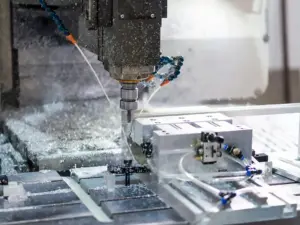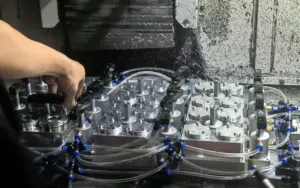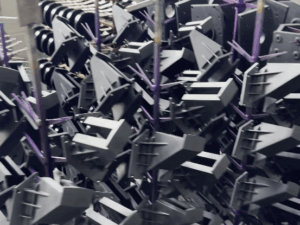

At first, 3D printing was perfect. Fast, easy, flexible.
But after our 100th unit, it became a problem. Each part cost $12 and took hours. We couldn’t scale. We thought about injection molding, but didn’t know where to start.
That was our turning point.
I’ve helped clients move from prototype to full production across a wide range of industries. From that point forward, every project taught me more about when injection molding is worth it, and when it’s not. The lessons are hard-earned, and this guide is built on all of them.
In this article, I’ll show you the full picture.
You’ll learn how injection molding works, what it costs, how long it takes, and most importantly, how to decide if it fits your product and business.
By the end, you’ll have what we didn’t back then: a simple way to figure out if injection molding is the smart move for your next step.
So let’s get down to it!
1. What Is Injection Molding
Maybe you’ve heard the term before.
Or maybe you’re staring at a quote that says “Tooling: $12,000” and wondering what that even means.
Let’s make it simple.
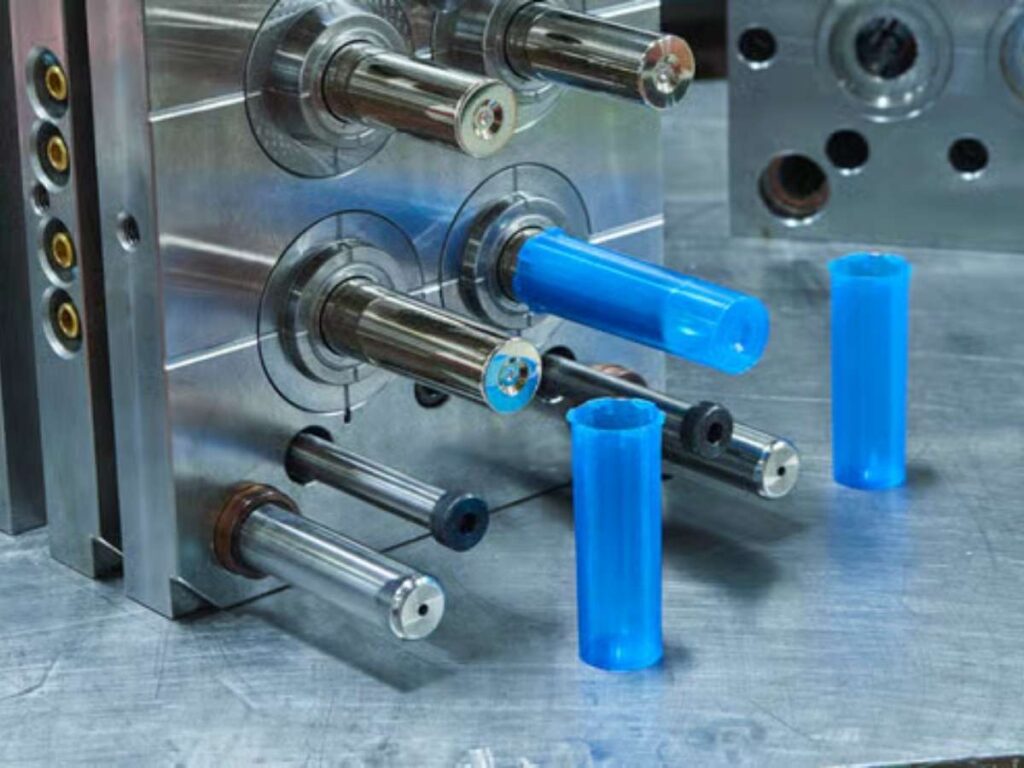
Injection molding is a manufacturing process where melted plastic is injected into a custom-shaped mold. Once it cools, it pops out as a finished part, ready to use.
Think of it like this:
- A metal mold = your custom ice tray
- Molten plastic = the water
- Final part = the ice cube (but solid plastic)
You don’t just make one. You make thousands, fast, consistent, and at a low cost per unit.
Why Businesses Use Injection Molding
If you’re producing at scale, it’s hard to beat. Here’s why it works:
- Fast Cycle Times: Once the mold is built, parts are made in seconds
- Consistent Output: Each part comes out exactly the same, every time
- Low Per-Unit Cost: The more you make, the cheaper each one gets
- Material Variety: A wide range of plastics and resins are available for different needs
2. How Does Injection Molding Work
At a glance, the process sounds complex.
But when you break it down, it’s really just a series of controlled steps designed to make one thing over and over again, perfectly.
Let’s walk through it.
Step#1 The Mold Is Designed and Built
Before anything is made, a mold must be created.
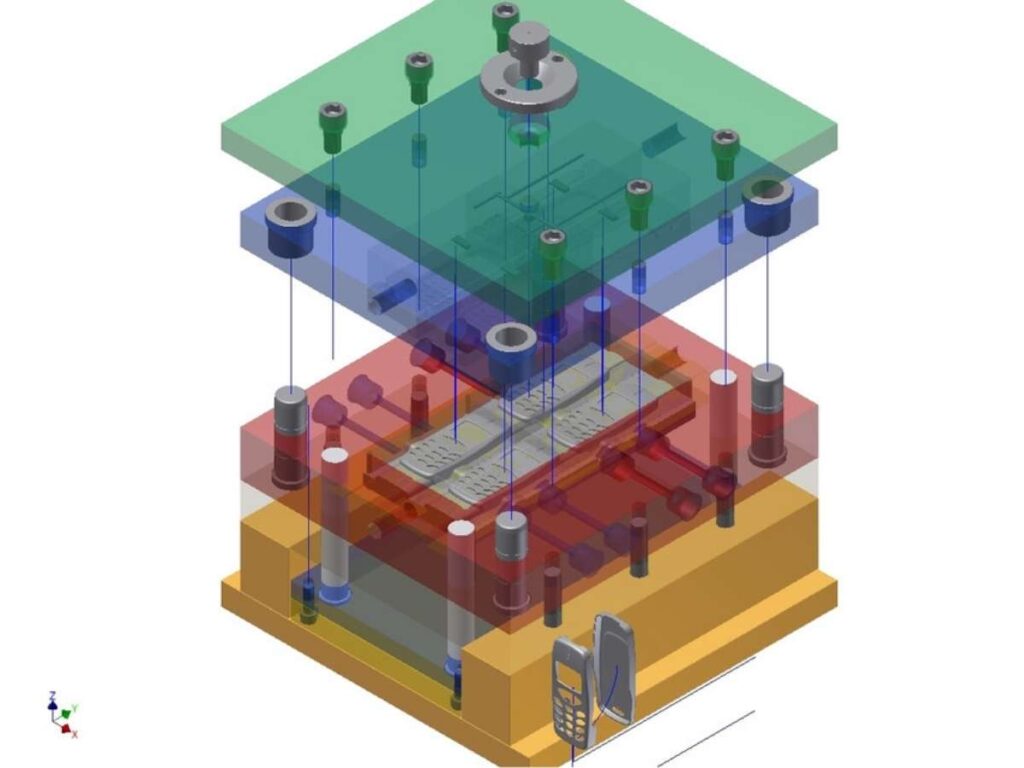
This is a custom-made tool, usually made from hardened steel or aluminum. It’s built to match the exact shape and features of your part. Every surface, curve, and hole in your product must be mirrored in the mold.
This step is where most of the upfront cost lives.
Mold pricing can range from a few thousand dollars to well over $100,000 depending on the size, complexity, and number of cavities.
I’ve seen simple molds for trays made in three weeks. I’ve also worked on a high-end consumer part that needed 16 side actions, 4 cavities, and 12 weeks of tooling time.
Step#2 Plastic Is Melted and Prepared
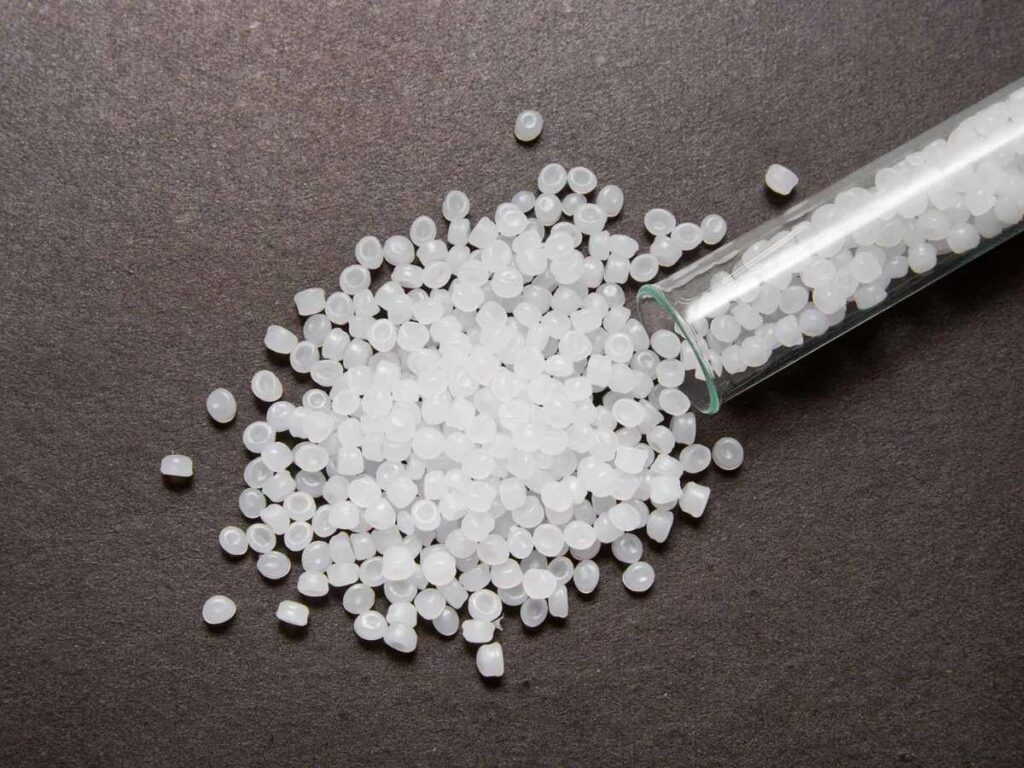
Pellets of raw plastic are fed into the machine through a hopper.
They pass through a heated barrel where they melt into a thick, fluid state. A rotating screw moves the melted plastic forward, compressing it and getting it ready to inject.
Different materials require different temperatures and settings, but the principle stays the same: heat, mix, and pressurize.
Step#3 The Mold Is Filled
The molten plastic is injected into the mold cavity with high pressure.
This happens fast, usually in under a second. The machine forces the material into every corner of the mold, filling even tiny features and thin walls.
Once filled, the mold remains closed while the part cools and hardens.
Step#4 The Part Cools and Sets
Cooling time can vary depending on the part’s thickness and material.
As the plastic cools, it shrinks slightly. A good mold accounts for this shrinkage, so the finished part comes out at the correct final size.
You don’t want to rush this step. Uneven cooling can cause warping or sink marks. We’ve had parts that looked perfect at first glance, but bent after a few days in storage, all because the cycle time was too short.
Step#5 The Part Is Ejected
Once cooled, the mold opens, and the part is pushed out using ejector pins.
The mold then closes again, and the next cycle begins.
This cycle repeats over and over, producing thousands, or millions, of parts with the same shape and quality.
3. Materials Used in Injection Molding
Choosing the right material isn’t just about cost.
It affects how your product looks, feels, flexes, and performs in the real world. And if you pick the wrong one, it can lead to cracks, warping, or even product recalls.
Here are some of the most-used materials, and when you’d choose each:
- ABS (Acrylonitrile Butadiene Styrene): Tough, impact-resistant, and easy to mold. You’ll find it in power tool housings, dashboards, and Lego bricks.
- Polypropylene (PP): Lightweight, flexible, and chemical-resistant. Great for hinges, caps, and packaging components.
- Polyethylene (PE): Comes in various densities. Used in containers, bottles, and simple molded parts. Low cost and good durability.
- Nylon (PA): Strong, wear-resistant, and slick. Often used for mechanical parts like gears and bearings.
- Polycarbonate (PC): Extremely strong and transparent. Ideal for eyewear, safety gear, and electronics covers.
- TPE or TPU (Thermoplastic Elastomers): Flexible like rubber but moldable like plastic. Used for soft grips, seals, and overmolded handles.
4. Applications Across Industries
If you’ve ever used a car key, snapped a lid onto a container, or held a cordless drill, chances are, you’ve touched an injection-molded part.
It’s everywhere. And for good reason.
Let’s look at how different industries apply it:
Consumer Products
- Enclosures for electronics (remotes, chargers, smart devices)
- Toys, household goods, kitchen tools
- Custom packaging inserts or trays
Why it fits:
Products often need to look polished, feel consistent, and be made at scale. Surface finish and repeatability matter here.
Automotive
- Dashboards and panels
- Brackets, clips, and under-the-hood parts
- Light covers and vents
Why it fits:
The auto world relies on parts that meet tight tolerances and survive heat, vibration, and wear.
Medical Devices
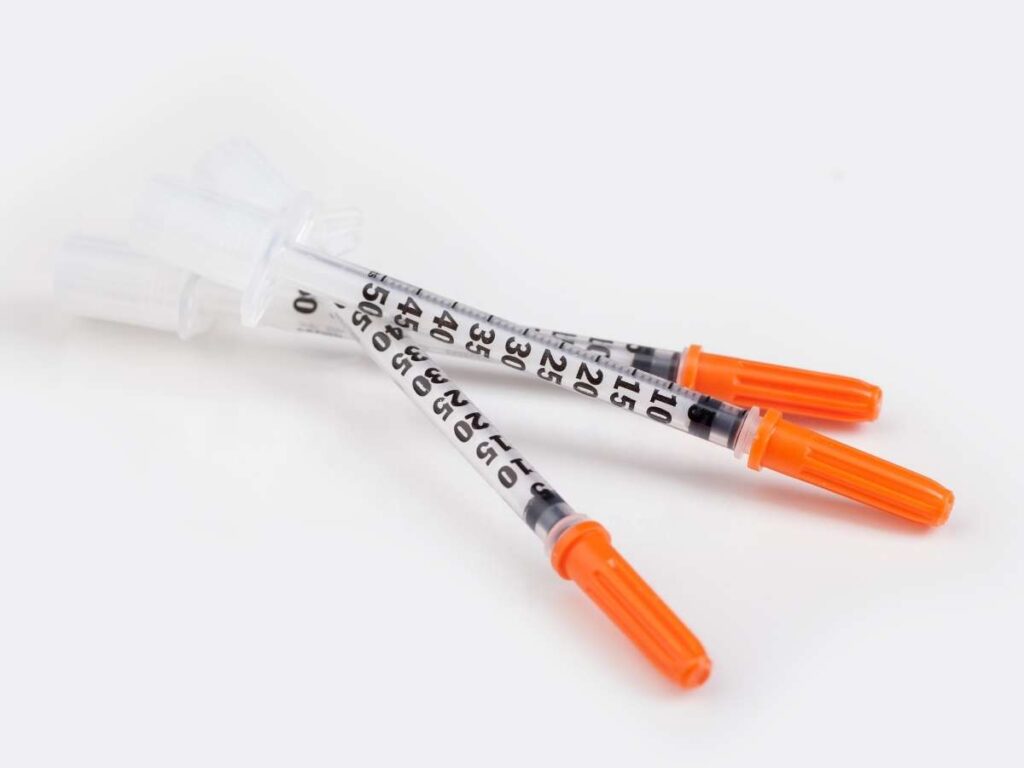
- Syringes, containers, surgical tools
- Device casings and disposable components
Why it fits:
Regulatory requirements demand exact shapes, clean production, and sterile packaging. Molding helps check all those boxes.
Industrial and Commercial
- Handles, housings, cable grommets
- Custom connectors and control knobs
- Heavy-use technical components
Why it fits:
Molding offers strength, durability, and consistent performance, even in rough environments.
5. Injection Molding vs. Other Manufacturing Methods
If you’re trying to choose the right manufacturing method, it’s easy to get overwhelmed. There’s a lot of overlap, and plenty of opinions out there.
But the real question isn’t just “Which one is better?” It’s “Which one fits your product, volume, and goals best?”
Here’s a clear comparison of injection molding against 3 common alternatives:
| Feature | Injection Molding | 3D Printing (Additive) | CNC Machining | Thermoforming |
| Best For | High-volume production of plastic parts | Prototypes, low-volume runs, custom parts | Metal or plastic parts with high precision | Large, thin-walled plastic parts (packaging, panels) |
| Tooling Cost | High (steel/aluminum mold; $3,000–$100,000+) | None or very low | None | Medium (mold sheets; $500–$10,000) |
| Unit Cost (High Volume) | Very low (after tooling) | High | Medium to high | Low |
| Lead Time to First Parts | Long (4–12 weeks for tooling) | Fast (hours to days) | Medium (1–2 weeks) | Medium (1–3 weeks) |
| Design Flexibility | Moderate – needs draft angles, careful wall design | Very high – few limitations | High – good for complex geometries | Low – limited shapes, detail level |
| Surface Finish Options | Excellent – textures, gloss, matte, etc. | Fair – layer lines visible | Excellent – smooth or machined finishes | Basic – smooth surfaces only |
| Part Accuracy | High – consistent across units | Medium – depends on printer and material | Very high – tight tolerances achievable | Low to medium |
| Volume Range (Ideal) | 1,000 to millions | 1 to 100s | 1 to 1,000 | 100s to 10,000+ |
| Material Variety | Broad – many plastic resins available | Broad – but more limited than molding | Very broad – including metals and plastics | Limited – usually thin plastics like PET or HIPS |
| Revisions or Iterations | Slow and expensive – new mold needed | Fast and cheap – easy to iterate | Moderate – changes require reprogramming or new stock | Moderate – changes in mold design still cost money |
If you’re producing in high volume, care about unit cost, and want repeatability, injection molding is often the strongest choice.
But if you’re still prototyping, exploring form factors, or planning low-volume production, other methods might be faster or cheaper upfront.
It’s not about finding the “best” method.
It’s about matching the method to your stage, budget, and product use.
6. Challenges and Limitations of Injection Molding
Injection molding is powerful.
But it’s not always the right fit.
There are a few challenges that catch people off guard, especially on their first project. If you’re weighing whether to use it, you need to understand these upfront.
High Upfront Tooling Costs
This is the biggest barrier for most first-time projects.
- A basic mold might cost $3,000 to $8,000
- Complex or multi-cavity molds can go well over $50,000
That’s before you make a single part.
I’ve worked with teams who were excited to mold a part for $0.78 each, until they saw the tooling quote. One startup had to delay their launch by six months because they didn’t budget for it.
If you’re producing in high volume, the mold costs pay off.
But if you’re only making a few hundred units, it may not be worth it.
Long Lead Times
Mold making takes time.
Even a simple tool might take 3 to 5 weeks. More complex molds can stretch into 12+ weeks.
If you’re on a tight schedule, this can delay your entire product timeline.
Also, if you make a design change mid-way? You’ll likely need to adjust or re-cut the mold, which adds cost and more time.
Design Restrictions
Injection molding comes with rules. Your part needs to follow certain guidelines:
- Draft angles: Parts need slight tapers to eject cleanly
- Uniform wall thickness: Too thick, and it may warp or sink
- No sharp internal corners: Stress builds there
- Undercuts: These require special tooling (and raise the price)
These aren’t suggestions. They’re physical limits of the process.
I once worked on a beautifully designed enclosure that failed in early testing. Why? The designer hadn’t added draft angles, and the part stuck in the mold, every time.
Costly Changes After Tooling
Once the mold is made, changes aren’t cheap.
You can add material (like filling in a hole), but removing material often means cutting a whole new tool, or welding and re-machining, which isn’t always precise.
That’s why design reviews are so critical before you cut steel.
7. Tips for Choosing the Right Injection Molding Partner
The right molding partner isn’t just a manufacturer.
They’re an extension of your team, and a big factor in whether your launch stays on time, on budget, and on spec.
If you’re working with injection molding for the first time, or even if you’ve done it before, here are the core criteria to help you choose wisely.
Proven Experience With Complicated Parts
Don’t just ask how long they’ve been in business. Ask what kind of parts they actually mold.
You want a partner who’s worked on projects with similar materials, tolerances, and use cases. If your part will snap into another component, or carry weight, or be exposed to sun or chemicals, that experience matters.
It’s not about finding the biggest name. It’s about finding the right fit.
Companies like Machmaster, for instance, specialize in custom injection molding and have hands-on experience helping businesses move from concept to scalable production.
Willingness to Review and Improve Your Design
Good molders don’t just take your CAD file and quote it. They ask questions. They spot weak spots. They protect you from expensive mistakes.
You want a partner who will give you honest DFM (Design for Manufacturability) feedback. They should point out:
- Where draft angles are missing
- Where thick walls might warp
- Where undercuts might drive up tool cost
If your supplier says everything looks “fine” without asking for a single revision, be careful.
Clear, Professional Communication
Responsiveness matters more than people think.
If a supplier takes three days to answer basic questions during quoting, imagine how they’ll handle a production issue or design change.
You want a team that replies clearly, updates you regularly, and doesn’t dodge tough questions.
How they communicate up front is usually how they operate behind the scenes.
Conclusion
We didn’t know where to start, but now you do.
You’ve learned what injection molding is, how it compares to other methods, and what to watch out for. You know what a good partner looks like, and why mold design matters. We’ve covered the costs, the risks, and the rewards.
Scaling doesn’t need to feel impossible. At Machmaster, they offer the support and skill to help you move forward, whether you’re building your first mold or your tenth.
Now’s the time to move from idea to product, at scale.
Contact us today and let’s build what’s next, together.