
Here’s something I wish someone had told me earlier:
The most expensive mistakes in injection molding happen before production starts.
Not during tooling. Not during shipping. But in the small decisions such as design, materials, timelines that happen early on.
I learned this over time, after working with multiple suppliers and running projects that went sideways for reasons I didn’t fully understand. At first.
If you’re reading this, you’re probably looking for clarity. Maybe you’re planning a project. Or managing one. Or wondering if your supplier’s approach makes sense.
This guide will help.
You’ll get a clear, step-by-step breakdown of how the injection molding process actually works. You’ll learn what to watch for, how to communicate better, and where problems usually start.
Let’s start!
Step 1: Design the Part
This is where everything starts. Before machines turn on or molds get made, your part begins as an idea on a screen. But how you design that part will decide almost everything that comes after: cost, timeline, and whether your supplier can deliver what you need.
I’ve made the mistake of skipping over this step too fast. I once approved a design that looked great—but it had thin walls in one section. We didn’t catch it. The parts came out warped, and I had to redo the mold. That delay cost me weeks.
So take your time here. Good design can save you from big headaches later.
Material Selection
Start by thinking about material. Different plastics do different jobs. Ask yourself:
- Does the part need to handle heat?
- Will it hold weight or pressure?
- Does it need a smooth finish?
- Does it need to be food-safe or medical-grade?
The right material affects not just performance, but mold temperature, shrinkage, and cycle time. Your supplier can help you compare options if you’re unsure.
Shape and Geometry
Once the material is clear, move on to shape.
- Keep wall thickness even to avoid warping or sink marks
- Add draft angles so the part releases from the mold smoothly
- Round sharp corners when possible
- Watch for undercuts: features that make it hard to remove the part from the mold. These may need sliders or lifters
Think of the mold as a sandwich press—your part has to release cleanly without getting stuck.
Tolerances
Tolerances define how exact your part needs to be. This depends on its function. If it’s connecting to another part, you may need tight tolerances.
But keep in mind:
- Tighter tolerances increase cost
- They may slow production or lead to more rejects
Only ask for what matters. Not every dimension needs to be exact.
Surface Finish
Surface finish affects both appearance and mold cost.
- Glossy finishes require smoother, more polished mold surfaces
- Textured parts may need extra treatment
- Rough surfaces can hide small defects but may not suit cosmetic parts
Decide based on your product’s needs. If appearance matters, be specific about texture early on.
Before you move forward, take one last look. Does the part meet its mechanical needs? Will it look the way you want it to? Ask your supplier for DFM feedback. That extra input can catch problems early before they turn into delays or extra costs.
Get this part right, and you’ve already solved half the battle.
Step 2: Choose the Right Mold Type
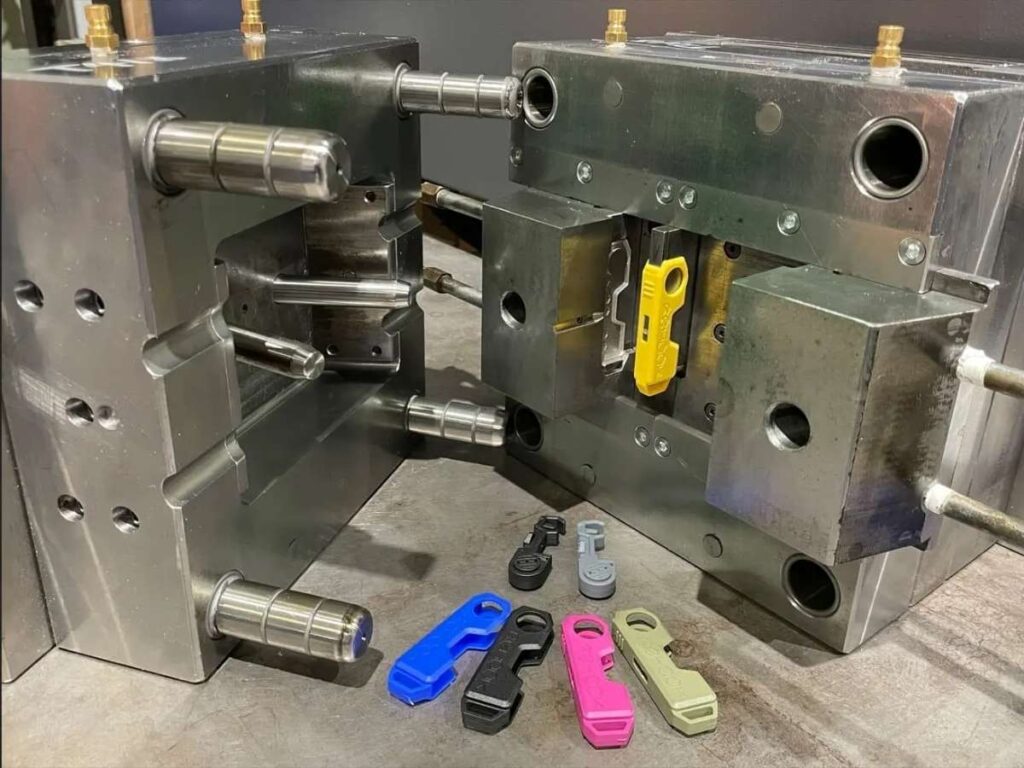
Once your part design is ready, the next big decision is the mold. And this one matters a lot. It affects cost, lead time, part quality, and how fast you can scale production.
I remember choosing a mold without asking enough questions. The supplier picked a single-cavity tool made of steel. It worked fine, but production took forever. Later, I found out a different mold type could’ve cut my time in half.
That taught me: you need to pick your mold based on your goals—not just the lowest quote.
Mold Types to Consider
Comparing mold types and tooling materials side by side can help you pick the best option for your needs. Here’s a quick breakdown you can reference while talking with your supplier:
| Mold Type/Material | Description | Cost | Lead Time | Best For |
| Single-Cavity Mold | One part per cycle | Lower | Shorter | Low-volume production |
| Multi-Cavity Mold | Multiple identical parts per cycle | Higher | Longer | High-volume production |
| Family Mold | Different parts in one mold | Medium | Medium | Matching part sets |
| Aluminum Tooling | Softer, faster to machine | Lower | Fast | Prototyping or short runs |
| Steel Tooling | Harder, more durable | Higher | Slower | Long-term, mass production |
Key Decisions to Make
Ask yourself:
- How many parts do I need this year? What about next year?
- Do I need to move fast, or is long-term durability more important?
- What’s my real budget—not just now, but over time?
Timeline matters too. Aluminum molds can be made quicker than steel ones. That’s a plus if you’re on a tight schedule.
Tips for Buyers and Planners
Before you choose:
- Talk with your team about forecasted demand
- Ask your supplier for quotes on multiple mold types
- Compare price per part over the full production run, not just the mold cost
Don’t rush this step. The mold is the foundation of your whole project. The better it matches your needs, the smoother everything else will go. Ready to see how that mold gets built? Let’s move on to the next step.
Step 3: Build the Mold Tooling
Now that you’ve chosen the right mold type, it’s time to build it. This is where things start to feel real. Your design is about to become something you can actually hold.
But this step takes time. And it’s where delays can sneak in if you’re not paying attention.
I’ve had projects where we skipped mold reviews to save time. In the end, we spent more time fixing mistakes than we would’ve spent double-checking things up front.
So here’s what actually happens when your mold gets made.
How Mold Tooling Is Made
Your CAD file is turned into a metal tool. Usually, this is done through CNC machining or EDM (Electrical Discharge Machining). These processes cut the cavity and core blocks of your mold.
Then, the mold base is assembled. This includes:
- The runner system: channels that guide the plastic into the mold
- Gates: the entry points for the plastic
- Ejector pins or plates: used to push the part out once it’s cooled
For complex shapes, sliders or lifters might be added to help remove the part.
What to Watch For
Before production, you’ll get T1 samples. These are your first molded parts. Review them closely.
You might also hear about a mold flow analysis. This is a simulation that predicts how plastic will fill the mold. It’s optional, but it can help avoid problems like air traps or short shots.
Ask for:
- Sample parts from the first run
- A dimensional report comparing the part to your drawing
- Photos or video of the mold setup, if available
Working with the right supplier makes or breaks this stage.
At MachMaster, we build high-precision molds and deliver repeatable results whether it’s a 10-part prototype or a 10,000-part production run. With ISO 9001 certification and decades of experience in CNC and molding, we support you with speed, accuracy, and accountability.
What You Should Do
- Review every T1 sample carefully. Are the parts within spec? Are there visual issues?
- Ask for feedback from your designer or engineer before approving the mold
- Be clear about what changes (if any) you expect before moving forward
The tooling is expensive, and once it’s hardened, changes get tough. Catch problems now so you’re not fixing them later.
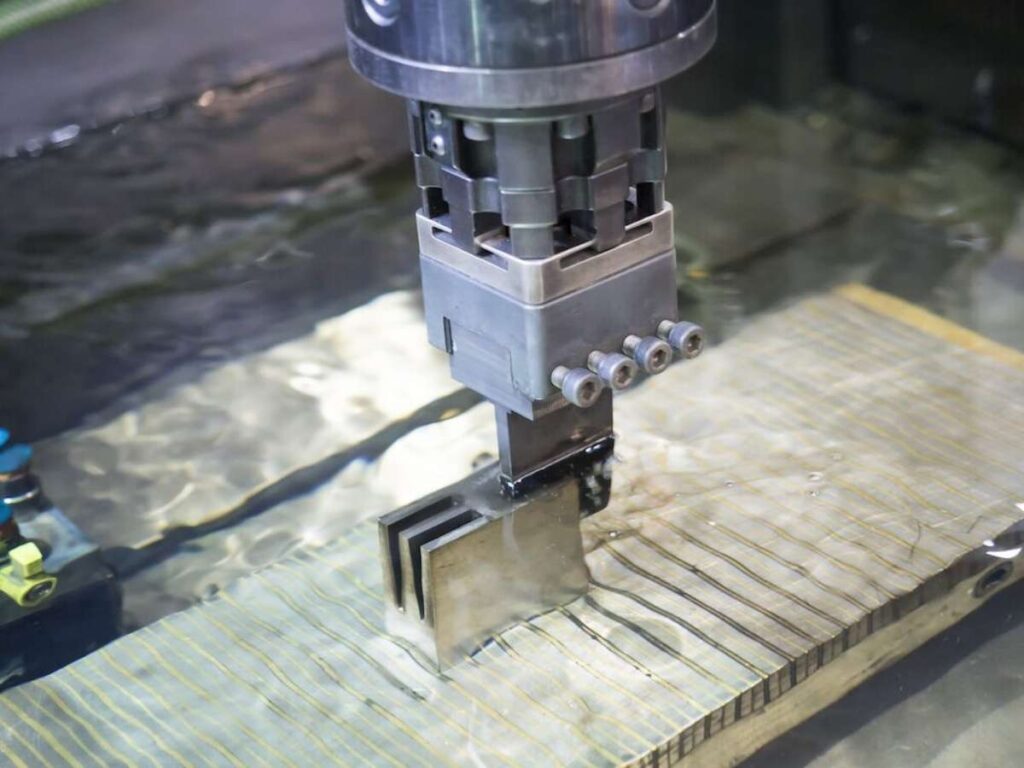
Step 4: Set Up the Injection Molding Machine
After the mold is built and tested, the next step is setting up the machine. This is where your idea starts turning into repeatable parts.
It might sound simple, but machine setup is full of small choices that affect quality, speed, and waste.
I once had a project where we didn’t talk about setup with the supplier. Parts looked fine until you measured them. The machine settings were off. That meant wasted material and a few awkward conversations.
Let’s avoid that.
What Setup Involves
Here’s what happens during setup:
- The mold is loaded and clamped into the injection molding machine
- Plastic pellets are dried and poured into the hopper
- The barrel heats the plastic until it melts
- Settings are adjusted for:
- Injection pressure
- Barrel temperature
- Cooling time
- Mold temperature
Each material has its own ideal settings. Even small changes can affect how the plastic flows, cools, and solidifies.
Why This Step Matters
If the settings are wrong, you might see:
- Flash: excess plastic around the edges
- Short shots: parts that didn’t fill completely
- Warping: bent or twisted parts after cooling
- Burn marks: dark spots from trapped air or overheating
Ask your supplier:
- What machine are you using?
- Can you share the machine settings for your records?
- How do you test for consistency during production?
What You Can Do
- Request sample parts from setup
- Ask for a basic process sheet listing the key machine settings
- Clarify your tolerance for visual defects and part variation
Now that the machine is running, it’s time to focus on the cycle itself and how your part is actually made.
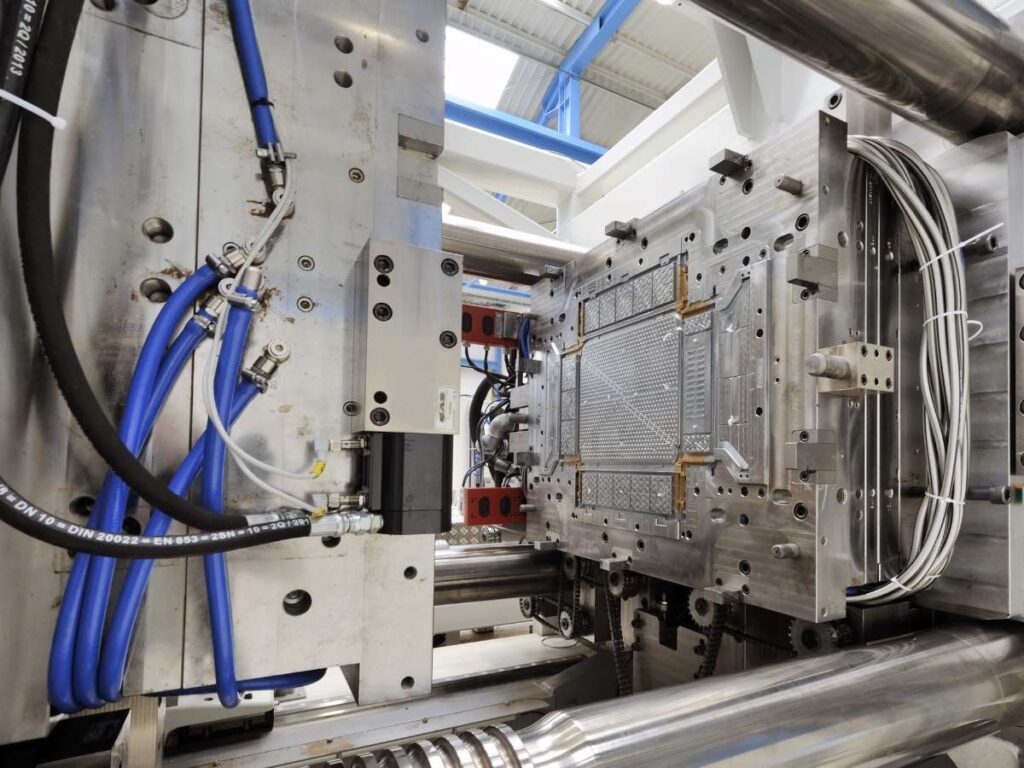
Step 5: Run the Injection Molding Cycle
This is the heart of the process. The machine runs, and plastic parts start coming out—one after another.
But there’s more going on than just melting and molding. Each cycle has several parts. And every second counts.
I’ve seen how shaving just one or two seconds off the cooling time can change a production schedule. It adds up fast, especially with large batches.
So how does the cycle work?
The Main Phases of a Molding Cycle
Each cycle includes:
- Injection: molten plastic is pushed into the mold
- Packing or holding: pressure is held to pack material into corners and reduce shrinkage
- Cooling: the part cools and hardens inside the mold
- Ejection: ejector pins push the part out once it’s ready
Cycle time depends on:
- Part size and wall thickness
- Material used
- Mold temperature
- Cooling system efficiency
Ask your supplier:
- What is the estimated cycle time?
- How many parts can be made per hour?
- Can they track defects or inconsistencies during each shift?
What You Can Watch For
- Are parts cooling too fast or too slow?
- Are dimensions staying consistent from part to part?
- Is the machine running continuously or stopping often?
Why It Matters
Small issues in the cycle can snowball. Poor cooling causes warping. Improper packing leads to shrinkage or sink marks.
If you’re planning your production timeline or setting quality goals, this step has a big impact.
Next, let’s look at what happens after the parts come out of the mold because testing is where real confidence comes in.
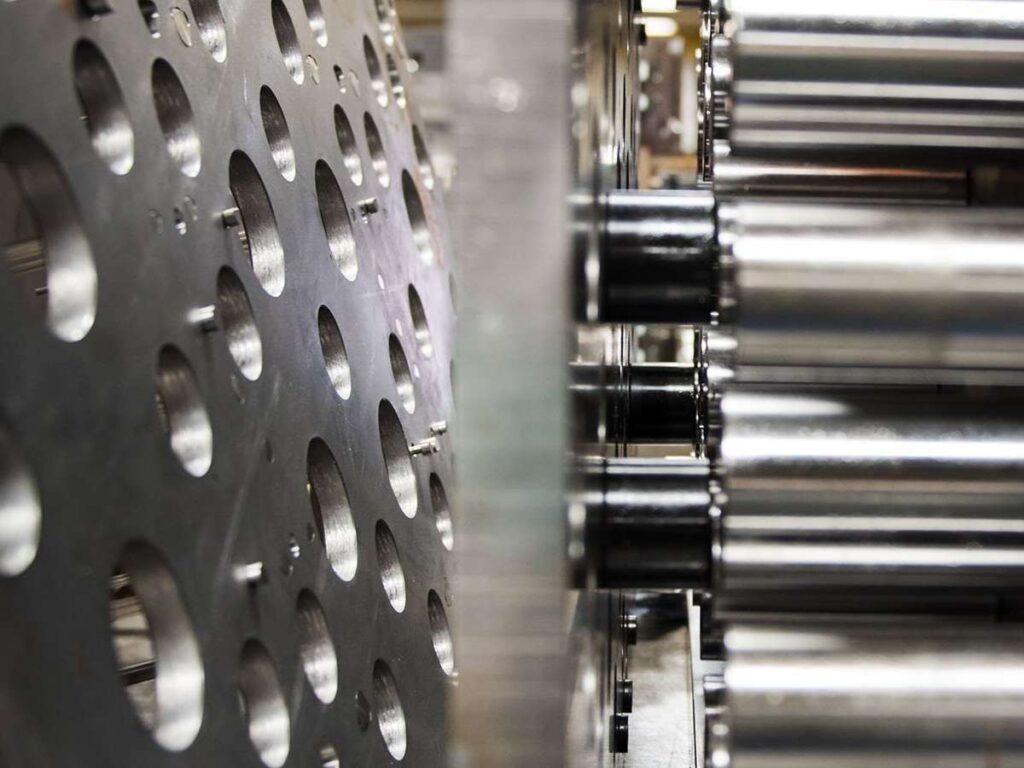
Step 6: Inspect and Test the Molded Parts
Now the parts are in your hands or at least in a sample box on your supplier’s desk.
This is the step that tells you: did it work?
I’ve had parts that looked perfect but failed under pressure. And others that passed testing even though they didn’t look great. That’s why real inspection matters. You can’t skip it.
What to Check
Here are the main things to look at:
- Dimensions: Are they within the tolerances you specified?
- Surface quality: Are there sink marks, scratches, or defects?
- Structure: Can the part handle stress, heat, or impact as expected?
Some suppliers use tools like:
- Calipers and gauges for basic measurements
- CMM (Coordinate Measuring Machines) for precise checks
- Tensile testers or drop tests for strength
Ask for These Documents
- A dimension report that compares the part to your drawing
- A visual inspection checklist
- Results from any functional testing, if applicable
What You Should Do
- Approve the parts only after confirming they meet your spec
- Ask questions if anything looks off, even slightly
- Keep a record of these first inspections, it helps if problems show up later
Quality control is the final check before you move into full production. It’s your chance to fix problems before they multiply.
Now that your part has passed inspection, you’re ready for finishing and packaging. But first, take a breath—you’ve made it through the hardest parts.
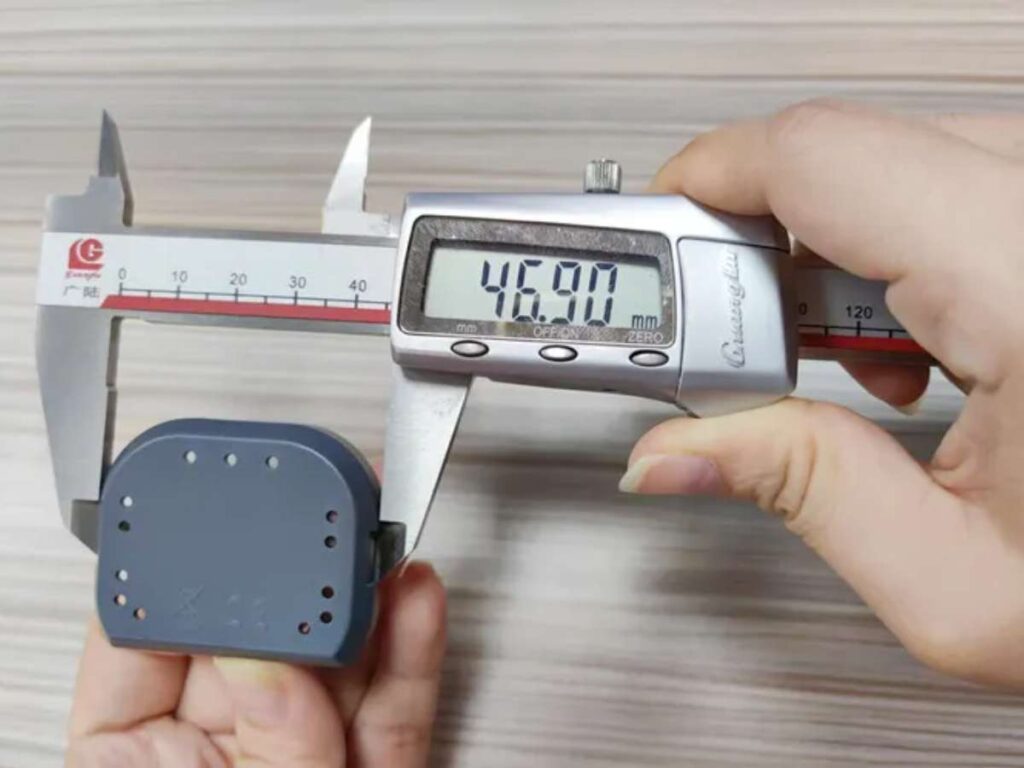
Step 7: Final Post-Processing
Once your parts are molded and inspected, you might think the job is done. But for many projects, there’s one more step: finishing.
Some parts come out of the mold ready to ship. Others need a little extra work to meet final specs or appearance standards.
I remember one order that looked perfect—until we realized the parts needed trimming and surface smoothing. It added three extra days to the timeline. That taught me to ask about finishing early.
So what kinds of post-processing might your part need?
Common Finishing Tasks
- Trimming or degating: Removing excess plastic at the gate or parting line
- Polishing or sanding: Smoothing out surface imperfections
- Painting or coating: Adding color, texture, or extra protection
- Pad printing or laser marking: For logos, serial numbers, or labels
- Assembly: If your product includes multiple molded parts
Some of these steps are cosmetic. Others are functional. Either way, they affect your final result.
What to Ask Your Supplier
- What post-processing is included in the quote?
- Do you handle finishing in-house or outsource it?
- Can I approve samples before full finishing begins?
Tips for You
- Be clear about what your part should look like at the end
- Share reference photos or samples if appearance matters
- Build extra time into your schedule for these finishing steps
Post-processing is the last hands-on step before shipping. It’s also your last chance to catch any small issues that could become bigger problems later.
Once the parts are finished, the final piece of the puzzle is getting them safely into your hands.
Step 8: Packaging and Shipping
Your parts are done. Finished, tested, and ready to go. Now comes the final task: getting them to you without damage or delays.
And trust me, this part can be harder than it sounds.
I once received a shipment where the parts were tossed into boxes with no protection. Scratches. Warping. Some were crushed. We had to rerun the order—and it cost time we didn’t have.
That’s why packaging and shipping should never be an afterthought.
Packaging Details to Confirm
- Quantity per box: How many parts will go into each carton?
- Protective materials: Will they use foam, plastic trays, or bubble wrap?
- Labeling: Do you need barcodes, batch numbers, or fragile stickers?
- Special requirements: Anti-static bags, moisture barriers, or temperature protection?
If your part is fragile or appearance matters, don’t assume basic packaging is enough. Ask to see a sample or photo of how it’ll be packed.
Shipping Options to Think About
- Air freight: Faster, more expensive, better for small or urgent orders
- Sea freight: Slower but more cost-effective for large volumes
- Courier or express: Good for small sample runs or replacement parts
Also ask:
- Do I need to handle customs clearance?
- Will you provide tracking and delivery timelines?
- What happens if something gets damaged in transit?
What You Can Do
- Build in a buffer for shipping delays, especially international ones
- Check local import rules if your shipment crosses borders
- Confirm packaging specs in writing
Good packaging protects your parts. Clear shipping plans protect your schedule.
And just like that you’ve made it through every step of the injection molding process. From design to delivery, each piece matters. Each decision helps you reduce risk, save time, and get better results.

Conclusion
The beginning felt confusing, the middle got messy, but now? You’re at the end of the process and at the beginning of something else.
You know how injection molding works. You know the steps. The trade-offs. The questions to ask.
It’s a lot to take in but you’ve done it. Now you’re better prepared than most.
I’ve learned the hard way. You don’t have to.
What’s your next move?
Contact us today. We’ll walk through it with you.
Dive Deeper Into Our Resources
If you’re looking for more insights, we’ve put together a list of helpful articles that you might enjoy:
Still haven’t found what you’re looking for? Don’t hesitate to contact us. We’re available around the clock to assist you.