
One of our first-time customers once tried to save money by doing their own anodizing. Within a month, their parts were flaking and discolored.
They came to us asking, “What went wrong?”
That question led to a long conversation, and a lasting partnership.
We’ve been doing Type II anodizing in-house for years, serving OEMs, fabricators, and aerospace shops alike. We don’t just offer it—we’ve built our reputation around delivering clean, consistent, and reliable finishes.
This article walks you through what Type II anodizing is, how it differs from other types, when to use it, and what your team needs to know before committing to a supplier.
It’s the exact information we share with clients before a new project begins.
So, let’s dive in!
1. What Is Type II Anodizing?
A lot of people think all anodizing is the same. It’s not.
Type II anodizing is what most folks mean when they say “clear anodized” or “color anodized” aluminum. It’s done using sulfuric acid and creates a thin but durable oxide layer right on the surface of your aluminum part.
That layer isn’t just for show—it helps protect your product from wear, corrosion, and light scratches. You get a professional finish that also holds up in real-world use.
So what makes it Type II?
It’s defined in a military spec called MIL-A-8625. This standard breaks anodizing down by type, depending on thickness, chemistry, and durability. Type II sits right in the middle: tougher than decorative coatings, but not as rugged as the heavy-duty Type III (hardcoat).
Here’s why businesses often choose Type II:
- It’s Versatile: Works great for consumer products, enclosures, and visible parts.
- It’s Affordable: Gives you protection and color without the cost of hardcoat.
- It Looks Clean: Accepts dyes well and delivers consistent finishes across batches.
If you’re building something like fitness equipment, electronic housings, bike frames, or control panels—this might be the finish you didn’t know you needed.
And if you’re not using it yet, it might be time to give it a closer look.
2. Benefits of Type II Anodizing
A part can look perfect on the outside and still fail miserably when it counts. Type II anodizing brings real protection to the table, and it shows up when it matters most.
Once you understood what it actually offers, you will never went back to skipping this step.
Corrosion Resistance
I’ve seen untreated aluminum parts corrode quickly just from basic exposure.
With Type II anodizing, you get a protective barrier that slows down corrosion significantly.
At MachMaster, this type of finish is frequently applied to parts intended for outdoor or high-humidity environments, where surface durability really matters. That means fewer headaches when parts are used outdoors or in humid conditions.
It’s the kind of invisible protection that keeps your products looking sharp over time. Even better, it helps reduce warranty claims and replacements due to surface failures.
Improved Wear Resistance
Type II may not be bulletproof, but it does give your parts some muscle. It creates a harder surface that resists everyday scratches and handling marks.
That’s a big deal if your parts are constantly touched, moved, or assembled. Over time, it helps your product maintain its clean, professional look.
It’s a smart way to extend the life of a part without redesigning it entirely.
Electrical Insulation
This one surprised me the first time I found out. Anodizing actually makes the aluminum surface non-conductive. That’s incredibly useful for parts that are close to wires, circuits, or other electrical components.
It adds an extra layer of safety without any extra parts. You don’t have to rely on separate insulators when the finish already does the job.
Lightweight, Non-Peeling Protection
What I like most is that anodizing isn’t just a surface coating.
It becomes part of the aluminum itself, so it won’t peel or chip away. You get added durability without adding weight.
That’s perfect for industries like aerospace or robotics where every ounce matters. Plus, it holds up better over time compared to paints or plated finishes.
3. Key Characteristics of Type II Anodizing
If you’ve ever had to choose the right finish for aluminum parts, you know how much the small details matter.
Type II anodizing brings a mix of precision, flexibility, and protection that’s easy to overlook until you’ve seen the difference it makes.
Below are the key traits I always keep in mind when deciding if this finish fits a project.
- Thin, Precise Oxide Layer: The anodized coating usually falls between 0.00007 and 0.001 inches thick. That may sound tiny, but it’s just enough to add corrosion resistance without messing up tight tolerances. It works great for parts that need to thread or fit snugly with others.
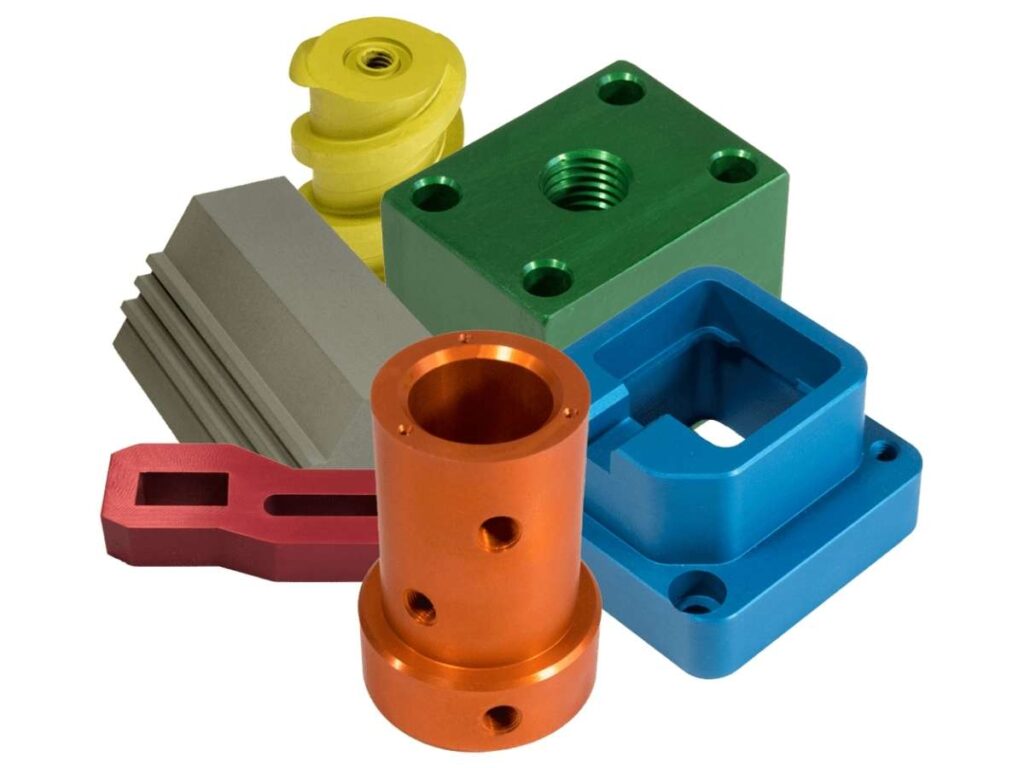
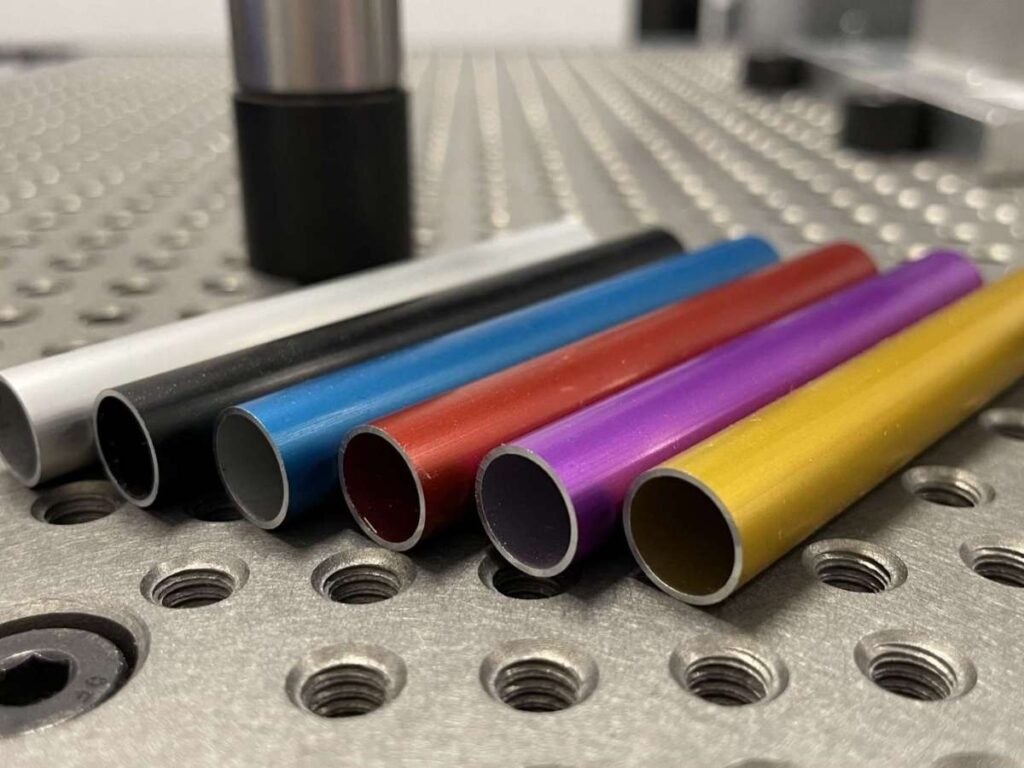
- Reliable Color Range: Because of the porous nature of the surface before sealing, Type II takes dye really well. I’ve had parts come out in everything from deep black to bronze to champagne tones. Just be aware that slight color variation can happen depending on the aluminum alloy.
- Customizable Finish Texture: What your part looks like after anodizing depends a lot on what it looked like before. If you want a brushed or glossy look, you’ll need to prep the surface that way before the anodizing step.
- Tough in Harsh Environments: Type II anodized parts can take a beating from the elements compared to raw aluminum. They do much better when exposed to salt, sun, or humidity. I’ve seen this first-hand with marine brackets and gym equipment that need daily cleaning. –
- Naturally Non-Conductive Surface: One of the underrated perks is the electrical insulation it provides. Once anodized, the aluminum doesn’t conduct electricity at the surface. This is a big help in applications with electronics or mixed materials.
4. Type II Anodizing Process: Step-by-Step
Understanding how Type II anodizing actually works can save you a lot of frustration later.
If you’ve ever received inconsistent finishes or had color issues, chances are something was off in one of these steps.
Here’s a clear breakdown of what happens during the process, so you know what to ask your finisher and what to expect from start to finish.
- Step#1 Cleaning and Etching: The first step is to get the part completely clean. Oils, dirt, and natural oxidation need to be removed so the finish can bond properly. After cleaning, the part is etched using a mild acid or alkaline solution to create a smooth and uniform surface.
- Step#2 Desmutting the Surface: After etching, the part goes through a desmut process to remove any residue left behind, especially if it’s a high-silicon alloy. Skipping this can lead to blotchy or uneven anodizing.
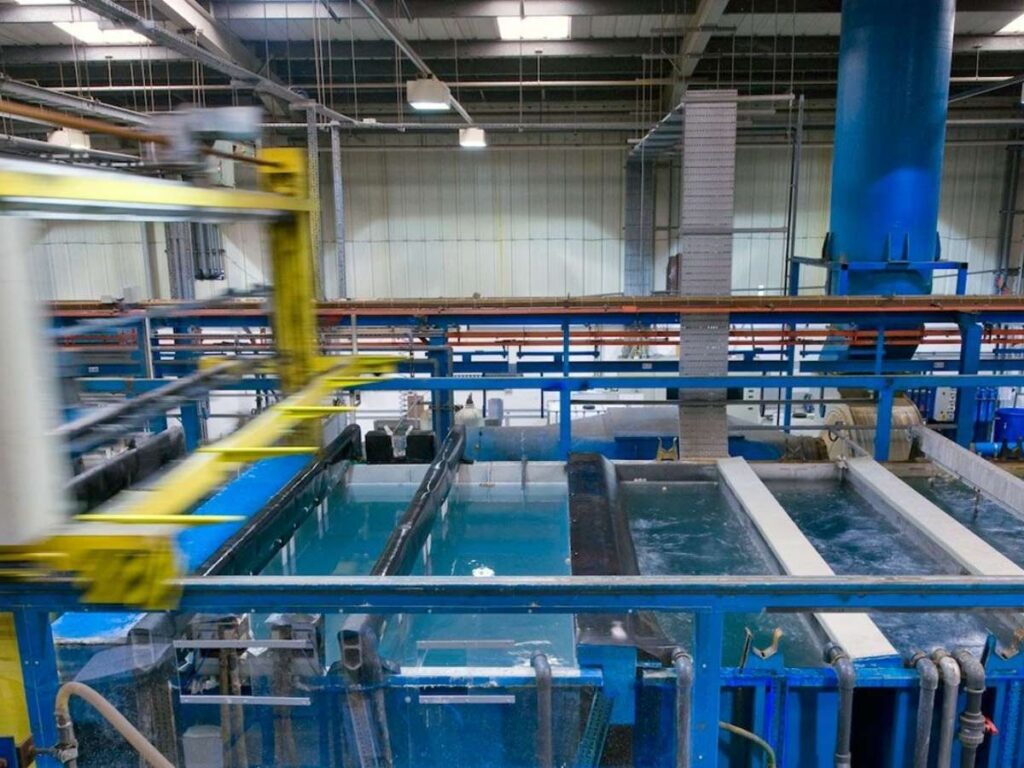
- Step#3 Anodizing in Sulfuric Acid: The cleaned parts are submerged into a bath of sulfuric acid with an electric current running through it. The part acts as the anode while the acid triggers oxidation on the surface.
- Step#4 Dyeing the Surface (Optional): If you’re adding color, the anodized part is transferred into a dye bath. The pores in the oxide layer absorb the dye like a sponge. Color depth depends on how long the part sits in the dye and how well the anodizing step went.
- Step#5 Sealing the Finish: Sealing is where everything gets locked in. The dyed or clear part is boiled in water or treated with special sealing solutions. This closes up the microscopic pores on the surface.
- Step#6 Quality Inspection and Testing: Once sealed, parts should go through final inspection. Most finishers check coating thickness, confirm the color, and do salt spray or abrasion tests depending on your spec.
- Step#7 Packaging and Handling: Even the best anodizing can be ruined with rough handling after finishing. Parts need to be packaged properly to avoid scratches, dents, or contamination. Make sure your supplier uses clean gloves and safe materials. That final touch matters just as much as the finish itself.
5. Common Applications of Type II Anodizing
Over the years, I’ve worked on a wide range of aluminum parts, and Type II anodizing continues to pop up in the most practical places.
It’s not just a finishing touch. It’s a critical layer of protection that adds real value.
Here are 5 applications where this process proves itself again and again.
Consumer Electronics
One of my first experiences with anodized aluminum was while working on custom housings for a tech client. They wanted something sleek, durable, and able to handle everyday wear.
Type II anodizing gave them a clean, matte finish that resisted fingerprints and scratches.
It also helped preserve the product’s look, even after long-term use. For devices that are handled daily, this kind of finish can be a game-changer in customer satisfaction.
Commercial Equipment and Machinery
I’ve had a few clients in the equipment space who needed finishes that could take a beating. Type II anodizing was ideal for parts that saw regular handling or moderate friction during use. It gave the components a professional appearance while protecting them from corrosion and minor damage.
It also reduced the need for constant repainting or touch-ups.
That kind of low-maintenance performance makes it easier to keep operations running smoothly.
Medical Equipment
When working on a contract for lab devices, cleanliness and durability were top priorities. Type II anodizing offered a smooth, easy-to-sanitize surface that held up well to frequent disinfecting.
It didn’t peel or chip, which made it perfect for trays, brackets, and covers. The consistent finish also looked sharp in sterile environments.
Doctors and lab staff appreciated how easy it was to keep the equipment looking new.
Home Decoration
A manufacturer I worked with wanted to upgrade the look of their aluminum hardware for interior use. Type II anodizing gave their curtain rods, handles, and trim a refined look without sacrificing durability.
Customers loved the uniform color options and smooth texture. It turned out to be a great finishing choice for both style and function.
Even after years of exposure to light and air, the finish stayed consistent and attractive.
Sports and Entertainment
From bike components to gym equipment, I’ve seen anodized parts perform well under stress. The finish resists sweat, minor impact, and constant handling.
One brand I supported used it on custom dumbbell handles, and the results held up even in high-traffic training spaces. It kept their products looking sharp and professional, even after repeated use.
For companies in the sports space, that kind of durability can become a big selling point.

6. Type II Anodizing vs. Other Anodizing Types
When choosing the right anodizing type, it helps to understand how each one compares in terms of thickness, durability, appearance, and performance.
Below is a detailed chart to help you weigh Type II against Type I and Type III, so you can make the best decision for your application.
| Feature | Type I (Chromic Acid) | Type II (Sulfuric Acid) | Type III (Hardcoat Anodizing) |
| Electrolyte Used | Chromic acid | Sulfuric acid | Sulfuric acid |
| Oxide Layer Thickness | Thin (0.00002″ to 0.0001″) | Medium (0.00007″ to 0.001″) | Thick (0.001″ to 0.004″) |
| Durability | Moderate corrosion resistance | Good corrosion and wear resistance | Excellent wear and corrosion resistance |
| Color Options | Very limited (usually grayish) | Wide range (black, bronze, gold, etc.) | Limited (mostly black or dark gray) |
| Surface Finish | Dull or matte | Satin, matte, or polished (based on pre-treatment) | Matte or rough, depending on thickness |
| Application Use | Aerospace, internal parts where fatigue strength is critical | Consumer products, enclosures, general industrial components | Heavy-duty equipment, firearm parts, aerospace, machinery |
| Electrical Insulation | Moderate | High | High |
| Tight Tolerance Compatibility | Excellent due to thin coating | Good, commonly used for press-fit components | May require machining post-anodizing due to thicker coating |
| Weight Impact | Negligible | Minimal | Noticeable (due to thicker coating) |
| Cost | High (less common, more regulated) | Moderate (most commonly used) | Higher (more power, time, and control needed) |
| Sealing Required | Yes | Yes | Often optional but recommended for color or chemical resistance |
| Main Drawback | Limited color, environmental concerns | Less abrasion resistance than Type III | More expensive, can affect tight tolerances |
7. How to Choose the Right Anodizing Service Provider
Not all anodizing shops are created equal. Even if two vendors claim to offer “Type II anodizing,” their results can look and perform very differently.
That’s why choosing the right partner is about more than just price or lead time.
Here are 4 technical areas I always dig into before moving forward with a new anodizing supplier.
Bath Chemistry and Process Control
Anodizing is more than dipping aluminum into acid. It’s a controlled electrochemical process that depends on factors like temperature, pH, voltage, and time.
MachMaster maintains strict process control by continuously monitoring these variables, ensuring every batch meets exacting standards.
I always ask how a shop monitors and maintains those variables throughout the day. If they can’t explain their process in detail, that’s a red flag for me. Consistent chemistry leads to consistent parts, and that’s what every production run needs.
Oxide Layer Thickness Measurement and Tolerance Capabilities
The thickness of the anodic layer plays a big role in corrosion resistance, surface finish, and fit. Your supplier should be using precise tools like eddy current gauges to measure coating thickness.
I make sure they can hit the target thickness within tight tolerances, especially for parts that require exact fits. Consistency here is a clear sign of a dialed-in process.
If a vendor can’t measure and report thickness accurately, they’re not ready for precision work.
Dyeing and Sealing Quality
If you’re requesting color, your shop needs more than just a dye tank. They should understand how dyeing time, pore structure, and sealing all affect color stability.
I ask for salt spray test data or UV fade test results to see how their finishes hold up. A well-sealed part not only looks better but lasts longer in real-world use.
Poor sealing is one of the most common reasons anodized parts fail early.
Certification and Compliance Standards
A reliable anodizing partner should be familiar with MIL-A-8625 and be able to certify to it when required. I also check for ISO 9001 or AS9100 certification if we’re working in regulated industries.
If your product needs RoHS or REACH compliance, ask for documentation early. These certifications tell you whether the shop takes quality and traceability seriously.
It also shows they’re ready to work with demanding customers and industries.
Conclusion
That client who walked in asking, “What went wrong?”—they don’t ask that anymore.
Now they know better, and so do you.
We’ve covered what Type II anodizing is, how it works, when to use it, and what matters most when choosing a partner.
Plan ahead. Finish right. Protect your reputation.
Contact MachMaster when you’re ready for anodizing that’s done right the first time.
More Guides and Tips to Explore
We’ve got more for you! These articles provide more tips and guidance to keep you on track:
Still haven’t found what you’re looking for? Don’t hesitate to contact us. We’re available around the clock to assist you.