
I still remember the sting of losing $4,800 on a part that didn’t fit.
It wasn’t the machinist’s fault—it was mine. I didn’t fully understand what CNC machining could and couldn’t do. I made assumptions, skipped details, and paid the price. That lesson stayed with me.
From that moment on, I decided to stop guessing and really learn how CNC machining works—no jargon, no fluff, just straight answers.
If you’re here, maybe you’ve got a part that needs tight tolerances. Or maybe you’re just tired of vague replies from suppliers that leave you more confused than when you started.
I’ve been in product design and sourcing for over a decade. I’ve worked with engineers on one side and machine shops on the other. I’ve made mistakes, asked tough questions, and figured things out the hard way—so you don’t have to.
In this guide, I’ll break down what Precision CNC Machining really is, what it can do, and how it could help your project.
Let’s get started!
1. What is Precision CNC Machining?
Let’s make it simple and clear.
CNC machining stands for Computer Numerical Control machining. It’s a manufacturing method that uses computer-controlled tools to remove material from a solid block, shaping it into a finished part that matches your design.
But precision CNC machining? That’s where the stakes get higher—and the tolerances get tighter.
Here’s what makes it different:
- Automated Accuracy: Every movement of the cutting tool is directed by code, not by hand, eliminating guesswork and human error.
- Tight Tolerances: Machines are capable of holding tolerances down to ±0.001 inches, which is critical for high-performance applications.
- Consistent Results: Whether you’re producing 5 parts or 50,000, each one comes out nearly identical.
- Complex Shapes, Done Right: Multi-axis machines can handle intricate features that would be nearly impossible manually.
- Works Across Materials: From aluminum and titanium to plastics and composites—precision is maintained across a range of materials.
Whether you’re running a factory, managing a supply chain, or scaling a product line, you can’t afford surprises.
You need parts that fit, function, and perform exactly as intended. That’s what precision CNC machining is built for. It’s not about aesthetics. It’s about performance, reputation, and efficiency.
When done right, it becomes the quiet hero of your production line. No second-guessing. No rework. No hold-ups.
2. How Does Precision CNC Machining Work?
To get precision parts, the process starts long before the cutting begins. It’s not just about having advanced machines—it’s about how you feed them information and control every movement down to the decimal.
Here’s a closer look at how it all works from concept to part:
CAD Design
Everything starts with a CAD model (Computer-Aided Design). This digital blueprint defines the exact geometry of your part—dimensions, tolerances, features, and materials. If it’s not accurate here, nothing else will be either.
For manufacturers and product teams, CAD gives you a shared source of truth. Whether you’re prototyping or scaling production, this is where design intent is locked in.
CAM Software
Once your CAD file is ready, it goes into CAM software (Computer-Aided Manufacturing). This is where machine instructions are generated—paths on the tools, speeds, depths of cut, and tool changes.
The CAM software translates your digital design into physical motion, telling the machine exactly what to do. The cleaner and more precise this code is, the better the result on the shop floor.
Machining Process
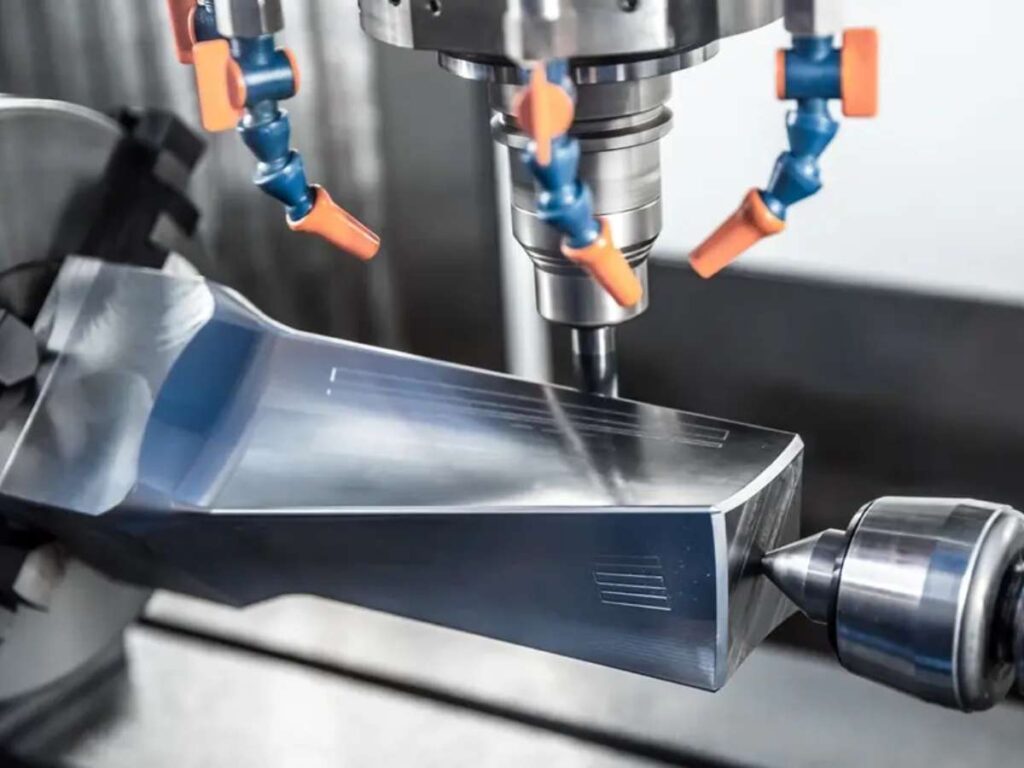
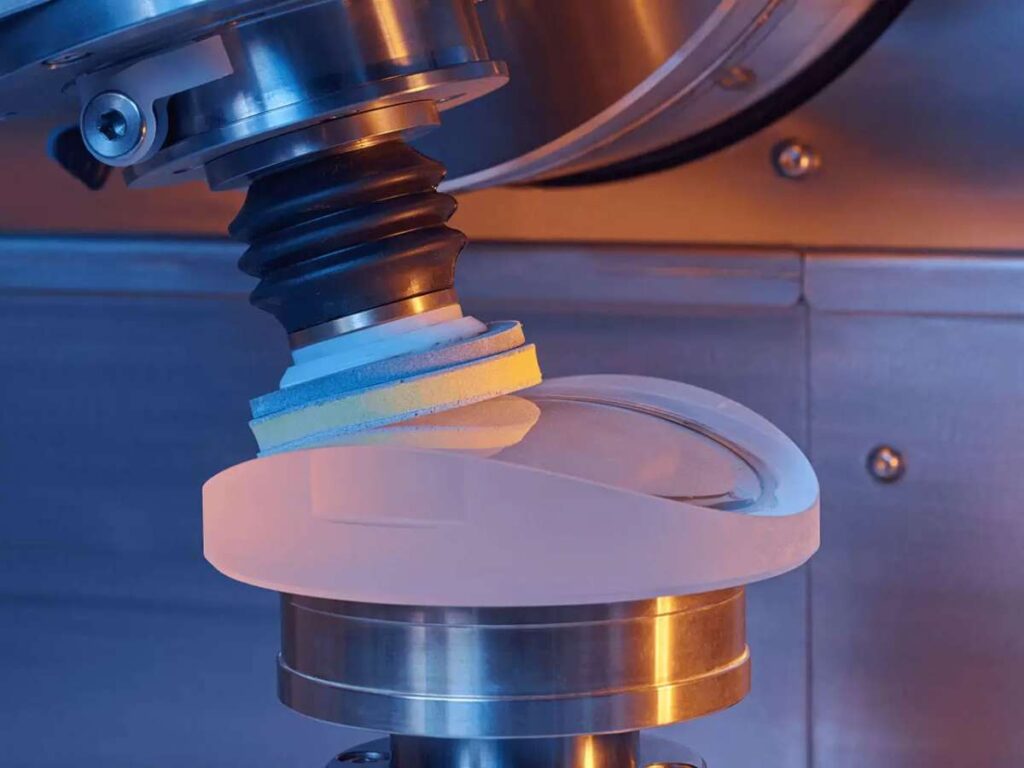
Now comes the actual machining. Your part is mounted on a CNC machine, and the cutting tools remove material—layer by layer, shape by shape, all based on the CAM instructions.
Whether it’s drilling, milling, or turning, everything is automated. The machine doesn’t guess or adjust—it executes the plan exactly as programmed. This is what gives CNC its reputation for repeatability and high tolerance.
3. Benefits of Precision CNC Machining
If you’ve ever dealt with part rejections, inconsistent tolerances, or supply chain delays due to poor quality, then you already know why precision matters.
Precision CNC machining doesn’t just make parts. It protects your timeline, your budget, and your reputation. Let’s look at the core benefits that set it apart:
Extreme Accuracy & Consistency
CNC machines are built for micron-level tolerances. That level of control is crucial when a part needs to function under stress or integrate seamlessly into a larger assembly.
Example:
In the aerospace industry, even a tiny deviation in a turbine blade or engine housing can lead to catastrophic failure. Precision isn’t optional—it’s the standard.
For your business, this means fewer fitment issues, reduced scrap, and faster final assembly.
Repeatability for Mass Production
Once a CNC machine is programmed and dialed in, it can produce hundreds or thousands of identical parts without deviation. That kind of consistency is what makes scaling possible.
Example:
In automotive manufacturing, precision is what allows brake components, suspension parts, and housings to perform the same way, every single time, across millions of units.
This benefit is key if you need to maintain strict QA standards at scale.
Supports Complex Geometries
Need angled holes, undercuts, deep pockets, or compound curves? Precision CNC—especially with 4- or 5-axis machines—can handle complex part designs that would be impossible (or cost-prohibitive) with manual or basic machining.
Example:
In medical device manufacturing, implants and surgical tools often have intricate contours that must match human anatomy. CNC allows those parts to be shaped with absolute detail.
If your part’s geometry is non-negotiable, CNC gives you the control you need.
Reduces Human Error
Manual machining introduces risk: fatigue, inconsistent setups, and skill variation from one operator to another. CNC machining removes that variable entirely.
Instead of relying on instinct, it relies on code, and code doesn’t guess.
For you, this translates to better uptime, tighter QA control, and fewer unexpected failures in the field or during final inspection.
4. Materials Commonly Used in Precision CNC Machining
Choosing the right material for your part is just as important as the design itself. In precision CNC machining, material selection impacts everything, from cutting speed and tooling wear to surface finish, tolerances, and even overall cost.
I learned this when we once tried to machine a run of parts using hardened stainless steel, thinking it would hold up better in the field. It did. But it also destroyed 2 end mills and added days to our timeline because the supplier hadn’t planned for how tough the material would be.
That’s why working with an experienced partner like MachMaster is critical. We know how different materials behave under the cutter—and how to adjust machining strategies for precision, speed, and repeatability.
Let’s take a look at some of the most commonly used materials we work with every day:
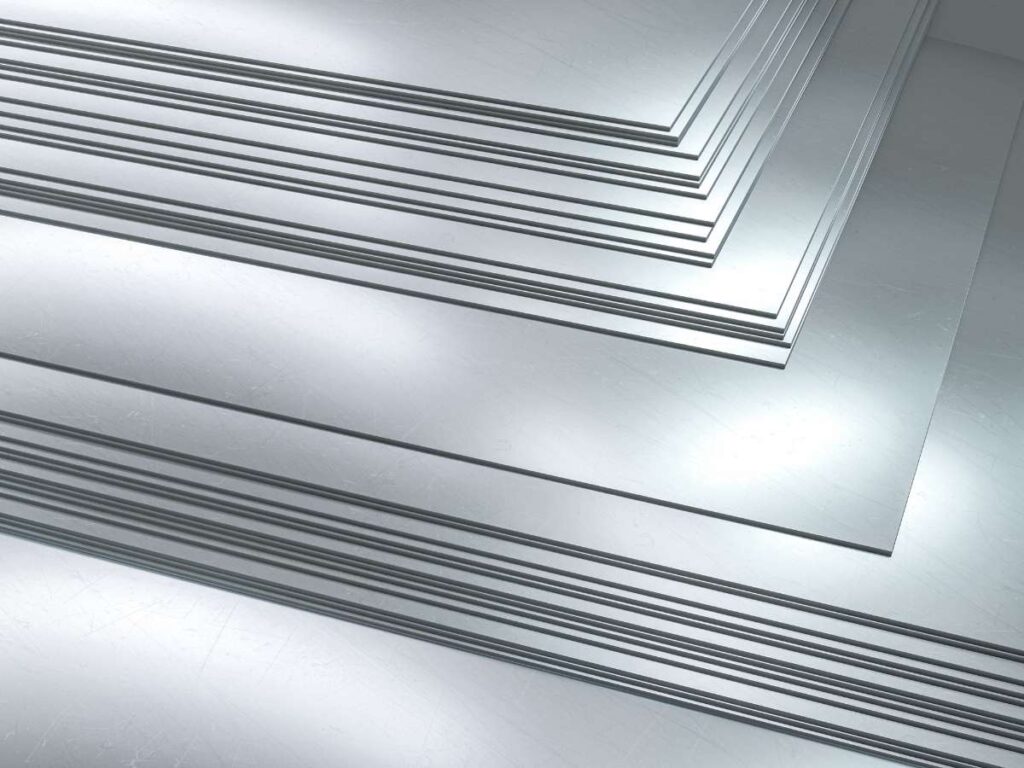
Metals
Aluminum
- Lightweight, highly machinable, and corrosion-resistant.
- Often used for housings, fixtures, brackets, and high-speed components.
- Allows fast cutting speeds and tight tolerances with minimal tool wear.
Machining Note: Aluminum is forgiving. It’s great for both prototyping and high-volume runs.
Titanium
- Extremely strong and corrosion-resistant, especially in extreme environments.
- Common in aerospace, medical implants, and defense systems.
- Difficult to machine—it requires slower feed rates and rigid setups.
Machining Note: Titanium demands care. Even minor vibration can compromise surface integrity and dimensional accuracy.
Stainless Steel
- Durable, heat-resistant, and used across industries from food-grade to industrial.
- Perfect for high-strength components that need to withstand wear or exposure.
Machining Note: Stainless tends to work-harden, so proper cooling and consistent tooling are key to holding tolerances.
Brass
- Easy to machine and naturally corrosion-resistant.
- Commonly used in fittings, valves, and electronic components.
Machining Note: Brass cuts clean, with little burr formation. Excellent for tight-fitting components.
Plastics
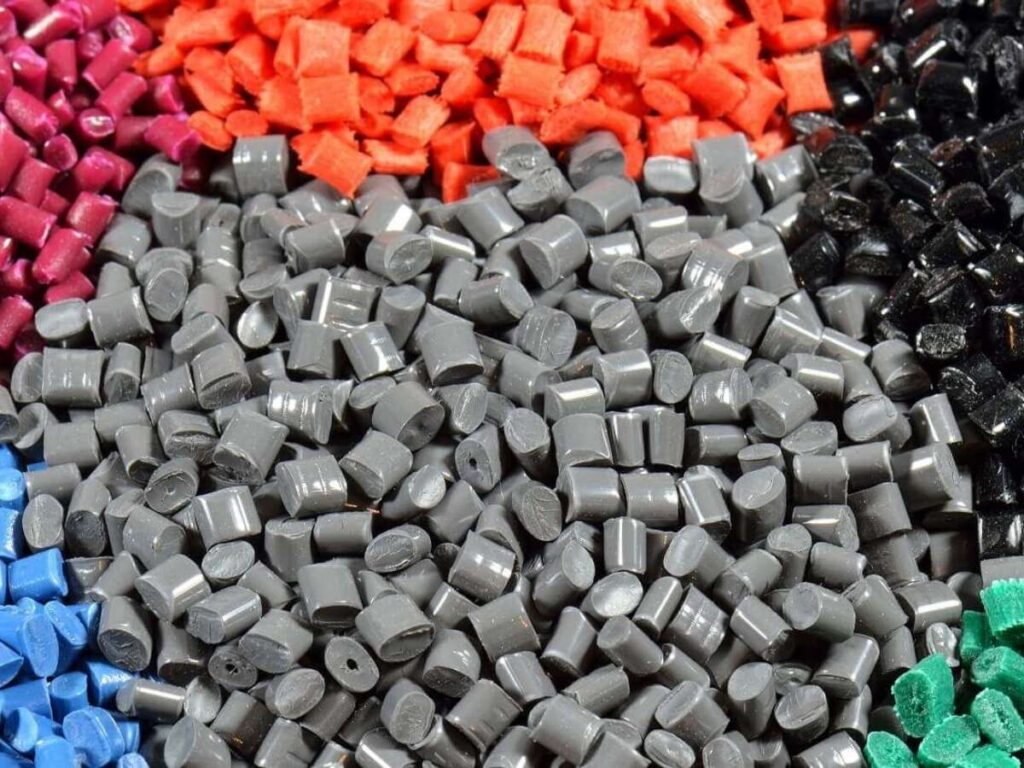
PEEK
- High-performance thermoplastic with exceptional chemical and thermal resistance.
- Used in medical, aerospace, and high-stress industrial applications.
Machining Note: Precision is critical, PEEK expands with heat, so temperature control during machining is essential.
ABS
- Lightweight and affordable with good impact resistance.
- A go-to choice for consumer products and basic enclosures.
Machining Note: Cuts easily, but requires lower cutting speeds to avoid melting or warping edges.
Nylon
- Tough and slightly flexible, with low friction.
- Great for bushings, spacers, and wear-resistant parts.
Machining Note: Nylon can absorb moisture from the air—this can subtly affect part dimensions over time.
Delrin (Acetal)
- Strong, stiff, and easy to machine. Excellent for high-precision plastic parts.
- Ideal for gears, bearings, and structural components.
Machining Note: Delrin’s stability makes it perfect for high-tolerance work. It machines clean and requires minimal post-processing.
Specialty Materials
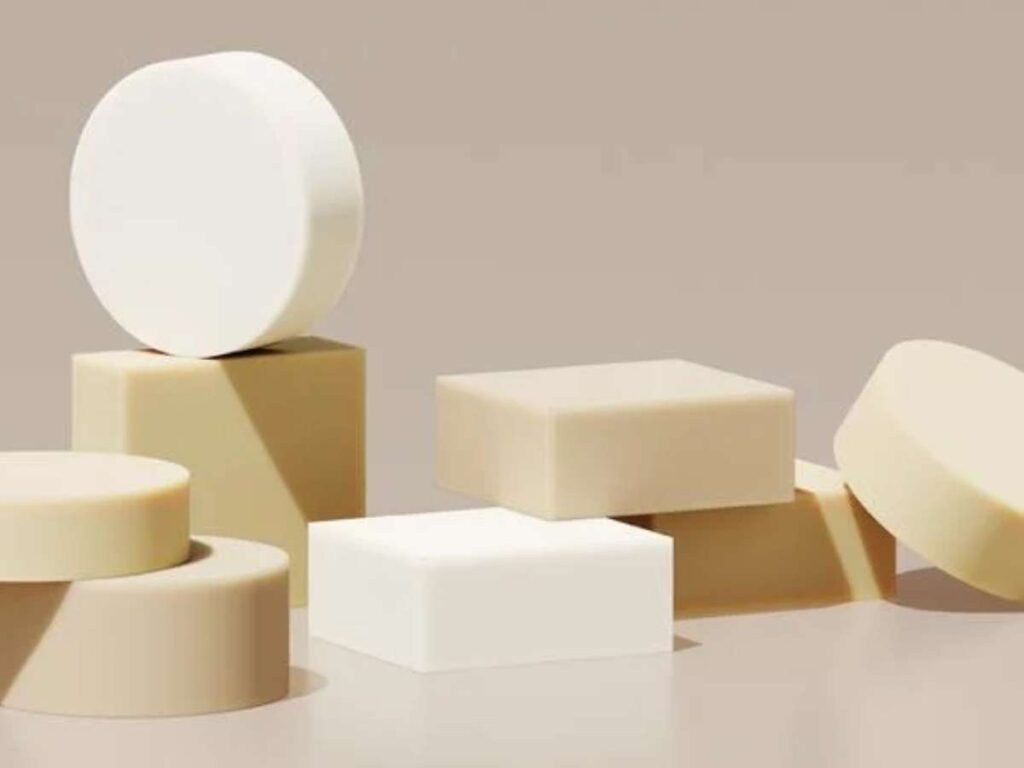
Ceramics
- Used in medical, aerospace, and electronics where heat or corrosion resistance is vital.
- Extremely hard and brittle—requires diamond tooling and slow feeds.
Machining Note: Precision here means not only tight tolerances but also avoiding micro-cracks during finishing.
Composites
- Engineered materials like carbon fiber or fiberglass offer high strength-to-weight ratios.
- Ideal for lightweight structural components in automotive, drones, and defense.
Machining Note: Composites wear tools quickly and produce fine dust, requiring special tooling and containment setups.
If you’re not sure what material’s right for your application, we’ll help you find the one that balances strength, machinability, and cost-efficiency, without sacrificing precision.
5. Applications of Precision CNC Machining
Precision CNC machining isn’t limited to one niche. It’s the backbone of modern manufacturing—used wherever tight tolerances, reliability, and repeatability are non-negotiable.
Whether you’re building for extreme conditions, high-volume demand, or functional prototypes, CNC machining delivers parts that meet the mark, again and again.
Let’s break down where it’s used most:
Aerospace and Defense
When parts are going into the sky, or into combat, failure isn’t an option. Precision CNC machining is mission-critical in this space. It’s used to create:
- Engine components
- Structural housings
- High-stress fasteners and brackets
I still remember working with a client in the defense sector. Their project called for titanium components with tolerances of ±0.0005″. If even one part was off, it could compromise the entire assembly. We ran every part through multiple inspections, and that batch passed with zero rejects. That’s the kind of precision this industry depends on.
Automotive Components
From engine blocks to brake systems, today’s vehicles rely on parts that must perform under pressure. CNC machining ensures:
- Consistent quality across mass production
- Precision in engine, transmission, and suspension components
- Reduced failure rates during assembly
One of our clients scaled from 50 to 5,000 parts per month. Thanks to the consistency of our machining, they didn’t need to requalify the part at every run. That saved their QA team hours per week.
Electronics and Semiconductors
Electronics don’t just need small parts—they need precise ones. Applications include:
- Heat sinks
- Enclosures for circuit boards
- Connectors and internal brackets
With parts this delicate, even a burr or dimensional shift can lead to product failure. We’ve machined components for high-end computing systems where thermal performance depends on exact tolerances in aluminum housings.
Medical Devices
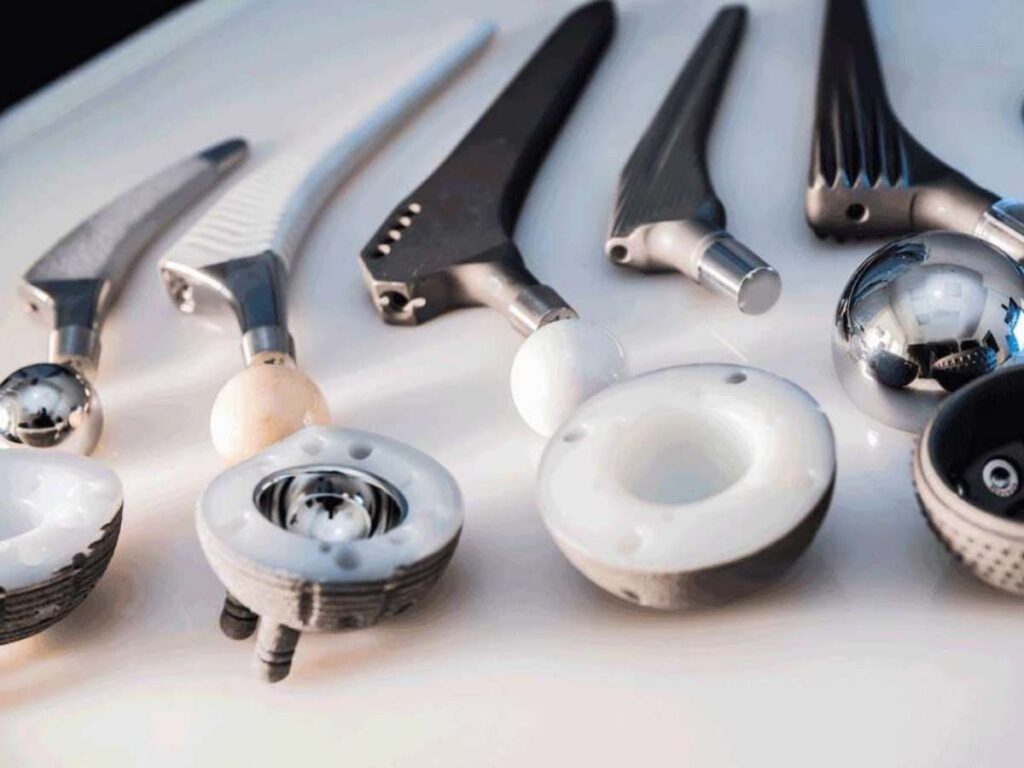
Lives are on the line. That’s why the medical industry demands the highest standards in surface finish, tolerance, and material traceability. Machined components include:
- Orthopedic implants
- Surgical tools
- Diagnostic device housings
We once machined custom titanium surgical guides for a startup. Each one was patient-specific, which meant there was zero room for deviation. The client trusted us not just to machine, but to help them build credibility with FDA inspectors.
6. Precision CNC vs. Traditional Machining
If you’ve ever debated whether to stick with conventional machining or invest in precision CNC, you’re not alone. We’ve had clients come to us after trying manual shops that couldn’t keep up with their tolerances—or their timelines.
So, what’s the real difference?
Here’s a side-by-side breakdown of Precision CNC Machining vs. 5 traditional methods commonly used in metalworking and fabrication:
| Criteria | Precision CNC Machining | Manual Machining | Drilling Machines | Grinding Machines | Broaching | Sawing (Band/Circular) |
| Precision / Tolerances | Extremely high (±0.001 in or better) | Depends on operator skill; typically ±0.005 in | Moderate (±0.002–0.005 in) | Very high (±0.0002–0.001 in) | High (±0.001–0.002 in) | Low to moderate (±0.010–0.030 in) |
| Repeatability | Excellent—identical results across large batches | Inconsistent; varies with human input | Good for basic features | Excellent for flatness and finish | Excellent in high-volume applications | Low repeatability |
| Setup Time | High initial setup, low for repeat jobs | Low setup, high manual adjustment | Quick setup for holes, limited use | Moderate to high | High—tooling specific | Very low |
| Programming / Automation | Fully automated with CAD/CAM integration | Manual operation, no automation | Manual or basic automation | Semi-automated | Requires specialized tooling | Manual or semi-automated |
| Complex Geometries | Can handle complex 3D shapes with multi-axis | Limited to basic cuts | Limited to vertical/horizontal holes | Not suitable for 3D shapes | Limited to specific internal shapes | Linear cuts only |
| Speed (for production) | Fast once programmed; optimized for large runs | Slow for complex parts | Fast for simple hole drilling | Moderate speed, finish-focused | Very fast for internal features | Fast for rough cuts |
| Labor Skill Required | Minimal during operation; high during programming | Highly skilled machinist required | Basic machining skills | Skilled operator or technician | High skill, experience needed | Entry-level skill |
| Material Compatibility | Broad—metals, plastics, composites | Broad but operator-dependent | Metals and some plastics | Metals only | Mostly metals | Metals, plastics, composites |
| Tool Wear / Maintenance | Moderate—depends on material and usage | High due to manual control | Moderate | High (grinding wheels) | High due to aggressive cuts | Low to moderate |
| Ideal Use Cases | Prototyping, high-precision production, complex parts | One-off parts, low-volume jobs | Drilling holes, simple assemblies | Surface finishing, tight flatness | Splines, keyways, repetitive internal cuts | Cutting stock to length, rough shaping |
| Scalability | Highly scalable for large runs | Not scalable beyond small batches | Moderate scalability | Moderate | High in specific, repetitive applications | Low scalability |
| Cost per Part | Lower at scale; higher upfront | High due to labor and time | Low for basic operations | High for precision finish | High tooling cost, good ROI in high volume | Very low for rough cuts |
If your project demands:
- High precision
- Consistency across large batches
- Flexibility in part complexity
- Reliable automation and reduced labor error
Then precision CNC machining isn’t just better, it’s essential.
That’s why at MachMaster, they’ve invested in multi-axis CNC systems that allow them to machine complex parts with tight tolerances, fast turnaround, and zero compromise on quality.
Traditional machining still has its place for certain jobs, especially in low-volume, simple work. But if you’re scaling, launching a high-performance product, or working in aerospace, medical, or automotive, you can’t afford to guess.
7. Key Factors to Consider for Choosing CNC Machining Partner
Not all machine shops are created equal.
And when precision matters, choosing the right CNC machining partner isn’t just about price—it’s about trust, capability, and alignment with your technical and operational needs.
Here’s what you need to evaluate before sending off your next RFQ:
Part Geometry and Design Complexity
Not every part is plug-and-play.
Some parts require intricate cuts, multi-surface machining, or precision setups that only multi-axis machines (4-axis or 5-axis) can handle.
- Undercuts, thin walls, and tight internal radii can increase tooling time and cost.
- Designs with multiple planes or compound curves need dynamic tool paths that not every shop is equipped for.
Design Tip:
Use Design for Manufacturability (DFM) principles wherever possible. Simplify when you can—but don’t compromise function.
Tolerance Requirements
It’s tempting to spec tight tolerances across the board—but that can backfire.
Holding ±0.0005” or better requires special tooling, slower feed rates, and more inspection, which all add to the cost.
- Focus on critical-to-function features that affect fit, seal, or performance.
- Leave more open tolerances on cosmetic or non-functional areas.
Design Tip:
When in doubt, ask your machinist to review the drawing. They’ll help you apply tolerances where they matter and avoid overspending where they don’t.
Material Selection
Material isn’t just a design choice—it’s a machining challenge.
- Aluminum is fast, clean, and forgiving.
- Titanium and Inconel eat through tools and require reduced cutting speeds.
- Plastics like Delrin machine well, but others like PEEK or Nylon demand precise thermal management.
Each material affects:
- Tool wear
- Machining time
- Coolant needs
- Final tolerances
Design Tip:
Before committing to a material, confirm its availability, machinability, and cost impact with your partner.
Surface Finish Requirements
Surface finish does more than affect appearance, it can directly impact performance.
- Options range from as-machined to bead blasting, anodizing, polishing, or powder coating.
- Finishes influence friction, sealing, corrosion resistance, and aesthetics.
But they also add steps, costs, and lead time.
Design Tip:
Specify finishes only where function or appearance demands it. If you can leave internal surfaces as-machined, you’ll save time and money.
Conclusion
Now you know what Precision CNC Machining is.
You’ve learned how it works, what it makes, and why it matters. You understand where it fits—and how to talk about it with confidence.
I kept my promise that day. I learned. And now I’ve passed it on to you.
If you’ve got a product to build, a team to lead, or parts to buy, start today. Don’t wait for a costly mistake to push you.
Contact us today! We’re here to help you get it right the first time.
Check Out These Additional Resources
For more in-depth knowledge, take a look at these recommended reads. We think you’ll find them useful:
Still haven’t found what you’re looking for? Don’t hesitate to contact us. We’re available around the clock to assist you.