
We were in a supplier meeting, looking at mold options and everyone nodded like they understood.
I didn’t. I had no clue what a family mold actually meant, or why someone would choose a cold runner over a hot runner. But I didn’t ask.
That mistake? It cost us thousands.
If you’re trying to make sense of injection molding molds, you’re in the right place. I’ve made the wrong calls before. Now I help others make the right ones.
In this article, you’ll get a simple breakdown of 10 common mold types. Each one explained clearly, with use cases, pros and cons, and the things I wish I had known. By the end, you’ll know exactly which mold type to choose for your next project and why it matters.
Let’s begin!
Overview
To help you see the bigger picture, here’s a quick overview of each mold type. Think of it as your roadmap before you choose a direction.
| Mold Type | What It Does | Best For | Main Trade-Off |
| Single-Cavity Mold | Makes one part per cycle | Prototypes, low-volume runs | Slower production |
| Multi-Cavity Mold | Makes multiple identical parts per cycle | High-volume production | Higher upfront tooling cost |
| Family Mold | Produces multiple different parts in one cycle | Assembly kits, multi-part products | Harder to balance part sizes |
| Hot Runner Mold | Uses heated channels to reduce waste and speed up cycles | Large-volume runs, smoother finishes | Expensive, complex maintenance |
| Cold Runner Mold | Uses unheated runners, requires trimming | Budget runs, simple designs | More waste, slower cycles |
| Two-Shot Mold | Molds two materials or colors in one shot | Multi-color or multi-material parts | Needs special machines |
| Unscrewing Mold | Uses mechanical movement to release threaded parts | Caps, threaded closures | Slower cycle time, complex build |
| Insert Mold | Molds plastic around a metal or pre-placed insert | Hybrid parts, added strength or function | Slower cycles due to insert loading |
| Overmold | Adds soft or second layer over existing part | Handles, grips, vibration dampening | Requires material compatibility |
| Prototype Mold | Temporary mold for small test batches | Design testing, early-stage feedback | Not suitable for high-volume production |
Now that you’ve seen how the mold types compare, let’s take a closer look at what each one offers and when it makes sense to use.
1. Single-Cavity Mold
Ever had a supplier ask, “Do you want a single-cavity or multi-cavity mold?”
And you just nodded, pretending you knew the difference?
I’ve been there.
A single-cavity mold does exactly what it sounds like. It makes one part per injection cycle. That’s it. One shot, one part. It’s simple, and sometimes, that’s exactly what you need.
Its mold has one hollow space that forms your part. Every time the machine runs, it fills that one space with melted plastic. After it cools and hardens, the mold opens, and one part is ejected.
It’s slower than multi-cavity molds, but it gives you control. And when you’re early in development, control matters more than speed.
Best For
This mold works well when you’re:
- Testing a new design
- Making a small batch
- Running limited production
- Working on prototypes
Startups and custom product builders use it often. It’s also a good fit for companies in early-stage development or pilot runs.
Pros and Cons
Pros:
- Lower mold cost
- Faster to manufacture
- Simple maintenance
Cons:
- Slower production
- Higher cost per part at scale
Key Considerations
Let’s break this down into what really matters: cost, volume, speed, and part design.
- Cost: Lower upfront mold cost, but higher cost per part if scaled to large volumes.
- Volume: Best for low production runs (under a few thousand parts).
- Speed: One part per cycle means slower output compared to multi-cavity molds.
- Part Design: Good for evolving designs, easy to update before locking into mass production.
- Material Compatibility: Works with common plastics like ABS, polypropylene, and nylon. Great for testing material performance.
2. Multi-Cavity Mold
After I struggled through my first low-volume run with a single-cavity mold, I knew I needed something faster.
Orders were growing. Lead times were slipping. I felt like I was always behind.
That’s when I learned about the multi-cavity mold.
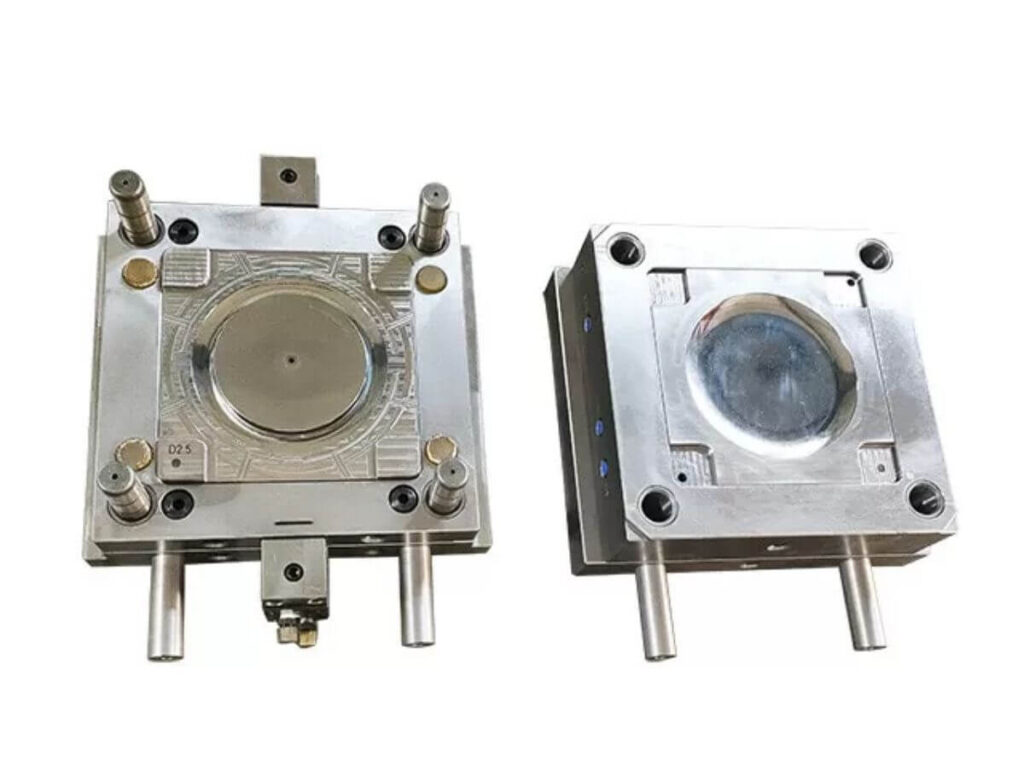
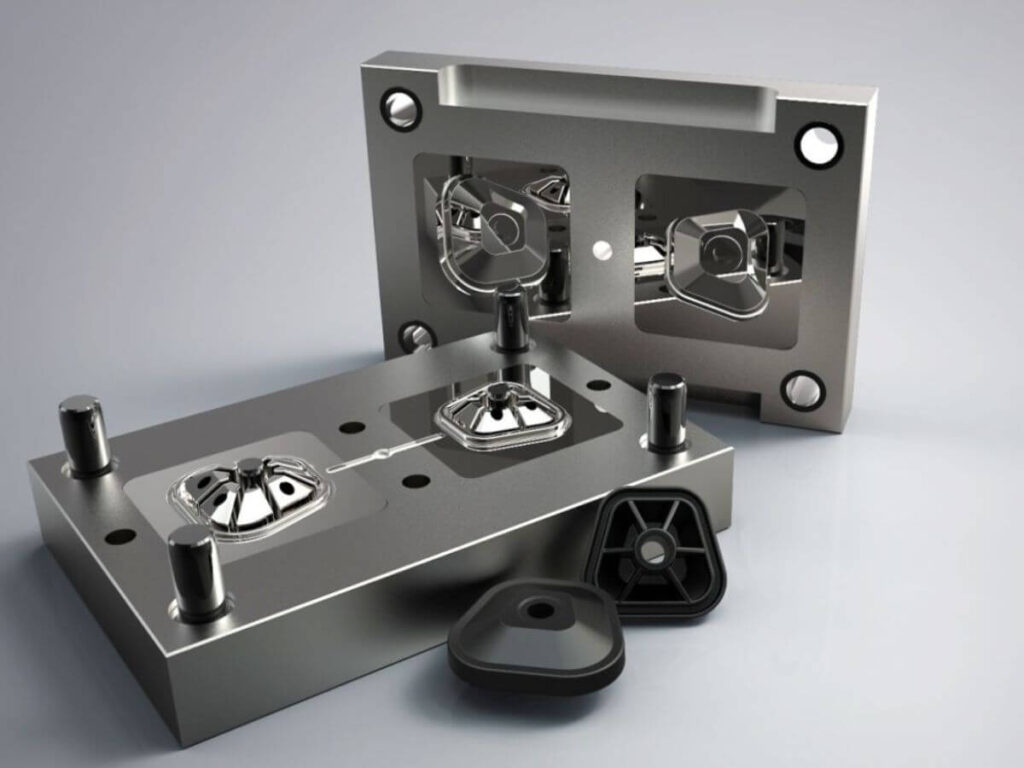
A multi-cavity mold has more than one cavity, meaning it produces multiple parts in a single cycle.
Each cavity is identical. You get the same part repeated, several times over, every time the mold closes and opens.
This setup increases your output without needing multiple machines. It’s a major step up in efficiency.
Best For
This mold works well for:
- High-volume production
- Growing businesses scaling past prototyping
- Brands with a steady demand for one part
- Products with simple or repeatable designs
If you’re past the early testing phase and ready to meet larger orders, this mold fits.
If you’re looking for a manufacturing partner who can handle both speed and precision, MachMaster can help. We support businesses moving from small batch to full-scale production with advanced plastic injection capabilities and ISO 9001 certified systems.
Pros and Cons
Pros:
- Faster production
- Lower cost per part
- Good return over time
Cons:
- Higher upfront tooling cost
- Longer lead time to build the mold
- More complex maintenance
Key Considerations
- Cost: High initial tooling cost, but long-term savings on per-part pricing.
- Volume: Best for thousands of parts per month or more.
- Speed: Multiple parts per shot means fast output.
- Part Design: Works well with simple, identical parts.
- Material: Must flow evenly to all cavities—some materials perform better than others.
If you’re growing fast and tired of slow output, this mold can help you catch up—and stay ahead.
3. Family Mold
I once worked on a project that needed three small plastic parts. Different shapes. Same material. At first, I thought we’d need three separate molds. That would have drained the budget fast.
Then the supplier suggested a family mold.
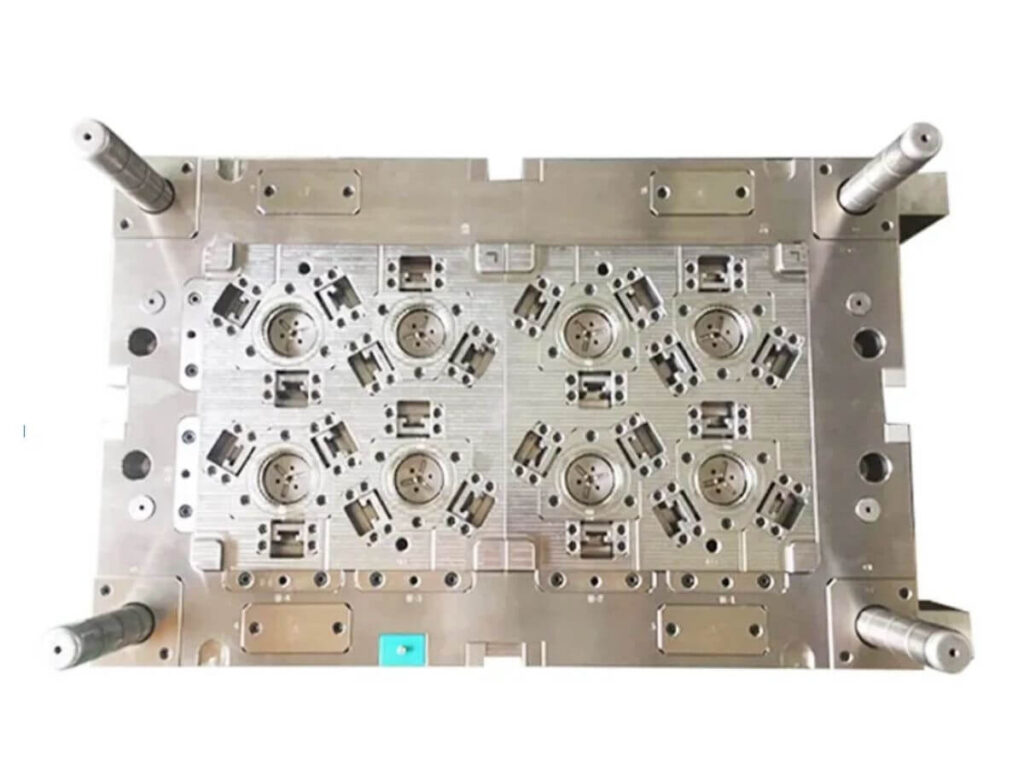
A family mold produces different parts in one cycle. Each cavity makes a separate part, but all parts are molded together in the same shot. It’s like building an entire product kit in one go.
Best For
This mold is great if:
- You need multiple parts made from the same material
- The parts will be assembled together later
- You’re producing kits, housings, or multi-part components
Product designers and small brands love it because it saves both time and tooling costs.
Pros and Cons
Pros:
- Multiple parts made at once
- Lower tooling cost than separate molds
- Good part consistency
Cons:
- All parts must use the same material
- Different part sizes can cause uneven filling
- Harder to balance temperatures and flow
Key Considerations
- Cost: Saves money over building multiple molds.
- Volume: Great for medium runs of complete kits or assemblies.
- Speed: Faster than separate molds, but slower than multi-cavity.
- Part Design: Works best when parts are similar in size and material needs.
- Material: All parts must use the same resin type and color.
If you’re making a product with matching parts, a family mold might be the most efficient way to build it without blowing your budget.
4. Hot Runner Mold
I used to hate how much plastic we wasted. Every run left long runners that we had to cut, regrind, or throw out. It felt wrong, especially at scale.
Then I learned about hot runner molds.
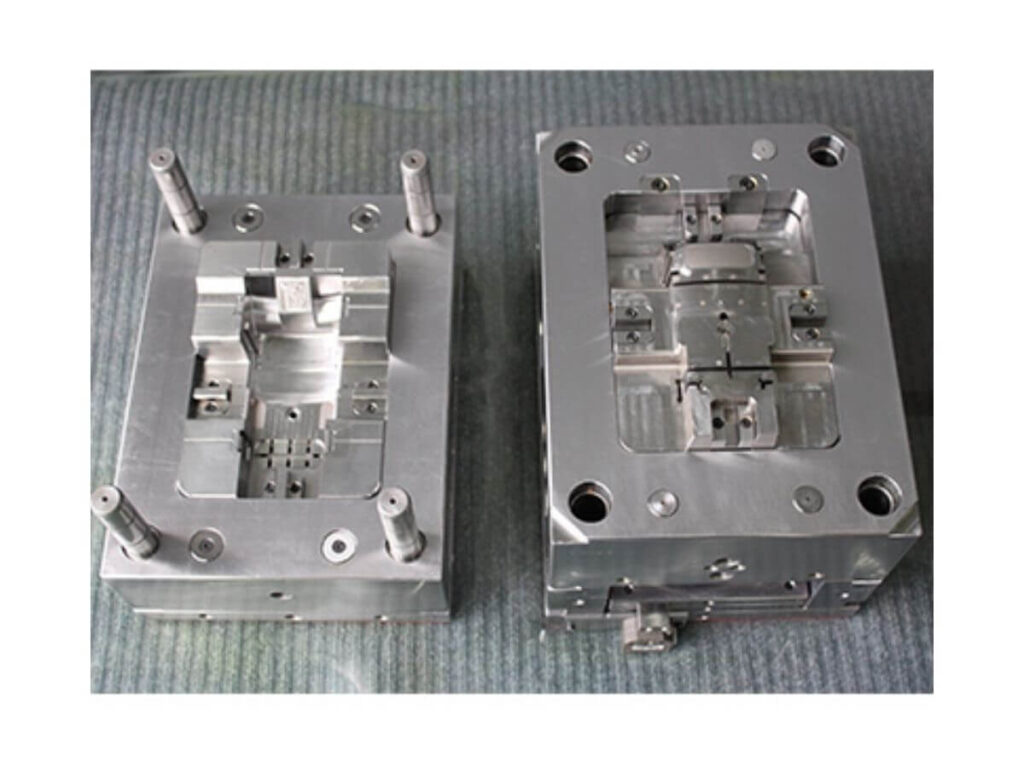
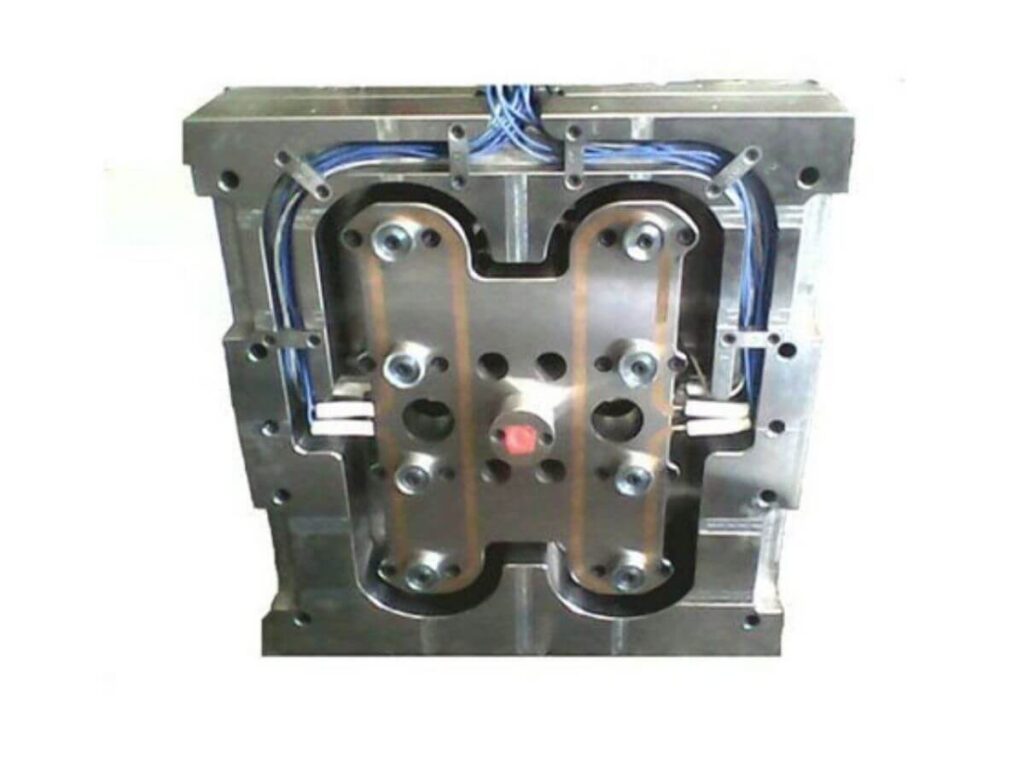
A hot runner mold uses heated channels to keep the plastic flowing inside the mold. That means less waste, no solidified runners, and faster cycles.
The plastic goes straight to the cavity and stays molten during the process.
Best For
It works well for:
- High-volume runs
- Complex parts needing tight control
- Projects where material waste adds up quickly
If you’re scaling production and watching your scrap rate, this is worth a look.
Pros and Cons
Pros:
- Less material waste
- Faster cycle times
- Cleaner part finish
Cons:
- Higher tooling and maintenance cost
- More complex mold setup
- Needs careful temperature control
Key Considerations
- Cost: Expensive to build and maintain, but saves money on materials long term.
- Volume: Ideal for large, consistent production runs.
- Speed: Very fast cycles with less trimming.
- Part Design: Great for parts that need smooth surfaces or complex shapes.
- Material: Works with most thermoplastics, but setup needs to match the material’s flow behavior.
If waste bothers you or your margins are tight, hot runner molds can give you cleaner, faster, more efficient results.
5. Cold Runner Mold
Before I had budget to spend on high-end tooling, I stuck with cold runner molds. And honestly? They did the job.
They were simple, reliable, and affordable.
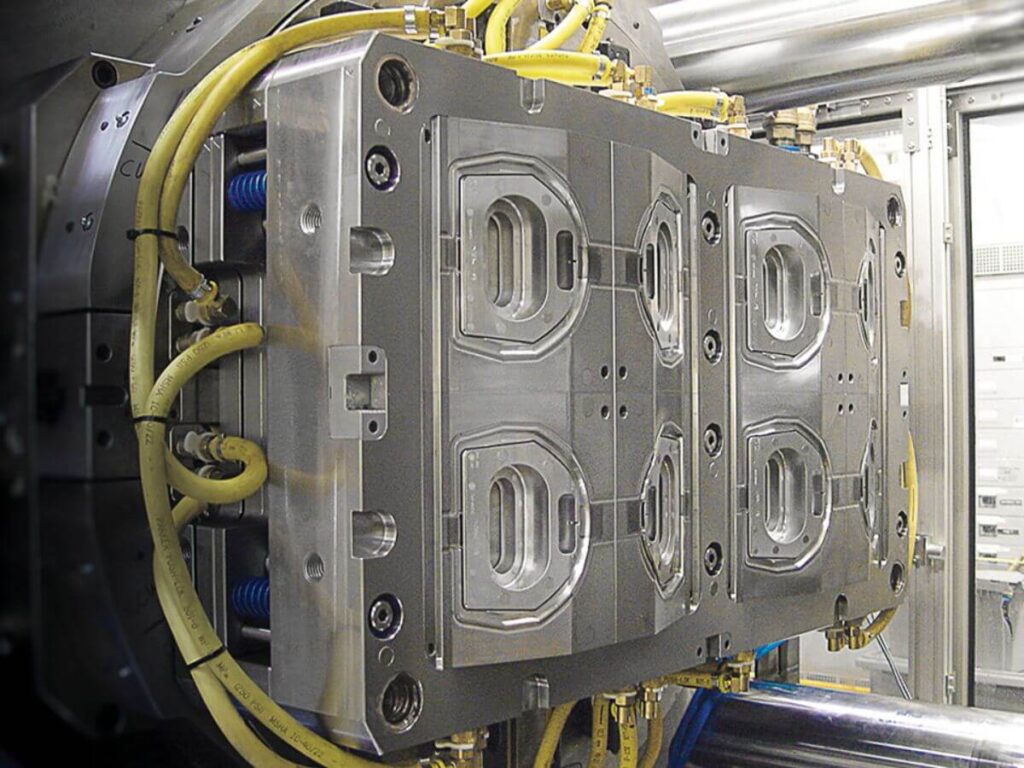
Cold runner molds use unheated channels to guide molten plastic into the cavities. Once the plastic cools, both the part and the runner solidify. You have to trim the runner off afterward.
It’s a straightforward system, and that’s what makes it popular.
Best For
This mold works best for:
- Low to medium production runs
- Projects with simple part designs
- Startups or anyone watching tooling costs
If you’re early in production or working on a budget, this is a safe place to start.
Pros and Cons
Pros:
- Lower tooling cost
- Easy to maintain
- Great for small runs
Cons:
- More material waste
- Slower cycle times
- Requires extra steps like trimming
Key Considerations
- Cost: Lower tooling investment, but material waste can add up.
- Volume: Best for short or medium production runs.
- Speed: Slower than hot runner systems.
- Part Design: Good for simple shapes and open designs.
- Material: Compatible with most common plastics.
If you’re keeping things lean and need to get parts out without high overhead, cold runner molds are dependable even if they aren’t the fastest.
6. Two-Shot (or Multi-Shot) Mold
The first time I handled a soft-touch toothbrush grip, I wondered: how did they mold two materials so cleanly together?
Later, I found out it was made with a two-shot mold.
What It Is
A two-shot mold makes a single part using two different materials or two colors in one cycle. The first material is injected. Then the mold shifts, and the second material is injected right on top or around the first.
It’s done in one machine, during one molding sequence.
Best For
This mold works best for:
- Multi-material products
- Parts that need soft grips or seals
- High-end consumer products
It’s often used by brands creating durable, ergonomic, or color-detailed parts.
Pros and Cons
Pros:
- Combines two materials in one step
- Strong bond between materials
- Cleaner, smoother finish
Cons:
- High tooling and machine cost
- Needs special equipment and setup
- Limited to compatible materials
Key Considerations
- Cost: Expensive tooling, but reduces assembly costs.
- Volume: Best for high production runs.
- Speed: Fast once setup is complete.
- Part Design: Must support bonding and flow paths.
- Material: Both materials must bond well and have similar melt temperatures.
If you want a polished, multi-material part without assembly, two-shot molding might be your answer.
7. Unscrewing Mold
I once worked on a cap design that had threading. The first mold failed. The threads didn’t form right, and parts got stuck. That’s how I learned about unscrewing molds.
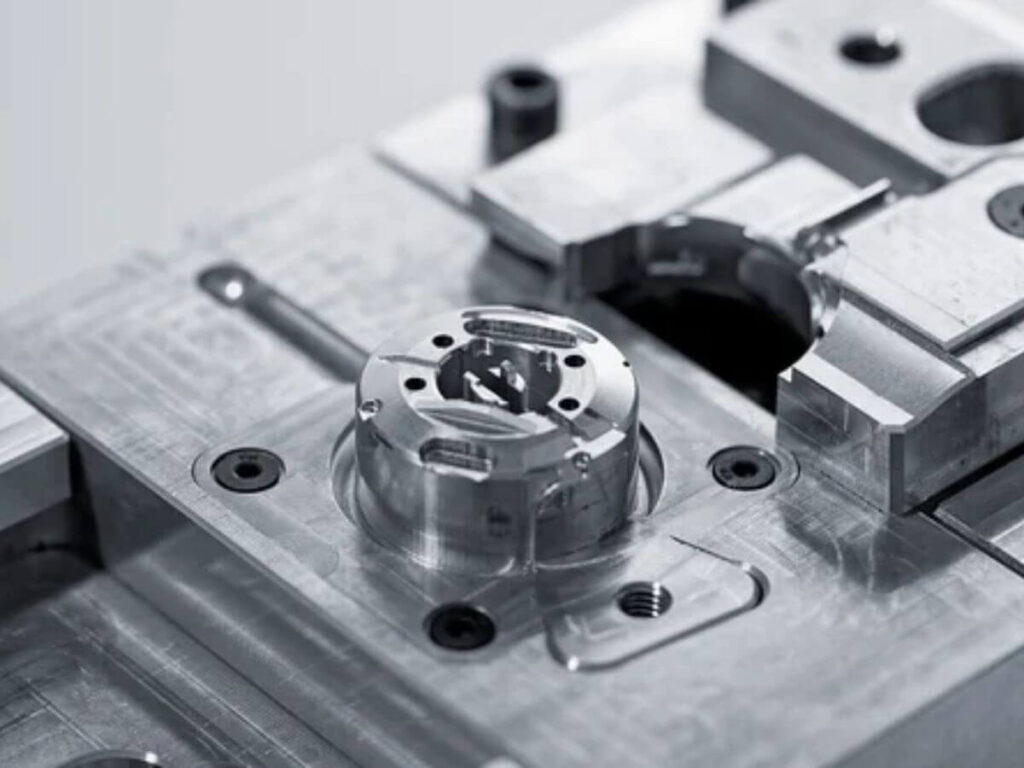
An unscrewing mold uses mechanical movement to rotate threaded features during part ejection. Instead of pulling the part straight out, the mold actually twists it off like a lid.
This keeps the threads intact and makes the part usable.
Best For
It’s perfect for:
- Caps and closures
- Bottles or threaded connectors
- Anything needing twist-on features
If your product needs to screw on or off, this mold handles it right.
Pros and Cons
Pros:
- Perfect threads every time
- No damage during ejection
- Fully automated rotation
Cons:
- Complex mold design
- Higher cost and longer setup
- More maintenance needed
Key Considerations
- Cost: High due to mechanical components.
- Volume: Worth it for medium to large runs.
- Speed: Slower than basic molds because of extra motion.
- Part Design: Needed for threaded or twist-lock parts.
- Material: Must allow for clean ejection with minimal shrinkage.
If threads matter to your design, unscrewing molds give you clean results without cutting corners.
8. Insert Mold
I remember holding a plastic handle with a metal pin inside and thinking: how’d they get that metal in there so cleanly?
The answer: insert molding.
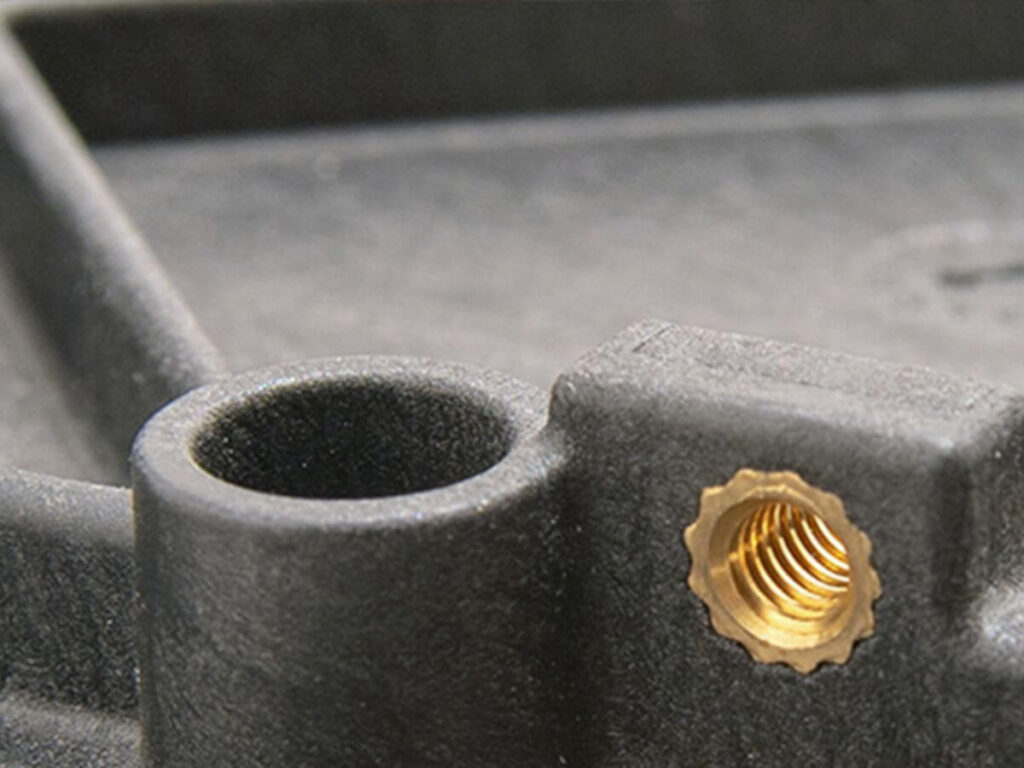
Insert molds let you place a metal, ceramic, or other non-plastic part into the mold before the plastic is injected. The plastic then forms around it, locking it in place.
This creates a hybrid part with both strength and function.
Best For
You’ll find this useful if you’re:
- Making metal-plastic hybrid parts
- Building electrical connectors or structural components
- Reducing the need for post-molding assembly
Engineers and product designers often choose it to save steps and improve durability.
Pros and Cons
Pros:
- Combines materials in one step
- Stronger final parts
- Cuts down assembly time
Cons:
- Inserts must be placed precisely
- More labor or automation required
- Slower than standard molds
Key Considerations
- Cost: Moderate to high, depending on insert process.
- Volume: Works for both low and high runs.
- Speed: Slower due to insert loading.
- Part Design: Must allow for insert placement and bonding.
- Material: Plastic must bond well to insert material.
If you need strength, structure, or conductivity in your molded parts, insert molding gives you options without extra parts.
9. Overmold
I once worked on a product that needed a soft grip over a hard plastic body. At first, we tried gluing it. It peeled off. Then we tried two separate molded parts. The fit wasn’t great.
That’s when a supplier suggested overmolding and it changed everything.
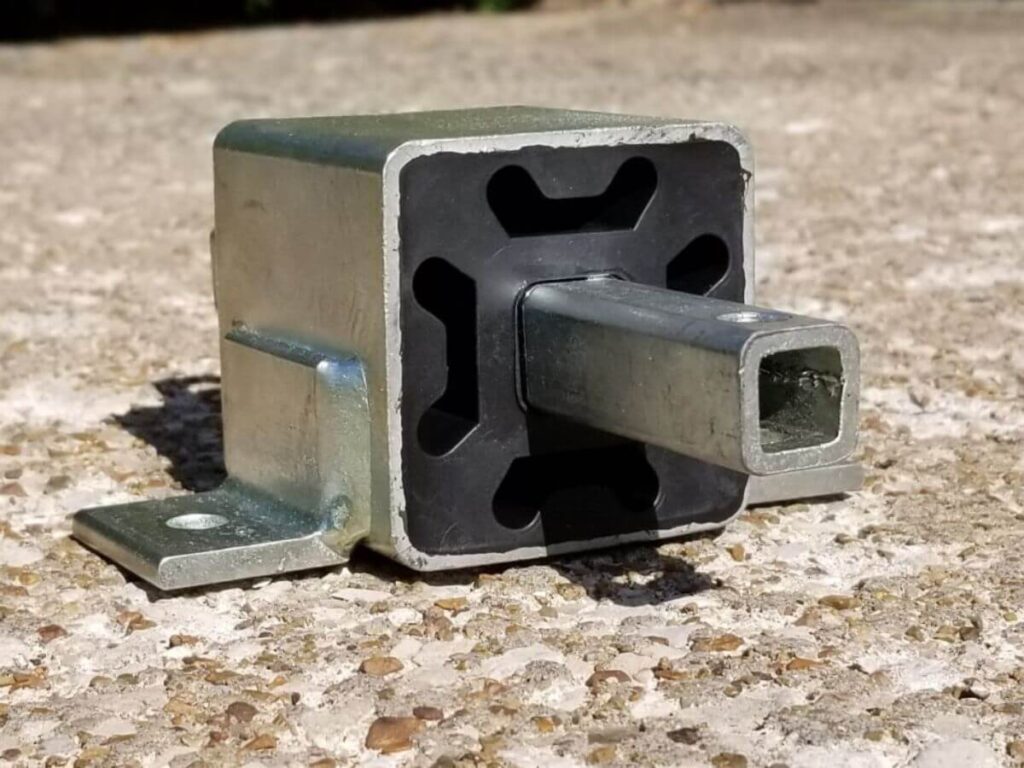
Overmolding is a process where one material is molded directly on top of another part. You start with a base (often a rigid plastic or metal), then mold a second material over or around it.
It’s often used for adding soft-touch grips, vibration dampening, or color accents.
Best For
This mold works great for:
- Tool handles
- Consumer products
- Parts needing extra comfort, grip, or durability
It’s a go-to for brands that want better feel and function without extra assembly steps.
Pros and Cons
Pros:
- Strong bond between materials
- Improves part comfort and usability
- Eliminates gluing or fitting parts later
Cons:
- Higher mold complexity
- Longer cycle times
- Materials must be compatible
Key Considerations
- Cost: More than standard molds, but less than assembling two parts.
- Volume: Better for mid to high production runs.
- Speed: Slower due to two-step process.
- Part Design: Must support material layering.
- Material: Second material must stick well to the first.
If your product needs extra comfort, function, or grip without glue or fasteners overmolding is worth considering.
10. Prototype Mold (Rapid Tooling Mold)
Back when I was launching a new product, I didn’t want to wait 6 weeks for a full production mold. I just wanted to test the design fast. That’s when I learned about prototype molds, also called rapid tooling molds.
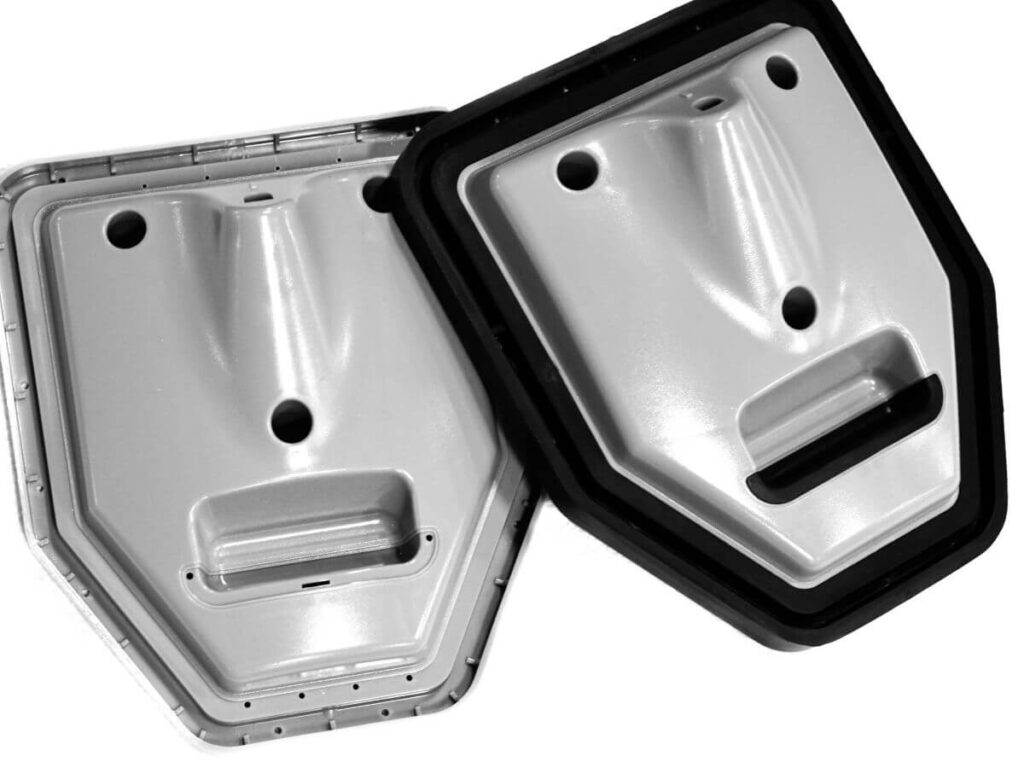
Prototype molds are made quickly using softer, cheaper materials like aluminum. They produce small batches for testing, not long-term use.
The goal isn’t durability, it’s speed.
Best For
You’ll want this mold if you’re:
- Testing a part before finalizing the design
- Pitching a product to investors
- Getting early user feedback
Startups and design teams often use it to reduce risk before full production.
Pros and Cons
Pros:
- Fast to produce
- Low initial cost
- Great for testing real parts
Cons:
- Limited lifespan
- Not built for large volumes
- Less precision than hardened steel molds
Key Considerations
- Cost: Low upfront, but not suited for high-volume.
- Volume: Best for a few dozen to a few hundred parts.
- Speed: Quick turnaround, days, not weeks.
- Part Design: Allows for quick design changes.
- Material: Compatible with most plastics, but wear out faster.
If you want to move fast, test smarter, and avoid costly tooling mistakes, prototype molds are a solid first step.
Conclusion
You just took a full tour of the 10 most common injection molding molds. Each one serves a purpose. Each one solves a different problem.
Now you know what to look for and just as important, you know what to avoid.
Whether you’re starting small or scaling up, the right mold can save you weeks, dollars, and headaches.
So, what stage are you in? Prototype? Production? Somewhere in between?
Contact us today and let’s find the mold that fits your next move!
Explore Related Resources
Want to see more? We’ve gathered additional product choices to give you even more variety:
Still haven’t found what you’re looking for? Don’t hesitate to contact us. We’re available around the clock to assist you.