
Custom Sensor Housing
60% · 65% · 75% · TKL · Full-size · Custom layouts
CNC Keyboard Case Showcase
Partnering with talented keyboard designers, MachMaster transforms innovative concepts into high-quality CNC-machined keyboard cases. Here are some of the remarkable works we’ve helped create.


Choose Your Keyboard Case Material
The material you choose defines the weight, feel, sound, and durability of your keyboard.
We machine all of these — so you can pick what fits your vision.
Aluminum
6061-T6 · 6063 · 5052
The most popular choice for premium keyboards. 6063 offers the best surface finish for anodizing. 7075 for extreme rigidity.
- Lightweight yet rigid
- Excellent anodizing response
- Great heat dissipation
- Best price-to-performance
Stainless Steel
304 · 316L
Heavy, solid, and virtually indestructible. Delivers a unique low-pitch sound signature and unmatched durability.
- Extreme durability
- Premium weight (2-3x aluminum)
- Distinctive sound profile
- Corrosion-resistant
Brass
C360 · C260
Dense and sonorous. Adds significant weight and delivers a deeper, more resonant typing sound. A favorite for custom builds.
- Dense — adds 1.5-2kg to a case
- Deep, satisfying sound
- Unique gold/patina aesthetic
- Excellent machinability
Polycarbonate (PC)
translucent
The RGB-friendly choice. Crystal clear or frosted — perfect for showing off underglow and switch lighting.
- Crystal clear or translucent
- Lightweight — great for travel
- Impact-resistant
- Unique “thocky” sound
Finishing Options for CNC Keyboard Cases
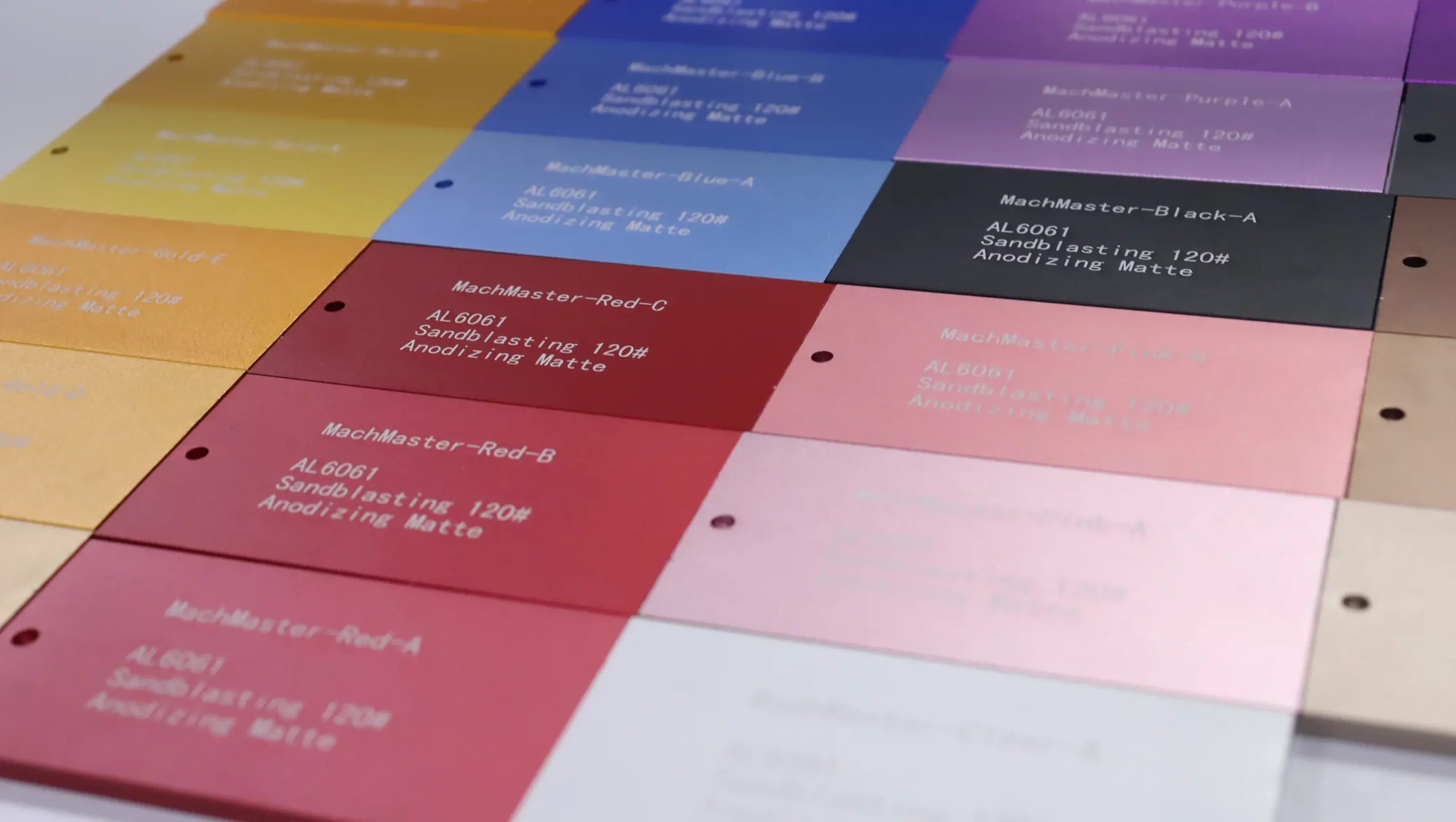
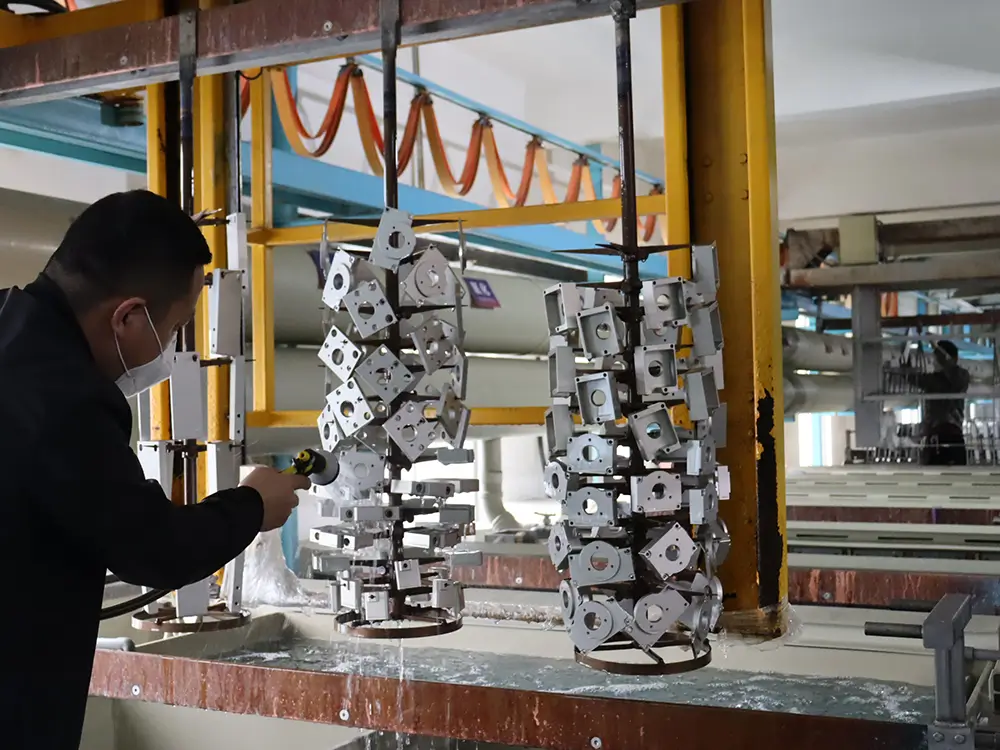
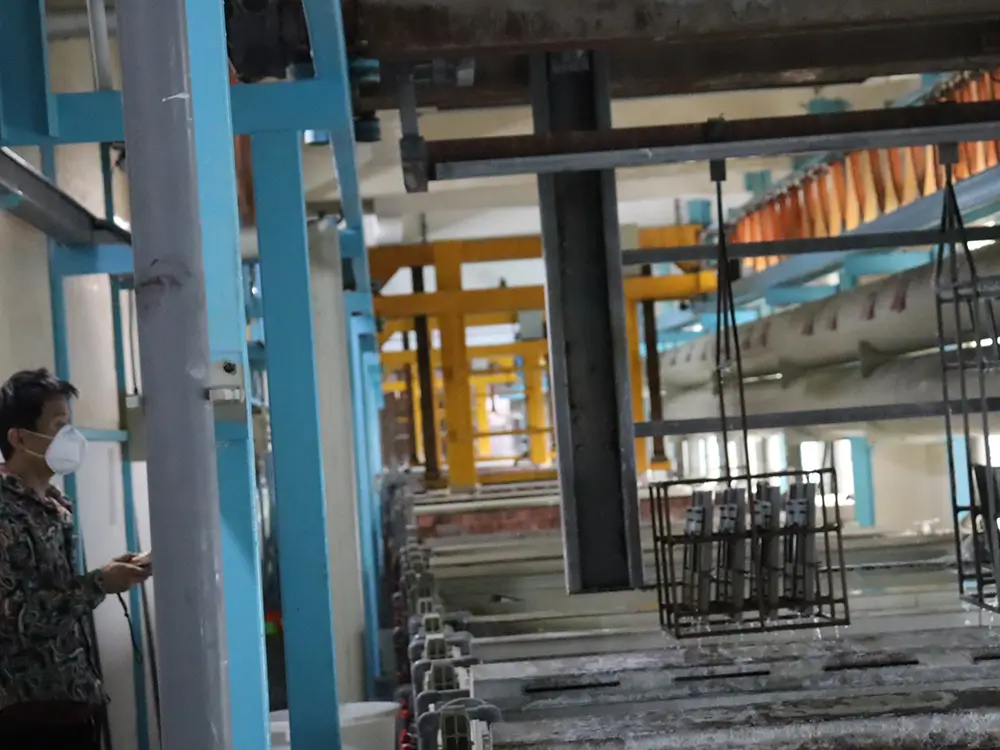
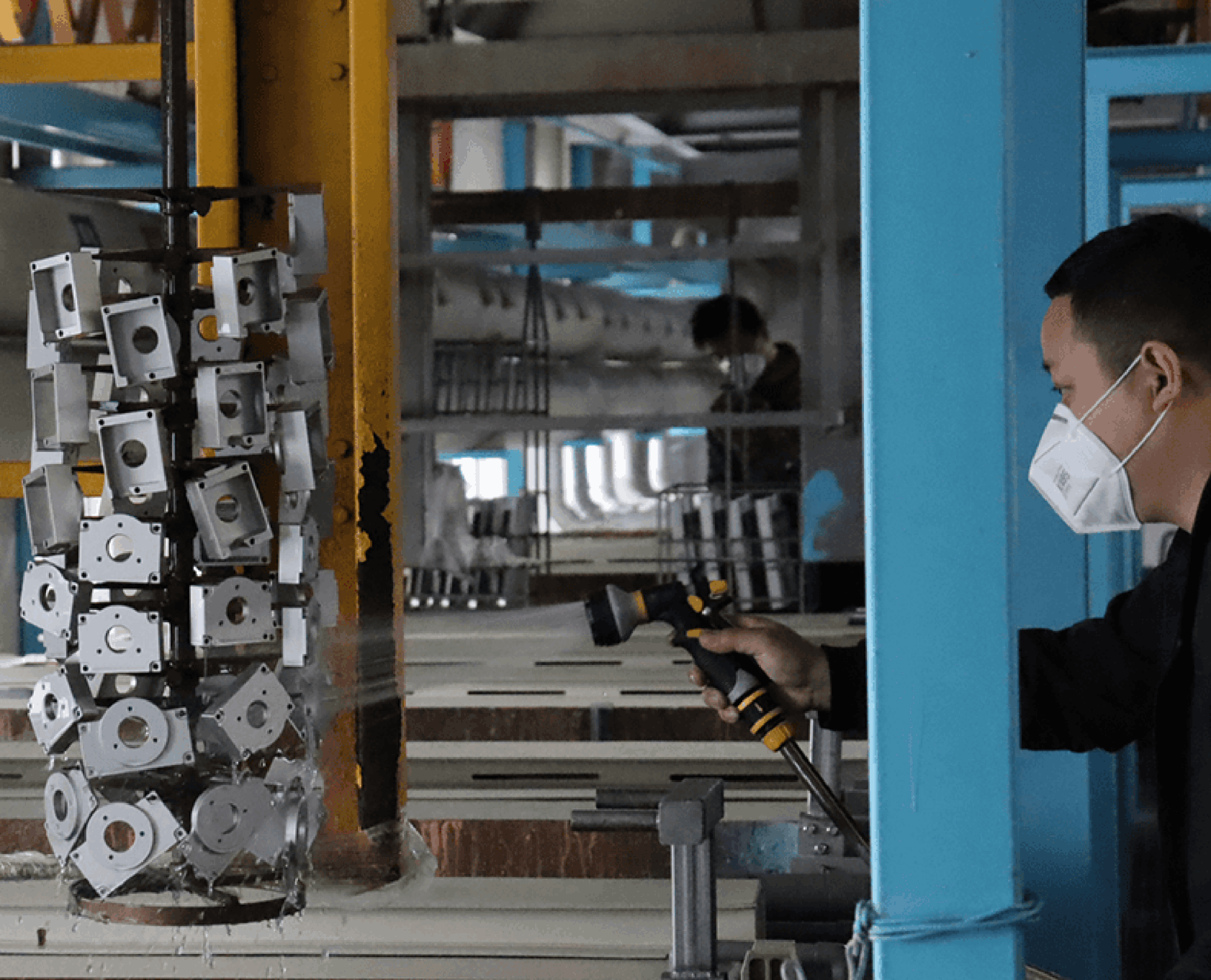
We offer a wide range of decorative finishes tailored for CNC-machined keyboard cases. In addition to our in-house anodizing line, we work with trusted partners specializing in electrophoresis, powder spraying, PVD, clear coating, and laser etching to meet both aesthetic and functional requirements.
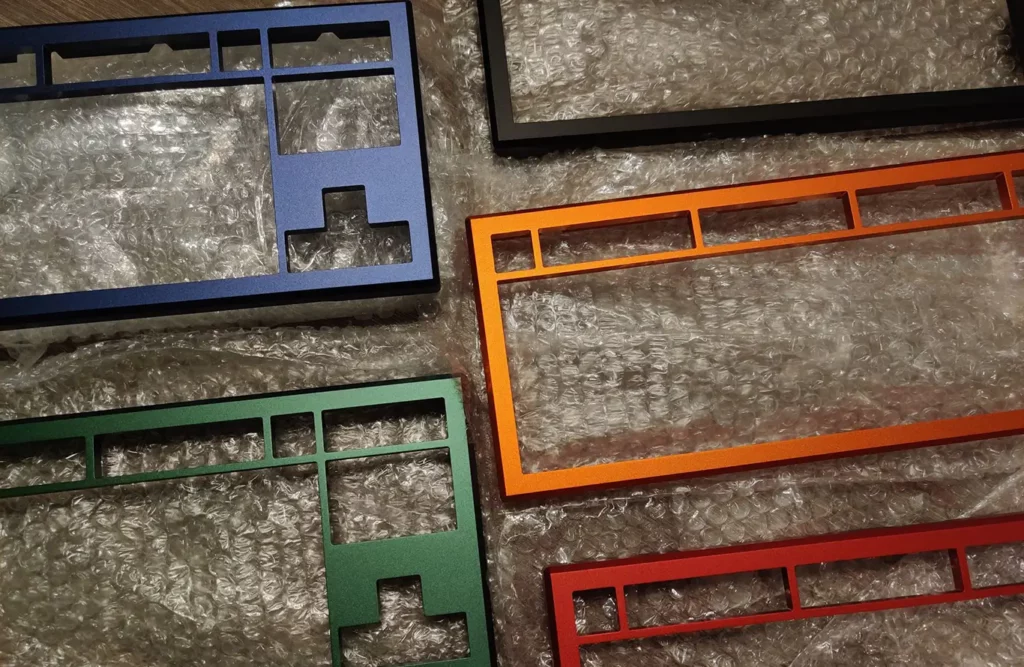
Sandblast Anodizing
Own workshop
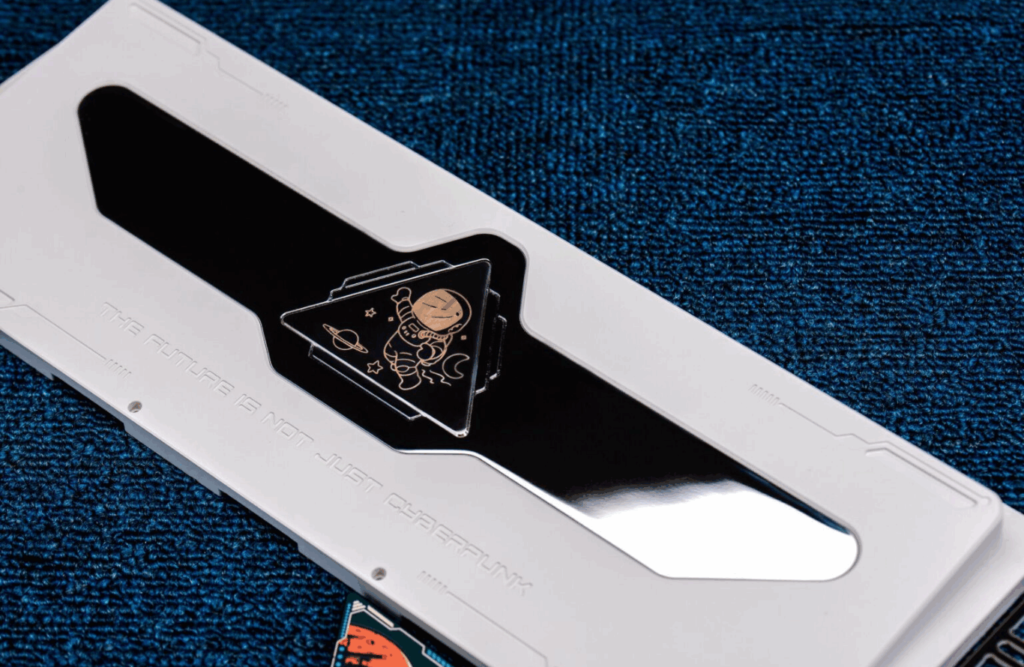
Electrophoretic Process
Strictly select suppliers
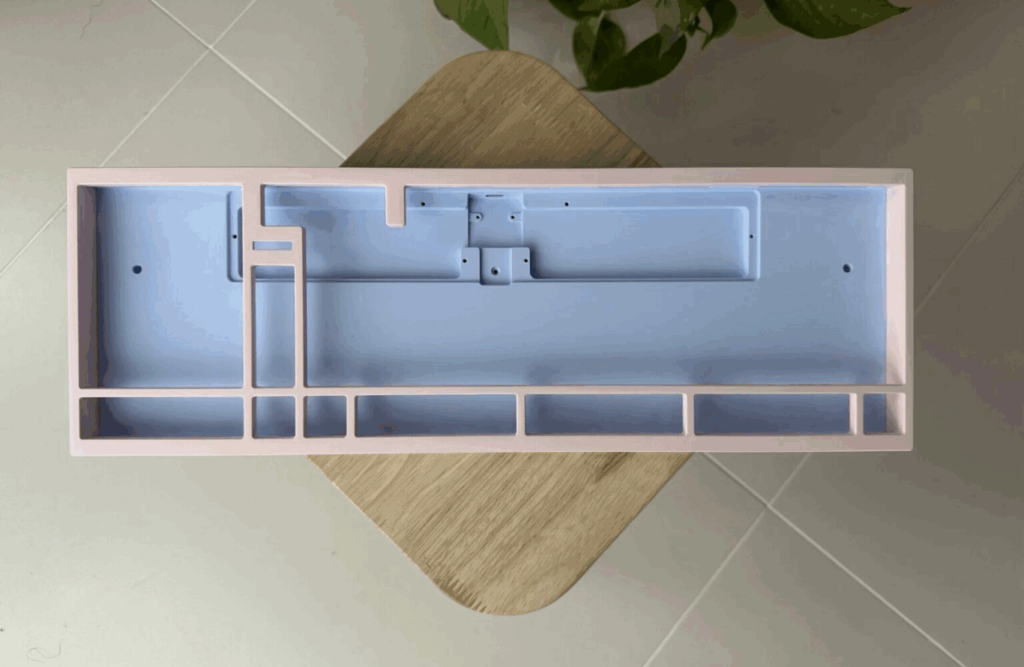
Painting Process
Strictly select suppliers
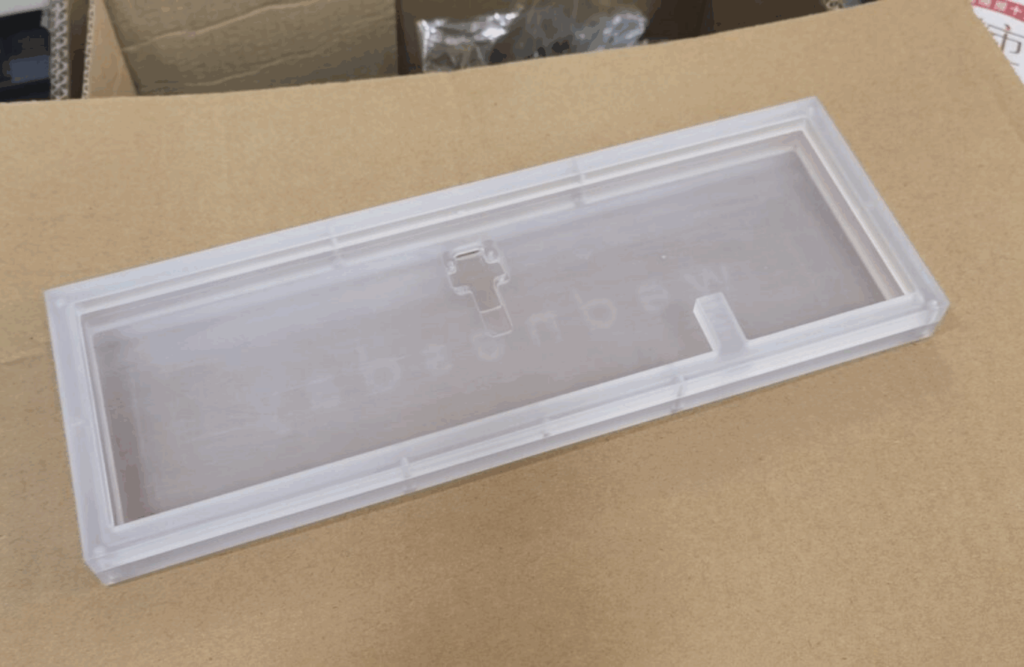
Keyboard Sand Blasting
Own workshop
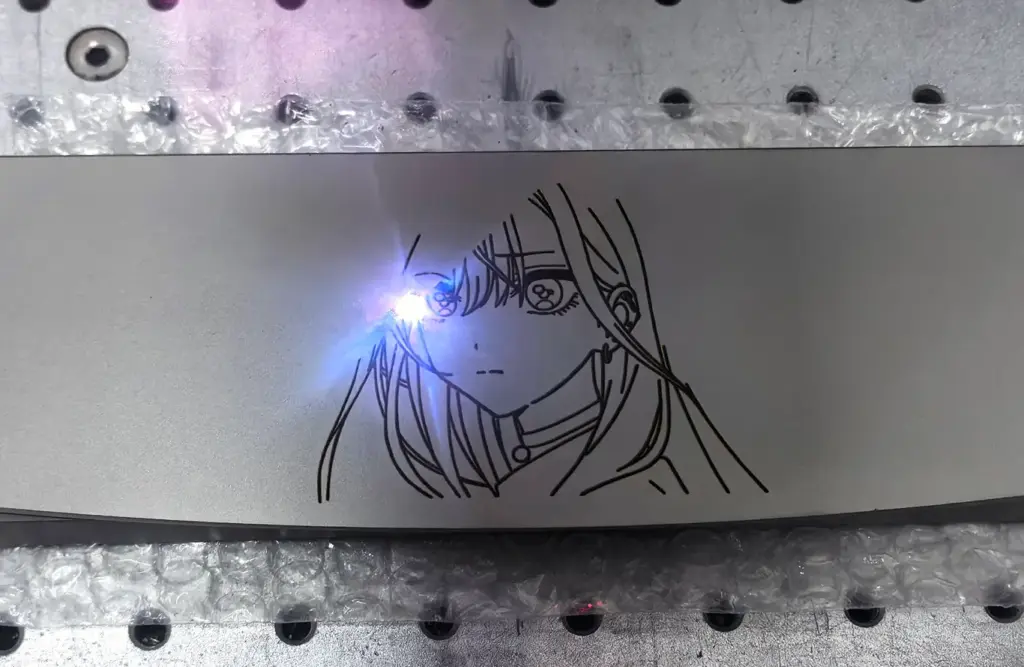
Laser Logo
Own workshop
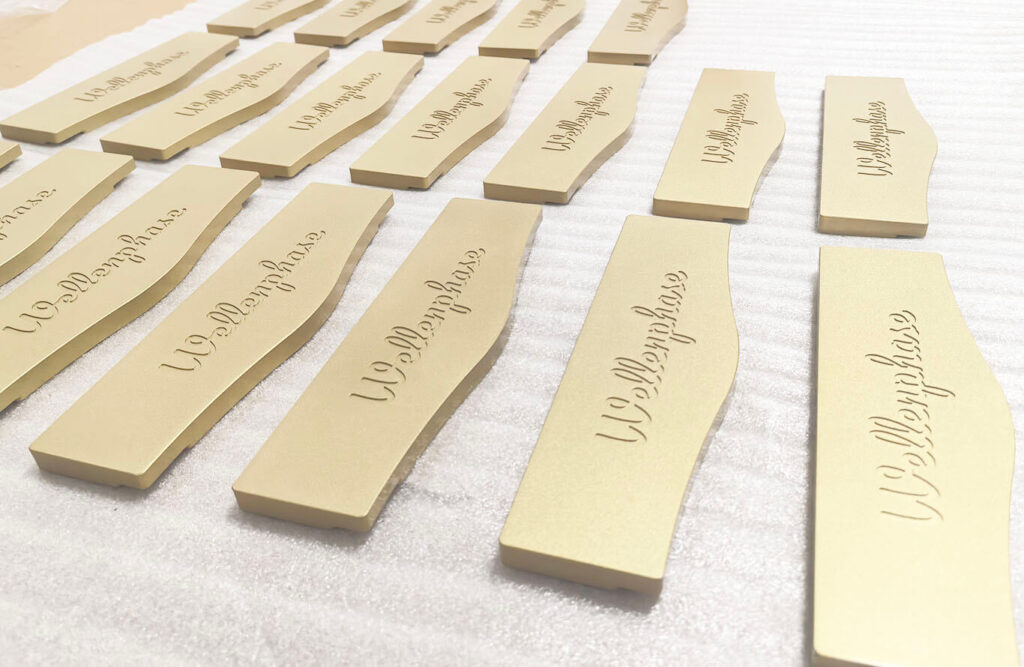
Transparent Coating
Strictly select suppliers
Our Process from File to Finished Part
01 Upload CAD File
Submit CAD drawings and RFQs with part specs and application details to get fast engineering support.
02 Review & Quote
Receive pricing and DFM feedback to ensure your design is ready for manufacturing.
03 Start Production
We begin machining or molding with selected materials and strict quality standards.
04 Parts Delivered
Parts are carefully inspected, securely packed, and shipped on time—ready for your next stage.
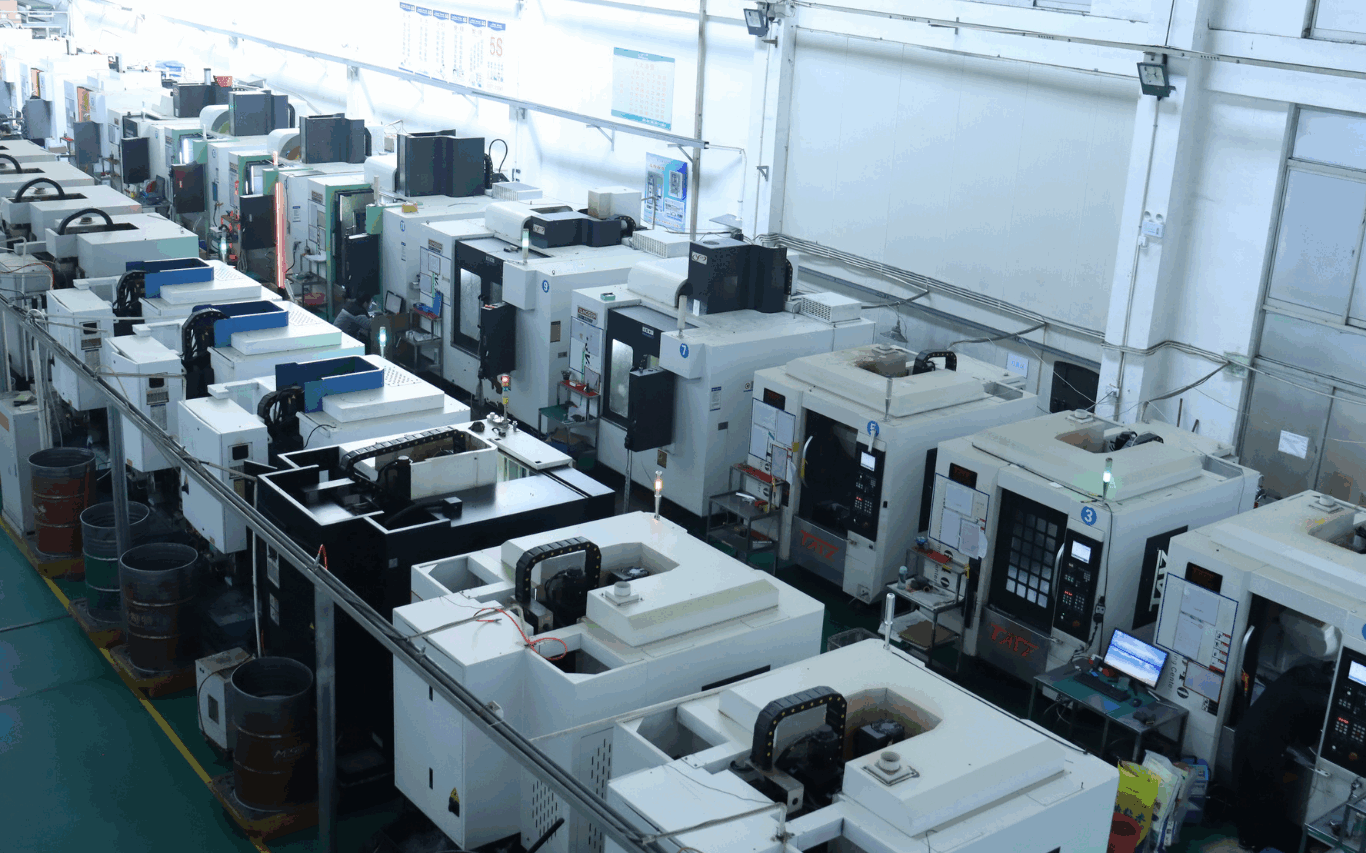
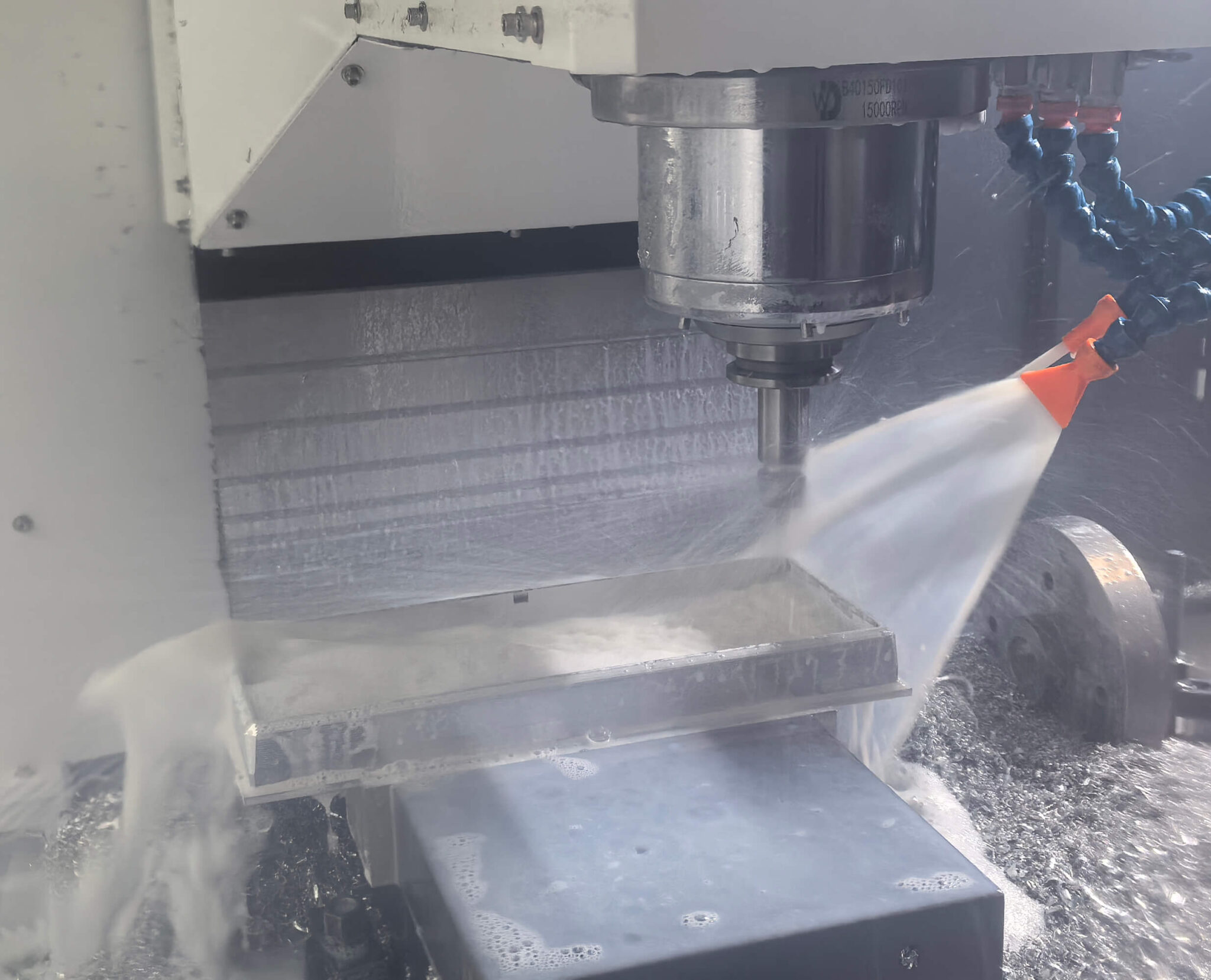
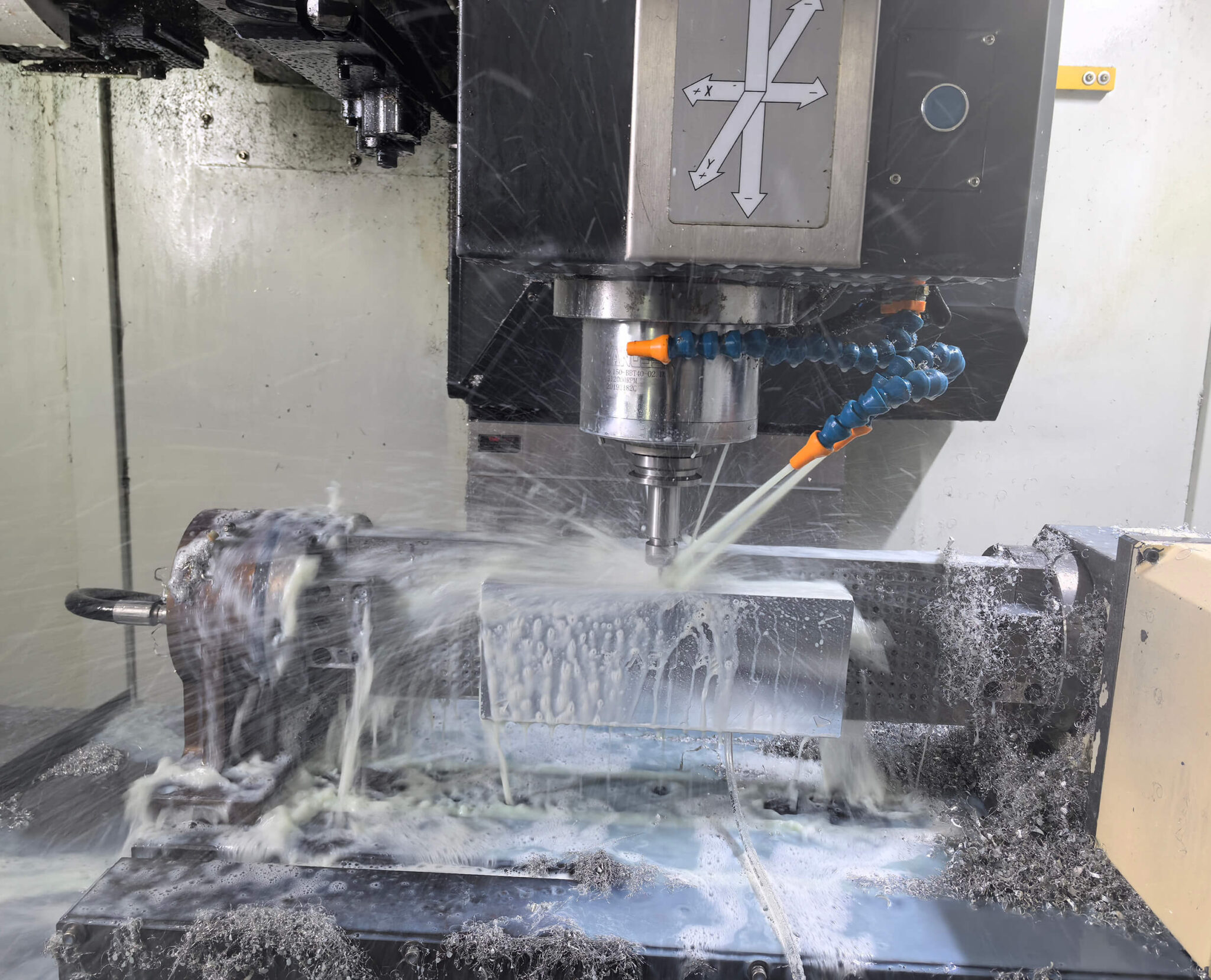
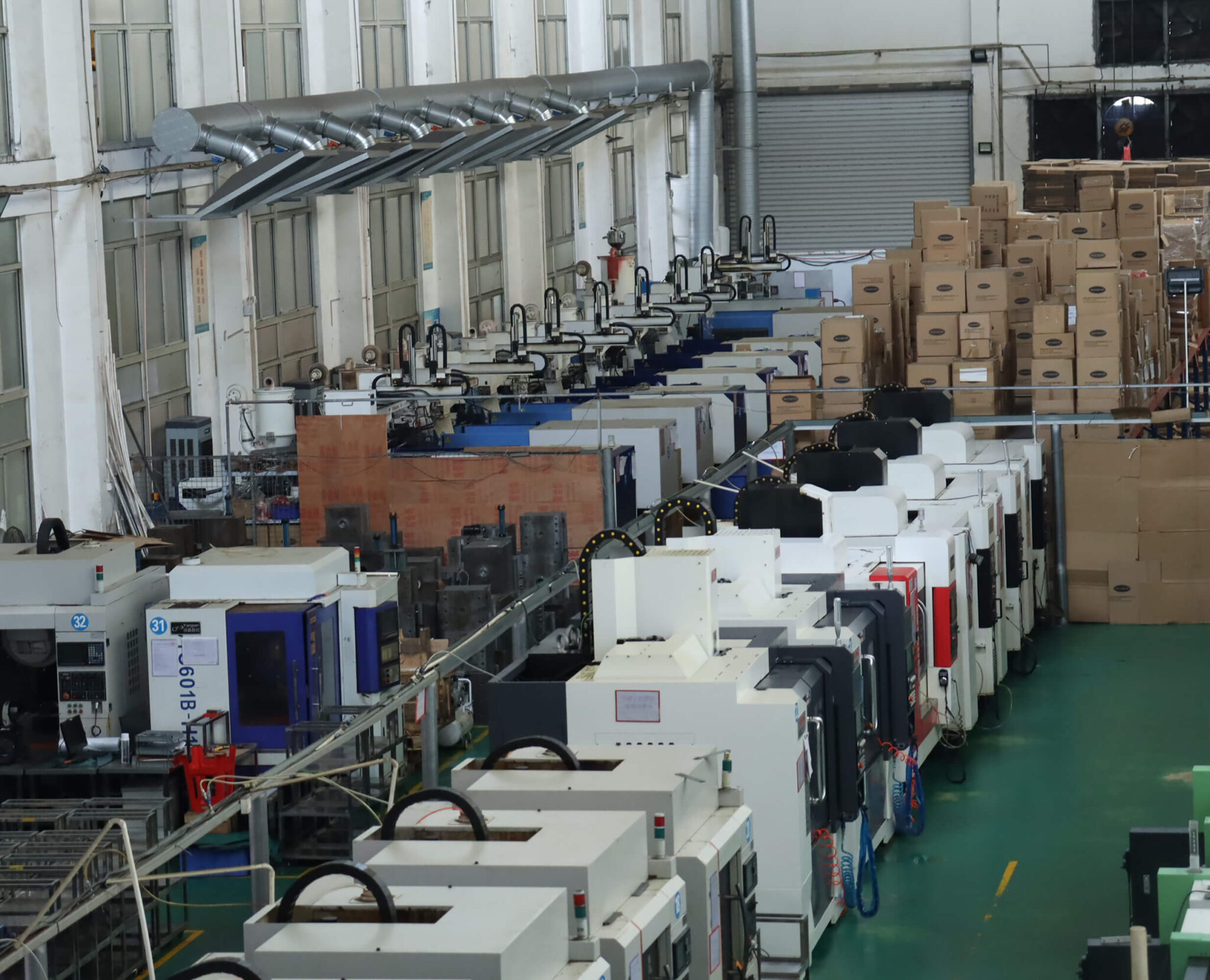
Our Keyboard Case Production Shop
Custom Sensor Housing Overview
What is Custom Sensor Housing?
Components of a Custom Sensor Housing
- Housing Body: The main enclosure that protects the sensor and internal electronics.
- Cover or End Cap: Seals the housing while allowing access for assembly or maintenance.
- Mounting Features: Holes, brackets, or threaded sections used to attach the housing to equipment.
- Cable and Connector Ports: Provide secure entry points for wiring, connectors, or communication interfaces.
- Seals and Gaskets: Help protect internal components from dust, moisture, and contaminants.
Why Are Custom Sensor Housings Expensive?
- Material Choice: Aluminum, stainless steel, and specialty plastics vary in cost and machining difficulty.
- Precision Requirements: Tight tolerances, complex cavities, and threaded features require more machining time.
- Surface Finishing: Anodizing, polishing, coating, and laser marking add extra processing steps.
- Environmental Protection: Waterproofing, sealing grooves, and rugged designs often require additional engineering.
- Production Volume: Prototypes and small batches usually have higher per-unit costs than mass production.
Common Surface Finishes for Custom Sensor Housings
- Anodizing: Adds a protective oxide layer to aluminum and offers multiple color options.
- Sandblasting: Creates a smooth matte texture and helps prepare surfaces for further finishing.
- Powder Coating: Provides durable coverage with strong resistance to wear and corrosion.
- Polishing: Produces a clean, smooth surface for applications requiring a refined appearance.
- Laser Marking: Adds permanent logos, serial numbers, labels, or identification codes with high precision.
Key Features of Custom Sensor Housings
- Precision Machining: CNC manufacturing delivers tight tolerances, accurate dimensions, and consistent fit for sensors and internal components.
- Material Options: Aluminum, stainless steel, brass, and engineering plastics can be selected based on strength, weight, and environment.
- Custom Design: Housings can include complex shapes, mounting holes, threads, ports, and internal channels.
- Durability: Strong materials and protective finishes help resist impact, wear, corrosion, and harsh operating conditions.
- Sealing Performance: Custom grooves, gaskets, and covers can improve protection against dust, moisture, and contaminants.
- Heat Management: Metal housings can help dissipate heat generated by sensors and electronic components.
- Flexible Finishing: Anodizing, coating, polishing, and laser marking provide both functional protection and a professional appearance.
Popular Brands Specializing in Custom Sensor Housings
- TAKACHI: Offers customizable aluminum and plastic enclosures with CNC machining and finishing options.
- BestPro: Produces CNC-machined sensor housings in aluminum, stainless steel, titanium, and plastics.
- ADFCNC: Specializes in precision sensor housings for instrumentation and demanding technical applications.
- Aximetal: Manufactures custom sensor enclosures for robotics and industrial automation, including low-volume production.
Conclusion
Explore Related Resources
We’ve gathered a few more articles that could help you out. Check them out for more great advice:
- How to Choose a Precision Instrument Parts Manufacturer: Materials, Tolerances, Inspection & RFQ Checklist
- CNC Machined Sensor Housings: Materials, Sealing, Tolerances, Finishes & Supplier Guide
- Aluminum vs Stainless Steel for Precision Instrument Housings: A Material Selection Guide
Still haven’t found what you’re looking for? Don’t hesitate to contact us. We’re available around the clock to assist you.
Tell Us What You Need
At MachMaster, our engineers review every request and respond with tailored solutions.
Your files are kept strictly confidential and will only be used for quoting and manufacturing purposes.
- info@machcncmaster.com
- +86 139 5006 6486