
Custom CNC Optical Mounts for Precision Optical Systems
Machmaster manufactures custom CNC optical mounts for lenses, mirrors, sensors, cameras, and other optical components that require accurate positioning and stable assembly.
CNC Machining Process for Optical Mounts
Machmaster manufactures optical mounts directly from customer CAD models and technical drawings.
Precision milling for custom mechanical parts, housings, brackets, plates, and structural components.
- Complex machined parts
- Aluminum components
- Industrial components
- OEM production parts
Precision turning for cylindrical components and rotational parts.
- Shafts
- Bushings
- Pins
- Connectors
- Fittings
Advanced machining capability for components requiring complex geometries and multiple machined surfaces.
- Complex mechanical parts
- Precision assemblies
- High‑value components
Fast and accurate prototype manufacturing for:
- Design verification
- Functional testing
- Product development
Reliable CNC manufacturing for:
- Repeat orders
- OEM components
- low-to-mid volume CNC machining
- Long‑term production programs
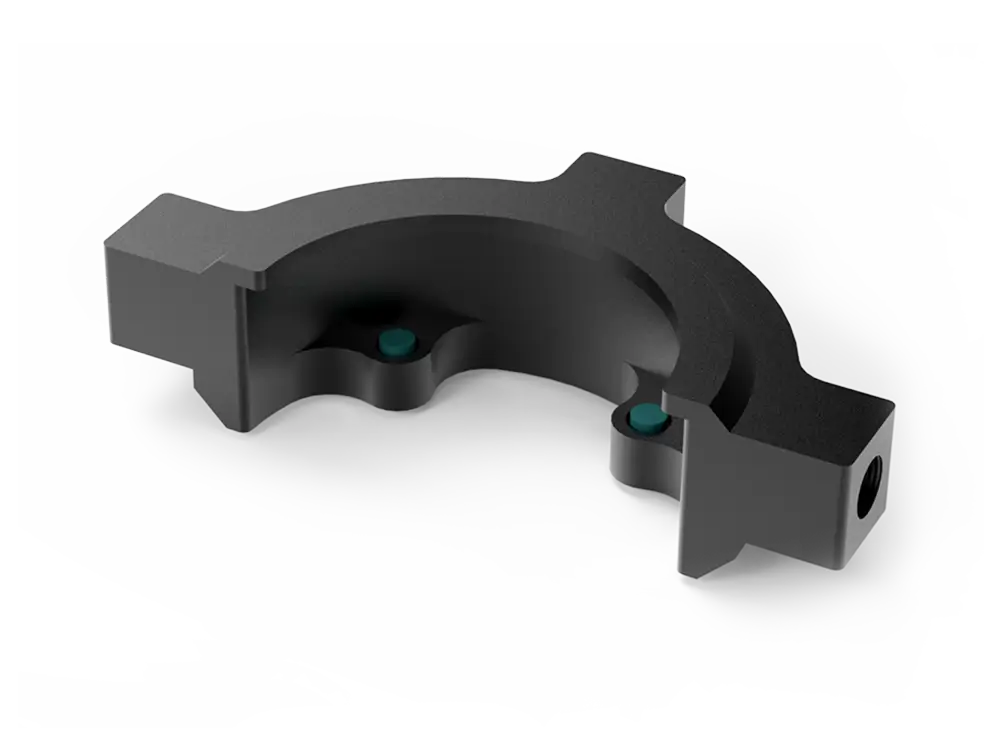
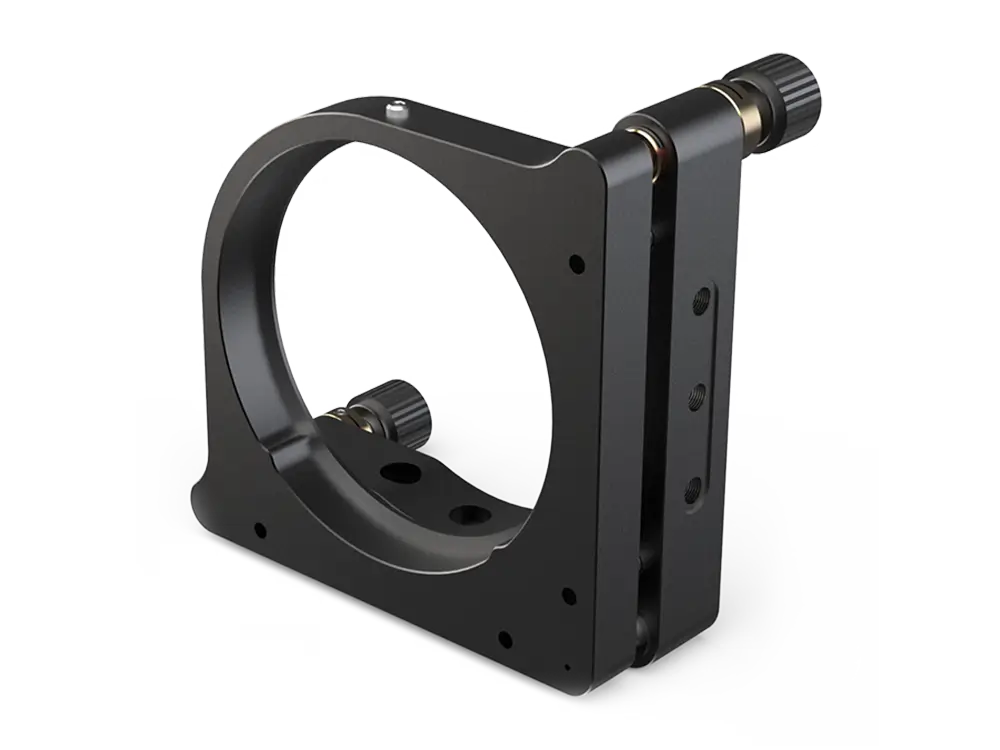
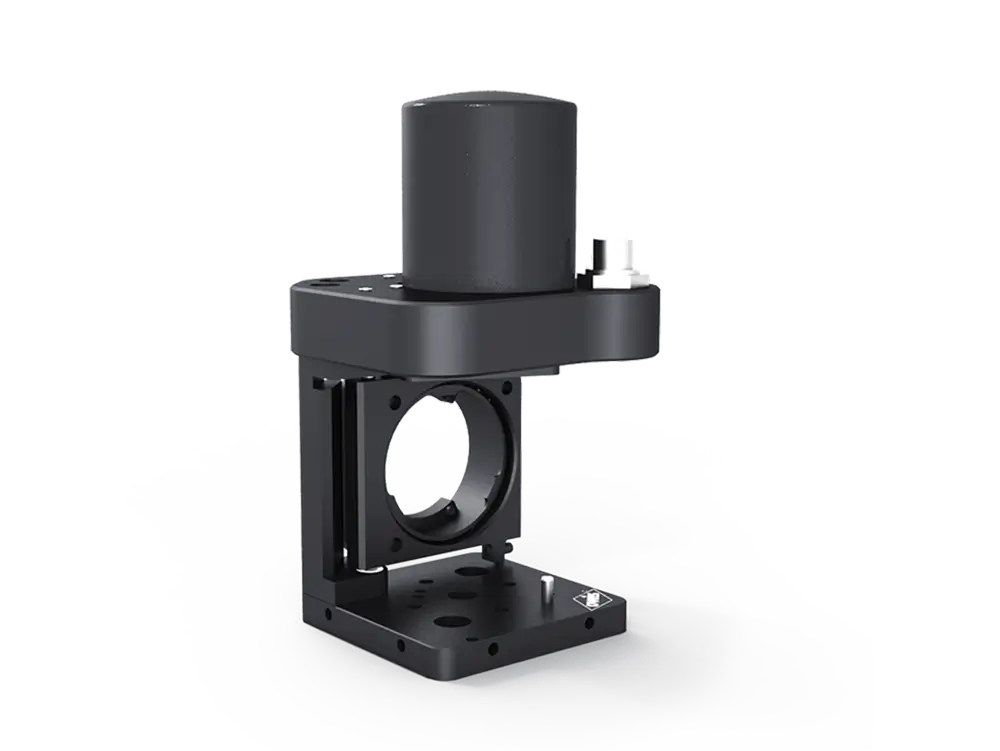
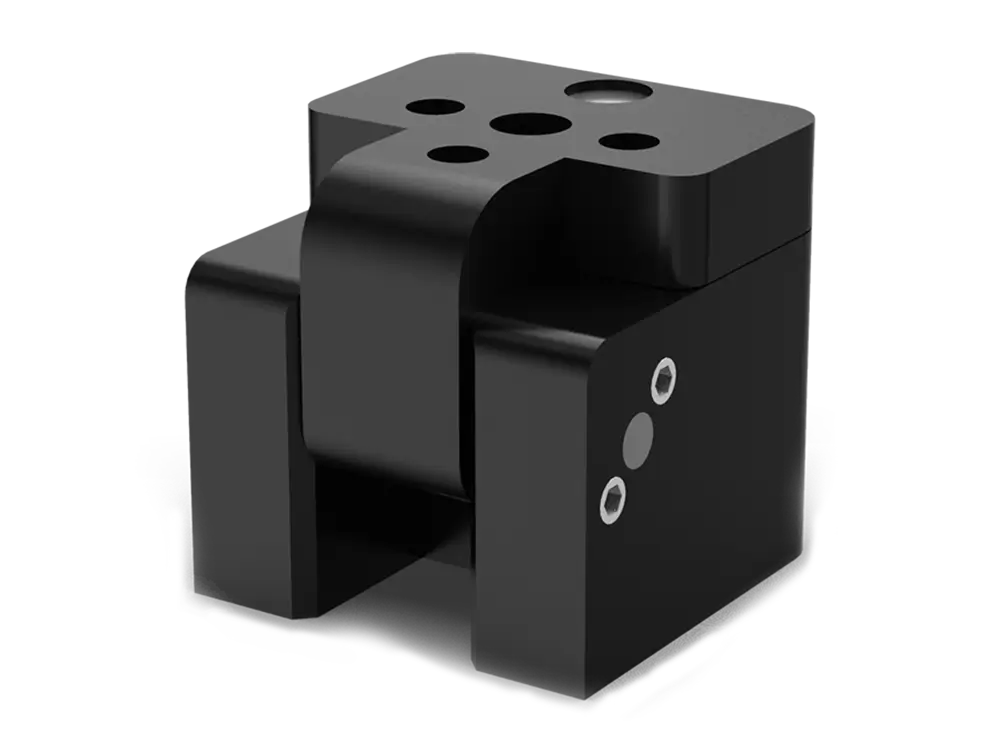
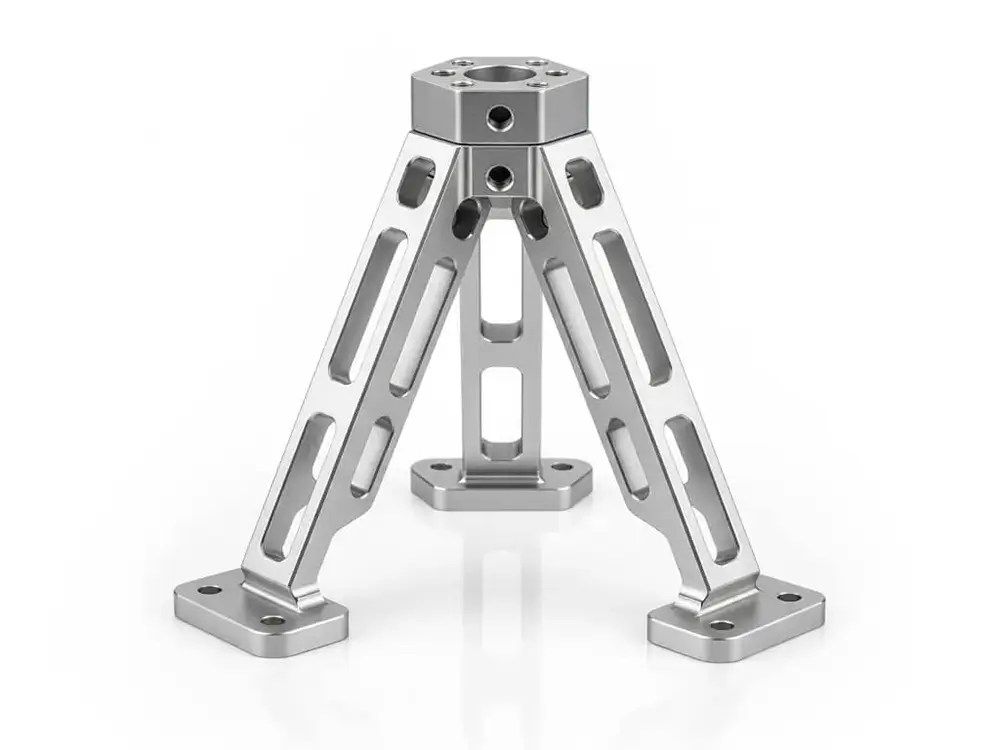
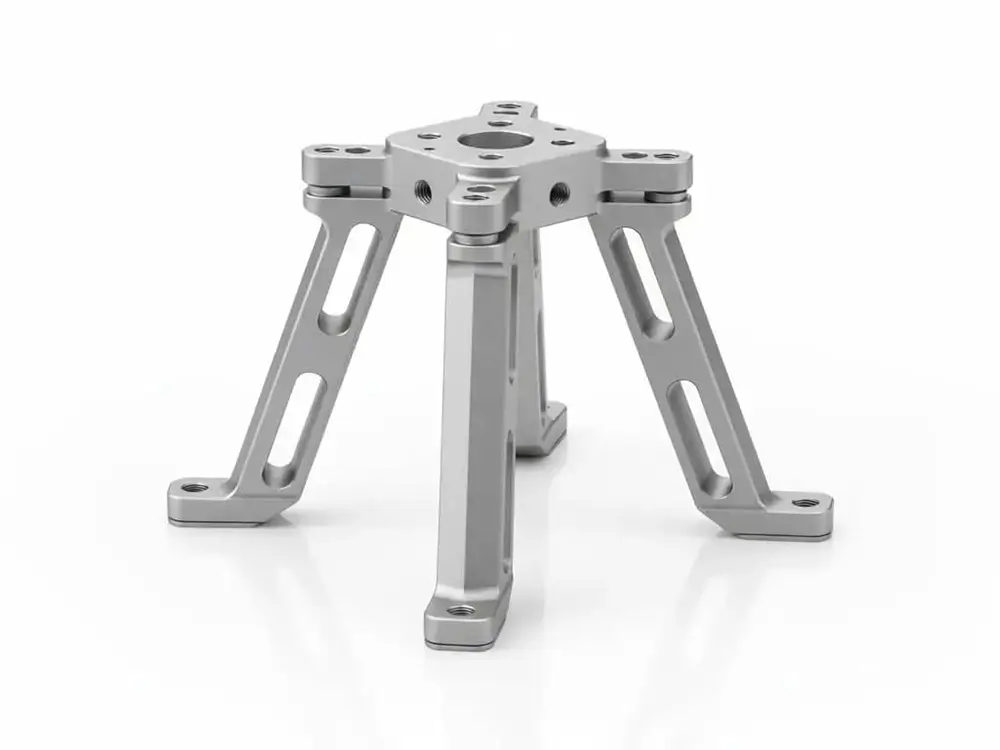
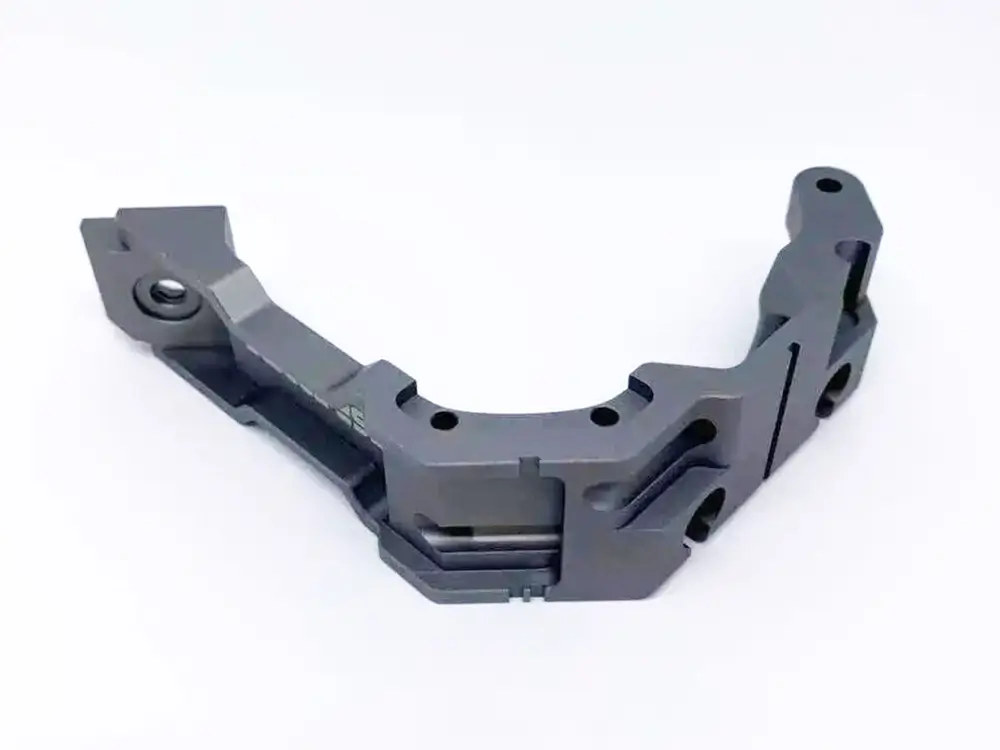
Key Features We Can Machine
Custom optical mounts can include a combination of precision mechanical features depending on the application.
Precision Bores
Internal or external bores for optical components, inserts, bearings, or other mating parts.
Mounting Holes
Accurate hole locations for attaching the mount to an optical system or supporting structure.
Threaded Features
Metric, imperial, or other specified threads can be incorporated into the design.
Locating Features
Pins, shoulders, steps, pockets, and other locating geometry can be machined to support repeatable assembly.
Custom Profiles
Complex external shapes, pockets, cutouts, and angled features can be manufactured from the customer’s CAD model.
Adjustment Features
Where required by the design, slots, interfaces, and other mechanical features can be incorporated for optical positioning or adjustment.
Materials & Surface Finishing
Aluminum is commonly selected for optical mounts because it combines low weight, good machinability, and suitable strength. Machmaster also manufactures optical components from other commonly used engineering materials.
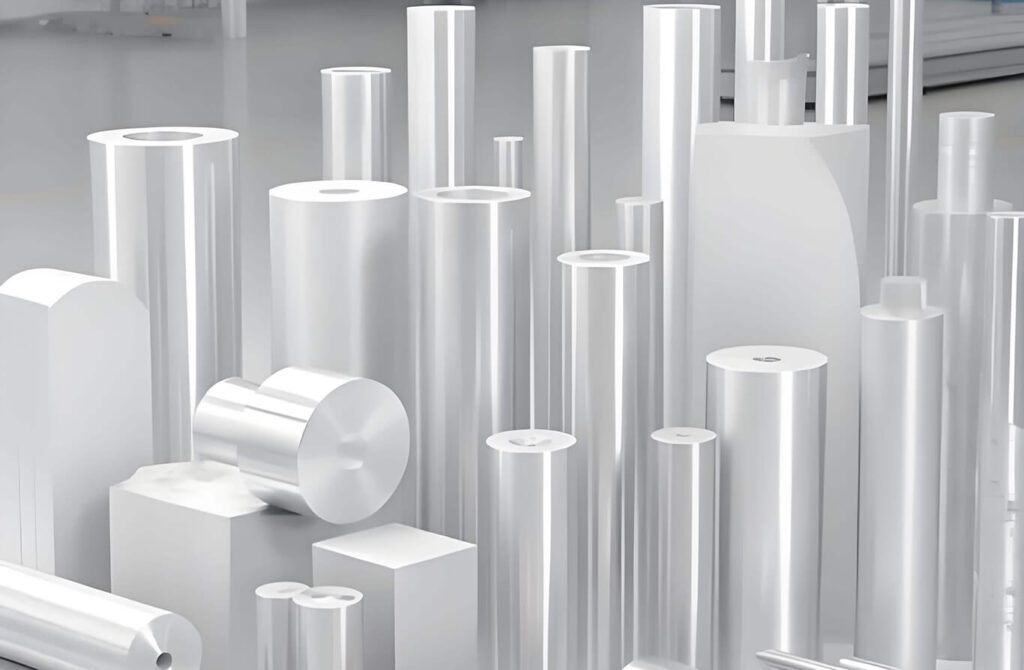
Aluminum
Aluminum is widely used in CNC machining for its excellent machinability, lightweight properties, and corrosion resistance. It’s ideal for prototypes, enclosures, structural parts, and applications where weight and strength must be balanced.
| Available Aluminum at Machmaster: | Aluminum 6061, 2024, 5052, , 6063, 6082, 7075-T6. |
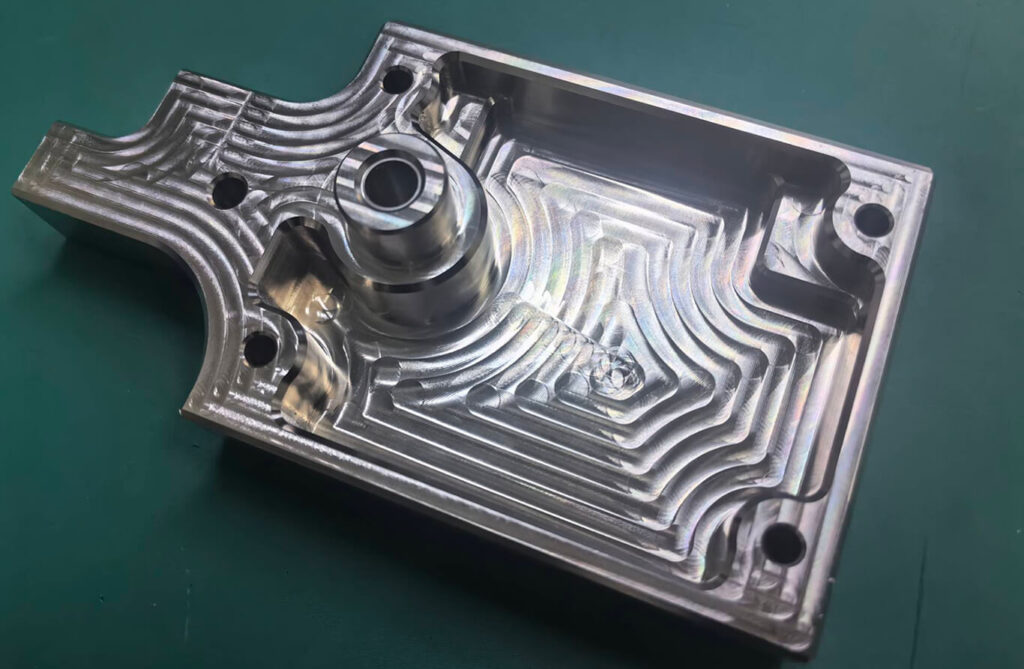
Stainless Steel
Stainless steel offers outstanding strength, wear resistance, and corrosion protection. It’s a preferred choice for high-stress or outdoor parts across industries like medical devices, automotive, and consumer electronics.
| Available Stainless Steel at Machmaster: | Stainless Steel ,304,316,316L,430, ,440C, 17-4PH. |
Brass
Brass is known for its good machinability, aesthetic appeal, and electrical conductivity. It’s commonly used in CNC parts for plumbing components, fittings, decorative hardware, and electrical connectors.
| Available Brass at Machmaster: | Brass C27400, C28000, C36000 |

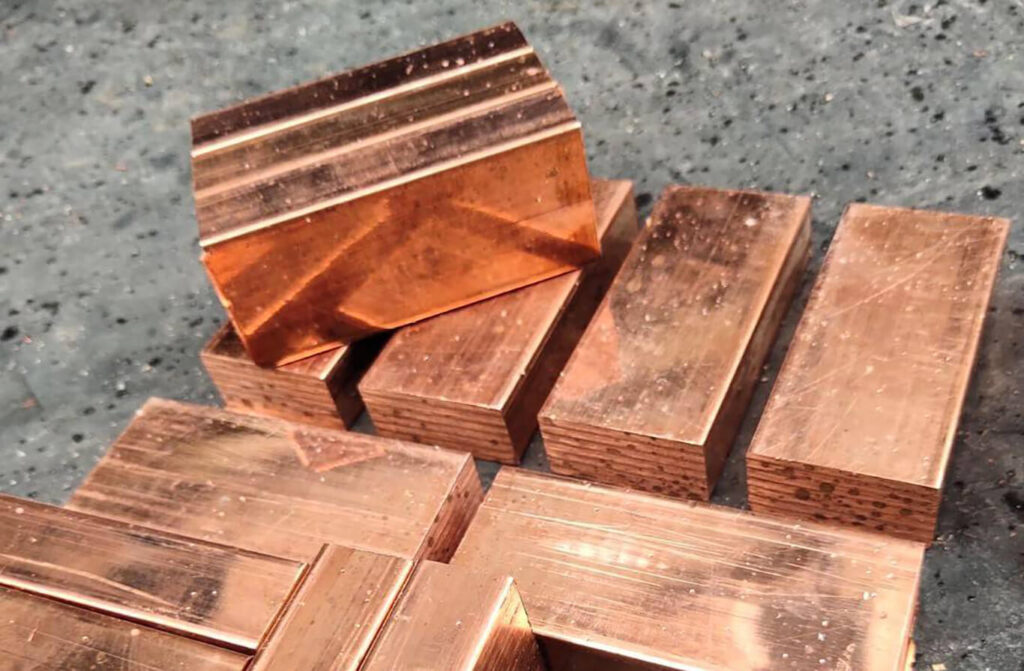
Copper
Copper provides excellent thermal and electrical conductivity. CNC machined copper parts are widely used in electronics, heat sinks, and industrial components requiring rapid heat transfer or low resistance.
| Available Copper at Machmaster: | Copper C101(T2), C103(T1), C103(TU2), C110(TU0), Beryllium Copper |
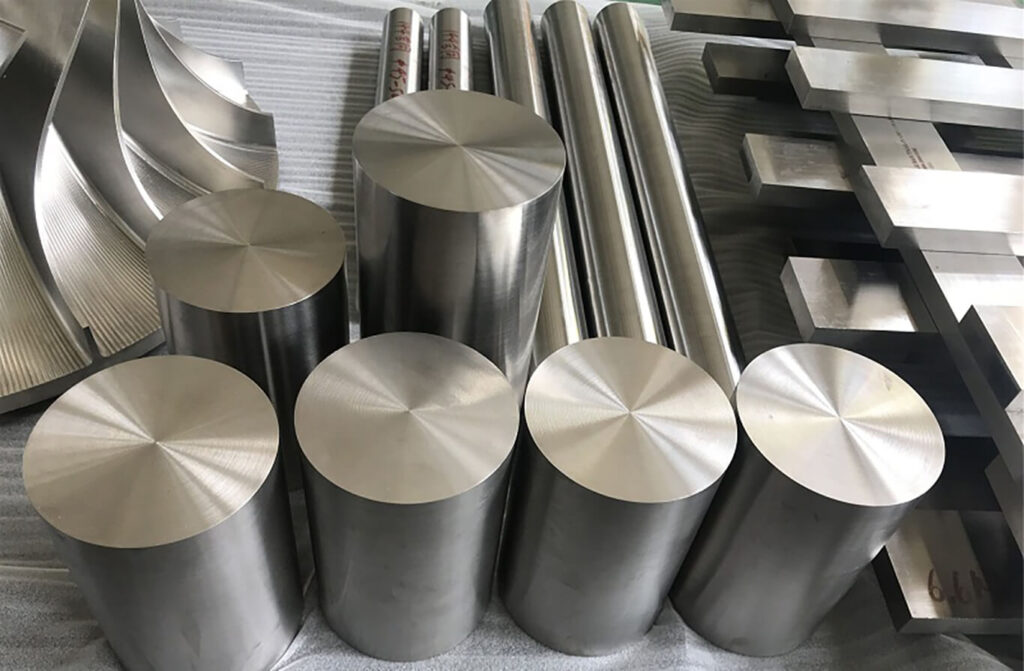
Titanium
Titanium combines high strength, low weight, and excellent corrosion resistance. Though harder to machine, it’s ideal for aerospace, medical implants, and demanding applications where material performance matters.
| Available Titanium at Machmaster:: | Titanium Alloy TA1, Alloy TA2, Alloy TC4/Ti-6Al 4V |
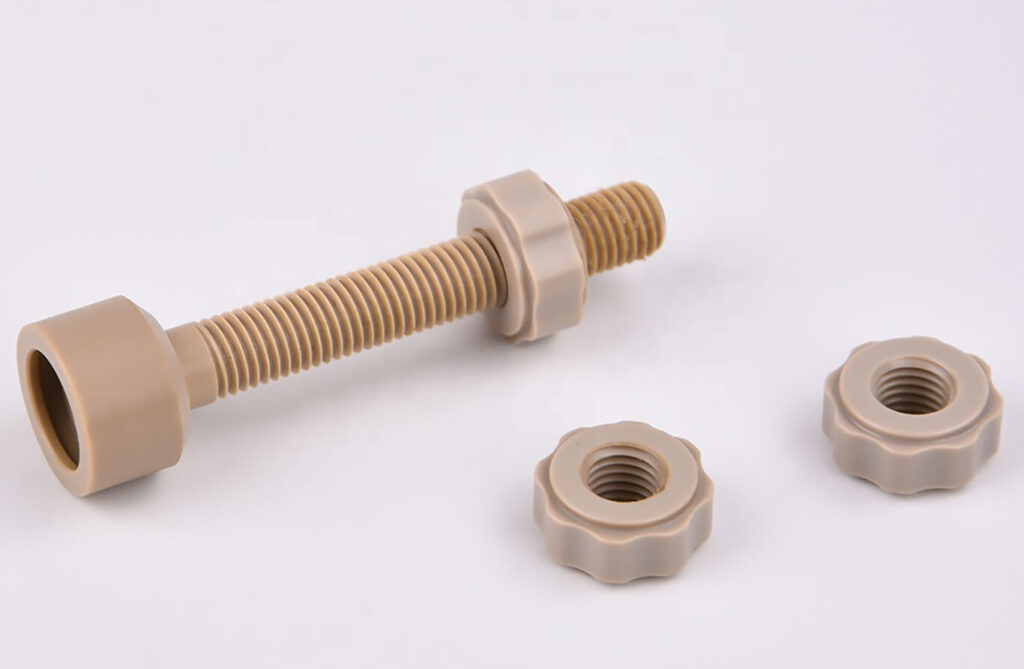
Plastics
Engineering plastics like ABS, POM, and PC are lightweight, cost-effective, and easy to machine. They’re suitable for functional prototypes, insulation components, housings, and parts requiring impact resistance or electrical isolation.
From powder coating to anodizing, we offer a range of finishing processes to improve part performance and appearance.
As Machined
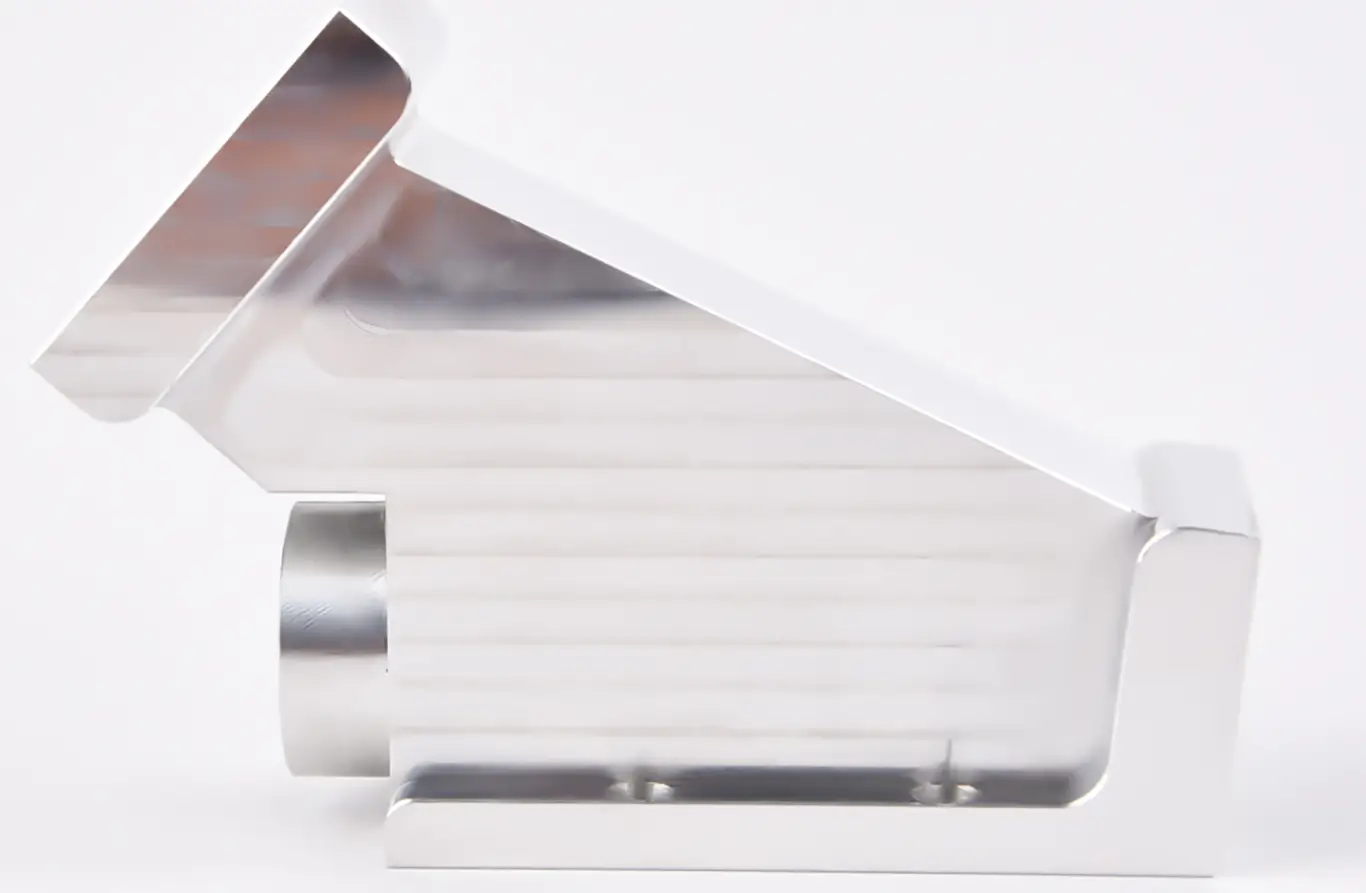
The part is left as-is from CNC machining, offering a cost-effective solution with visible tool marks and a standard roughness of 3.2 μm (126 μin), plus deburring for safe handling.
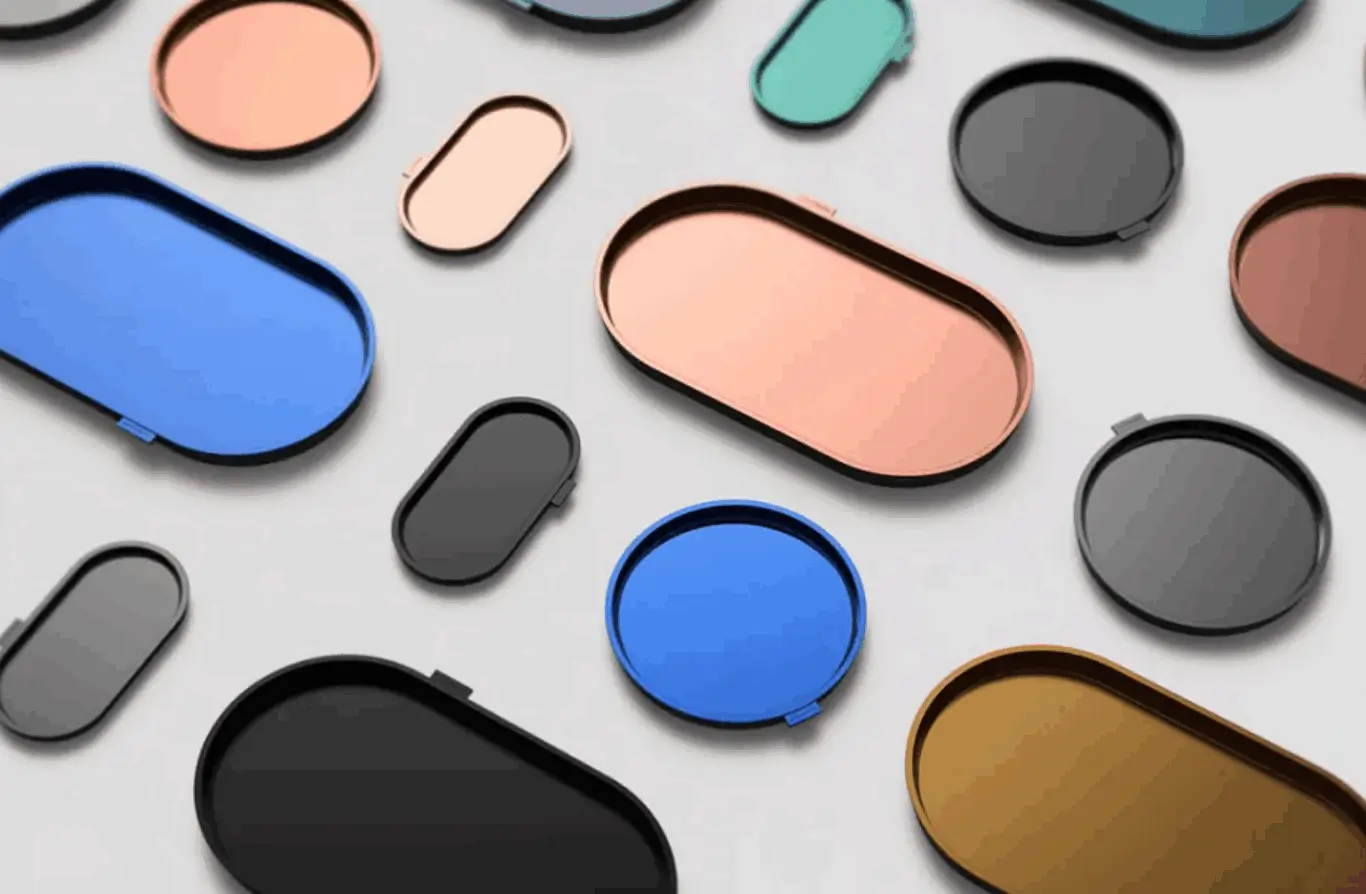
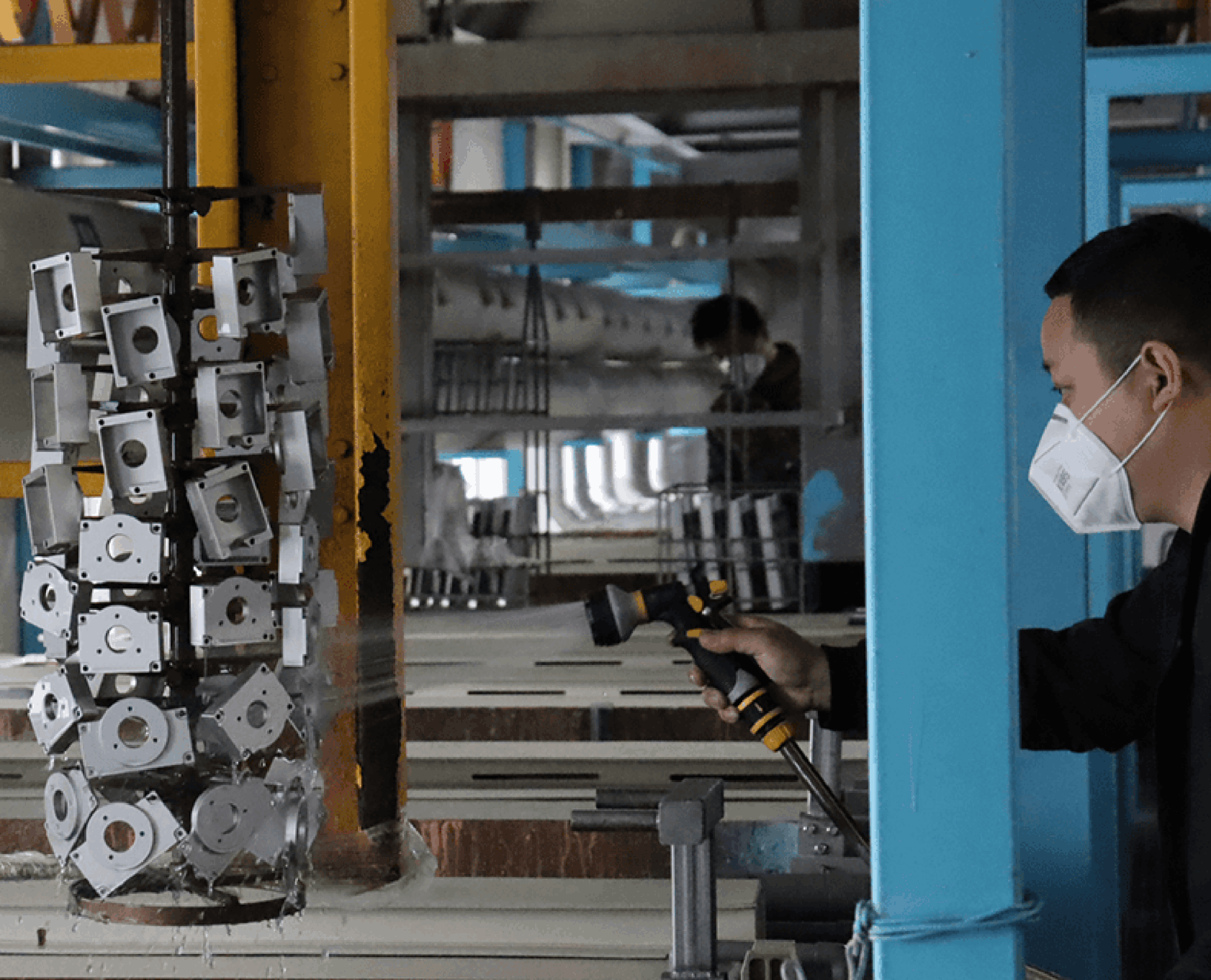
Machmaster operates its own in‑house anodizing workshop.
For applications requiring a clean and consistent aluminum finish, machining and anodizing can be managed through the same manufacturing partner.
Bead Blasting
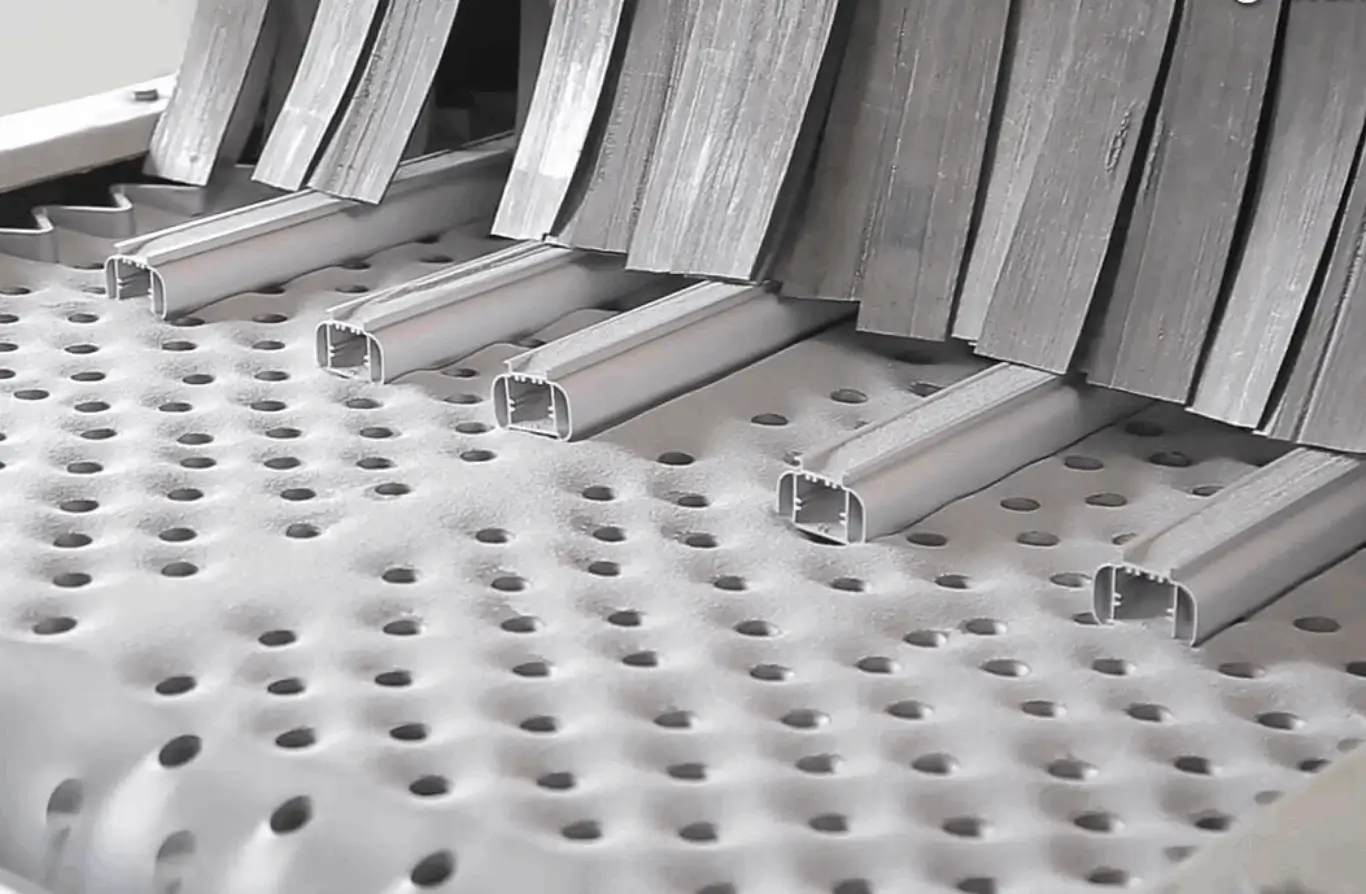
Bead blasting produces a uniform matte finish by removing surface imperfections. Commonly used to improve appearance before anodizing, plating, or coating.
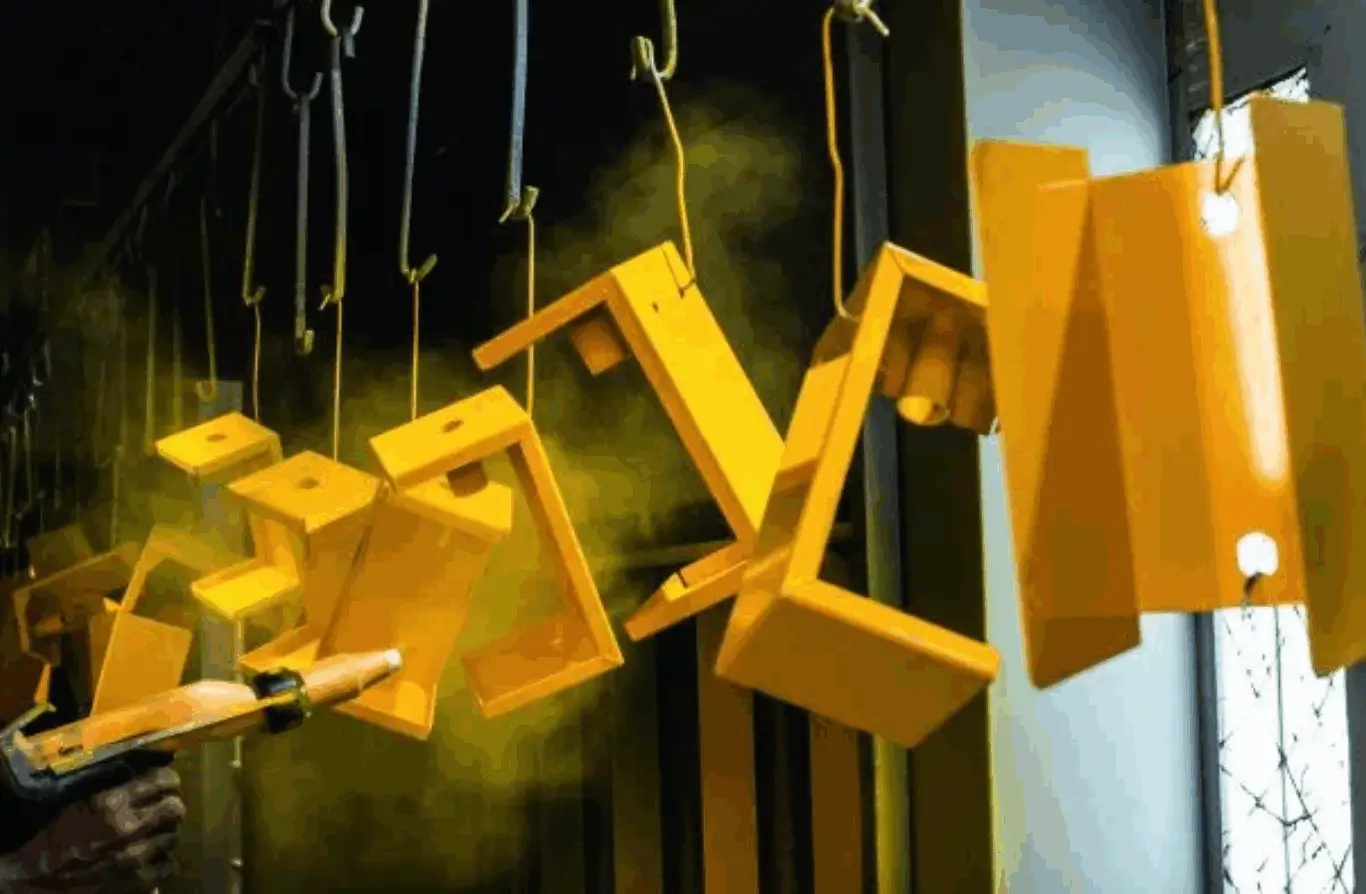
This dry finishing process applies powder to metal parts, then cures it into a tough, uniform coating. It offers excellent durability and is available in many colors and textures.
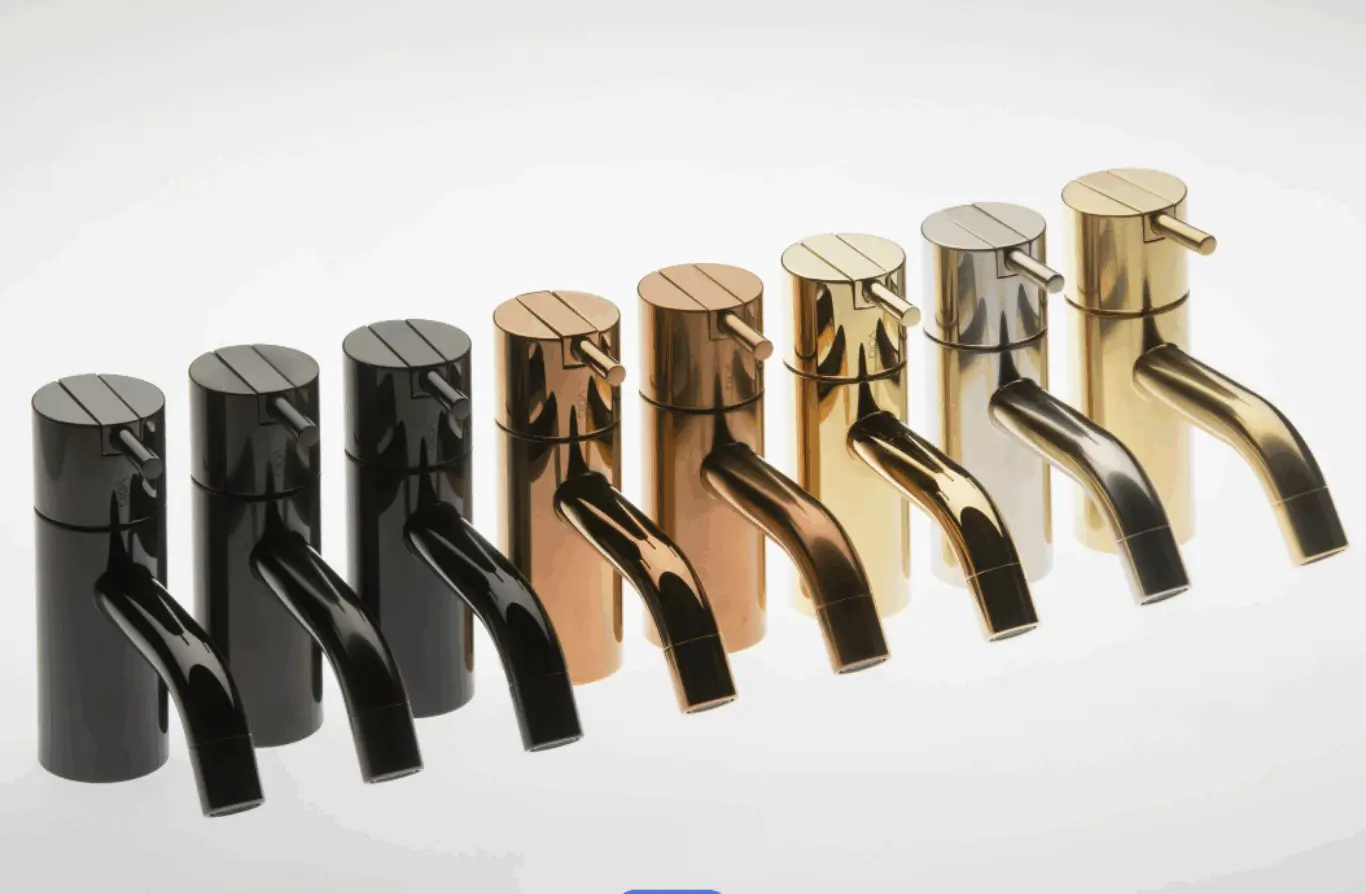
Electroplating uses electric current to deposit a metal layer onto a part, enhancing hardness, conductivity, and appearance with finishes like chrome or nickel.
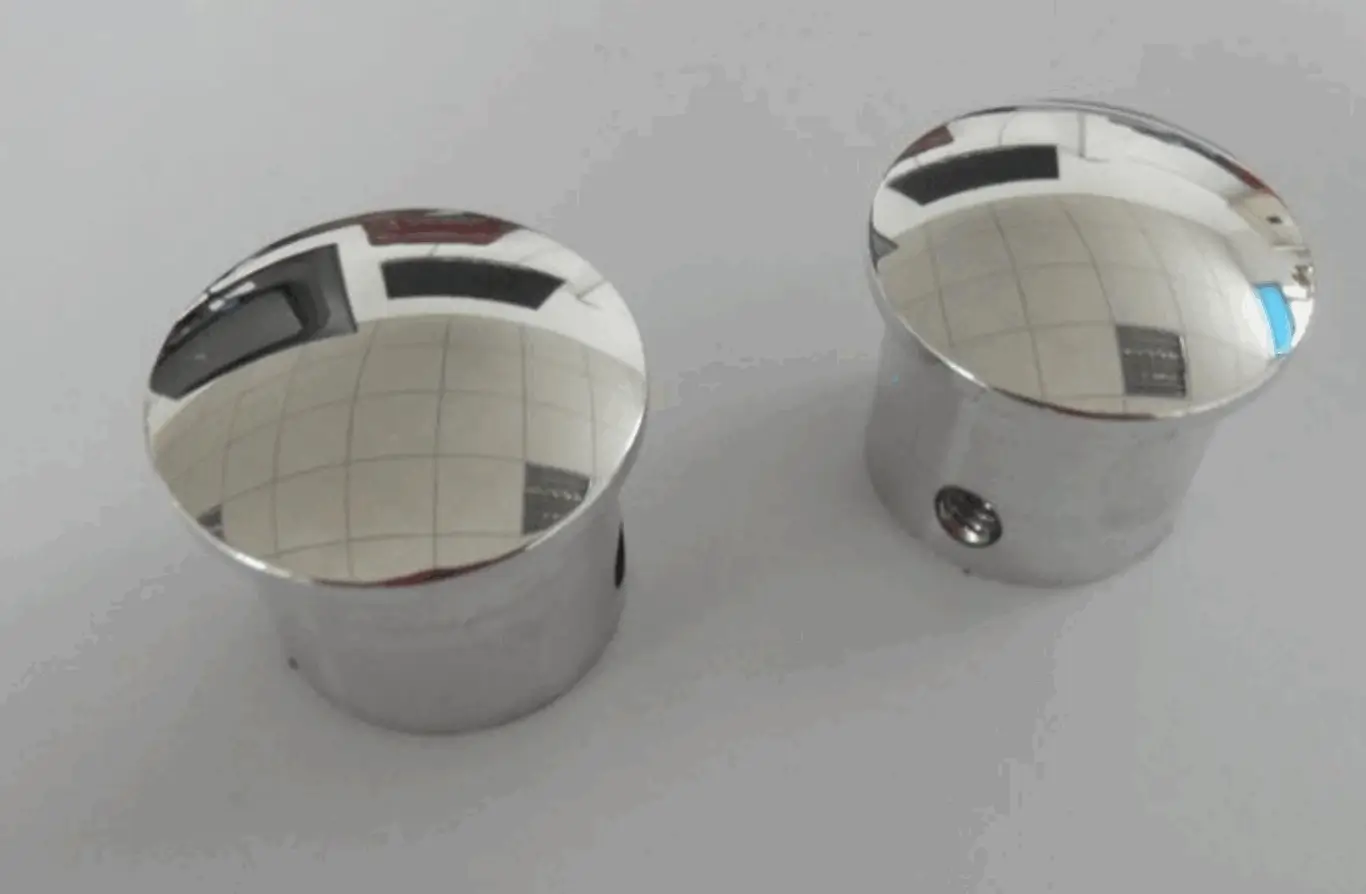
Polishing removes surface flaws and creates a reflective, smooth finish. It’s used to improve aesthetics, reduce friction, and prepare parts for secondary coatings.
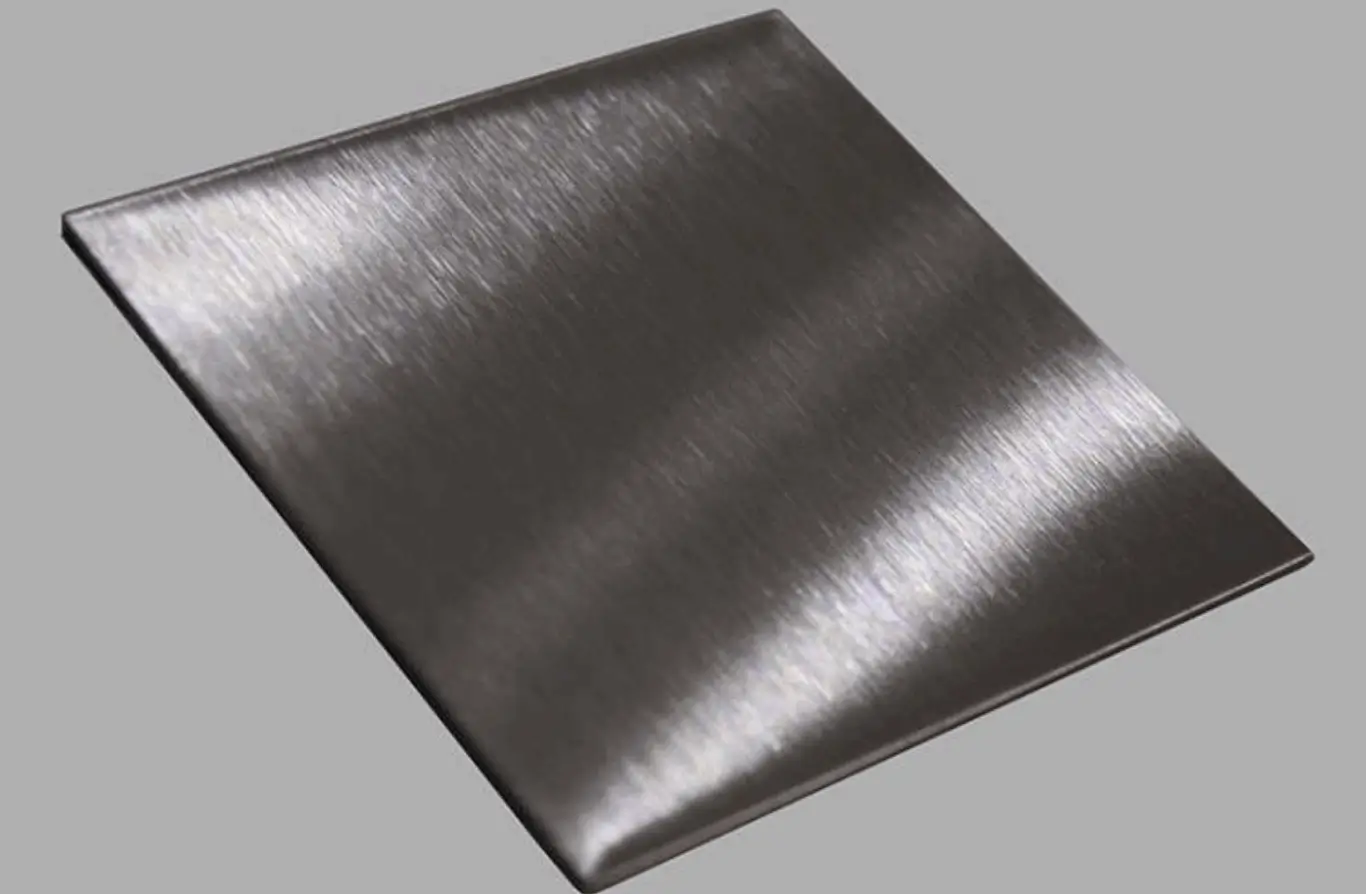
Brushing applies a fine, directional texture using abrasive belts or pads. Often used for decorative metal finishes or to visually mask minor surface defects.
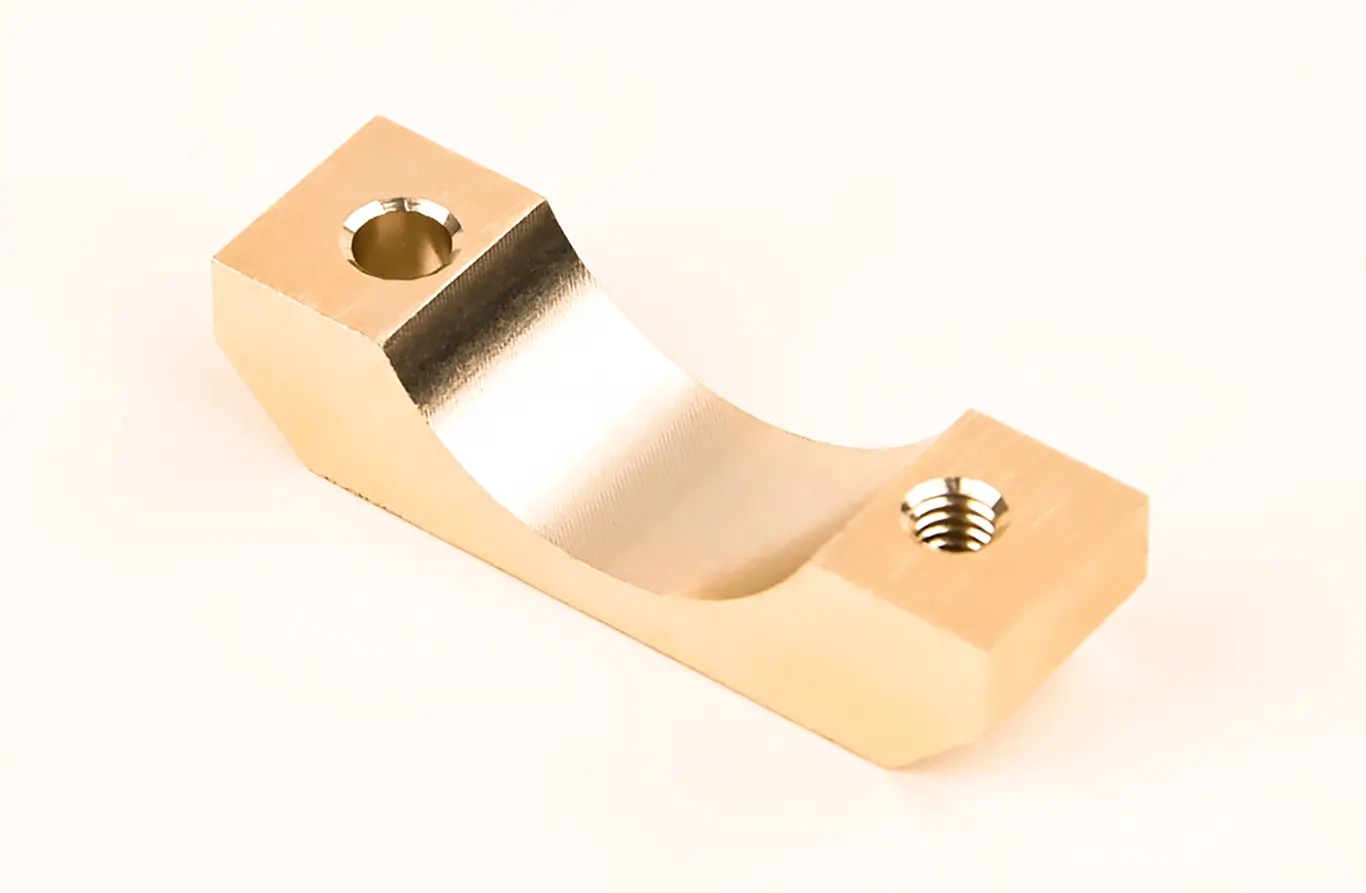
Applied primarily to aluminum, Alodine coating creates a corrosion-resistant and paint-ready surface, significantly improving both protection and finish durability.
Reliability
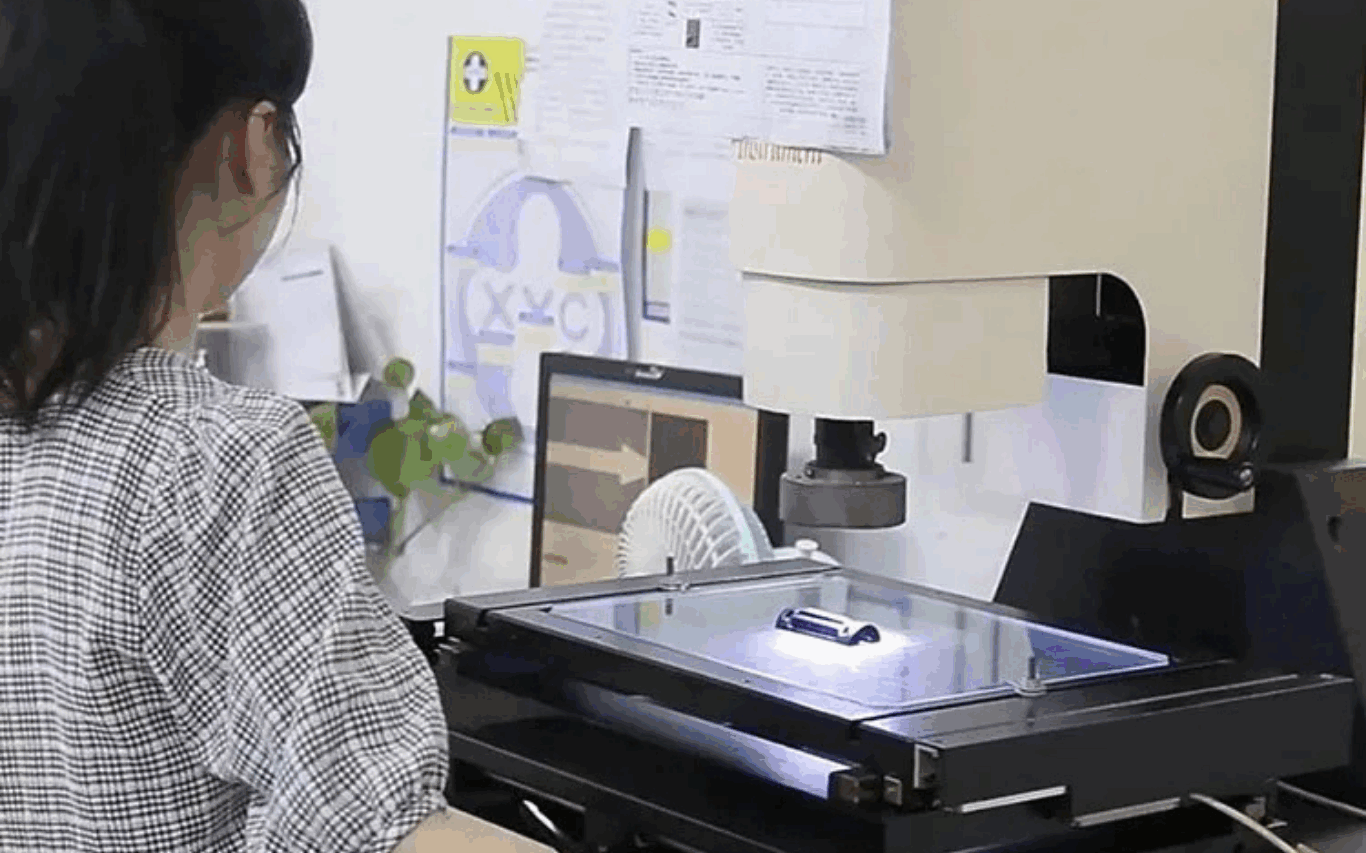
We follow a strict ISO 9001:2015 quality management system across all prototyping and machining processes. From initial design to final inspection, each step is governed by standardized procedures and advanced testing equipment to ensure consistent quality, continuous improvement, and customer satisfaction.
ISO 9001 certified manufacturing process
- Material verification
- Production process control
- In‑process inspection
- Final inspection
Inspection Equipment
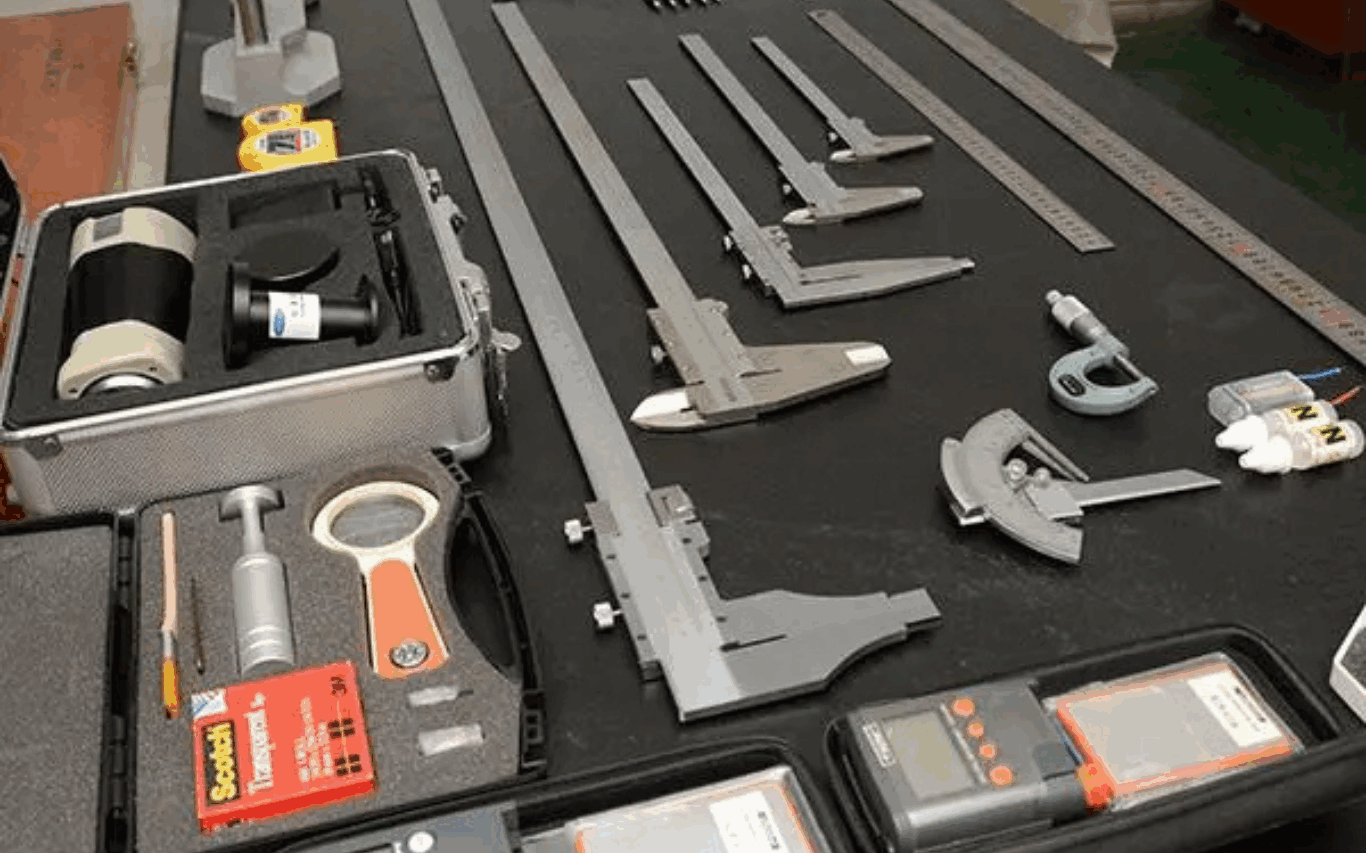
- VMM optical measurement system
- Micrometers, digital calipers
- Height gauges, thread gauges
Quality Support
- Dimensional inspection reports
- First Article Inspection (FAI)
- Drawing requirement verification
Our Process from File to Finished Part
01 Upload CAD File
Submit CAD drawings and RFQs with part specs and application details to get fast engineering support.
02 Review & Quote
Receive pricing and DFM feedback to ensure your design is ready for manufacturing.
03 Start Production
We begin machining or molding with selected materials and strict quality standards.
04 Parts Delivered
Parts are carefully inspected, securely packed, and shipped on time—ready for your next stage.
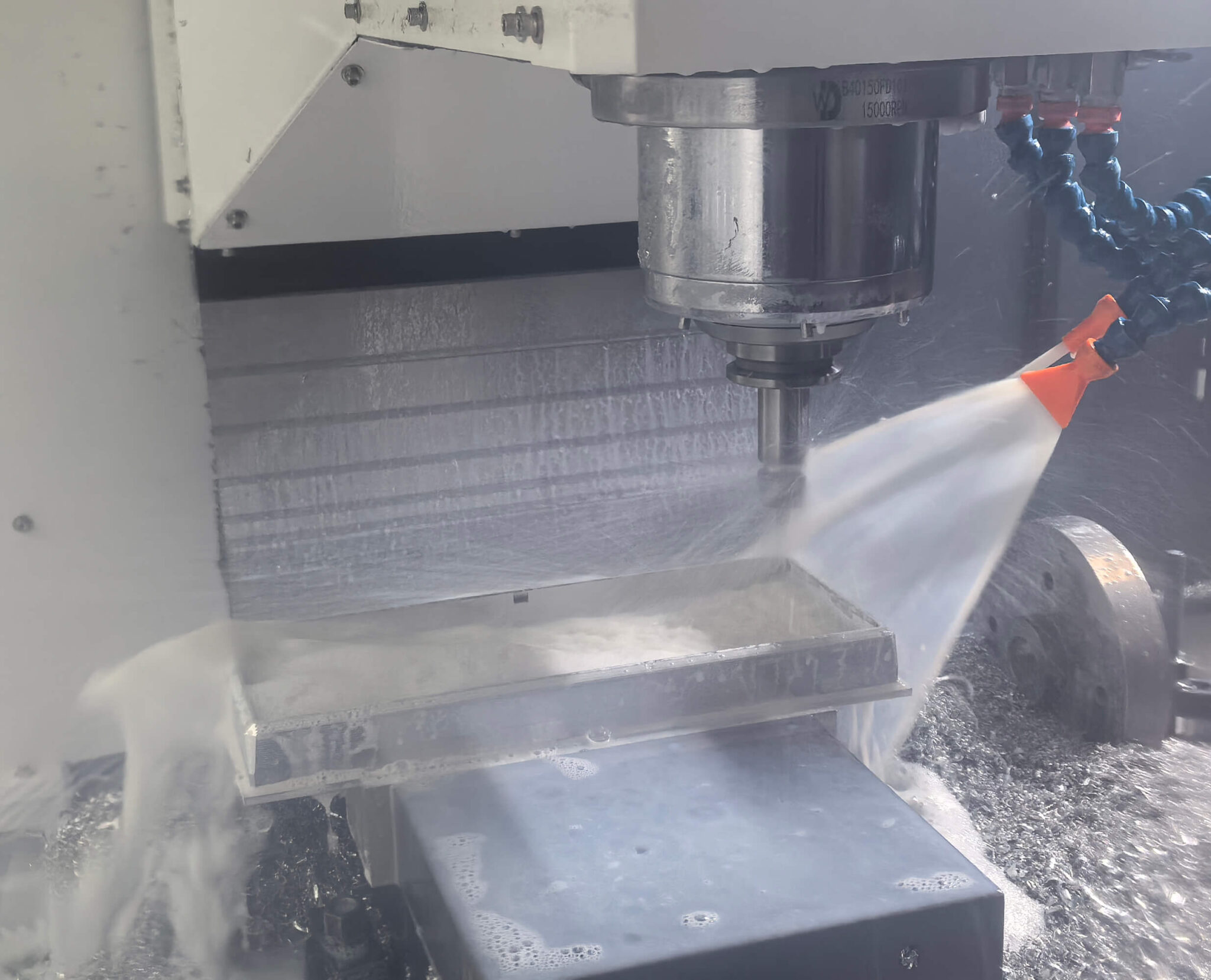
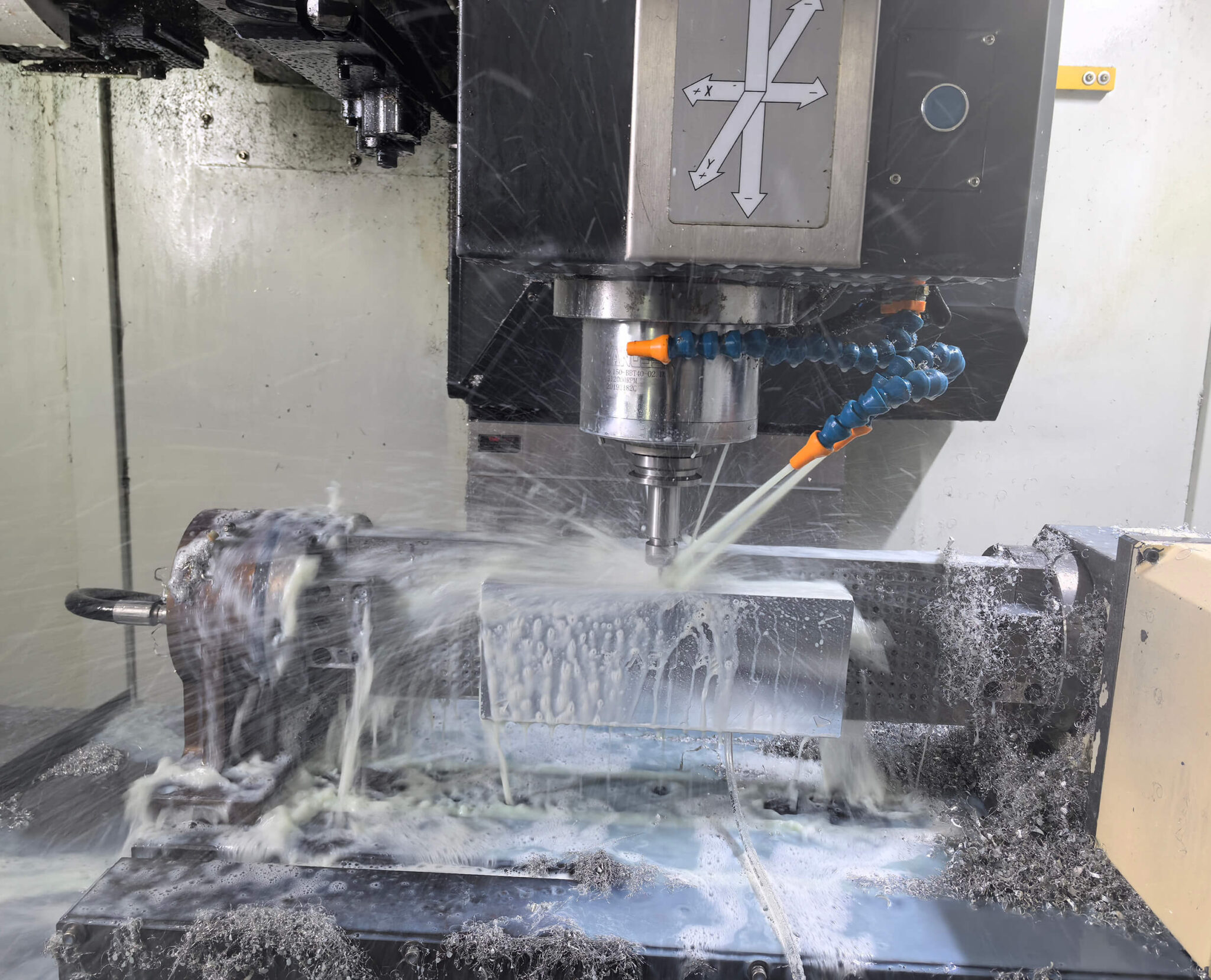
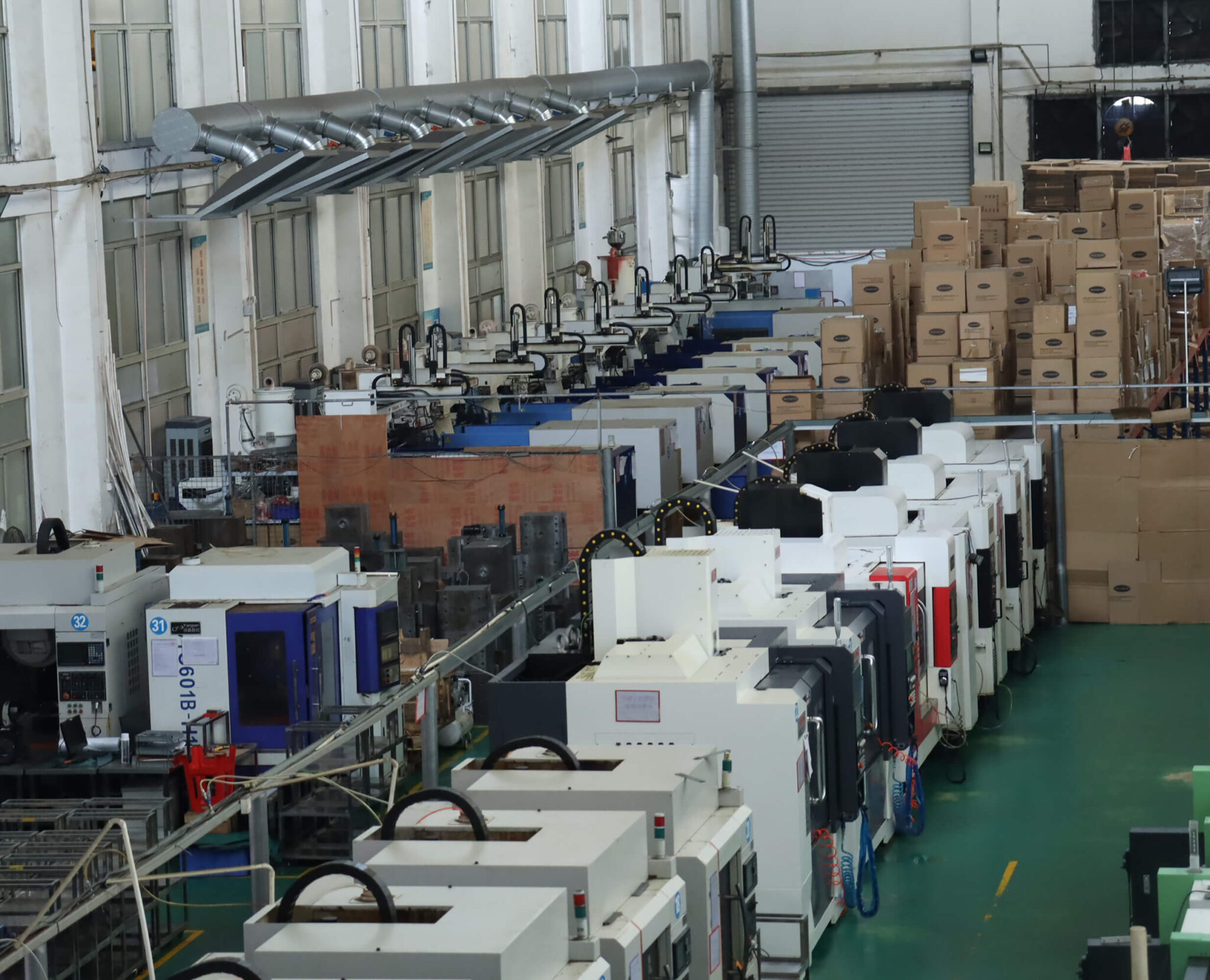
Our Optical Mounts Production Shop
Custom Optical Mount Overview
What Are Custom Optical Mounts?
Components of a Custom Optical Mount
- Mounting Body: Forms the main structure and supports the optical component.
- Optic Holder: Secures lenses, mirrors, sensors, or other optical elements.
- Adjustment Features: Allow controlled positioning, alignment, or angle changes.
- Mounting Interfaces: Include threaded holes, slots, or locating points for installation.
- Fasteners and Retainers: Keep components firmly positioned during operation.
Why Are Custom Optical Mounts Expensive?
- Tight Tolerances: Precise optical alignment often requires highly accurate CNC machining.
- Material Choice: Aluminum, stainless steel, and specialty alloys vary in cost and machining difficulty.
- Complex Geometry: Fine threads, locating features, and adjustment mechanisms require additional machining time.
- Surface Finishing: Anodizing, polishing, and protective coatings add extra processing steps.
- Small Production Runs: Prototypes and limited batches usually have a higher cost per part.
Common Surface Finishes for Custom Optical Mounts
- Anodizing: Adds a hard protective layer to aluminum and can provide different color options.
- Sandblasting: Creates a uniform matte texture and prepares the surface for further finishing.
- Polishing: Produces a smoother, cleaner surface with improved visual quality.
- Electroplating: Adds a metallic coating to improve wear and corrosion resistance.
- Laser Marking: Adds part numbers, alignment marks, logos, or identification details with precision.
Key Features of Custom Optical Mounts
- High Precision: CNC machining delivers tight tolerances for accurate optical positioning and repeatable alignment.
- Stable Construction: Rigid materials help reduce movement, vibration, and unwanted shifting during operation.
- Custom Geometry: Mounts can include complex profiles, fine threads, slots, and locating features for specific assemblies.
- Material Flexibility: Aluminum, stainless steel, and brass can be selected based on weight, strength, and environmental needs.
- Adjustment Capability: Designs may include fine-positioning features for angle, height, or focal alignment.
- Surface Protection: Anodizing, plating, and other finishes improve corrosion resistance, wear resistance, and appearance.
Popular Brands Specializing in Custom Optical Mounts
- Thorlabs: Wide range of lens, mirror, filter, and cage-system mounts for optical setups.
- Newport: Known for mirror mounts, posts, bases, and other optomechanical positioning hardware.
- Edmund Optics: Offers optical mounts, kinematic mounts, stages, and supporting optomechanical components.
- OptoSigma: Provides standard optical mounts plus fully custom and modified optomechanical solutions.
Conclusion
Discover More Options
If you’re searching for more choices, explore our full collection of products. We’ve picked out some great options for you:
Still haven’t found what you’re looking for? Don’t hesitate to contact us. We’re available around the clock to assist you.
Tell Us What You Need
At MachMaster, our engineers review every request and respond with tailored solutions.
Your files are kept strictly confidential and will only be used for quoting and manufacturing purposes.
- info@machcncmaster.com
- +86 139 5006 6486